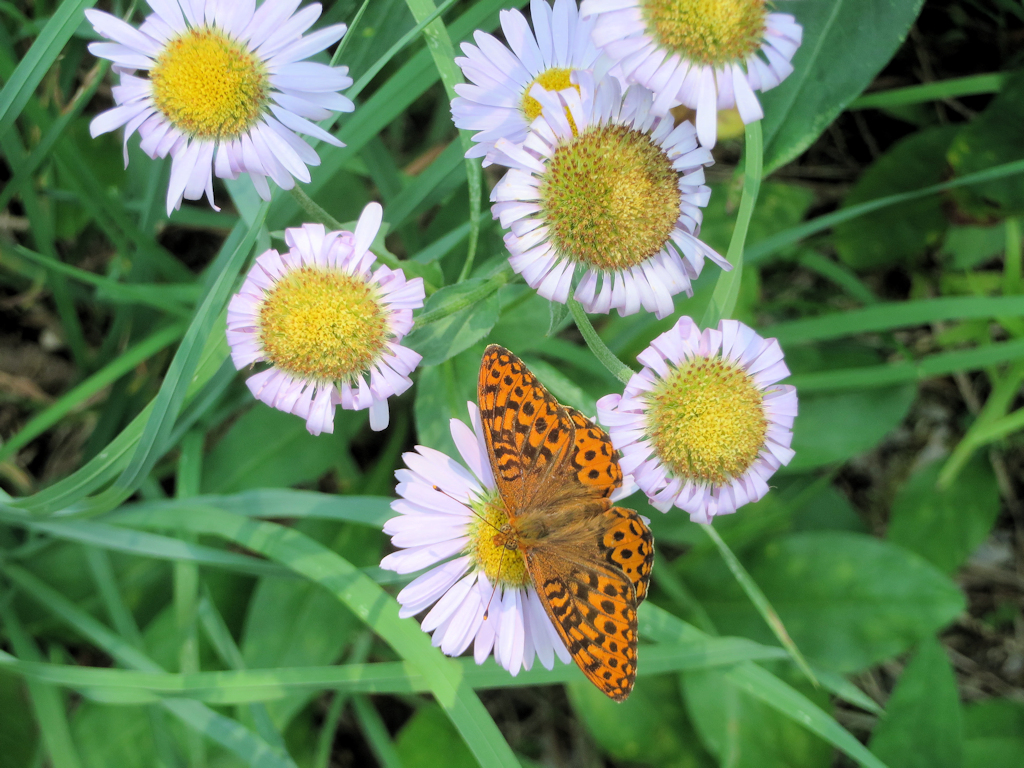
The Crown of the Continent Research Learning Center (CCRLC) is pleased to announce its inaugural Waterton-Glacier Butterfly BioBlitz July 10th and 11th at Glacier and Waterton Lakes National Parks. Visitors will work alongside taxonomic experts to document butterfly diversity, and learn more about butterflies, and other lepidopterans in the Crown of the Continent. Participants will use the iNaturalist app to record field observations, and are encouraged to download the app prior to the event.
Glacier National Park’s Butterfly BioBlitz will be July 10th from noon to 3:00 pm at both Apgar Village, and Two Medicine. Participants are not required to stay until the close of the event. The event is free, and open to people of all ages, and skill levels. Registration is required. Visit https://www.nps.gov/rlc/crown/bioblitz.htm to register. Contact CCRLC at (406)-888-7944 or email Evan Portier at evan_portier@nps.gov for more information.
Waterton Lakes National Park’s Butterfly BioBlitz will be July 11th from 11 am to 5 pm. Contact william.greene@pc.gc.ca for more information. Remember to bring a valid passport if traveling across the border.
Well, now. It looks like a more serious effort is afoot (afloat?) to track river usage this summer . . .
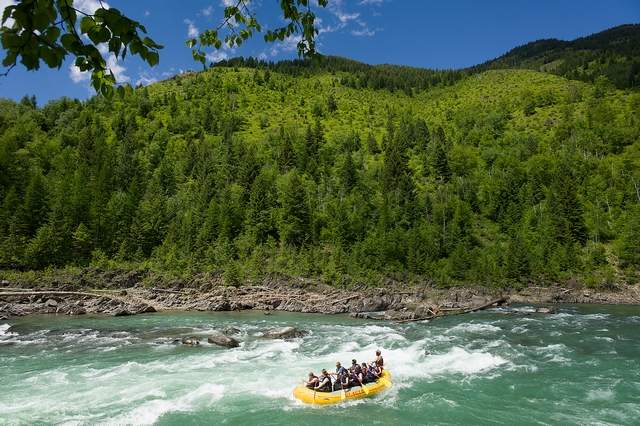
The Flathead National Forest and Glacier National Park are embarking on a joint plan this summer to track river use on the North and Middle Forks of the Flathead, with the eventual goal of crafting management plans for the Wild and Scenic rivers.
The initial plans date back to 1980 and 1986. Since then, visitor numbers to the region have surged, but the management plans have stayed untouched. In Glacier, nearly 3 million visited the Park last year. In 1986, Glacier saw a little more than 1.5 million visitors.
While anecdotal evidence indicates the rivers are getting more crowded with floaters and fishermen, the agencies don’t have baseline data for river usage, said Chris Prew, forest recreation program manager for the Flathead National Forest.
Here’s the official press release from Montana Fish, Wildlife and Parks regarding the relisting of grizzly bears in the Greater Yellowstone Ecosystem . . .
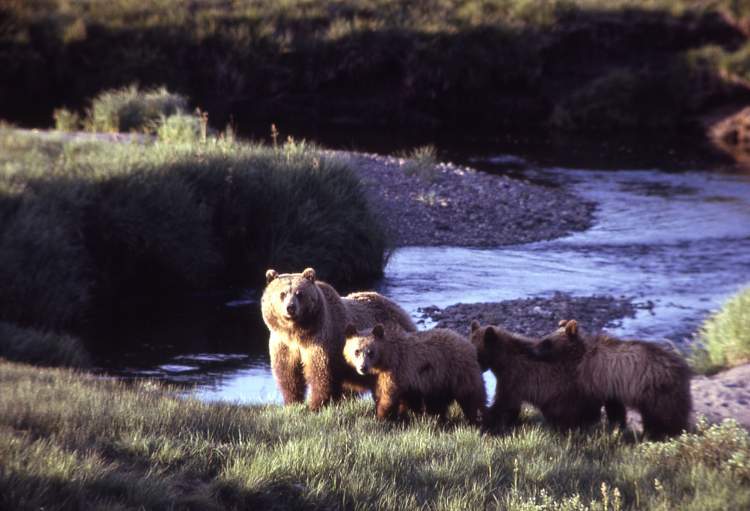
In the final step marking a remarkable recovery effort, the U.S. Fish and Wildlife Service announced Thursday that grizzly bears in the Greater Yellowstone Ecosystem will be removed from the Endangered Species List.
“The delisting demonstrates Montana’s long-standing commitment to the recovery of grizzly bears,” said Martha Williams, director of Montana Fish, Wildlife and Parks. “FWP takes its public trust responsibility seriously and we intend to follow through in sustaining grizzly bears in Montana as well as all other species that we manage.”
Grizzly bears were put on the Endangered Species List in 1975. At that point as few as 136 bears remained in the Greater Yellowstone Ecosystem (GYE). Today the population is estimated at more than 700.
Management of bears in Montana’s portion of the GYE will be guided by the interagency Conservation Strategy, which will ensure a recovered grizzly bear population and that FWP and the other states continue to meet the criteria in the recovery plan. This Conservation Strategy was approved by the Interagency Grizzly Bear Committee in December. The strategy along with the Southwest Montana Grizzly Management Plan and a Memorandum of Agreement between Idaho, Montana and Wyoming will ensure a healthy grizzly population is maintained in the GYE.
Also, the three states have agreed to manage bears conservatively and not down to a minimum number. The goal for state management is to maintain a healthy grizzly bear population in the GYE.
“The grizzly bear population in the GYE has met all the recovery goals and the necessary safeguards are in place. This is an amazing success story,” said Ken McDonald, FWP wildlife division administrator.
FWP remains committed to continue its monitoring of females with cubs, genetic variation, bear distribution and mortalities.
In addition, FWP staff will monitor and respond to instances of human-bear interaction, livestock conflicts and provide grizzly bear outreach and education.
Thursday’s announcement only applies to the GYE. Grizzlies in the rest of Montana, including the Northern Continental Divide Ecosystem, will remain on the Endangered Species List.
Upper Missouri River Breaks National Monument in Montana – Bob Wicks/BLM
It looks like the Upper Missouri Breaks National Monument is going to be safe from federal “review” . . .
Cutting off public campaigns by proponents and opponents, U.S. Interior Secretary Ryan Zinke said Tuesday he plans to recommend the Upper Missouri Breaks retain its status as a national monument, effectively taking it off the list of monuments nationwide that could lose their status.
“My likely recommendation will be to leave the Missouri Breaks as is,” Zinke said. “I think it’s settled to a degree that I would rather not open up a wound that has been healed.” Zinke made his remarks at a press conference following his appearance at the Western Governors’ Association meeting.
The announcement shocked people on both sides of the issue.
From the Native Americans to Morton Elrod, a new book, “Montana’s Pioneer Botanists,” takes a biographical look at 27 botanists and their impact on the field in Montana.
Editors Rachel Potter and Peter Lesica have crafted not a dry biographical tome, but a bright and lively read full of colorful photos, illustrations, and interesting stories about the early efforts to catalogue, identify, and study Montana’s rich plant life and history. Eighteen authors,including Potter and Lesica, contributed to the book.
Potter said it took about five years to put the book together and gather the essays and photos. Some of the essays are 30 years old and she searched around the country for the historic photos. Potter and Lesica decided to put the essays together after they did a program of Glacier Park’s botanists for the Park centennial in 2010.
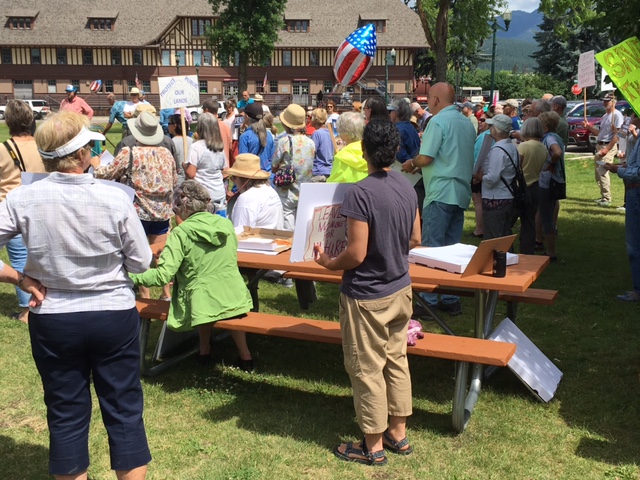
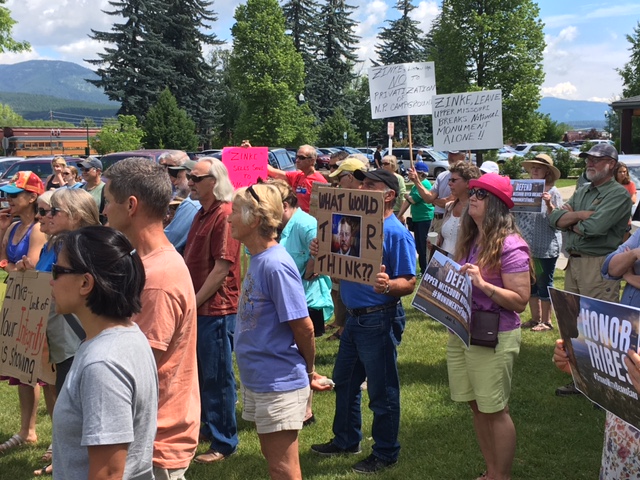
Rally for national monuments, June 27, 2017 – Debo Powers
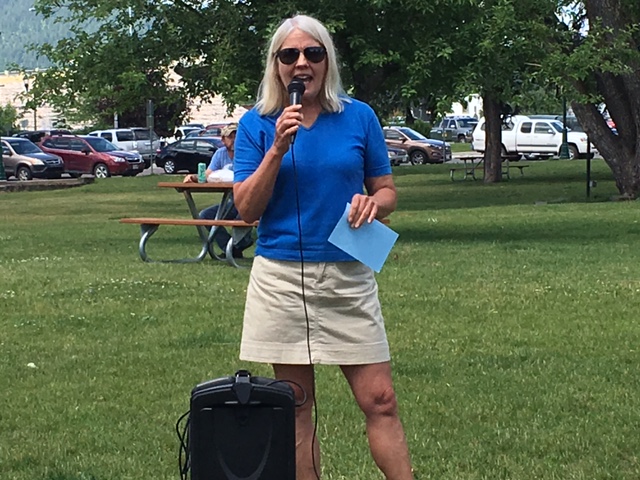
Debo Powers speaking at rally for national monuments, June 27, 2017 – Debo Powers
Crowd at rally for national monuments, June 27, 2017 – Debo Powers
Last Tuesday, a number of North Fork Preservation Association members participated in a rally to support national monuments at the Western Governors’ Association meeting in Whitefish. NFPA President Debo Powers addressed the crowd.
Upper Missouri River Breaks National Monument in Montana – Bob Wicks/BLM
This is a direct, to-the-point statement just released by Montana Gov. Steve Bullock concerning efforts to “review” the Upper Missouri River Breaks National Monument . . .
Today, I sent a letter to Secretary of the Interior Ryan Zinke urging that no changes be made to the designation of the Upper Missouri River Breaks National Monument.
In May, Secretary Zinke began a review of over 20 National Monuments from around the country pursuant to an Executive Order issued by President Donald Trump. The Missouri River Breaks was one of the monuments designated for review. As part of this process, Secretary Zinke reached out to me for my comments and recommendations regarding the Missouri Breaks National Monument.
The Missouri River Breaks offers world-class, once-in-a-lifetime public lands hunting opportunities for trophy mule-deer, elk, and bighorn sheep. Opportunities like these attract over 130,000 visitors to the area every year and provide an annual influx of $10 million to the local economy. The local economy has come to depend on this. In addition to attracting more visitors, the region has sustained growth in many measures of local economic health and prosperity—including a 23 percent increase in real capita income.
Finally, the Missouri Breaks has remained largely unchanged for over 200 years. The monument designation helps keep it that way for our children and grandchildren to share. For these reasons, I strongly recommended that no changes in the size or to the designation of the Monument should be made.
Places like the Missouri River Breaks are important to Montanans and play a significant role in our way of life. These public lands are our heritage and support an unmatched quality of life. I will continue to fight to preserve public access to our lands, rivers, and streams and I oppose any effort that jeopardizes or calls into question the future of the Missouri River Breaks or any other part of our public lands heritage.
As Secretary Zinke continues his review of the Missouri River Breaks National Monument designation, I urge you to reach out to him HERE to share your own comments and experiences within the area.
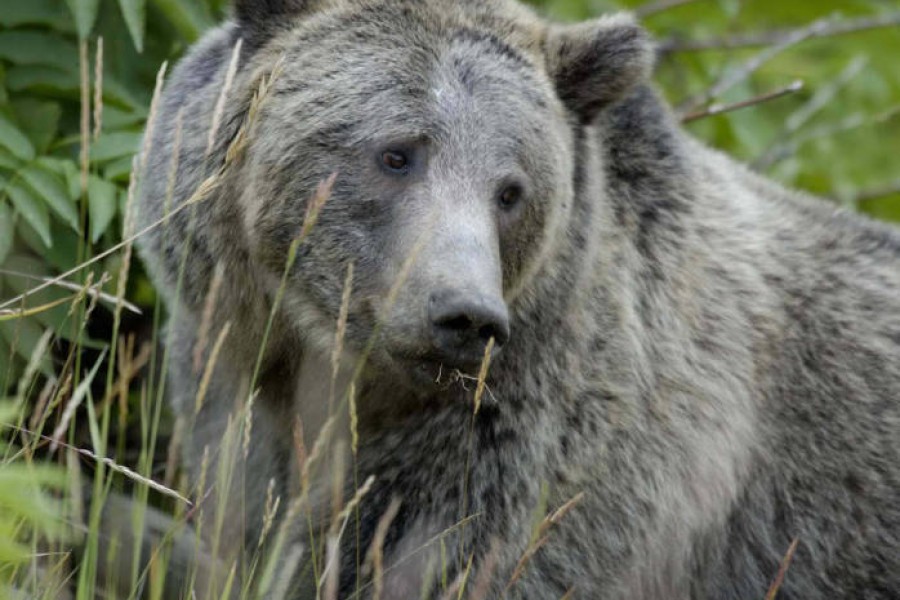
Grizzly Bear – U.S. Fish and Wildlife Service-Terry Tollefsbol, NPS
The feds officially announced they are removing the Yellowstone ecosystem grizzlies from the Endangered Species List . . .
For the first time in more than four decades, the Yellowstone grizzly bear is set to lose its federal protections under the Endangered Species Act. Citing a rebound in the bear’s population, the U.S. Department of Interior announced its intention Thursday to end these protections and return oversight of the animal’s status to the state level.
The agency says the rule to remove the grizzly from the endangered species list will be published “in coming days” and “will take effect 30 days after publication.”
“This achievement stands as one of America’s great conservation successes; the culmination of decades of hard work and dedication on the part of the state, tribal, federal and private partners,” Interior Secretary Ryan Zinke said in a statement. “As a Montanan, I’m proud of what we’ve achieved together.”
Upper Missouri River Breaks National Monument in Montana – Bob Wicks/BLM
Our national monuments are under attack! Please speak out in support of them by writing a letter to Secretary of Interior Ryan Zinke. In Montana, the Upper Missouri River Breaks is one of the monuments under review. (See the recent NFPA letter to Ryan Zinke for ideas and for Secretary Zinke’s mailing address.)
Also, there will be a Rally for National Monuments in Whitefish where Secretary Zinke will be addressing the Western Governor’s Conference on Tuesday, June 27 at noon in Depot Park. This rally is being organized by a group of conservation organizations in our area. We need as many people to attend as possible so please pass the word …and bring friends and family members.
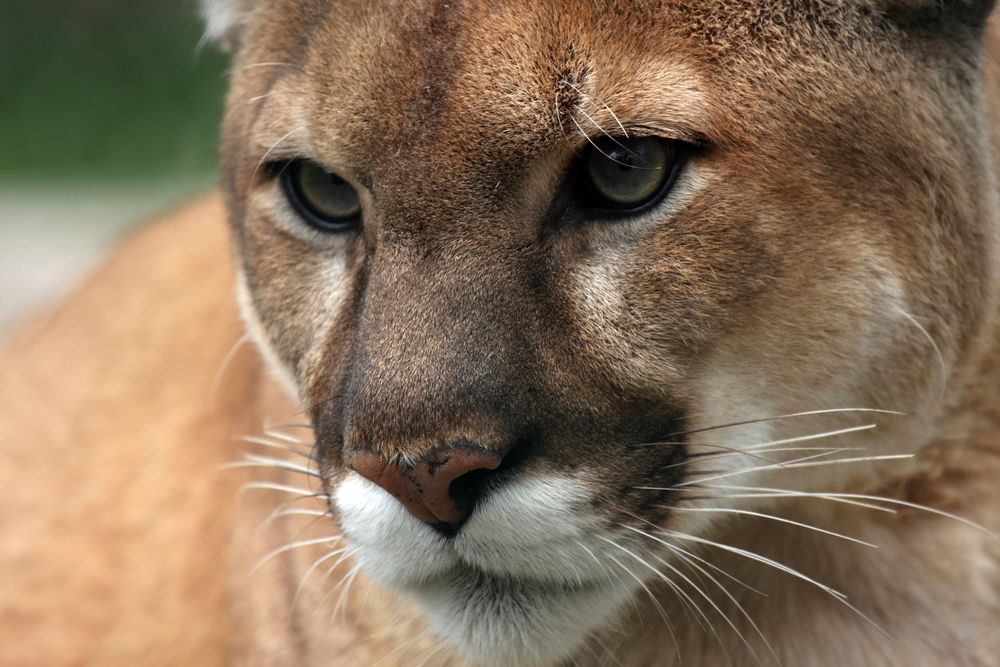
Here’s some interesting research on mountain lion-human interaction. Mountain lions, it seems, aren’t just elusive, they actively avoid contact with humans. It’s almost insulting . . .
“Fraidy cat” isn’t the way most people think of mountain lions, but when it comes to encounters with humans, perhaps they should.
New research into the behavior of these big cats indicates that they don’t like encountering humans any more than we like bumping into them on hiking trails. The findings are particularly valuable as human development encroaches on lion habitat and drives up the number of human-puma encounters.
“We exposed pumas in the Santa Cruz mountains to the sound of human voices to see if they would react with fear and flee, and the results were striking: They were definitely afraid of humans,” said Justine Smith, lead author of the paper “Fear of the human ‘super predator’ reduces feeding time in large carnivores,” published in the June 21 online edition of the Proceedings of the Royal Society B.
 From the official press release . . .