Given space, future looks good for grizzlies

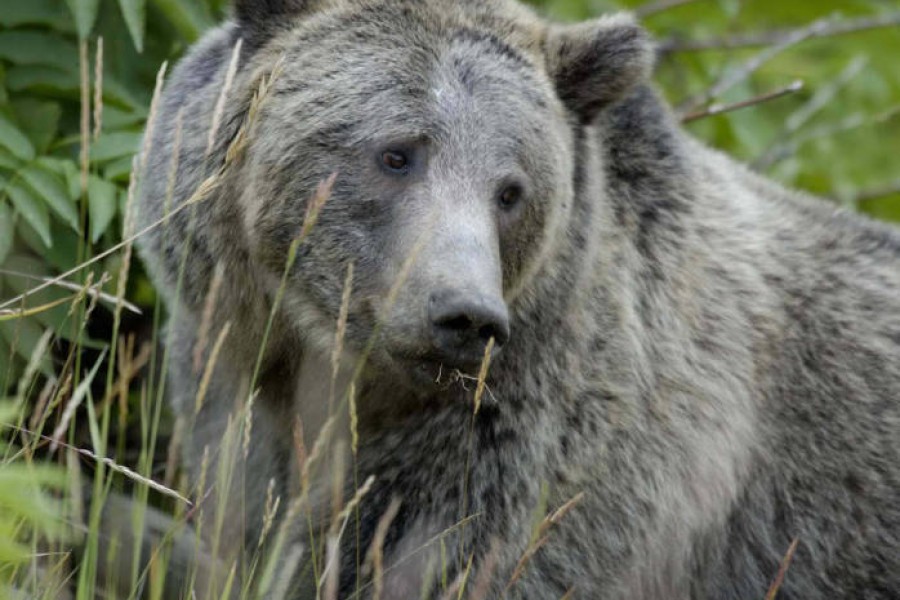
Grizzly Bear - courtesy NPS
Grizzly Bear – courtesy NPS

Here’s a good piece by Chris Peterson of the Hungry Horse News on the progress in grizzly bear management over the last few decades . . .

While tragic, Glacier Park’s Night of the Grizzlies did much to change grizzly bear and human backcountry use. “It was a lightning rod to the core of the Park Service,” said Glacier Park biologist John Waller.

While the Wilderness Act had been passed three years before that tragic night in 1967, there was no Leave No Trace ethic — leaving or burying garbage was common in bear country. Even Roy Ducat and July Helgeson buried the remains of their sandwiches before they camped for the night, a Hungry Horse News story noted.

Philosophy toward bear management changed quickly after the incident. Grizzlies were not nearly as common in Glacier in the late 1960s as they are today. They also weren’t protected, Waller said. The Endangered Species Act was passed in 1973 and grizzlies were listed as threatened in 1975.
Read more . . .

Sage grouse plan revision draws decidedly mixed reviews

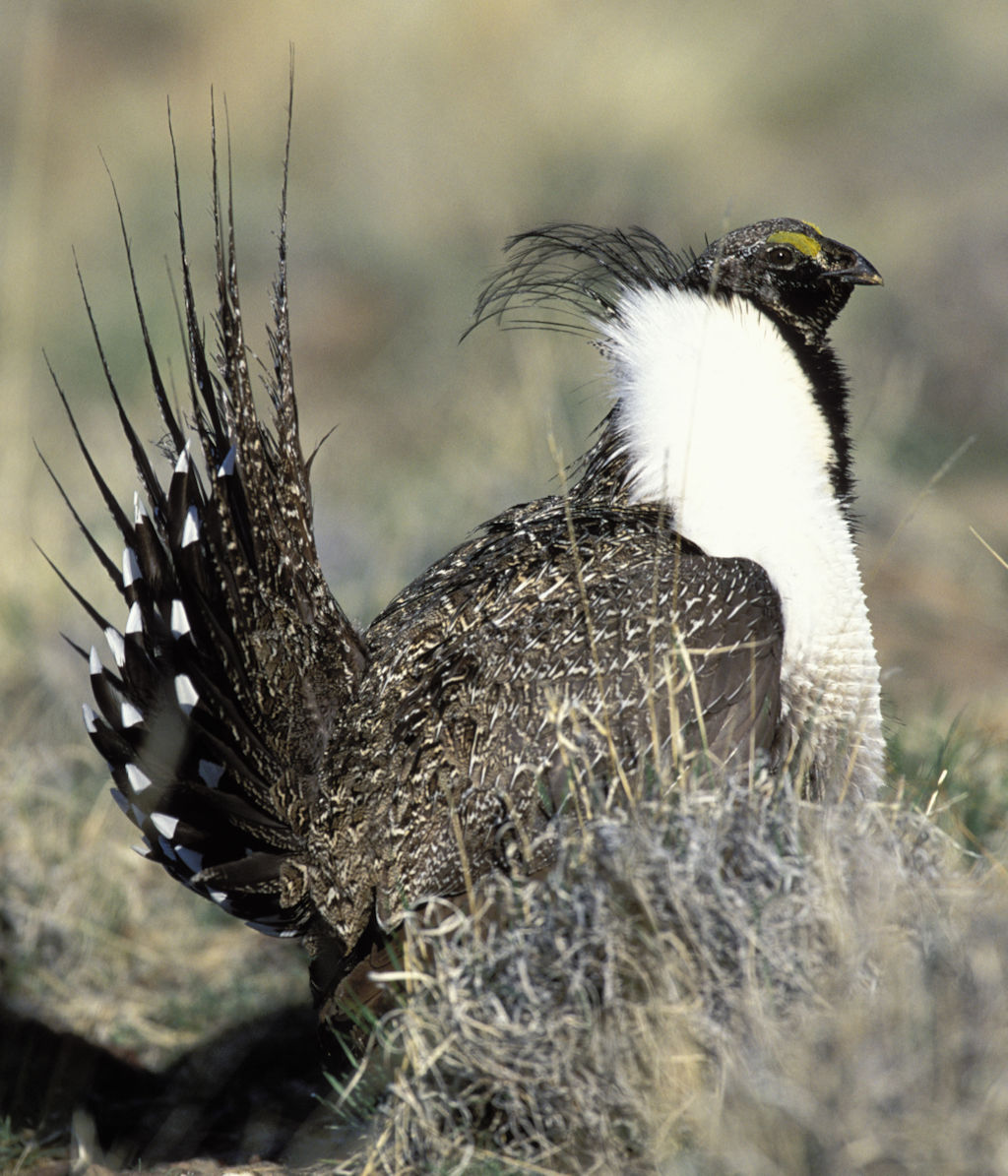
Sage Grouse - USFWS image
Sage Grouse – USFWS image

Here’s a pretty good write-up on the Interior Department’s revisions to the sage grouse conservation plan put into place a couple of years ago . . .

A task force is recommending changes that could loosen protections for the greater sage grouse, a Western bird species renowned for its elaborate mating dance.

The report comes out of a review by the Trump administration of a massive Obama-era conservation plan for the bird which is imperiled by loss of habitat.

The administration says the revisions are aimed at giving states more flexibility. But critics argue that the changes favor mining and petroleum companies and could hurt the bird’s long-term prospects.

Read more . . .

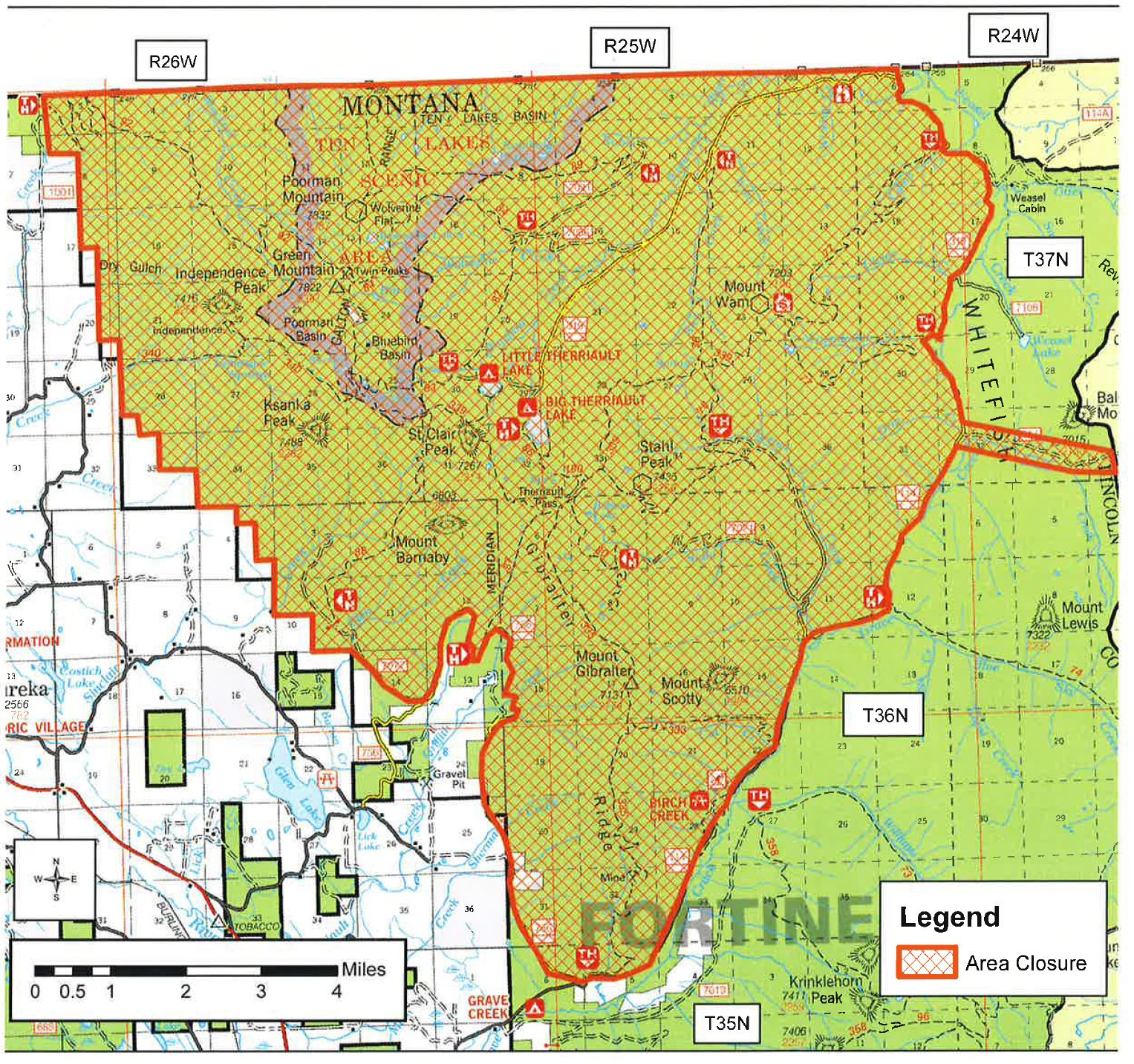
Gibraltar Ridge Fire closure order affects Trail Creek, PNT

Gibraltar Ridge Fire C.losure Map, Aug 8, 2017
Gibraltar Ridge Fire Closure Map, Aug 8, 2017

A closure order was issued this afternoon in the Kootenai National Forest as a result of the Gibraltar Ridge Fire in the Eureka area.

This closure affects travel from the North Fork over Trail Creek into the Kootenai. The Forest Service is posting signs at the North Fork Road/Trail Creek Road junction, and at the Tuchuck Trailhead.

This also affects the Pacific Northwest Trail (PNT). Notifications are going up at strategic trailheads for the PNT in both the Kootenai and Flathead Forests.

For more information on the Gibraltar Ridge Fire, see the Inciweb page at https://inciweb.nwcg.gov/incident/5474/

The Lone Lookout: The Man Protecting Montana’s Forests

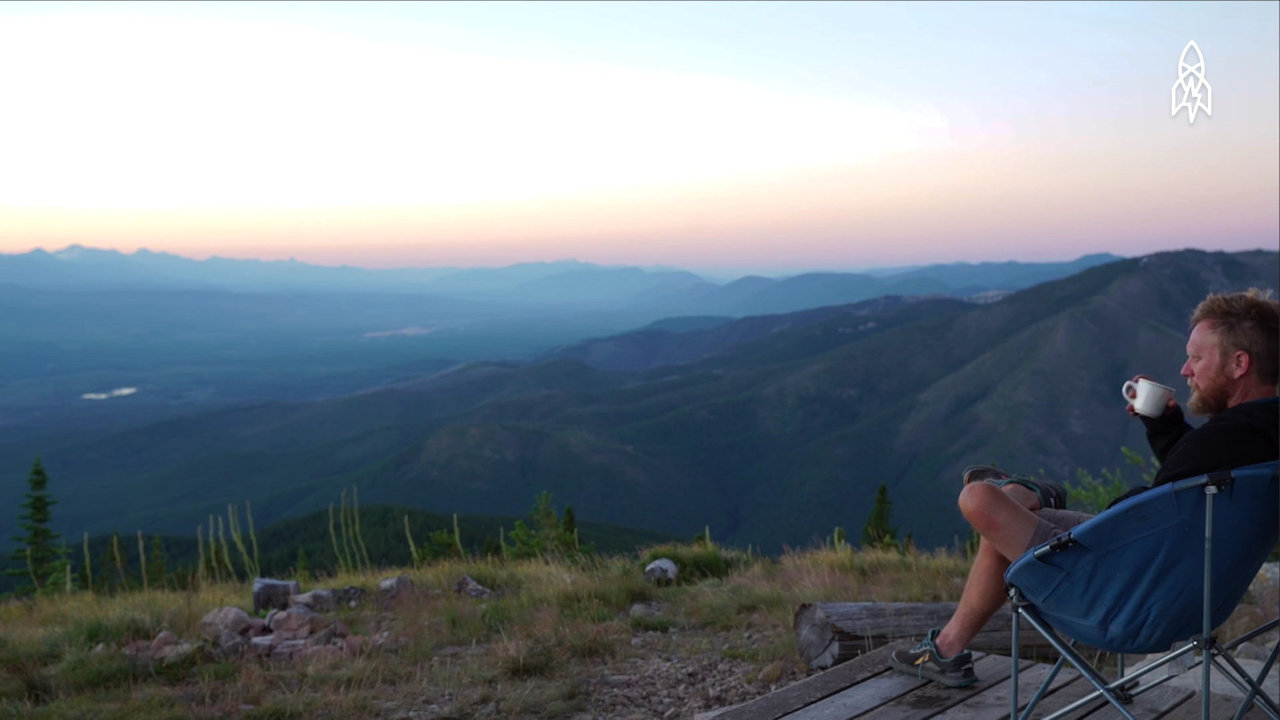
Leif Haugen - "The Lone Lookout: The Man Protecting Montana’s Forests" screenshot
Leif Haugen – “The Lone Lookout: The Man Protecting Montana’s Forests” screenshot

Leif Haugen, the man in charge at the North Fork’s Thoma Lookout (and all around nice guy), is the subject of a “Great Big Story” short film titled “The Lone Lookout: The Man Protecting Montana’s Forests.”

Here’s the intro:

For the past 24 years, Leif Haugen has spent his summers living alone atop a mountain in Montana’s pristine wilderness. As a fire lookout for the U.S. Forest Service, Leif is charged with protecting the surrounding landscape, watching for signs of fire from his solitary perch. Spending up to two weeks alone at a time, he spends his days unwinding amid the peace and quiet, watching as the world passes him by.

Click here to view the film.

NYT: Let forest fires burn?

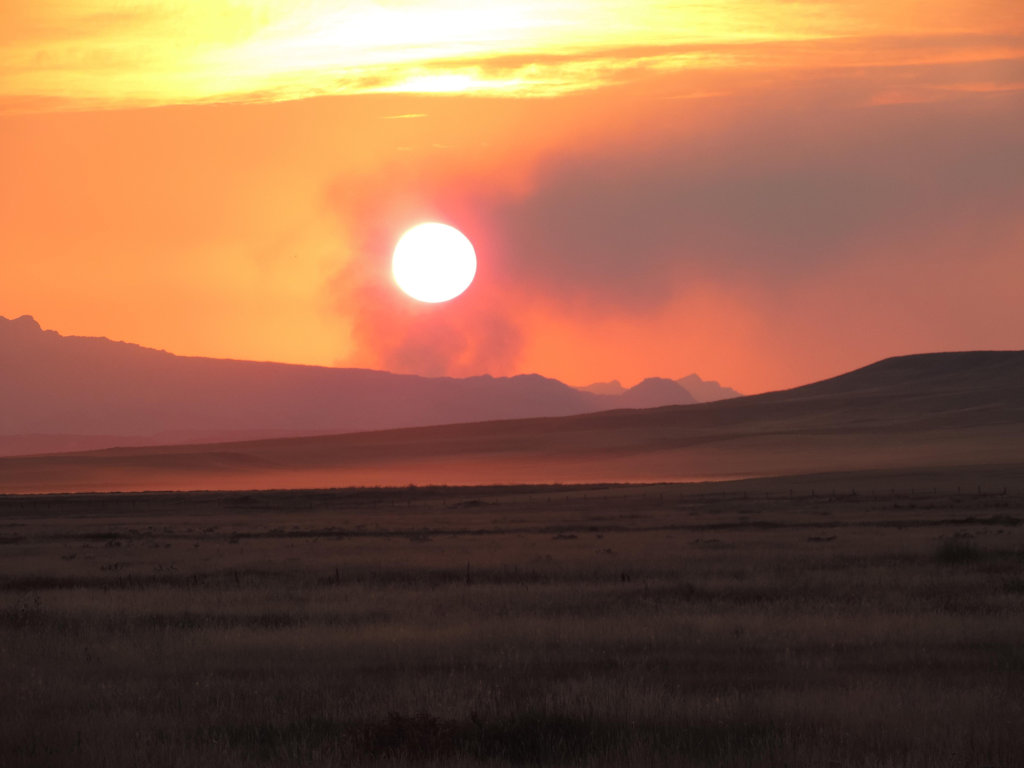
Glacier National Park Thompson Fire 2015 at Sunset
A column of smoke from the Glacier National Park Thompson Fire could be seen rising over the Rocky Mountain Front at sunset Aug. 12, 2015. The remote backcountry fire has burned about 14,900 acres. (Photo by Jonathan Moor)

This article from the New York Times most definitely does not serve as the starting point for an informed discussion on wildfire management. It does, however, highlight some interesting issues . . .

With long strides, Chad T. Hanson plunged into a burned-out forest, his boots kicking up powdery ash. Blackened, lifeless trees stretched toward an azure sky.

Dr. Hanson, an ecologist, could not have been more delighted. “Any day out here is a happy day for me, because this is where the wildlife is,” he said with a grin.

On cue, a pair of birds appeared, swooping through the air and alighting on dead trees to attack them like jackhammers. They were black-backed woodpeckers, adapted by millions of years of evolution to live in burned-out forests. They were hunting grubs to feed their chicks.

Read more . . .

Seeking help for the Blackfoot River

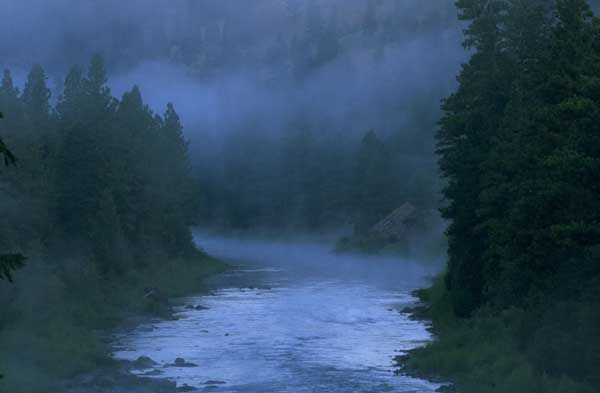
Blackfoot River, Lewis and Clark National Historic Trail - BLM Montana
Blackfoot River, Lewis and Clark National Historic Trail – BLM Montana

Another nice Sunday spread by the Missoulian. This one, by Rob Chaney, concerns the Blackfoot Clearwater Stewardship Act . . .

Alec Underwood accidentally hooked one of the biggest justifications for passing the Blackfoot Clearwater Stewardship Act as he floated by Belmont Creek last week. A 21-inch bull trout snatched the artificial hopper he’d tied to his tippet in hopes of hitting a cutthroat. The Montana Wilderness Association conservation associate got the raft to shore, jumped in the water and quickly unhooked the fish. It torpedoed back into the cooler depths of the channel.

Without those cold waters, and without those tributary streams, the Blackfoot River would hold no bull trout. As is, the fish known as the grizzly bear of the trout world faces the same challenge as its land-based predatory kin — near extinction due to loss of living space. Anglers must release any bulls they catch, unharmed.

In hopes that one day bull trout might be legal game fish in the Blackfoot again, Underwood and a flotilla of fellow advocates want to build support for the Blackfoot Clearwater Stewardship Act. The bill offered by Sen. Jon Tester, D-Montana, would add about 80,000 acres to the Bob Marshall, Mission Mountain and Scapegoat wilderness areas.

Read more . . .

Zinke won’t mess with Upper Missouri River Breaks National Monument

Upper Missouri River Breaks National Monument in Montana - Bob Wicks/BLM
Upper Missouri River Breaks National Monument in Montana – Bob Wicks/BLM

The Upper Missouri River Breaks National Monument is officially on the “do not touch” list . . .

Interior Secretary Ryan Zinke says he will not recommend changes to Montana’s Upper Missouri River Breaks National Monument as he continues to review national monuments for possible elimination or reduction.

Zinke says the monument is one of the only free-flowing areas of the Missouri that remains as explorers Lewis and Clark saw it more than 200 years ago.

Montana Gov. Steve Bullock had asked Zinke to keep the Breaks monument unchanged as he reviews 27 national monuments designated by previous presidents. President Donald Trump ordered the review, calling many monument designations land grabs by the federal government. Monument designations protect federal land from energy development and other activities.

Read more . . .

Humans have been altering tropical forests for at least 45K years

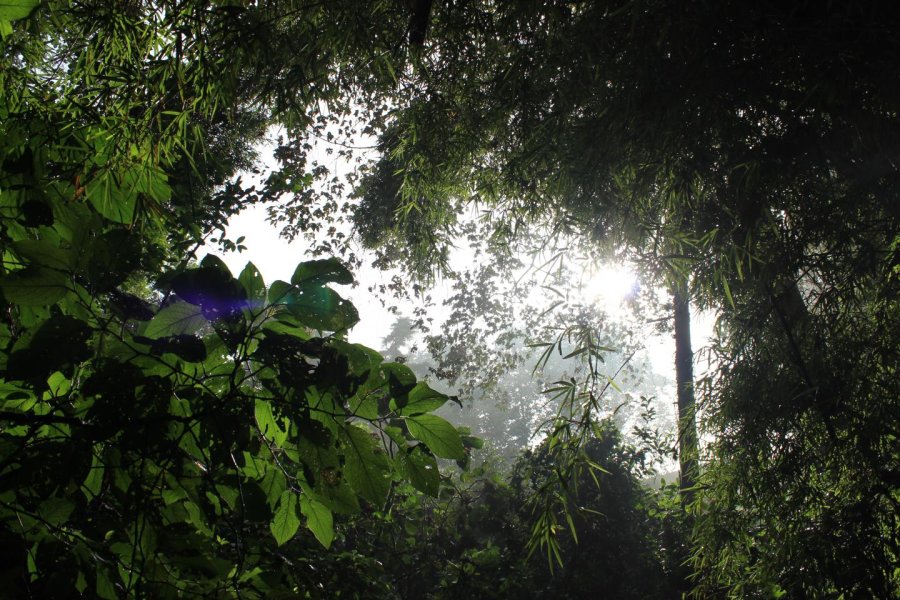
Tropical forest vegetaton - Patrick Roberts
Tropical forest vegetaton – Patrick Roberts

Here’s a thought provoking scientific study. It appears that people have been altering tropical forests for a long time — “sustainably” in some cases, but altering them nevertheless . . .

The first review of the global impact of humans on tropical forests in the ancient past shows that humans have been altering these environments for at least 45,000 years. This counters the view that tropical forests were pristine natural environments prior to modern agriculture and industrialization. The study, published today in Nature Plants, found that humans have in fact been having a dramatic impact on such forest ecologies for tens of thousands of years, through techniques ranging from controlled burning of sections of forest to plant and animal management to clear-cutting. Although previous studies had looked at human impacts on specific tropical forest locations and ecosystems, this is the first to synthesize data from all over the world.

Read more . . .

Yellowstone grizzlies removed from threatened species list

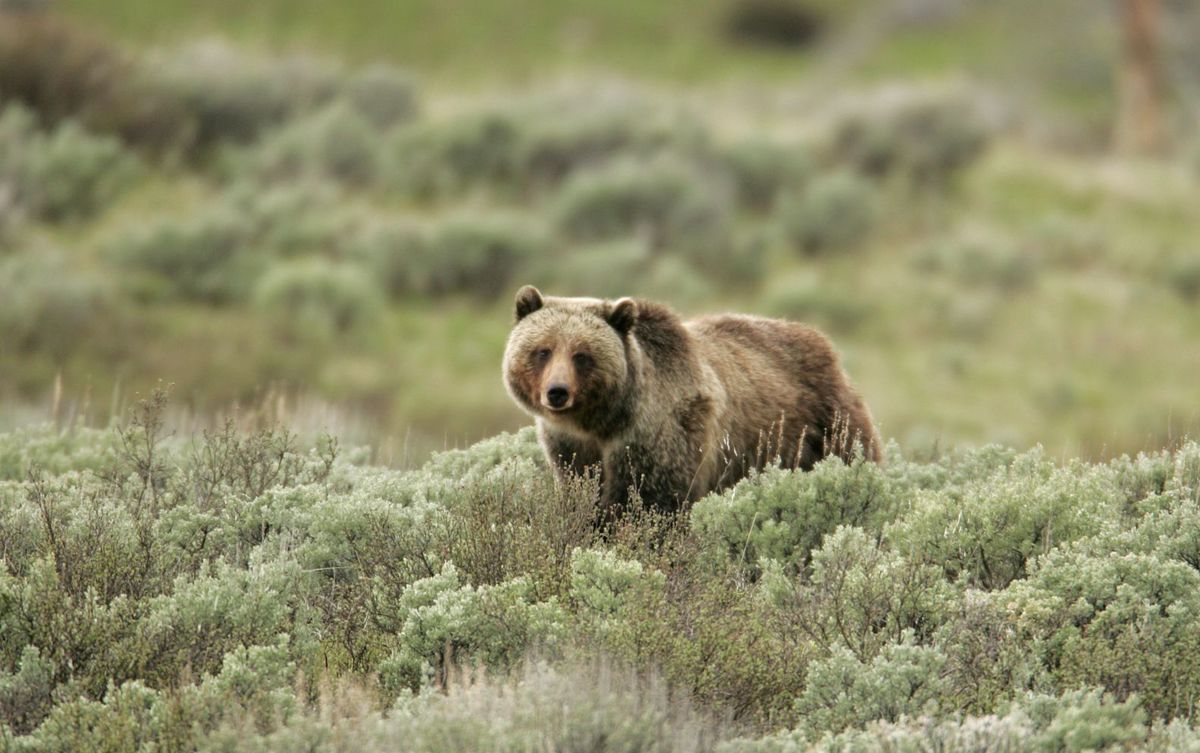
Grizzly Bear - U.S. Fish and Wildlife Service-Terry Tollefsbol, NPS
Grizzly Bear – U.S. Fish and Wildlife Service-Terry Tollefsbol, NPS

Grizzly bears in the Greater Yellowstone Ecosystem were officially removed from the threatened species list on July 31. Of course, there’s the matter of dealing with a number of lawsuits . . .

For the second time in a decade, the U.S. government has removed grizzly bears in the Yellowstone region from the threatened species list.

It will be up to the courts again to decide whether they stay off the list.

The decision by the U.S. Fish and Wildlife Service to remove federal protections from the approximately 700 bears living across 19,000 square miles in Montana, Idaho and Wyoming took effect Monday.

Read more . . .

Also read: States taking over grizzly management Monday (Bozeman Daily Chronicle)

Getting city kids into the woods

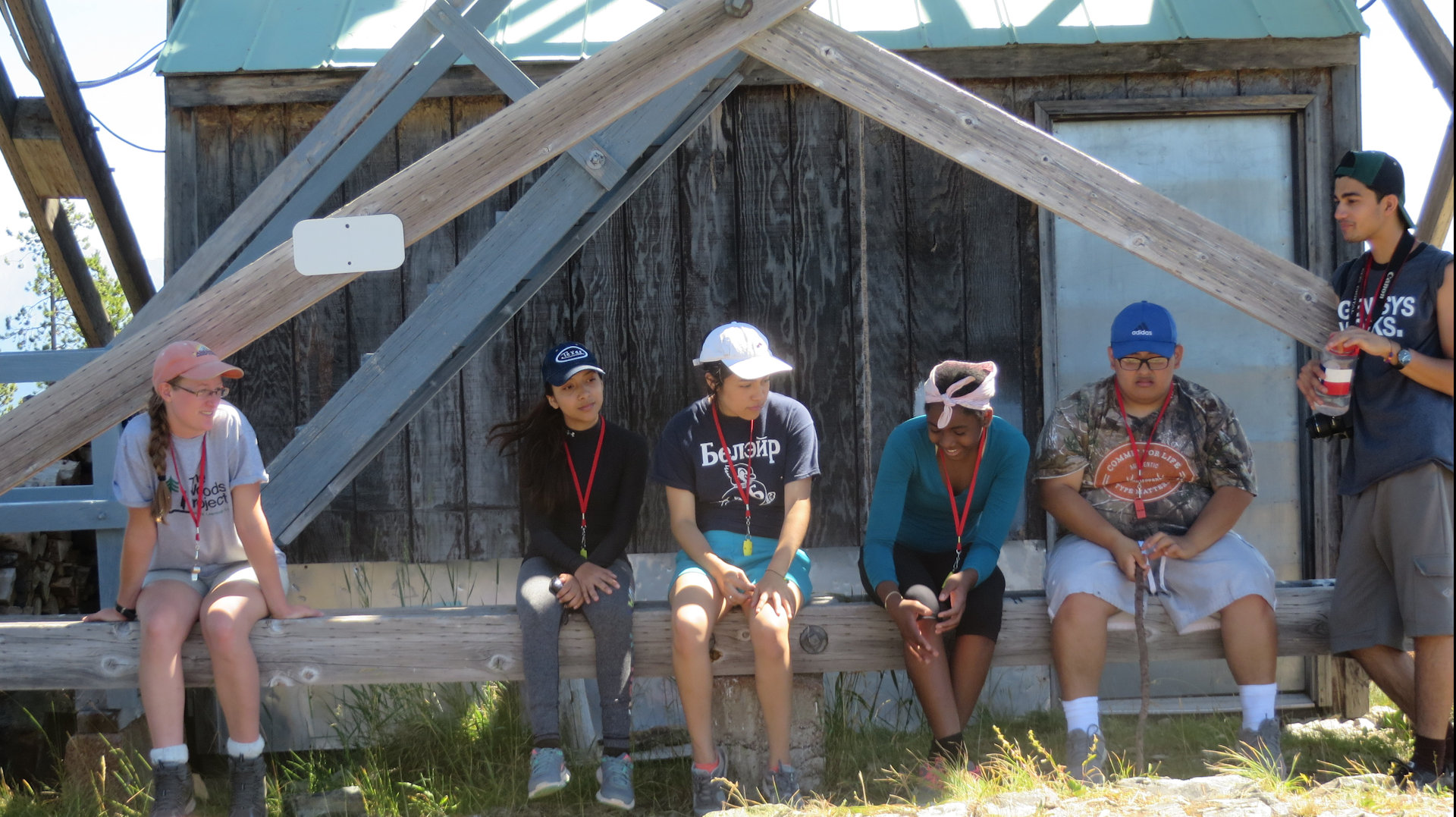
Woods Project participants at Cyclone LO, July 23, 2017 - by W. K. Walker
Woods Project participants at Cyclone LO, July 23, 2017 – by W. K. Walker

From NFPA President Debo Powers: The Woods Project gets inner-city high school students into the woods. Two groups of these students visited Cyclone Lookout this past week . . .

It’s hard to find nature when you’re surrounded by concrete and steel.

The 16 teenagers from Houston gathered in the shade of the Cyclone Lookout on the Flathead National Forest last week would tell you that’s a fact. For many of them, the concrete, steel and busy bustle of Houston’s city life has been the only thing they’d ever known until good fortune shined on them when their paths crossed with The Woods Project.

Started in 2006, the program has offered an opportunity for hundreds of teenagers from low-income families a chance to broaden their horizons through year-round outdoor programming that includes a 14-day adventures into the wilds.

Read more . . .