Category Archives: News

U.S. Fish and Wildlife Service delists grizzlies in the Yellowstone ecosystem

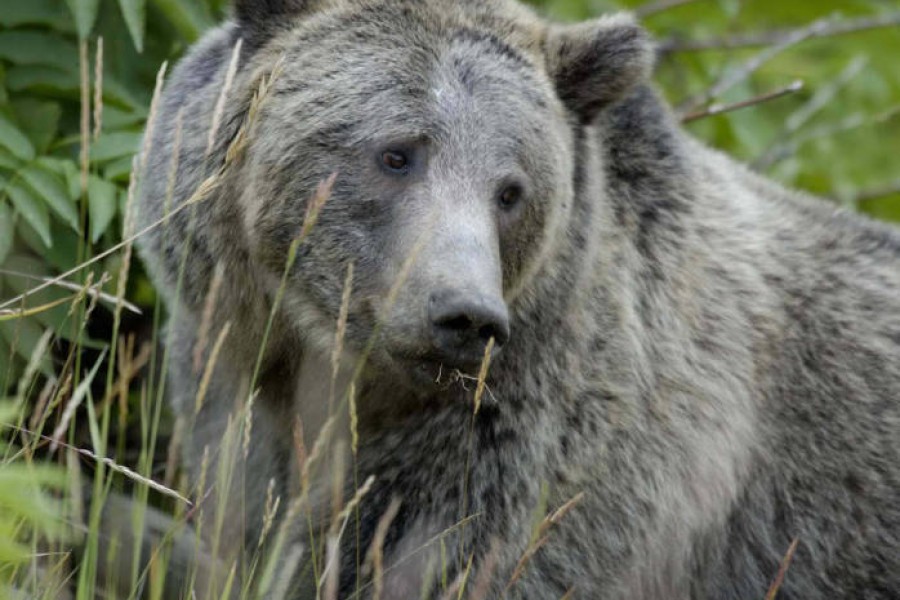
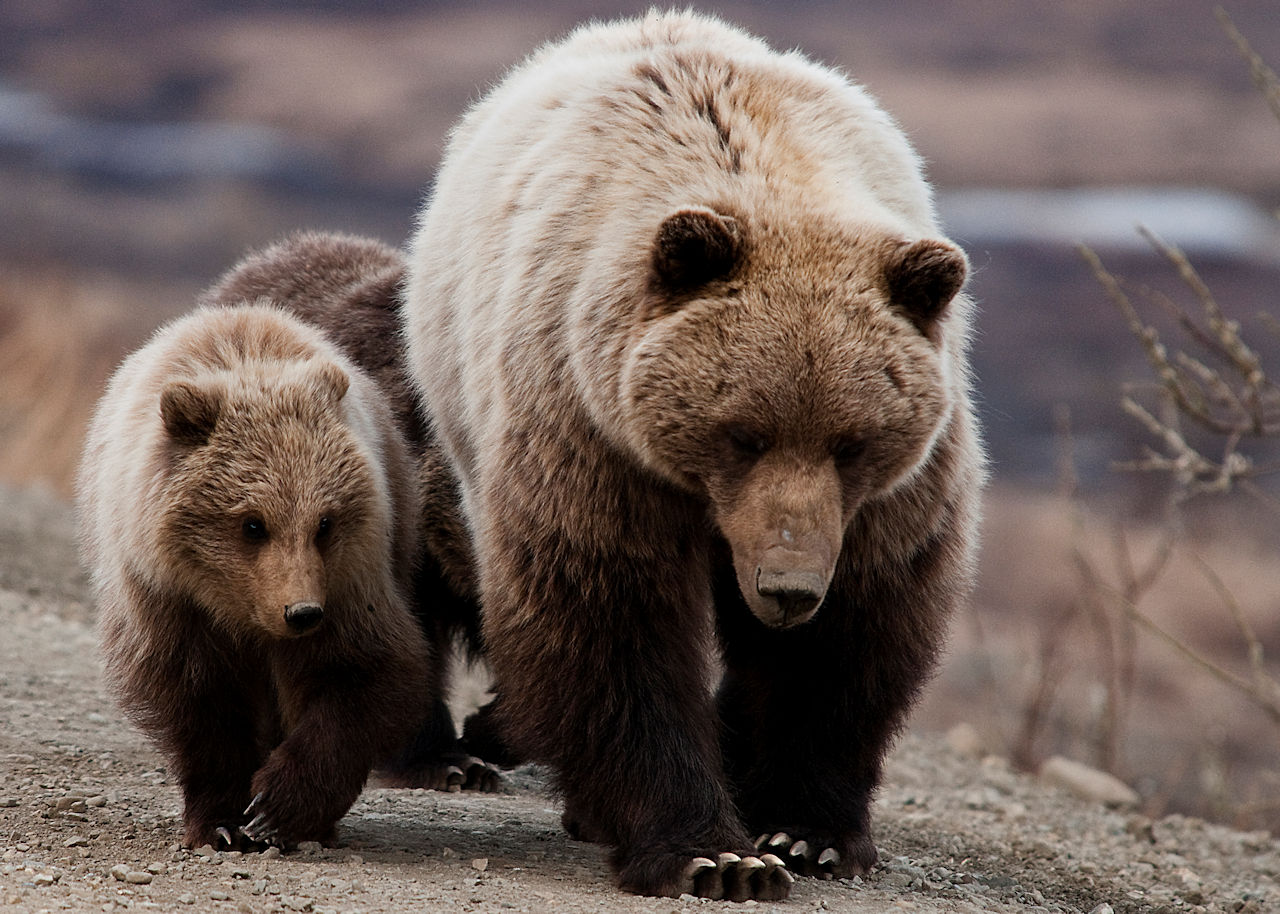
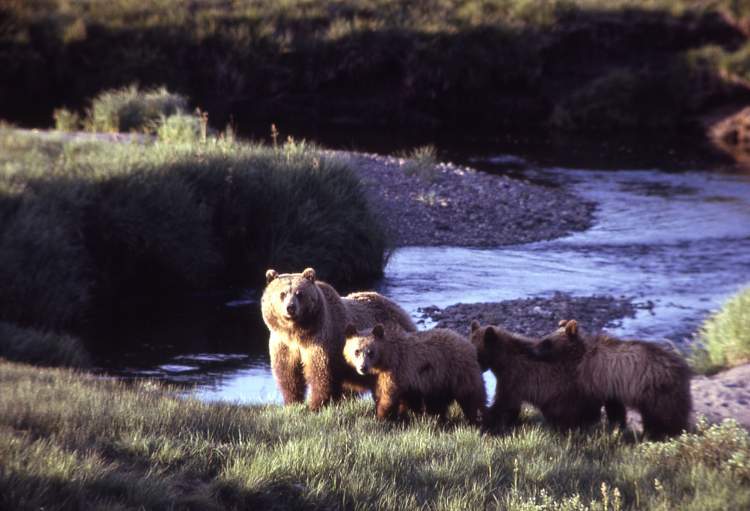
Grizzly bear sow with three cubs - NPS photo
Grizzly bear sow with three cubs – NPS photo

Here’s the official press release from Montana Fish, Wildlife and Parks regarding the relisting of grizzly bears in the Greater Yellowstone Ecosystem . . .

In the final step marking a remarkable recovery effort, the U.S. Fish and Wildlife Service announced Thursday that grizzly bears in the Greater Yellowstone Ecosystem will be removed from the Endangered Species List.

“The delisting demonstrates Montana’s long-standing commitment to the recovery of grizzly bears,” said Martha Williams, director of Montana Fish, Wildlife and Parks. “FWP takes its public trust responsibility seriously and we intend to follow through in sustaining grizzly bears in Montana as well as all other species that we manage.”

Grizzly bears were put on the Endangered Species List in 1975. At that point as few as 136 bears remained in the Greater Yellowstone Ecosystem (GYE). Today the population is estimated at more than 700.

Management of bears in Montana’s portion of the GYE will be guided by the interagency Conservation Strategy, which will ensure a recovered grizzly bear population and that FWP and the other states continue to meet the criteria in the recovery plan. This Conservation Strategy was approved by the Interagency Grizzly Bear Committee in December. The strategy along with the Southwest Montana Grizzly Management Plan and a Memorandum of Agreement between Idaho, Montana and Wyoming will ensure a healthy grizzly population is maintained in the GYE.

Also, the three states have agreed to manage bears conservatively and not down to a minimum number. The goal for state management is to maintain a healthy grizzly bear population in the GYE.

“The grizzly bear population in the GYE has met all the recovery goals and the necessary safeguards are in place. This is an amazing success story,” said Ken McDonald, FWP wildlife division administrator.

FWP remains committed to continue its monitoring of females with cubs, genetic variation, bear distribution and mortalities.

In addition, FWP staff will monitor and respond to instances of human-bear interaction, livestock conflicts and provide grizzly bear outreach and education.

Thursday’s announcement only applies to the GYE. Grizzlies in the rest of Montana, including the Northern Continental Divide Ecosystem, will remain on the Endangered Species List.


Also read: Lawsuits coming over plan to remove Yellowstone grizzles from endangered list (Missoulian)

Upper Missouri Breaks to retain monument status

Upper Missouri River Breaks National Monument in Montana - Bob Wicks/BLM
Upper Missouri River Breaks National Monument in Montana – Bob Wicks/BLM

It looks like the Upper Missouri Breaks National Monument is going to be safe from federal “review” . . .

Cutting off public campaigns by proponents and opponents, U.S. Interior Secretary Ryan Zinke said Tuesday he plans to recommend the Upper Missouri Breaks retain its status as a national monument, effectively taking it off the list of monuments nationwide that could lose their status.

“My likely recommendation will be to leave the Missouri Breaks as is,” Zinke said. “I think it’s settled to a degree that I would rather not open up a wound that has been healed.” Zinke made his remarks at a press conference following his appearance at the Western Governors’ Association meeting.

The announcement shocked people on both sides of the issue.

Read more . . .

Rally for national monuments held at Western Governors’ Association meeting

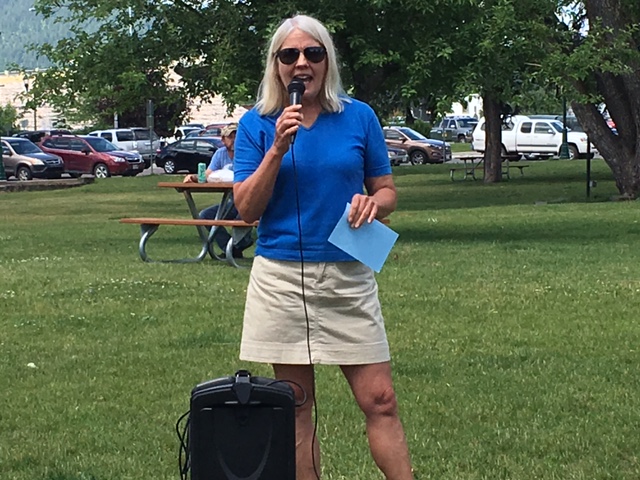
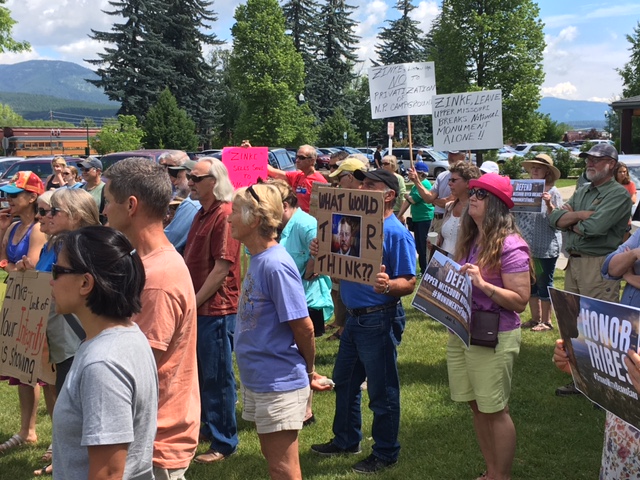
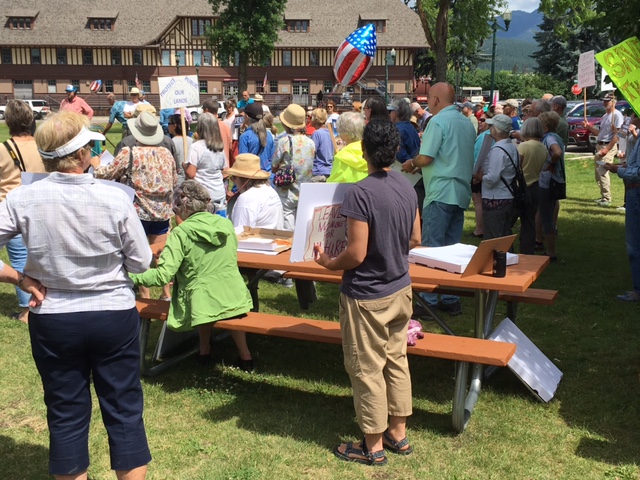
Last Tuesday, a number of North Fork Preservation Association members participated in a rally to support national monuments at the Western Governors’ Association meeting in Whitefish. NFPA President Debo Powers addressed the crowd.

The Daily Inter Lake did a pretty good job of covering the event.

Yellowstone grizzlies to be taken off Endangered Species List

Grizzly Bear - U.S. Fish and Wildlife Service-Terry Tollefsbol, NPS
Grizzly Bear – U.S. Fish and Wildlife Service-Terry Tollefsbol, NPS

The feds officially announced they are removing the Yellowstone ecosystem grizzlies from the Endangered Species List . . .

For the first time in more than four decades, the Yellowstone grizzly bear is set to lose its federal protections under the Endangered Species Act. Citing a rebound in the bear’s population, the U.S. Department of Interior announced its intention Thursday to end these protections and return oversight of the animal’s status to the state level.

The agency says the rule to remove the grizzly from the endangered species list will be published “in coming days” and “will take effect 30 days after publication.”

“This achievement stands as one of America’s great conservation successes; the culmination of decades of hard work and dedication on the part of the state, tribal, federal and private partners,” Interior Secretary Ryan Zinke said in a statement. “As a Montanan, I’m proud of what we’ve achieved together.”

Read more . . .

Also read . . .

Feds announce Yellowstone grizzly delisting (Hungry Horse News/AP)
Yellowstone grizzly bear to lose endangered species protection (NY Times)

Mountain lions fear humans, fleeing their voices

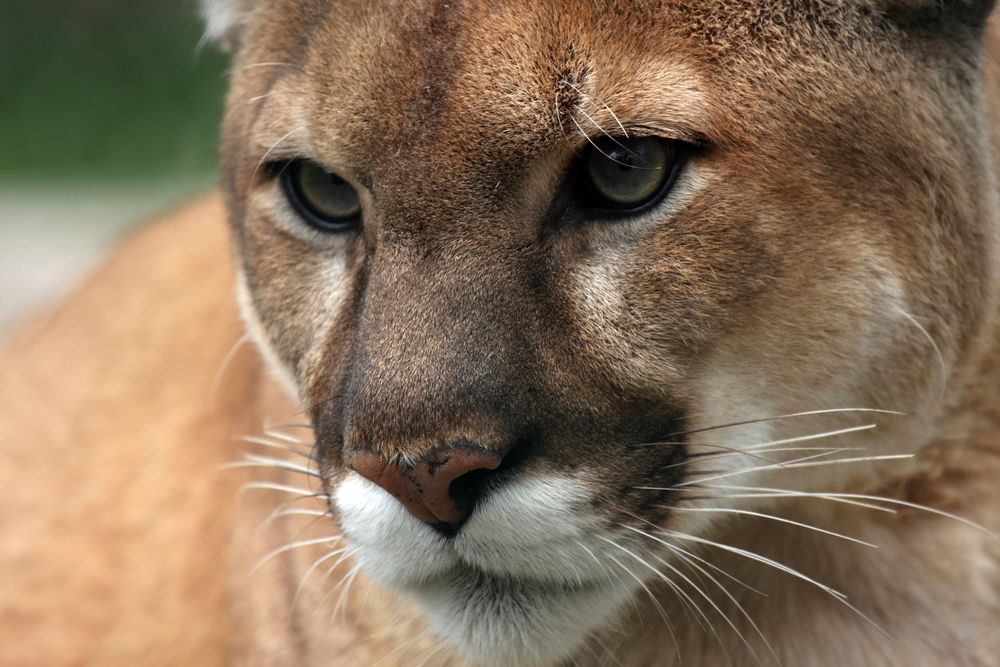
Mountain Lion (Cougar) - Montana FWP
Mountain Lion (Cougar) – Montana FWP

Here’s some interesting research on mountain lion-human interaction. Mountain lions, it seems, aren’t just elusive, they actively avoid contact with humans. It’s almost insulting . . .

“Fraidy cat” isn’t the way most people think of mountain lions, but when it comes to encounters with humans, perhaps they should.

New research into the behavior of these big cats indicates that they don’t like encountering humans any more than we like bumping into them on hiking trails. The findings are particularly valuable as human development encroaches on lion habitat and drives up the number of human-puma encounters.

“We exposed pumas in the Santa Cruz mountains to the sound of human voices to see if they would react with fear and flee, and the results were striking: They were definitely afraid of humans,” said Justine Smith, lead author of the paper “Fear of the human ‘super predator’ reduces feeding time in large carnivores,” published in the June 21 online edition of the Proceedings of the Royal Society B.

Read more . . .

Cautious optimism from wildfire experts in Northwest Montana

Lots of moisture as July approaches has wildfire experts cautiously optimistic . . .

Wildfire experts will rarely, if ever, venture a guess as to what the upcoming fire season holds until they’re in the middle of it.

But with Northwest Montana entering the first day of summer with a healthy reservoir of high-elevation snowpack and above-average spring rains, there’s cautious optimism that the fire season will at least be slow to start.

“Nothing’s super dry, and spring rains were good,” said Jim Flint, Fire Management Officer for the Flathead National Forest’s Spotted Bear Ranger District. “But if it doesn’t rain in the rest of June, July and August, we’ll have a fire season.”

Read more . . .

Grizzlies’ presence a looming issue on Rocky Mountain Front

Grizzly Bear Sow and cubs - NPS photo, Tim Rains
Grizzly Bear Sow and cubs – NPS photo, Tim Rains

Issues arise as grizzly bears spread out into their historic range in the high plains . . .

If and when they lose federal protection, grizzly bears on the Rocky Mountain Front face an uncertain future.

The questions puzzling members at the Interagency Grizzly Bear Committee’s summer meeting went far beyond whether to have a hunting season. Although grizzlies in the Northern Continental Divide Ecosystem remain two or three years away from potential removal from Endangered Species Act oversight, residents in and around Choteau made it clear the bears’ presence was already an issue.

“We’re having more and more issues with grizzlies moving into territory they haven’t occupied for quite some time,” Valier rancher Gene Curry said during a panel discussion on future bear management. “I grew up west of Browning, and grizzly bears never entered anyone’s mind. I used to be on my hands and knees crawling through brush to get to fishing holes. Now when my grandchildren go out to catch their horses in the morning, they have to think about grizzly bears. I had five of them in the yard one morning.”

Read more . . .

Mine effluent water treatment failure in B.C. raises more downstream concerns

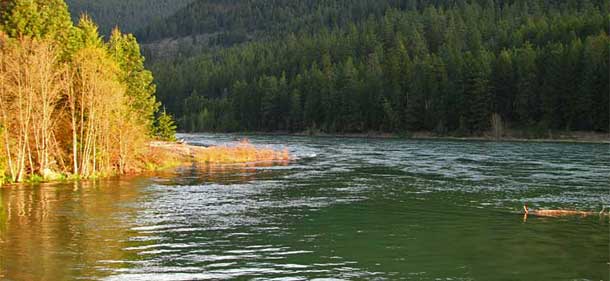
Kootenai River
Kootenai River

Yet another object lesson on why it is so important to protect the transboundary Flathead Watershed . . .

As British Columbia’s downstream neighbor, Montana has long been concerned about mining pollution spilling across the international border and into its world-class watersheds — fears that a growing body of research and evidence confirms are well founded.

Most recently, conservation groups and scientists on both sides of the border have renewed their calls for Teck Resources to halt new coal mines in the Elk River Valley, a step they say gained urgency when an experimental water treatment facility designed to stem the flow of a mining contaminant called selenium was taken offline because it was releasing an even more biologically toxic form of the heavy metal.

The trouble brewing in the Elk River is equally worrisome for Montana, where the upstream waterways of British Columbia flow into two shared bodies of water straddling the international boundary — Lake Koocanusa and the Kootenai River.

Read more . . .

Annual solstice hike on Wednesday, June 21

Cyclone Lookout
Cyclone Lookout

From Debo Powers . . .

The annual hike to Cyclone Lookout on the evening of the longest day has become a North Fork tradition. Hikers will meet at the junction of North Fork Road and Hay Creek Road at 7:30pm and carpool to the trailhead. This is a fun evening watching the sun set and returning to vehicles before dark.

Participants are asked to bring snacks, insect repellent, bear spray, and headlamps. The hike will be led by Janet and Dick Leigh.