Category Archives: News

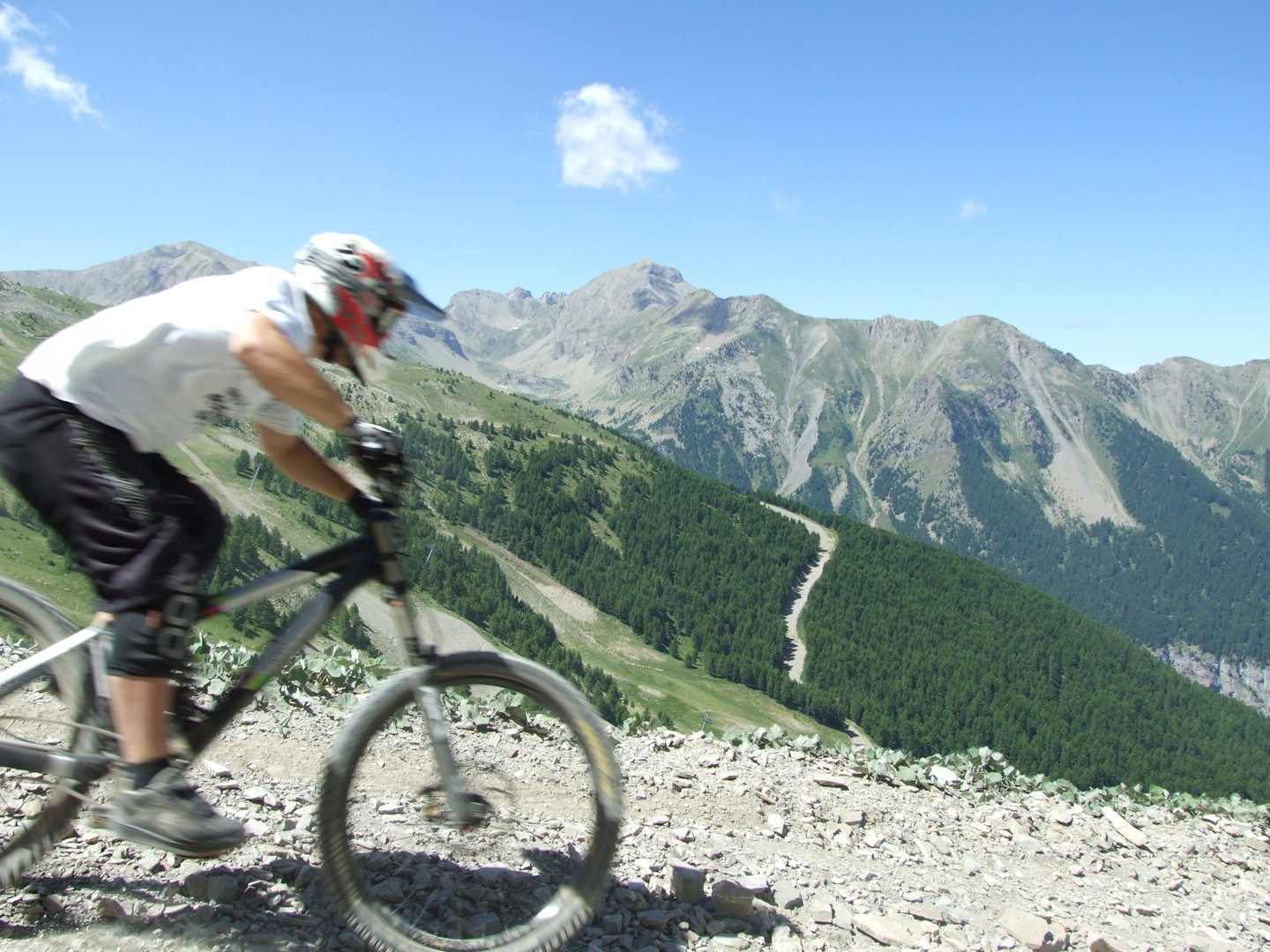
As Forest plan unfolds, a mountain bike-wilderness debate re-emerges

Mountain Biker by Mick Lissone

Here’s a pretty good article by Chris Peterson of the Hungry Horse News about bikes in wilderness — specifically, about allowing mountain bikes in a possible North Fork wilderness area . . .

As the Flathead National Forest puts the finishing touches on a final Forest plan, one issue is rising to the forefront: Should bicycle use be allowed in areas that are recommended wilderness?

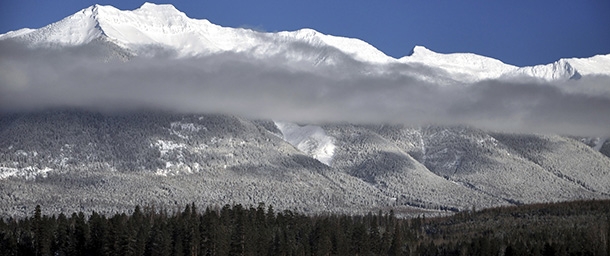
Central to the debate is proposed wilderness in the North Fork. Under alternative B in the draft plan, there’s about 80,000 acres of recommended wilderness in the plan in the upper end of the Whitefish Range north of Red Meadow Creek. Recommended wilderness is generally managed as wilderness, but under alternative B, the plan would allow continued mountain bike use in the region.

Read more . . .

Proposed bill could help fight weeds in wildlife areas

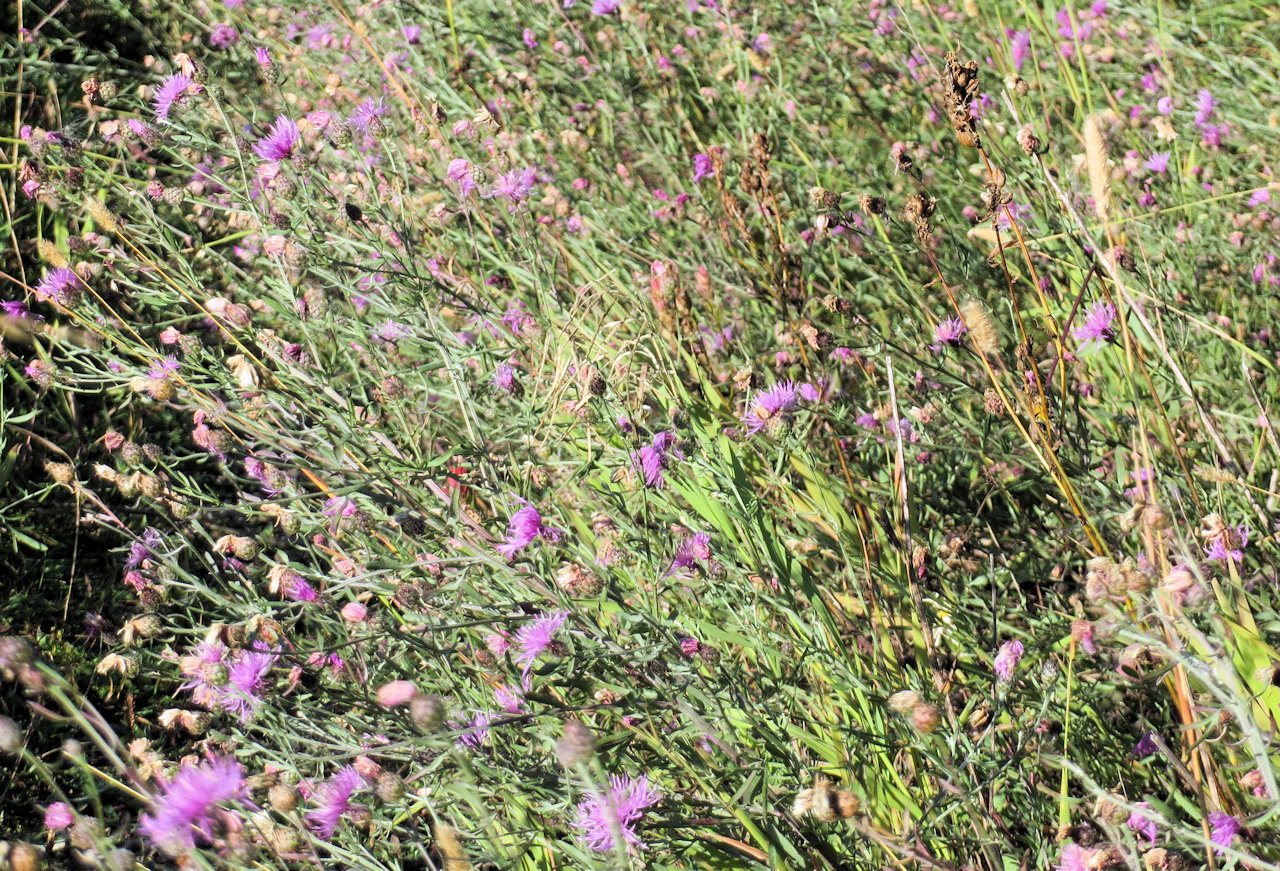
Spotted Knapweed along Pacific Northwest Trail in Flathead NF, Sep 13, 2014 - William K. Walker
Spotted Knapweed along Pacific Northwest Trail in Flathead NF, Sep 13, 2014 – William K. Walker

Here’s an interesting  and potentially helpful bill recently introduced in the Montana House of Representatives . . .

A bill that could pump more than $2 million annually into the fight against noxious weeds in wildlife habitat drew unanimous support from weed managers, wildlife managers and conservation and livestock groups Tuesday.

House Bill 434, known as the Montana Wildlife Habitat Improvement Act and brought by Rep. Kelly Flynn, R-Townsend, creates a new grant program and advisory council administered by Montana Fish, Wildlife and Parks. Under the act, the Legislature could appropriate up to $2 million to weed control from funding the state receives through the 1937 Pittman-Robertson Act, a federal excise tax on the sale of firearms and ammunition.

“What we see is a stealth problem really infringing on wildlife habitat,” Flynn, who has been outspoken about noxious weeds in his four terms as a legislator, told the House Fish, Wildlife and Parks Committee.

Read more . . .

Wilderness study areas stir lively debate in hearing

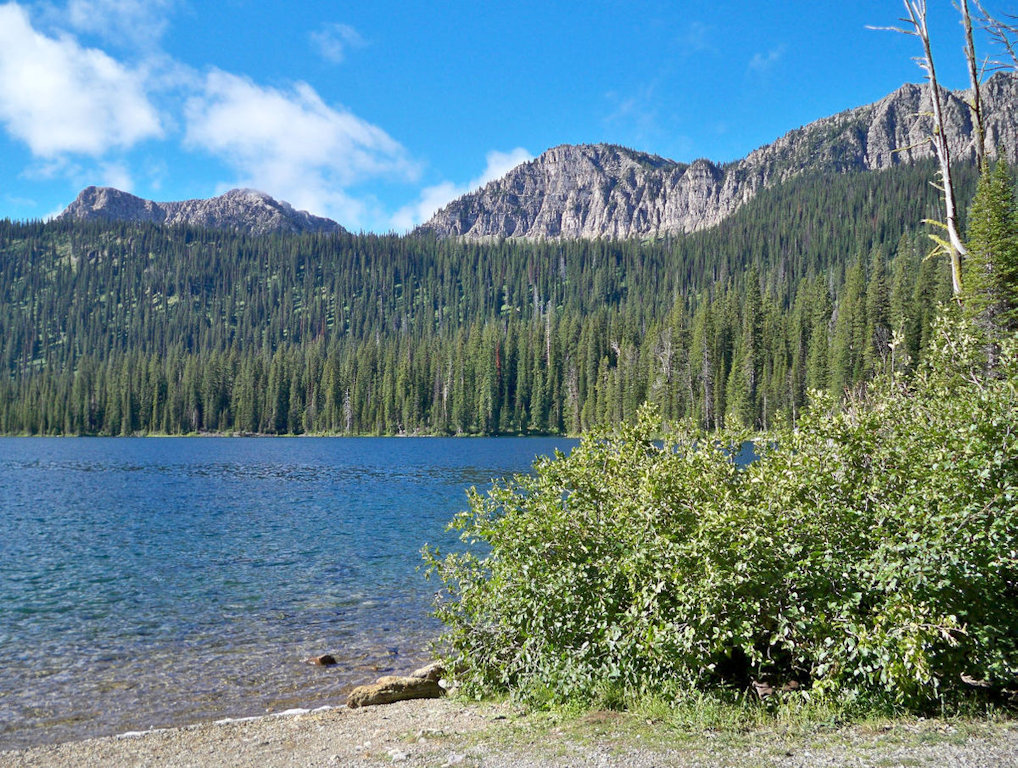
Big Therriault Lake - Kootenai National Forest
Big Therriault Lake – Kootenai National Forest

Rep. Kerry White’s House Joint Resolution 9 drew plenty of fire at a House Natural Resources Committee hearing last Monday . . .

Advocates for releasing Montana’s wilderness study areas to multiple use argued at a state legislative hearing that 40 years was long enough to wait for a decision.

But those in favor of wilderness protection pointed Monday to several errors in Rep. Kerry White’s House Joint Resolution 9, and claimed the lands had more value for outdoor recreation than timber harvest.

Read more . . .

Tester announces legislation to expand Bob Marshall Wilderness

Grizzly Basin - added to the Bob Marshall Wilderness Area under the Blackfoot Clearwater Stewardship Act - Zack Porter photo
Grizzly Basin – added to the Bob Marshall Wilderness Area under the Blackfoot Clearwater Stewardship Act – Zack Porter photo

All that work by the Blackfoot Clearwater Stewardship Project over the past decade is finally paying off . . .

U.S. Sen. Jon Tester on Wednesday announced legislation that would add 79,000 acres of public land to the Bob Marshall Wilderness Complex while expanding access to snowmobilers and mountain bikers and boosting forest restoration projects with timber harvest.

The Democratic senator introduced the Blackfoot Clearwater Stewardship Act in Seeley Lake at Rich’s Montana Guest Ranch, adjacent to the 1.5 million-acre wilderness area, surrounded by outfitters and wilderness advocates.

The act would expand the Bob Marshall Wilderness Area to include Grizzly Basin and the Swan Front, the Scapegoat Wilderness Area to include the North Fork of the Blackfoot and Monture Creek, and the Mission Mountains Wilderness Areas to include the West Fork of the Clearwater.

The Blackfoot Clearwater Stewardship Project, a coalition of loggers, ranchers, outfitters, recreationists and others that formed a decade ago to find collaborative solutions for public land uses in the Seeley Lake and Ovando area, crafted the proposal that became Tester’s legislation.

Read more . . .

Also read: Tester announces new wilderness bill for Blackfoot-Clearwater (Missoulian)

Final draft of Flathead National Forest Plan rolls out in June

Lake in Flathead National Forest

It’s getting close. The final draft of the Flathead National Forest Plan will be released in June. There are actually two pieces: the final draft of the forest plan, along with the final version of the associated Environmental Impact Statement (EIS), which includes guidance for grizzly bear management in coordination with neighboring national forests.

Here’s the official press release . . .

Flathead National Forest Plan Revision Status

Kalispell, MT-February 21, 2017 – The Flathead National Forest released the draft environmental impact statement (EIS) for the draft revised Land and Resource Management Plan (draft forest plan) in late May 2016. The draft EIS also includes the environmental consequences of the draft forest plan amendments to incorporate habitat-related management direction for grizzly bears for the Helena-Lewis and Clark, Kootenai, and Lolo National Forests.

The comment period ended on October 3, 2016 for the draft EIS, the draft revised forest plan and draft forest plan amendments. The120-day comment period resulted in over 33,000 comments. Comments help the Forest Service identify the range of issues to be addressed, and the significant concerns related to the draft forest plan, draft amendments, and draft EIS, and are assisting the interdisciplinary team in developing and recommending a preferred alternative.

The final EIS and draft record of decision is expected to be released in June 2017 and will be subject to a pre-decisional administrative review process; commonly referred to as the objection process. The Forest Service’s objection process provides an opportunity to have any unresolved concerns reviewed by the Forest Service prior to a final decision by the responsible official. Objections will be accepted only from those who have previously submitted substantive formal comments during an opportunity for public participation provided during the planning process, and attributed to the individual or entity providing them. Continue reading Final draft of Flathead National Forest Plan rolls out in June

No invasive mussels detected in Flathead Lake

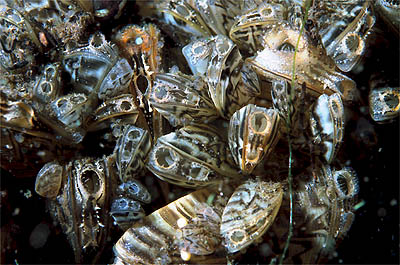
Zebra mussels
Zebra mussels – via Wikipedia

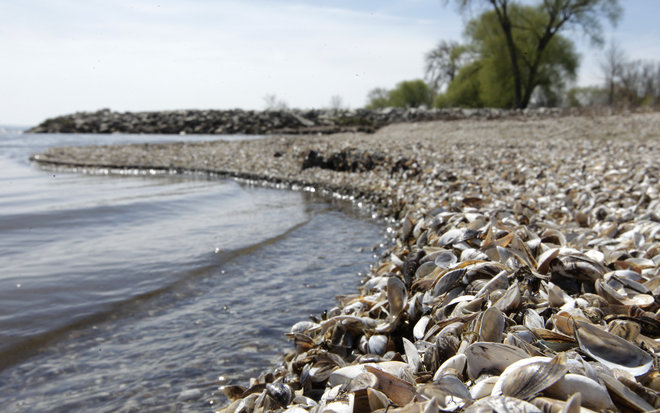
Evidence of invasive mussels at Tiber Reservoir last November triggered an extensive survey for Flathead Lake. So far, so good . . .

The Flathead Lake Biological Station reported that more than 130 water samples from 30 locations on the lake came back negative for invasive mussels, researchers said Friday.

Following the November 2016 announcement of the first detections of invasive zebra or quagga mussels, the Flathead Lake Biological Station, the Confederated Salish and Kootenai Tribes and the Flathead Lakers immediately collected and analyzed more than 130 environmental DNA (eDNA) samples from across Flathead Lake. The results for all of the samples did not identify any traces of the aquatic invaders, the research facility’s staff announced Feb. 17. However, lack of detection does not prove that the mussels have not arrived in the Flathead system, according to a news release from the station.

In addition to being analyzed at Professor Gordon Luikart’s Montana Conservation Genetics Lab on the University of Montana campus, the samples were also sent to an independent U.S. Geological Survey lab in Wisconsin with years of experience working on zebra and quagga mussels. The Wisconsin lab’s results are also all negative for mussels, confirming the results from Luikart’s lab, researchers stated.

Read more . . .

New study reveals more about Yellowstone cougars

Cougars in Yellowstone National Park - Dan Stahler, NPS
Cougars in Yellowstone National Park – Dan Stahler, NPS

Here’s a pretty interesting article about Yellowstone National Park’s cougar population . . .

Through DNA analysis of scat and hair, along with photographs and specially equipped GPS collars, researchers in Yellowstone National Park are acquiring new information about the Northern Region’s secretive cougars.

“Because cats aren’t seen or heard much, they’re kind of out of sight, out of mind,” said Dan Stahler, Cougar Project manager.

“We’re trying to change the dialogue and get the public to understand this is a multi-predator ecosystem,” he added. “There’s another top predator that also plays an important role here.”

Read more . . .

Montana FWP to add new bureau to fight aquatic invasive species

Mussel-fouled Propeller - NPS photo
Mussel-fouled Propeller – NPS photo

In response to last year’s detection of invasive mussel larvae, Montana Fish, Wildlife and Parks is adding a new bureau to fight aquatic invasive species.

(By the way, they are also looking for additional aquatic invasive species inspection and laboratory technicians for the upcoming season. Go here for details and interview dates.)

The official press release follows . . .

As part of the statewide effort to address the risks of invasive mussels, Montana Fish, Wildlife & Parks plans to create a new bureau to manage the prevention, detection and control of aquatic invasive species within state borders.

The Aquatic Invasive Species Bureau will be housed in FWP’s Fisheries Division, with plans to be operational beginning in March. The agency began a nationwide recruitment for a bureau supervisor this week.

“Aquatic invasive species pose an enormous risk to Montana’s waters, economy, and way of life,” said Eileen Ryce, FWP Fisheries Division Administrator. “The increasing scope and complexity of managing these threats requires a more comprehensive approach.”

Responsibilities of the Aquatic Invasive Species Bureau will encompass all aspects of AIS prevention, including early detection, rapid response, control, outreach and vector management.

In October 2016, Montana’s first-ever detection of invasive mussel larvae showed up in Tiber Reservoir – and “suspect” detections turned up in Canyon Ferry Reservoir, the Missouri River below Toston Dam, and the Milk River. The discovery triggered a natural resource emergency in Montana and led to several recommend strategies to manage the threat of invasive mussels spreading to other areas.

In January, Montana’s Joint Mussel Response Implementation Team leaders presented a series of recommendations to the Montana Legislature to address prevention, detection and control efforts, including the creation of an AIS management bureau within FWP. Other recommendations included additional mandatory Montana watercraft inspection stations; deployment of watercraft decontamination stations at Tiber and Canyon Ferry reservoirs; and doubling sample collection to more than 1,500 taken from more than 200 waterbodies, all of which will fall under the management of the new bureau chief.

The AIS bureau chief will be responsible for the rapid response to AIS detections, which will often require coordination among multiple agencies, partners, and stakeholders, while mobilizing and redirecting resources to address threats. The Incident Command System, used in Montana under Gov. Steve Bullock’s natural resource emergency executive order last November, will become a standardized approach to the command, control, and coordination of emergency responses for specific AIS detections in the future.

Information on the AIS bureau chief position is available online at: Bureau Chief – https://mtstatejobs.taleo.net/careersection/200/jobdetail.ftl?job=17140292. Applications are due Feb. 28.

The Joint Mussel Response Implementation Team includes staff members from FWP, DNRC and other agencies. It is tasked with carrying out recommendation to further minimize the risk of spreading mussels to other Montana waters.

All boaters and anglers are urged take year-round precautions and to Clean, Drain and Dry their equipment after each use. For more information visit musselresponse.mt.gov or Montana Mussel Response on Facebook.

Grizzly carcass-stealing doesn’t mean wolves kill more

In Yellowstone National Park, hungry wolves wait to access their elk kill as grizzly bears feast on the spoils - Daniel Stahler, NPS
In Yellowstone National Park, hungry wolves wait to access their elk kill as grizzly bears feast on the spoils – Daniel Stahler, NPS

Science is at its best when it produces unexpected results . . .

Research that compared Yellowstone National Park grizzly bear and wolf interactions with those same animals in Sweden has produced a surprising finding: brown bear presence in both ecosystems reduces the wolf kill rate.

“It’s a baffling finding,” said Doug Smith, Yellowstone’s wolf biologist. “To be honest, for 20 years I’ve been saying bears increase wolf kill rates because bears steal so many carcasses.”

That data from two very different ecosystems pointed to the same conclusion helped convince Yellowstone bear biologist Kerry Gunther that the research was “not just a fluke.”

Read more . . .

Behind the battle over public lands

Public lands rally at the Montana State Capitol on Jan. 30, 2017 - Greg Lindstrom, Flathead Beacon
Public lands rally at the Montana State Capitol on Jan. 30, 2017 – Greg Lindstrom, Flathead Beacon

Over at the Flathead Beacon, Tristan Scott has a lengthy, well-researched article on the public lands debate.

Recommended reading . . .

On Jan. 30, a lively crowd of more than 1,000 public land advocates packed the Capitol rotunda floor, lining the balconies of the statehouse in Helena while chanting, “Keep public lands in public hands,” and waving signs denouncing the sale of “Our American Heritage.”

Conrad Anker, the famous mountaineer who has summited Mount Everest three times and who lives in Bozeman, raised his chin and literally howled at the high-domed ceiling, invoking the wild heritage of Montana’s outdoors and calling on attendees to protect public land while holding their lawmakers accountable. “We do not inherit the earth from our ancestors; we borrow it from our children,” he said, paraphrasing Duwamish Chief Seattle.

Fly-fishing guide and Trout TV host Hilary Hutcheson, who grew up in Columbia Falls and is raising her daughters under the banner of Glacier National Park’s peak-studded boundary, said the quality of her family’s outdoor environment is critically linked to their livelihood.

Read more . . .