According to Debo Powers, who is working at the Baptiste Lookout right now, The North Fork Fire in the Glacier Rim area ‘was just called in “controlled and out.” IC leaving the area.’
One less blaze to worry about.
According to Debo Powers, who is working at the Baptiste Lookout right now, The North Fork Fire in the Glacier Rim area ‘was just called in “controlled and out.” IC leaving the area.’
One less blaze to worry about.
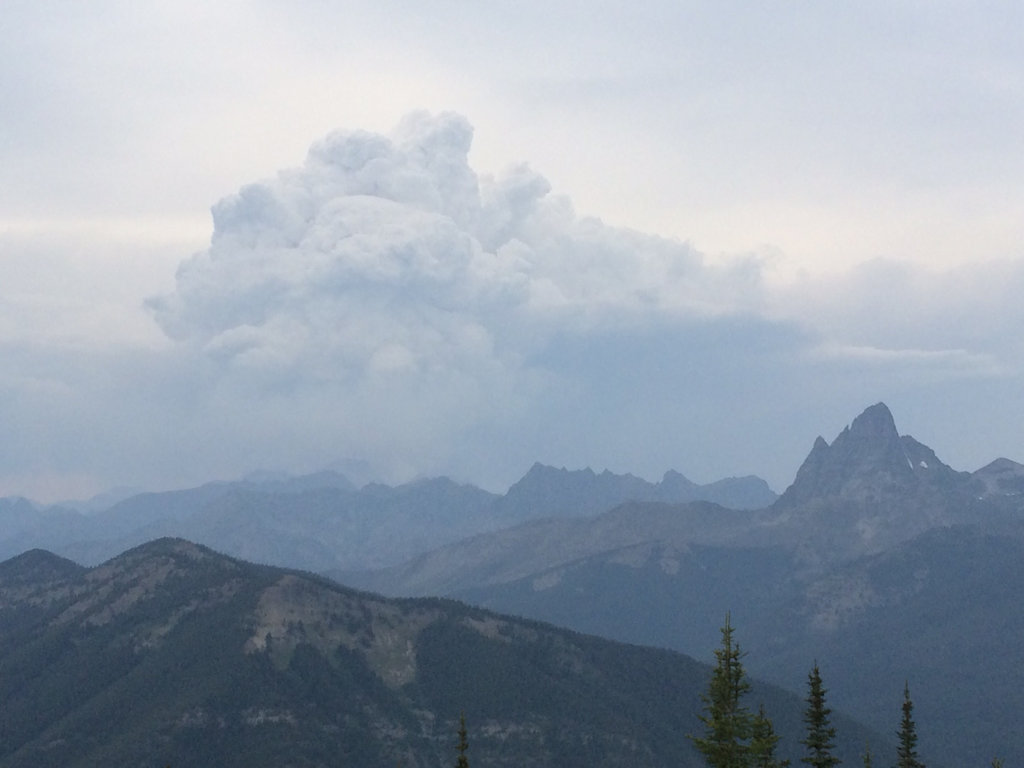
Here’s the latest InciWeb information on the Thompson Fire. It is now 1900 acres in extent; it was around 150-200 acres this morning . . .
The Thompson Fire was reported at approximately 1:30pm on Sunday August 9. It is burning in rugged terrain in the remote Nyack area of the park.
As of Monday evening, the fire is estimated to be 1,900 acres.
Aerial resources are being used on the Thompson Fire to attempt to control fire spread. Due to the remote, rugged terrain, ground resources are not being used at this time.
The majority of Glacier National park is unaffected by this wildfire. For more specific visitor information , please see official websites (http://www.nps.gov/glac, twitter.com/glaciernps, and flickr.com/photos/glaciernps). Additionally you can view park webcams at http://www.nps.gov/glac/learn/photosmultimedia/webcams.htm.
| Current as of | 8/10/2015, 6:59:42 PM |
|---|---|
| Incident Type | Wildfire |
| Cause | Under Investigation |
| Date of Origin | Sunday August 09th, 2015 approx. 01:30 PM |
| Incident Commander | Justin Kebar’s Type 3 Incident Management Team |
| Size | 1,900 Acres |
|---|---|
| Fuels Involved | Heavy Timber |
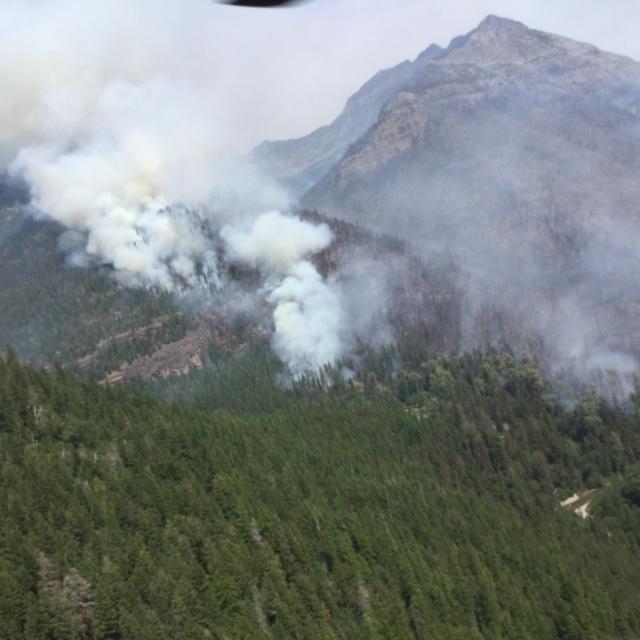
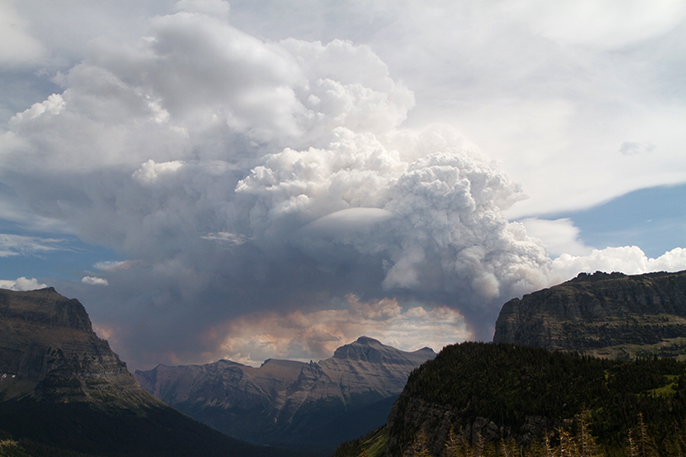
From the official press release . . .
A new wildland fire was reported on Sunday, August 9 around 1:30pm. The fire was reported from Glacier National Park’s Loneman Lookout. The Thompson fire, burning in the remote Nyack area of the park, is estimated to be 150-200 acres in size. The Upper Nyack Cabin is threatened by the fire.
A smoke plume from the Thompson Fire was visible from areas east of the continental divide yesterday.
Aerial resources are being used on the Thompson Fire to attempt to control fire spread. Due to the remote, rugged terrain, ground resources are not being used at this time to support aerial firefighting efforts.
The Thompson Fire has prompted closure of the Nyack and Coal Creek area, including trails and backcountry campsites and the section of trail from Nyack Creek to Cutbank Pass. For updated information on trail status, visit http://www.nps.gov/glac/planyourvisit/trailstatusreports.htm
A Type III Interagency Incident Command Team is working with Glacier National Park to respond to the fire, with personnel from the Flathead National Forest, the Montana Department of Natural Resources and Conservation, and National Park Service resources.
Also read . . .
Fire burns in heavy timber in remote part of Glacier (Daily Inter Lake)
New Fire in Remote Part of Glacier National Park Closes Backcountry Sites (Flathead Beacon)
The Kalispell Interagency Dispatch Center logged a small (1/4 acre) wildfire at 8:45 this morning at the Glacier Rim river access area. The log entry indicates two helicopters and two engines were dispatched to deal with it. I saw no evidence of smoke and no equipment on-site when I passed through the area just after 9:00 am.
UPDATE: The fire is now listed at 1/10 acre with an engine on the scene.
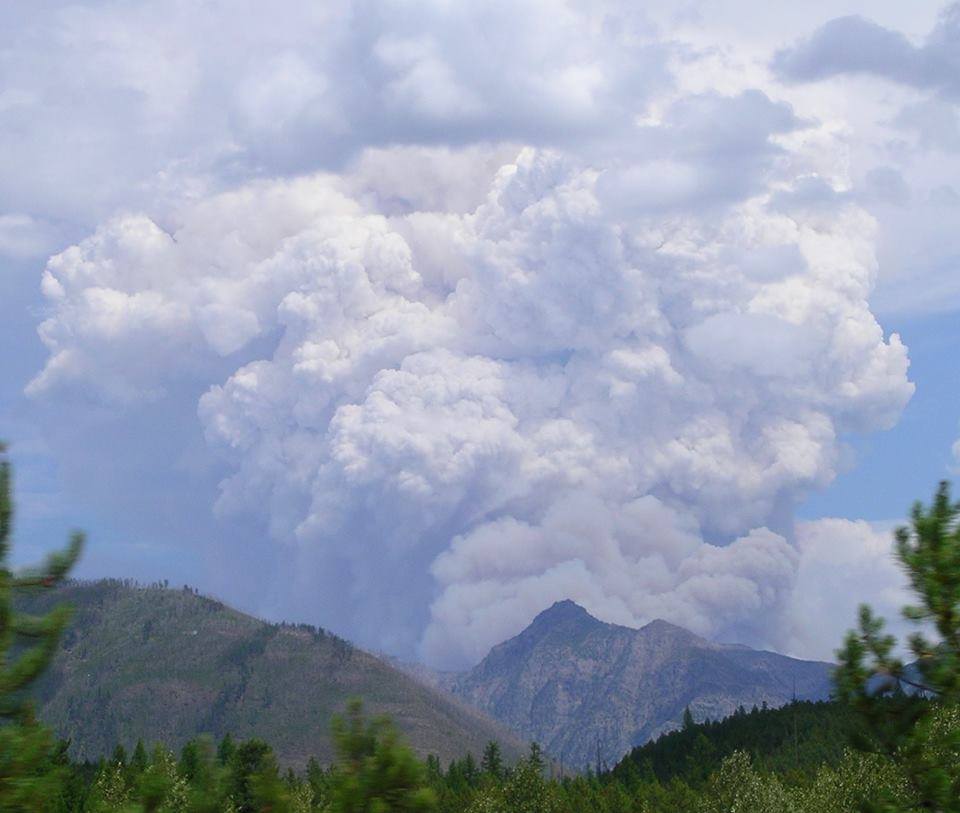
Chris Peterson of the Hungry Horse News gets the prize for best coverage of the Thompson Fire this morning . . .
A wildfire fire in the southern backcountry of Glacier National Park put up an impressive plume Sunday, forcing the closure of several backcountry campgrounds in the potential path of the blaze.
The Thompson Creek Fire was roughly 500 acres and is burning west of the Upper Nyack Creek campground. Thompson Creek is about 14 miles north of U.S. Highway 2 one of the most remote areas of Glacier. The fire currently does not threaten any roads, but at least two hikers were airlifted safely from the blaze.
But fire has the potential at burn into the Cut Bank Pass area. Temperatures are expected to be in the 90s for the next few days with gusty winds as thunderstorms roll through.
Also note that there is now an InciWeb entry for the Thompson Fire at http://inciweb.nwcg.gov/incident/4468/
An evening update on Glacier Park’s Thompson Fire . . .
A wildfire reported in the Thompson Creek drainage area in Glacier National Park had grown to an estimated 200 acres by 8 p.m. Sunday.
The fire is located about a mile southeast of Mount Thompson and about eight miles north up Nyack Creek from U.S. 2. A Type 3 team was ordered for the fire.
Ema Braunberger, public affairs officer for the Flathead National Forest, said a helicopter was on the scene and other heavy helicopters were en route.
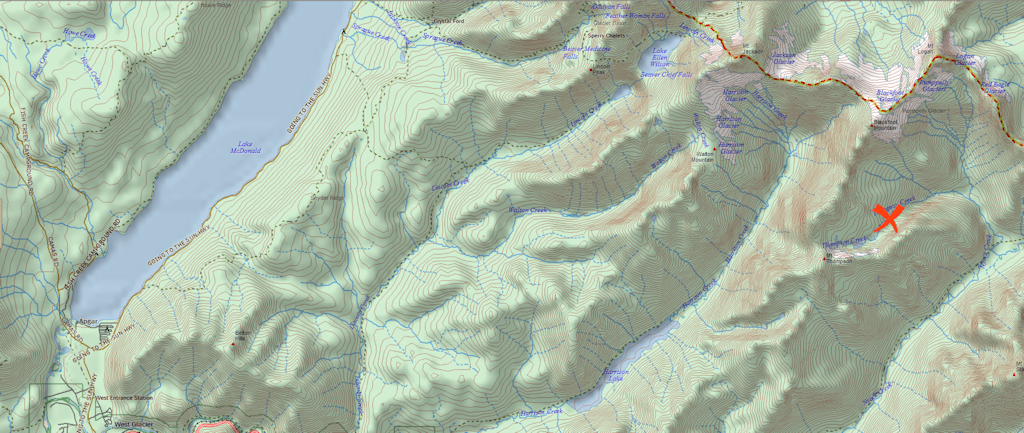
A new blaze, the Thompson Fire, was reported in Glacier Park a little before 2:00 pm this afternoon. According to the Kalispell Interagency Dispatch Center entry, it is around 200 acres (estimates vary wildly) and two helicopters are already working on-site. A type 3 team has been called in.
The fire is located in Glacier Park’s Thompson Creek drainage, below Mount Thompson and about 12 miles east of Lake McDonald. Thompson Creek is a tributary of Nyack Creek.
Grizzly bear recovery in the Cabinet-Yaak region is proceeding slowly . . .
Despite the robust recovery of grizzly bears in the forested mountains of Glacier National Park, the Bob Marshall Wilderness Complex and the surrounding landscape, the great bear’s future across the region remains far from certain.
The recovery zone spanning the Cabinet Mountains Wilderness, Yaak River basin and areas in between— about one quarter of the size of the Northern Continental Divide Ecosystem — has about one 20th of the grizzly population, growing at about half the rate.
The Cabinet-Yaak grizzly bear population contained 45 bears in 2012 when the U.S. Fish and Wildlife Service last conducted a population estimate. Wayne Kasworm, a grizzly bear biologist for the agency, estimates that population at about 50 today, half of the 100-bear recovery target identified after the population’s 1975 listing as “threatened” under the federal Endangered Species Act.
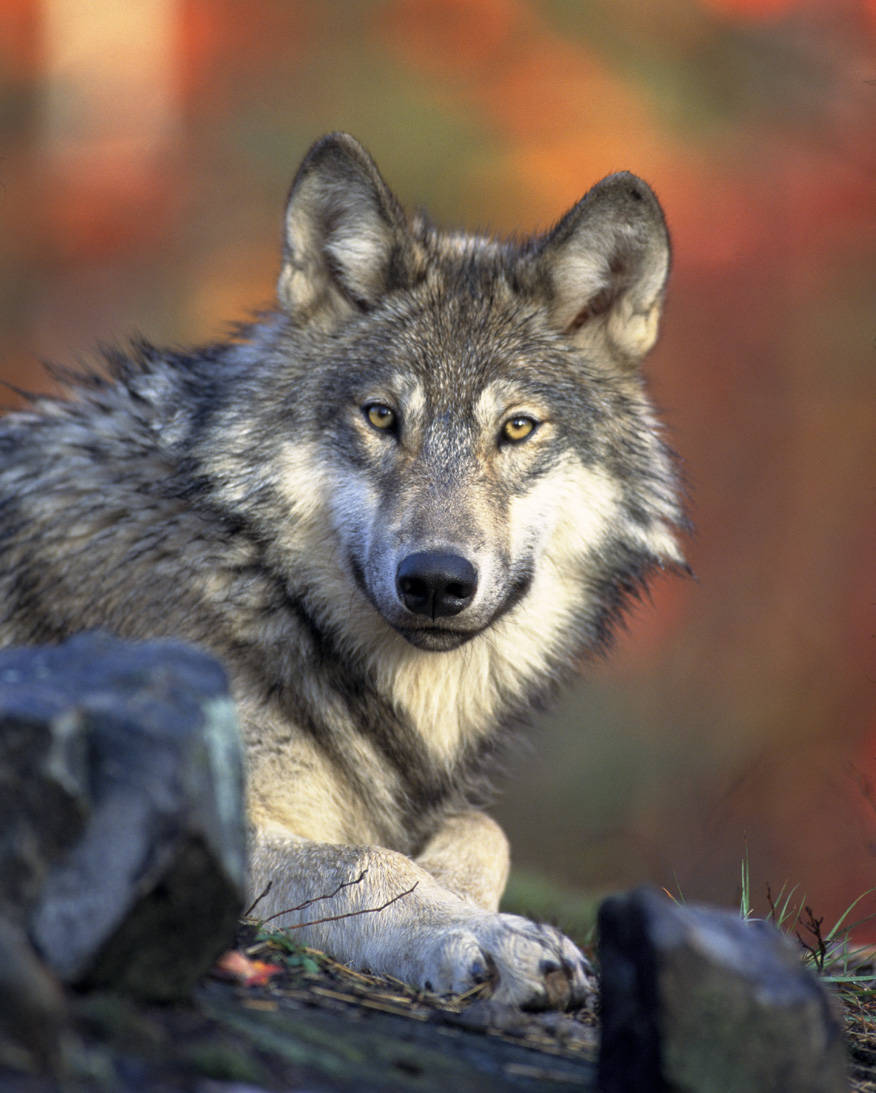
Remember “OR7,” the Oregon-based wolf that created a stir when it wandered into Northern California about three years ago? It looks like he has fathered at least two pups . . .
Trail camera photos confirm that Oregon’s famous wandering wolf, OR-7, has fathered at least two new pups.
U.S. Fish and Wildlife Service biologist John Stephenson said Thursday that brings to seven the number of wolves in the Rogue pack, which lives on the Rogue River-Siskiyou National Forest in the Cascades of southwestern Oregon. That includes three pups from last year.
Biologists had confirmed the second set of pups last July, but didn’t know how many.
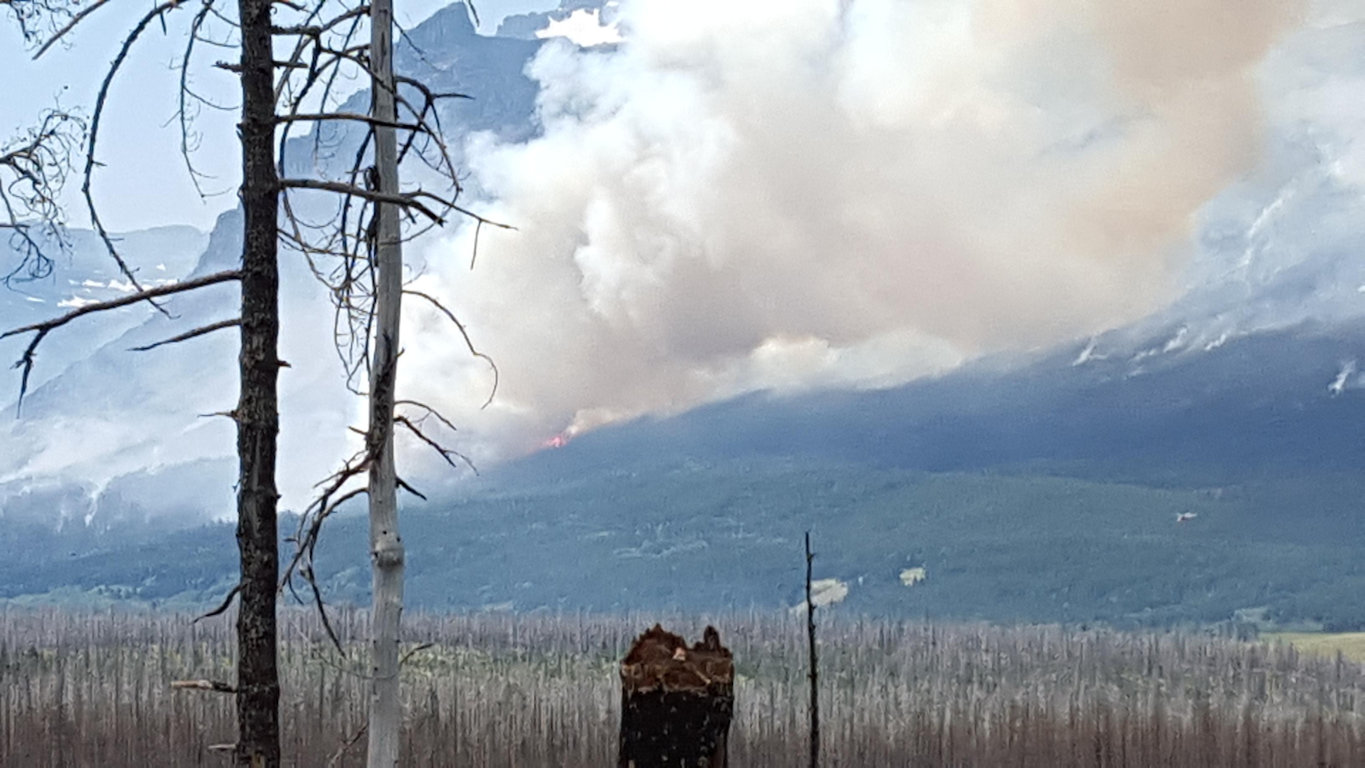
With the Reynolds Creek Fire under control, the whole of Going-to-the-Sun Road is open again. Sort of . . .
It’s open.
Without fanfare, traffic on all 50 miles of Going-to-the-Sun Road in Glacier National Park resumed at 9 a.m. Friday.
The road, closed for 2 1/2 weeks because of the Reynolds Creek fire, will be open on the east side from 9 a.m. to 7 p.m. daily.
Visitors will now be able to see for themselves the results of the human-caused, 4,311-acre fire, which remains active in the area.