All posts by nfpa

Improving safety for drivers, wildlife on the road ahead

Good op-ed in the Bozeman Daily Chronicle about efforts to establish wildlife crossings along Hwy 89, which bisects Paradise Valley and is the north entrance to Yellowstone National Park…

It is not uncommon to hear Montanans refer to driving certain wildlife-dense sections of highway as “running the gauntlet.” Those of us who have hit wildlife remember the incident each time we pass the location — our stomachs in our throats and our heads on a swivel.

According to a 2017 report, there is a one in 57 probability of hitting a deer on Montana highways. We rank second in the U.S. for reported deer-vehicle collisions, and damage from wildlife collisions costs Montanans $212 million a year. Nationally, the annual cost of wildlife collisions is $8 billion. This includes costs associated with human injuries and fatalities, vehicle repairs, towing, lost hunting value, and more. As more Americans move into rural and suburban areas, and wildlife populations expand, collisions and their associated costs will only increase.

Beyond putting people, property, and individual animals at risk, roads also inhibit wildlife movement. They fragment habitat, isolate populations, and disrupt migrations.

Fortunately, there are solutions. Research shows when crossing structures and appropriate fencing are built in areas frequented by wildlife it reduces wildlife-vehicle collisions by up to 97%. Wildlife crossings work. These projects are expensive, so in 2021 the Bipartisan Infrastructure Law allocated $350 million over five years to fund wildlife crossings. In December, the Federal Highway Administration announced the first round of grant recipients. Two Montana projects were among the 19 selected — one submitted by the Montana Department of Transportation and the other by the Confederated Salish and Kootenai Tribes.

Continue reading . . .

Survey reports growing tolerance for wolves in Montana

Gray Wolf - Adam Messer-Montana FWP
Gray Wolf – Adam Messer-Montana FWP

Folks in Montana seem to be growing more tolerant of wolves . . .

\As wolves gain prominence in the northern Rockies and management policies evolve to keep the populations in check, researchers are tracking the shifting social dynamics surrounding Montanans’ complex attitudes toward a species that is both reviled and revered.

According to a new survey conducted cooperatively by Montana Fish, Wildlife and Parks (FWP) and the University of Montana, attitudes and beliefs about wolves and wolf management have generally grown more tolerant. Distributed three times – in 2012, 2017 and 2023 – the survey is aimed at providing insights to wildlife managers and officials tasked with making decisions on wolf management.

“We know people have complicated views and values on wolves, which is reflected in the results of the survey and the trends we see,” Quentin Kujala, FWP chief of conservation policy, stated in a press release announcing the latest survey’s findings. “It’s important for us and our partners at the University to continue research like this because how stakeholders feel about wildlife and its management is a critical awareness for FWP to have.”

Continue reading . . .

Court limits wolf trapping season over threat to grizzlies

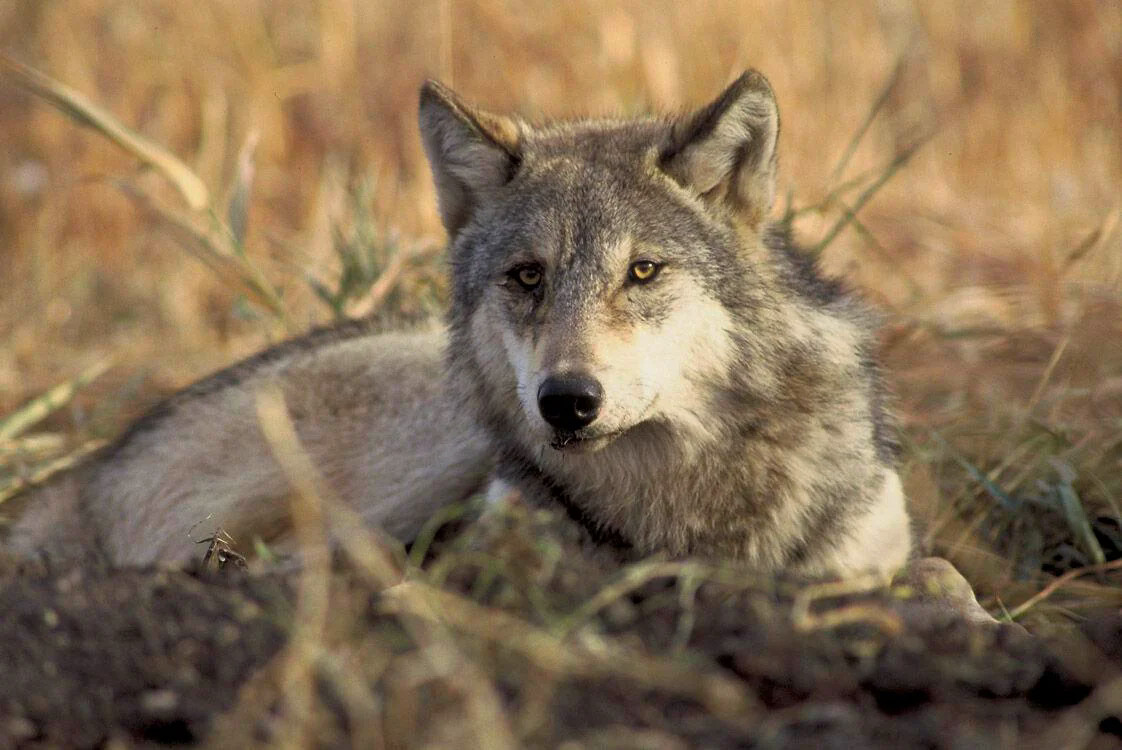
Gray wolf - John and Karen Hollingsworth, U.S. Fish and Wildlife Service
Gray wolf – John and Karen Hollingsworth, U.S. Fish and Wildlife Service

Wolf trapping in Montana got curtailed in those areas with grizzly bear populations . . .

A federal judge in Missoula issued an order late Tuesday afternoon that will limit Montana’s wolf trapping season to Jan. 1 to Feb. 15 next year in hunting Regions 1 through 5 and three counties along the north-central border, citing the possibility that threatened grizzly bears get caught in wolf traps or snares.

U.S. District Court Judge Donald Molloy’s order granting a preliminary injunction in the case came less than 30 hours after he heard arguments from the plaintiffs – the Flathead-Lolo-Bitterroot Citizens Task Force and WildEarth Guardians – and the state over whether he should grant the injunction. The State of Montana, Gov. Greg Gianforte, and Fish and Wildlife Commission Chair Lesley Robinson are the named defendants in the suit.

In his order, he sided with the plaintiffs on most of the points raised at Monday’s hourlong hearing, saying the traps could indeed injure a grizzly, that any capture of a grizzly is considered an illegal “take” under the Endangered Species Act, and that limiting the wolf trapping season to those six weeks would also limit the potential for any grizzlies to be caught in traps.

Continue reading . . .

Feds draft plan to bring grizzlies back to the North Cascades

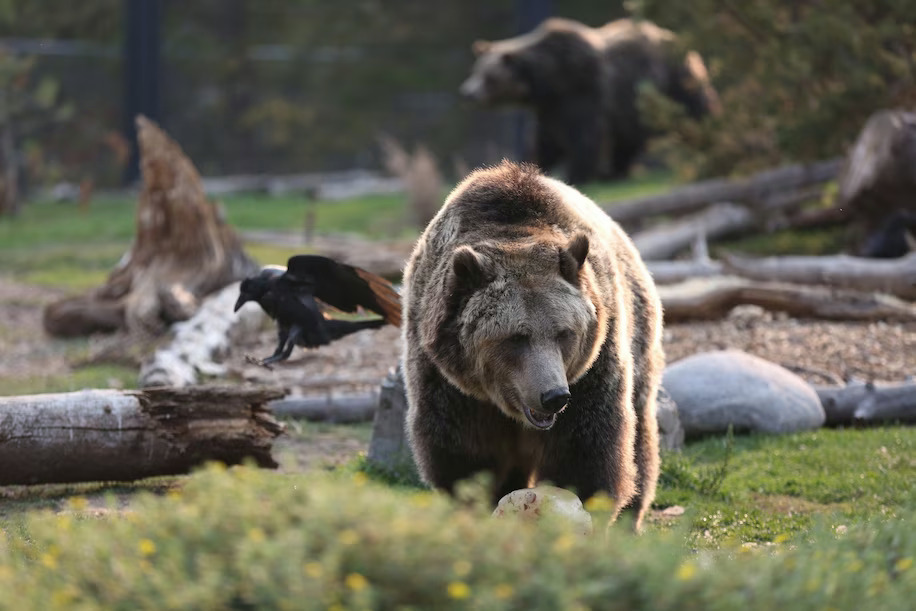
A grizzly bear at the Grizzly and Wolf Discovery Center outside Yellowstone National Park in West Yellowstone, MT, in 2017 - Whitney Shefte, The Washington Post
A grizzly bear at the Grizzly and Wolf Discovery Center outside Yellowstone National Park in West Yellowstone, MT, in 2017 – Whitney Shefte, The Washington Post

Here’s a good update on the status of grizzly bear reintroduction in the North Cascades. (Kudos to Randy Kenyon for passing this one along.)

The federal government has drafted plans to bring grizzly bears back to Washington state’s North Cascades, the next step toward reintroducing the threatened species to a region where it was eliminated by hunters decades ago.

Grizzlies once played a key role in north-central Washington’s vast expanse of forest, mountains and valleys. Now the North Cascades is one of the last places left in the Lower 48 states where grizzly bears would be able to thrive — and U.S. agencies are evaluating whether to start a population there that could grow to 200 bears within a century.

Bringing them back would be the culmination of a decades-long effort to restore grizzly bears to the ecosystem, one of six spots in the country where federal biologists have aimed to recover decimated populations.

Continue reading . . .

mastodon test

Grizzlies are coming to town. Can the west live with them?

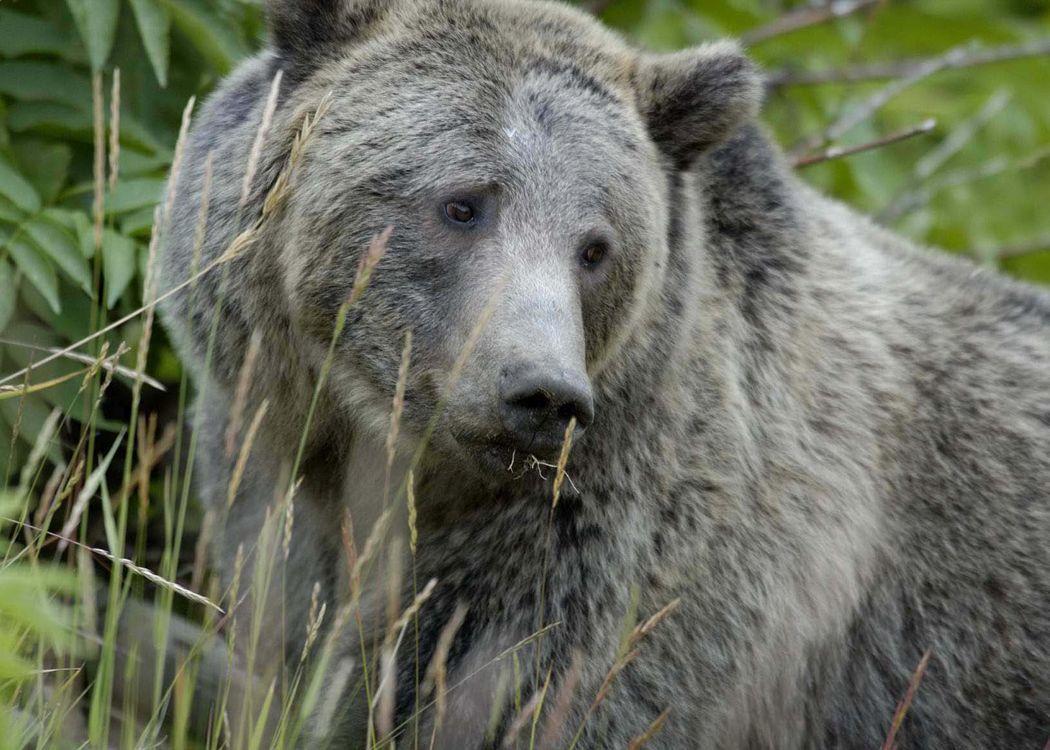
A female grizzly bear chews grass in Yellowstone National Park - NPS
A female grizzly bear chews grass in Yellowstone National Park – NPS

Here’s an excellent article from the New York Times discussing human-bear conflict, especially in Montana. The Bear Smart program gets a nod and you’ll also see some familiar names . . .

Aries, an Anatolian shepherd, warily watches a stranger approach a pen where he and other members of his family — including eight fuzzy, 2-month-old puppies — roam alongside a grunting pig and several bleating goats.

Livestock guard dogs like Aries are in demand in Montana these days, an important tool as the state deals with an increasing number of grizzly bears.

Anatolians — large, muscular dogs that originated in Turkey and were bred by shepherds — are extremely loyal and highly protective of those in their care, even against top predators.

“We have gray wolves, grizzly and black bears here,” said Natalie Thurman, owner of Apex Anatolians, whose pups go for $3,300 each. “We just had a grizzly bear in the creek a hundred yards from here.”

Continue reading . . .

DEQ asking for input, holding listening sessions on updating Montana Environmental Policy Act

Kudos to Debo Powers fpr spotting this one.

Her comments: DEQ is holding “listening sessions” around the state to find out how citizens think that MEPA (Montana Environmental Policy Act) should be revised as a result of a district judge’s ruling in Held v State of Montana.  This ground-breaking ruling held that greenhouse gas emissions (which cause climate change) violate our right to a “clean and healthful environment.”

60 people attended the first listening session in Billings this week and every speaker (except 1) wanted MEPA to be strengthened to protect our environment and deal with greenhouse gas emissions. At least two more listening sessions will be held this month in Helena and Missoula.

Read more at the Daily Montanan . . .

Waterton-Glacier International Peace Park announces 20th annual Science and History Week

This looks pretty interesting. From the press release . . .

Waterton-Glacier International Peace Park is hosting its Annual Science and History Week through a live webinar series offered October 3 to 6 at noon MDT on the Microsoft Teams webinar platform. Parks Canada and the US National Park Service have hosted an annual Science and History event together since 2004.

Participants from around the world will have the opportunity to connect with scientists and subject matter experts as they highlight current natural and cultural research related to Waterton-Glacier International Peace Park and World Heritage Site. Each presentation will give a unique look at our partnerships, insights, and latest findings.

Please join us to learn more about the exciting research initiatives in the world’s first International Peace Park. Participants can register by filling out the online registration forms on the Crown of the Continent Research Learning Center website.

This year’s presenters and topics: Continue reading Waterton-Glacier International Peace Park announces 20th annual Science and History Week

MTFP: Will Biden and Trudeau find a framework to rein in transboundary coal-mining pollution?

Lake Koocanusa - Ryan Fosness (Idaho Water Science Center)
Lake Koocanusa – Ryan Fosness (Idaho Water Science Center)

Kudos to Rachel Potter for spotting this excellent, comprehensive article . . .

With the timer running out on a self-imposed deadline for Canada and the United States to “reduce and mitigate” mining-related pollution in the Kootenai River watershed, environmentalists and tribal governments are wondering if threatened fisheries in British Columbia, Montana and Idaho are any closer to stronger protections.

At issue is Teck Coal’s mountaintop removal coal-mining operation in Canada, which has introduced selenium pollution into Lake Koocanusa and its tributaries. A 92-mile-long reservoir that straddles the U.S.-Canada border, Lake Koocanusa is protected under the Boundary Waters Treaty of 1909, which holds that “waters flowing across the boundary shall not be polluted on either side to the injury of health or property on the other.” Selenium, a chemical element that can hamper reproductive success in fish and lead to spinal, facial and gill deformities, has exceeded federal limits in burbot and mountain whitefish as far downstream as Bonners Ferry, Idaho, and is thought to have contributed to a 50% decline of mountain whitefish observed in Libby.

In a joint statement issued this March, President Joe Biden and Prime Minister Justin Trudeau pledged to “reach an agreement in principle by this summer” to address transboundary pollution concerns — and to work “in partnership with Tribal National and Indigenous Peoples” in that effort.

But the Confederated Salish and Kootenai Tribes, along with other Native American and First Nations governments of the Ktunaxa Nation, say their attempt to participate in those conversations has been met with silence from the Canadian government…

Continue reading . . .

Final oil & gas lease to be relinquished in Montana’s Badger-Two Medicine region

Badger-Two Medicine Region

Finally! Solonex has given up the remaining oil and gas lease in the Badger-Two Medicine region.

From the official USDA press release . . .

WASHINGTON – The Departments of Agriculture and the Interior today announced that, as part of a settlement with the sole remaining lessee, the final federal oil and gas lease in the Badger-Two Medicine area will be relinquished. This significant milestone, decades in the making, will help ensure that the natural and cultural resources on the ancestral homelands of the Blackfeet Nation are protected.

“The Badger-Two Medicine area is a place of profound cultural and spiritual importance to the people of the Blackfeet Nation,” said Agriculture Secretary Tom Vilsack. “Today’s action will protect this land for this generation and generations to come, and serves as a marker of the Biden-Harris Administration’s commitment to protecting treasured pieces of our national heritage like the Badger-Two Medicine area.”

“The Badger-Two Medicine area continues to have cultural and religious significance to the Blackfeet Nation, which has stewarded that land since time immemorial. Oil and gas development would have had irreparable impacts on these sacred homelands. Today’s action closes the chapter on development threats to this special place and recognizes the importance of protecting these lands for future generations,” said Secretary of the Interior Deb Haaland. “The Biden-Harris administration is committed to working with Tribes to protect Indigenous homelands and ensure the preservation of their natural and cultural resources.”

The Badger-Two Medicine area encompasses approximately 130,000 pristine acres in Lewis and Clark National Forest, adjacent to Glacier National Park, two wilderness areas, and the Blackfeet Indian Reservation. Badger-Two Medicine was once a part of the Reservation. Although it was ceded in 1896, the Badger-Two Medicine area continues to have cultural and religious significance to the Blackfeet Nation, which has consistently raised concerns about development in the area.


Background

The Department of the Interior’s Bureau of Land Management issued 47 federal oil and gas leases in the Badger-Two Medicine area in 1982, but an environmental impact statement was never prepared prior to the issuance of an application for permit to drill. This led to several years of litigation – and the cancellation of the lease in 2016 by then-Secretary Sally Jewell, followed by further litigation – during which time the lease remained suspended.

Congress permanently withdrew the entire area from oil and gas leasing, subject to valid existing rights, in 2006, providing tax incentives for existing lessees who voluntarily relinquished their leases. One remaining lessee did not voluntarily relinquish its lease until today’s settlement agreement.

In 2002, a portion of the Badger-Two Medicine area was established as a Traditional Cultural District, and in 2014, based on additional documentation provided by the Department of Agriculture’s U.S. Forest Service, that area was expanded to encompass approximately 165,000 acres, including the lands covered by the leases.