Trump administration wants to ease drilling restrictions protecting sage grouse

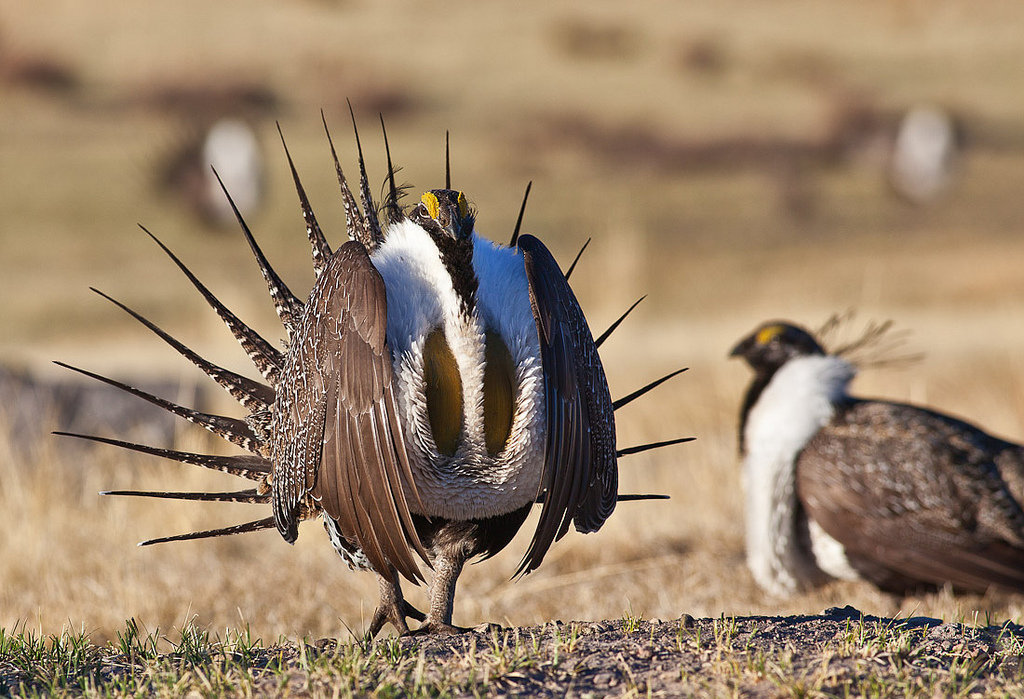
Sage Grouse - BLM photo
Sage Grouse – BLM photo

Uh, oh. The Trump administration is proposing the relaxation of drilling restrictions intended to protect sage grouse populations and keep the bird from landing on the Endangered Species List . . .

The Trump administration moved forward Thursday with plans to ease restrictions on oil and natural gas drilling and other activities across millions of acres in the American West that were put in place to protect an imperiled bird species.

Land management documents released by the U.S. Interior Department show the administration intends to open more public lands to leasing and allow waivers for drilling to encroach into the habitat of greater sage grouse.

Critics warned the changes could wipe out grouse colonies as drilling disrupts breeding grounds. Federal officials under President Barack Obama in 2015 had adopted a sweeping set of land use restrictions intended to benefit the birds.

Read more . . .

Feds ponder plans after grizzly delisting setback

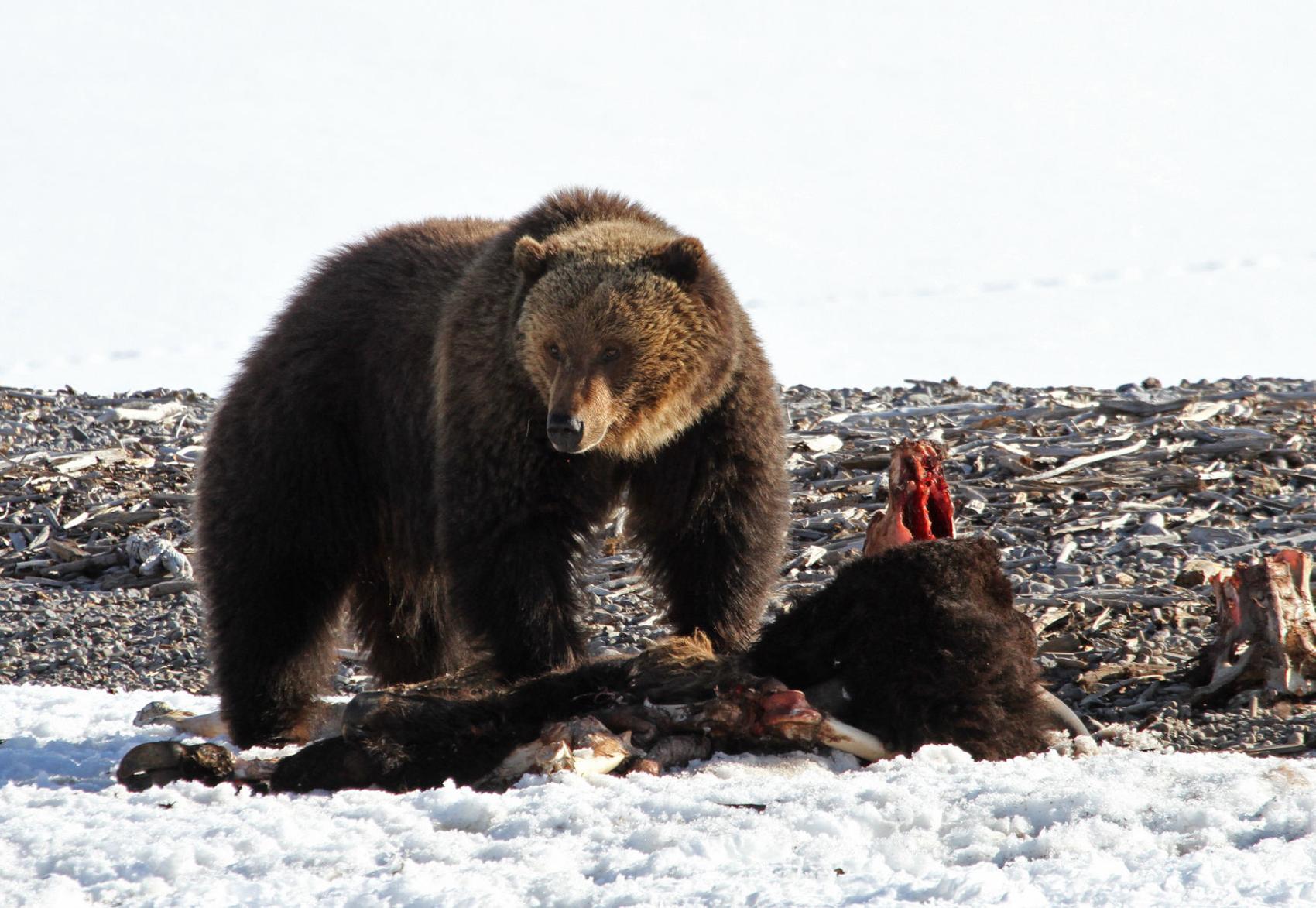
Grizzly bear on kill in winter - Jim Peco, NPS
Grizzly bear on kill in winter – Jim Peco, NPS

Here’s an excellent write-up on the current status of removing grizzly bears from the Endangered Species List . . .

For the second time in a decade, the officials charged with getting grizzly bears off the Endangered Species List have to rethink their future after a major court setback.

A 2007 federal move to delist grizzlies in the Greater Yellowstone Ecosystem of Montana, Idaho and Wyoming failed when the U.S. Fish and Wildlife couldn’t show the bears could withstand the loss of traditional food sources like whitebark pine seeds and cutthroat trout.

The Interagency Grizzly Bear Committee (IGBC) oversaw years of field work that concluded the bears could find alternate foods, and the federal government published a new delisting rule for the Greater Yellowstone Ecosystem in 2017. Last September, another federal judge found it lacking and returned Yellowstone grizzlies to Endangered Species Act protection.

Read more . . .

Also read . . .
Montana wildlife officials move ahead on grizzly regs despite federal delisting stall (Missoulian)

Thesis discusses environmental governance in the Transboundary Flathead

North Fork Flathead River, May 16, 2018 - by William K. Walker
North Fork Flathead River, May 16, 2018 – by William K. Walker

Many of you have met and interacted with the steady stream of University of Montana geography students visiting the North Fork over past years. One of them, Jedd Sankar-Gorton, used his studies of the Transboundary Flathead as the basis for his master’s thesis. Here’s an introduction to his work written by Lois Walker…

Jedd Sankar-Gorton recently graduated with an M.S. degree in Geography from the University of Montana. His master’s thesis focuses on efforts to secure joint U.S.-Canadian protections for the upper reaches of the Flathead River from 1974-2014. It’s worth a read. For the benefit of future researchers, he has pulled together in one place an extensive body of reference material related to preservation efforts in the upper Flathead.

While this study primarily discusses proposed coal mining in British Columbia, it draws attention to other potential environmental threats to the river, as well. In the broader context, he highlights the thorny diplomatic challenges that governments around the world face as they try to design and implement effective management of transboundary waters. The bottom line is that, although we have secured some basic protections for the Flathead, there is still much that can be done to improve dialogue with our Canadian neighbors and craft more coordinated environmental management of the river system.

Read/download:
40 Years on the International Flathead River: An Assessment of Environmental Governance by Jedd Sankar-Gorton (PDF, 1.35MB)

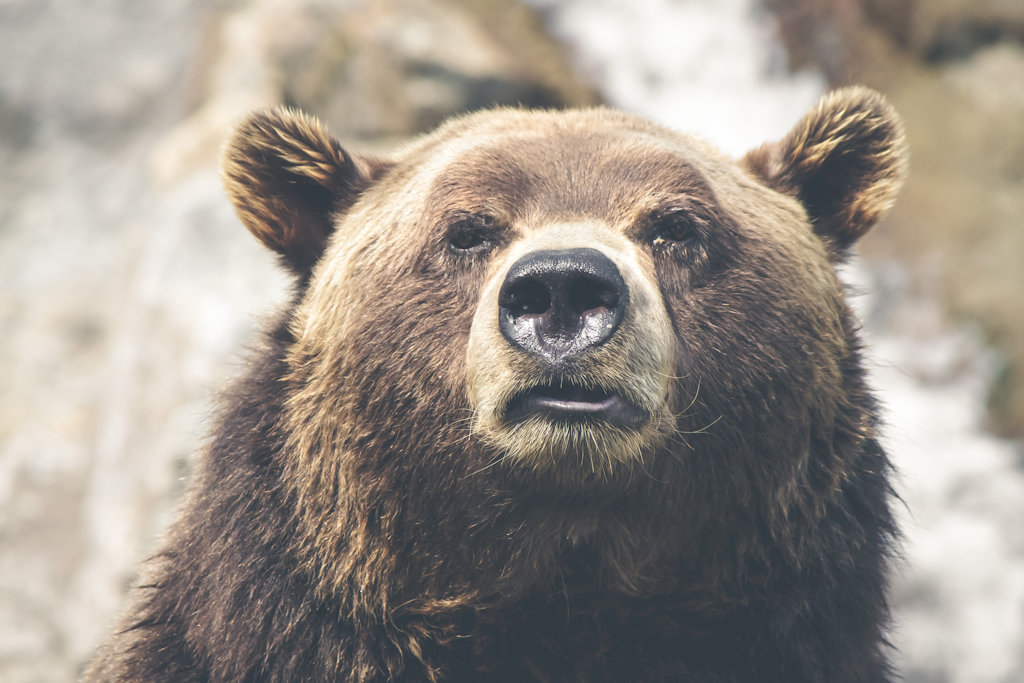
Grizzly bear conflicts an increasing concern

Grizzly Bear - Thomas Lefebvre, via Unsplash
Grizzly Bear – Thomas Lefebvre, via Unsplash

A major subject at last week’s NCDE meeting was the increased conflicts between humans and grizzlies as the bears continue to spread out into their original range . . .

Once teetering on the brink of extirpation, there are now more than 1,000 grizzly bears roaming more than 8 million acres of land known as the Northern Continental Divide Ecosystem (NCDE), which stretches from the top of Glacier National Park to Missoula.

But the booming bear population also comes with a new challenge: what to do when those grizzlies stray beyond the core of the NCDE, an area that includes Glacier National Park, parts of the Flathead and Blackfeet Indian reservations, five national forests and large swaths of state and private land. That challenge was the main focus for wildlife and land managers gathered in Missoula for the bi-annual NCDE meeting on Nov. 20.

During the daylong meeting, state and federal wildlife managers updated attendees on the regional grizzly bear population. This year, there have been 50 confirmed grizzly bear deaths or removals from the NCDE. Three of those mortalities (a term used by wildlife biologists whenever a bear is removed from the NCDE population, even if it’s going to a zoo) occurred recently in the Flathead Valley. On Nov. 8, a young male grizzly bear was struck and killed by a train near Columbia Falls. And in the last month, two adult females died near the Hungry Horse Reservoir. Both of those bears died of natural causes.

Read more . . .

Northwest Montana grizzlies will stay on endangered list a while longer

Grizzly bear sow with three cubs - NPS photo
Grizzly bear sow with three cubs – NPS photo

Grizzly bears in this corner of Montana will stay on the Endangered Species List a bit longer while federal officials evaluate the impact of an adverse judicial opinion on delisting the Yellowstone grizzly population . . .

The U.S. Fish and Wildlife Service said Tuesday it no longer plans to propose removing the population of grizzly bears in and around Glacier National Park from the endangered species list this year.

“We were on track to try and have a proposal, or at least have an evaluation of recovery and a potential proposal, out by the end of the calendar year,” says Hilary Cooley, the grizzly bear recovery coordinator for the Fish and Wildlife Service, at an annual meeting Tuesday on grizzlies in what’s known as the Northern Continental Divide Ecosystem, or NCDE.

She says a federal judge’s September opinion on last year’s delisting of a different population of bears in and around Yellowstone put a wrench in those plans.

Read more . . .

Flathead Forest Plan nears completion

Flathead National Forest

Yay! After a long and sometimes contentious slog, the Flathead National Forest just announced that the final piece of the revised forest management plan is in place. Barring unforeseen complications, the plan — the first successful update in more than 30 years — should go into effect by mid-January.

See the Forest Plan Revision webpage for details.

It’s official: Notice of appeal filed in Badger-Two Medicine oil and gas lease case

Badger-Two Medicine Region

The U.S. Department of the Interior came through on their promises and filed a notice of appeal in the legal dispute over gas and oil drilling leases in the Badger-Two Medicine region . . .

Attorneys representing the U.S. Department of the Interior, tribal and environmental groups Tuesday filed a notice of appeal challenging a federal judge’s decision to reinstate the last remaining oil and gas leases on the Badger-Two Medicine, an area flanking Glacier National Park that holds cultural and ecological significance to members of the Blackfeet Nation.

The filings in U.S. District Court for the District of Columbia come just days before the Nov. 23 deadline, and preserve the government’s right to appeal Judge Richard J. Leon’s Sept. 24 order overturning the 2016 cancellation of leases held by Solenex LLC of Baton Rouge, Louisiana and W.A. Moncrief Jr. in the Badger-Two Medicine area, a 130,000-acre swath of land between Glacier, the Bob Marshall Wilderness Area and the Blackfeet Indian Reservation.

The leases were originally canceled by the Interior Department under President Barack Obama, but Leon ruled that action was improper.

Read more . . .

In Yellowstone (and Glacier), warming brings changes

Yellowstone National Park sign at the North Entrance - Jim Peaco, NPS, October 1992

The New York Times put together a spectacular interactive presentation on the effect of climate change on Yellowstone Park. In our own back yard, Glacier Park is undergoing similar changes. Kudos to Debo Powers for spotting this one . . .

On a recent fall afternoon in the Lamar Valley, visitors watched a wolf pack lope along a thinly forested riverbank, ten or so black and gray figures shadowy against the snow. A little farther along the road, a herd of bison swung their great heads as they rooted for food in the sagebrush steppe, their deep rumbles clear in the quiet, cold air.

In the United States, Yellowstone National Park is the only place bison and wolves can be seen in great numbers. Because of the park, these animals survive. Yellowstone was crucial to bringing back bison, reintroducing gray wolves, and restoring trumpeter swans, elk, and grizzly bears — all five species driven toward extinction found refuge here.

But the Yellowstone of charismatic megafauna and of stunning geysers that four million visitors a year travel to see is changing before the eyes of those who know it best. Researchers who have spent years studying, managing, and exploring its roughly 3,400 square miles say that soon the landscape may look dramatically different.

Read more . . .

Trump administration sides with tribes in Badger-Two Medicine drilling lease dispute

Two Medicine Lake, Sinopah Mountain
Two Medicine Lake, Sinopah Mountain – flickr user Ryan McKee (CC-BY-ND-2.0)

Everyone can stop holding their collective breath. The feds are indeed going to fight reinstatement of oil and gas leases in the Badger-Two Medicine region . . .

The Trump administration plans to appeal a federal court ruling that would allow oil and gas drilling on land considered sacred to Native American tribes in Montana and Canada, U.S. Interior Secretary Ryan Zinke said Tuesday.

Zinke said it would be inappropriate to allow drilling in northwestern Montana’s Badger-Two Medicine area, site of the creation story for the Blackfoot tribes. He’s asked government attorneys to appeal a September ruling that reinstated a nearly 10-square-mile (26-square-kilometer) oil and gas lease in the area bordering the Blackfeet Reservation and Glacier National Park.

The lease had been cancelled under President Barack Obama at the urging of the tribes and environmentalists before it was reinstated by U.S. District Judge Richard Leon.

Read more . . .

More Montana grizzlies popping up in neighboring states

Grizzly captured west of Pend Oreille River in early October 2018 - USFWS
Eleven year old, 476 pound grizzly bear captured west of Pend Oreille River in early October 2018 – USFWS

Montana’s grizzly bears are not just wandering out onto the high plains east of the Divide, they are also showing up in neighboring states to the west . . .

As Montana grizzly bears have pushed beyond their usual mountain strongholds into the Bitterroot and Judith Basin areas, Washington state residents got a surprise visit this fall from a 476-pound grizzly west of the Pend Oreille River.

“That was an eye-opener for the state of Washington,” said Wayne Kasworm, U.S. Fish and Wildlife grizzly manager in Libby. “It was an unusual movement, like the bear in Stevensville and the bears showing up east of the Rocky Mountain Front. That was well outside of its expected range.”

The fall update of the Cabinet-Yaak/Selkirk grizzly activity released on Friday raised another new grizzly issue. A two-year-old male grizzly that was transplanted in the Cabinet Mountains last July got spotted prowling around a black-bear bait site in the Idaho Panhandle. FWS officials captured it and released it back in Montana around the south fork of the Bull River, but it returned to the bait site in September and now is believed to be crisscrossing the border near Huron.

Read more . . .