A good summary of the county’s plans for the North Fork Road, if they can get the money . . .
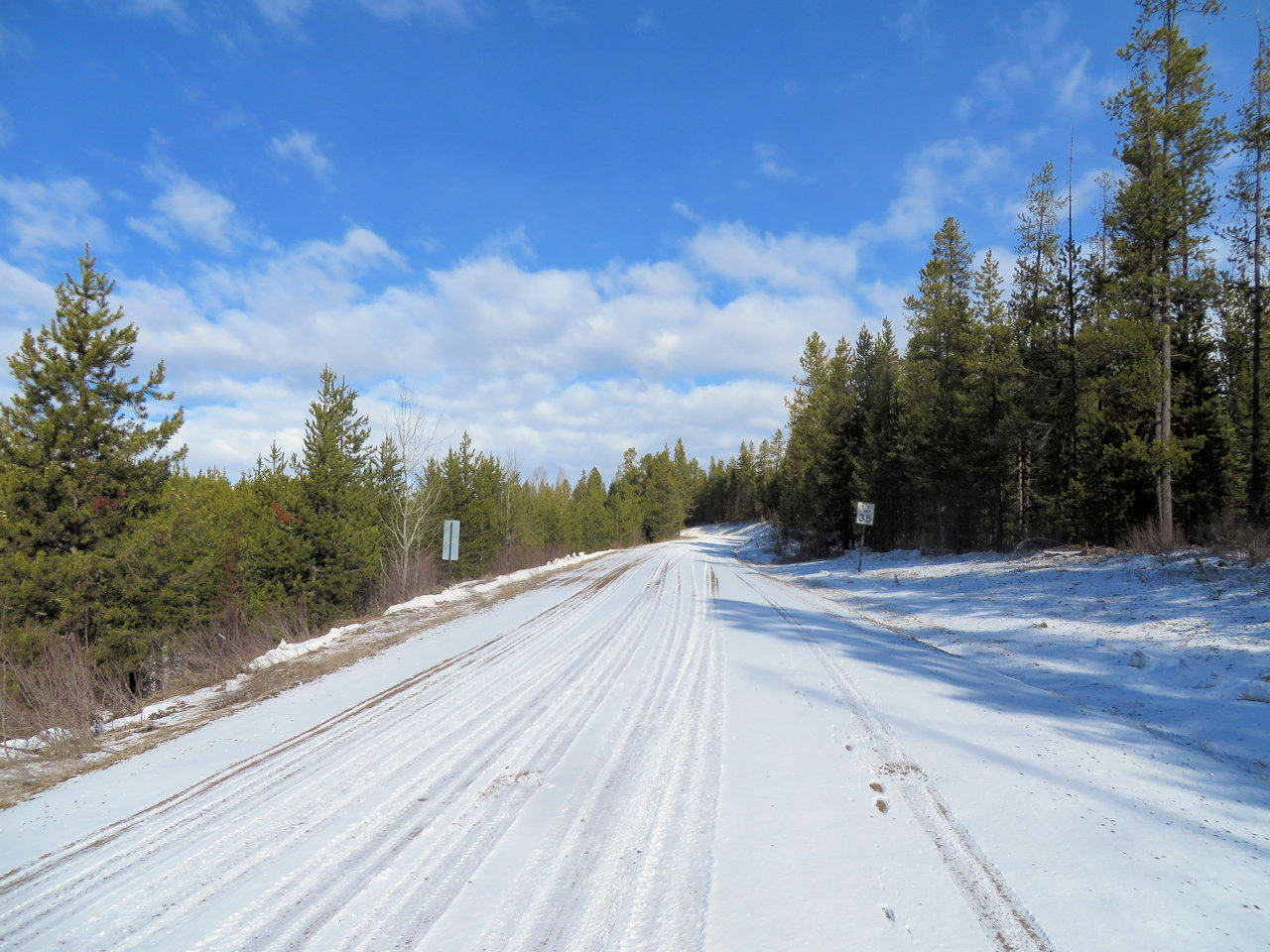
A $1.6 million federal grant proposal to improve the North Fork Road from Polebridge to the Canadian border will likely be submitted by April 4, Flathead National Forest officials said last week.
In a presentation to the county commissioners, forest staff officer Gary Danczyk said that if the grant is awarded, the project likely would not begin until 2018 or 2019.
Officials from the U.S. Border Patrol and Glacier National Park, which are also included in the application, also spoke in support of the grant proposal.
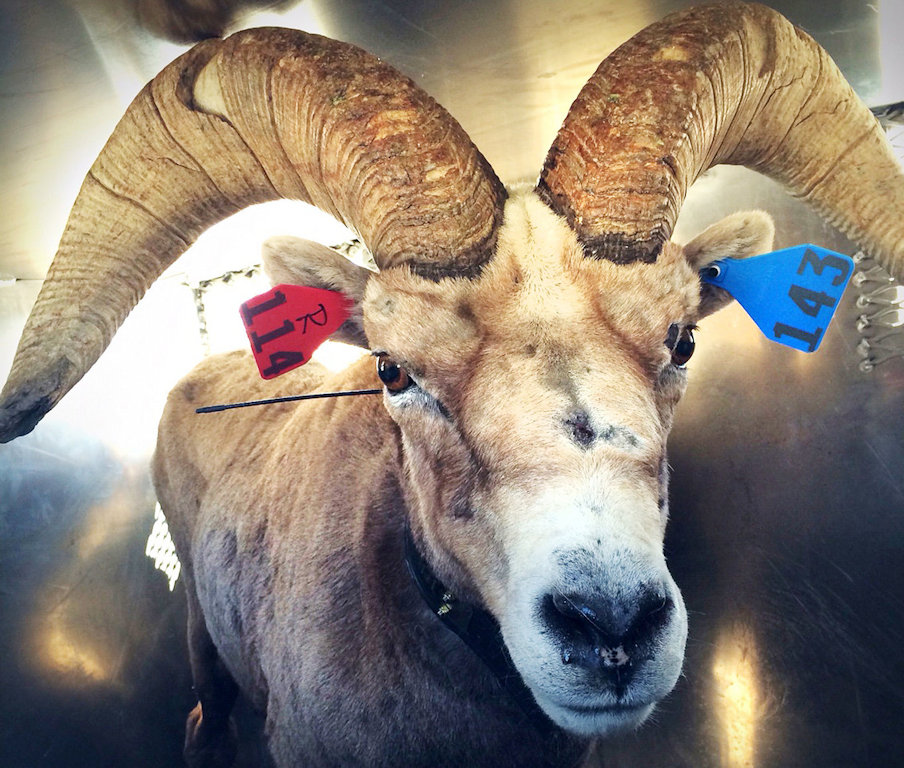
A bighorn relocated to the Cathedral Range of Yosemite National Park’s backcountry in March 2015 – Steve Bumgardner, Yosemite Conservancy – National Park Service
Here’s a long, fascinating op-ed from the New York Times describing the increasingly hi-tech techniques used to establish, maintain and monitor wildlife populations. Kudos to Walter Roberts for spotting this one . . .
If you ever have the good fortune to see a Sierra Nevada bighorn sheep, the experience might go like this: On a sunny morning in Yosemite National Park, you walk through alpine meadows and then up a ridge to the summit of Mount Gibbs at 12,764 feet above sea level. You unwrap a chocolate bar amid breathtaking views of mountain and desert and then you notice movement below.
Binoculars reveal three sturdy ewes perched on a wall of rock, accompanied by two lambs and a muscular ram. The sight fills you with awe and also with gratitude for the national parks, forests and, yes, environmental regulations that keep the American dream of wilderness alive.
Unless your binoculars are unusually powerful, you are unlikely to notice that many of those sheep wear collars manufactured by Lotek Wireless of Newmarket, Ontario. You will, therefore, remain unaware that GPS and satellite communications hardware affixed to those collars allows wildlife managers in distant air-conditioned rooms to track every move made by those sheep. Like similar equipment attached to California condors, pronghorn antelope, pythons, fruit bats, African wildebeest, white-tailed eagles, growling grass frogs, feral camels and countless other creatures, those collars are the only visible elements of the backlot infrastructure that now puts and keeps so many animals in the wild.
Unlike the U.S., Canada is getting serious about renovating its national parks . . .
WEST GLACIER – Less than 50 miles north of here, as the crow flies, officials at Waterton Lakes National Park announced this week they had chosen a location for a new $7.6 million visitor center inside the park. It will replace an old (1950s-era), tiny (600-square-feet) visitor center that park officials call “wholly inadequate to meet the needs and volumes of today’s visitors.”
It’s a big deal for Waterton, Glacier National Park’s next-door neighbor and, since 1932, half of the world’s first international peace park.
Perhaps even more noteworthy, however, is that the visitor center is just one of 17 major infrastructure upgrades or replacements being completed in Waterton over a five-year period.
A pointed, well-written op-ed from the High Country News. Recommended reading . . .
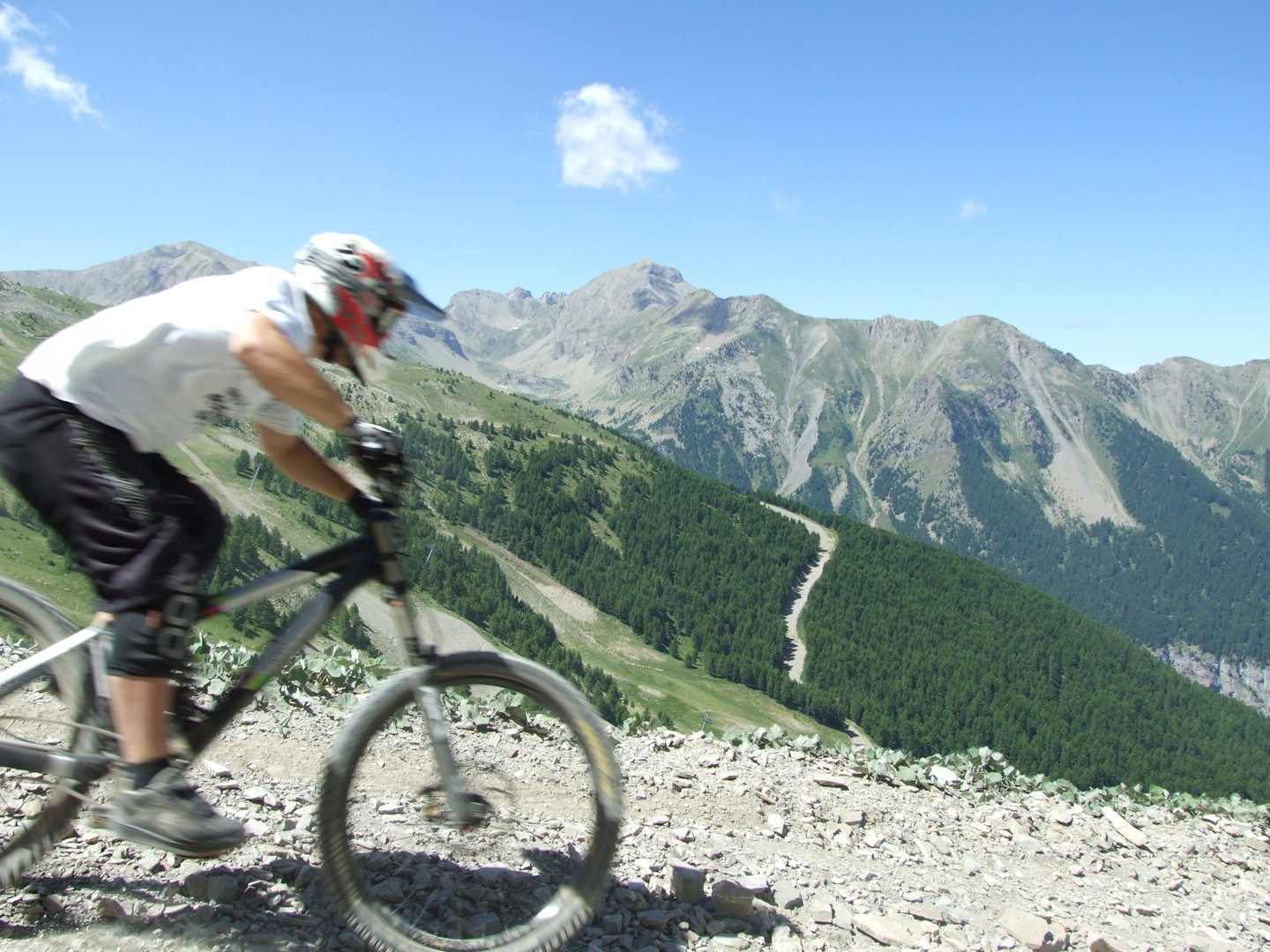
I shouldn’t be writing this, and you shouldn’t be reading it. Far more pressing issues face our public lands. But a vocal minority is drudging up the long-resolved question of mountain biking in wilderness. They have even drafted a bill for somebody to introduce in Congress — the Human-Powered Wildlands Travel Management Act — that would open wilderness to biking. That means we have to pause and rehash the facts.
First, no legal argument supports biking in wilderness. Unambiguously, the 1964 Wilderness Act states there shall be no “form of mechanical transport” in wilderness areas. The discussion should end there, but a few claim that “mechanical transport” somehow does not include bicycles. They allege that the law unintentionally excluded an activity that emerged after it was enacted. Or they tout an early Forest Service misinterpretation of the law, which initially allowed bicycles in wilderness but was corrected over 30 years ago.
The arguments have no legal merit. Worse, they ignore the historical context and foresight of the Wilderness Act, one of our foundational environmental laws. In doing so, they distract people from truly understanding our public lands. That’s not good for people or the land.
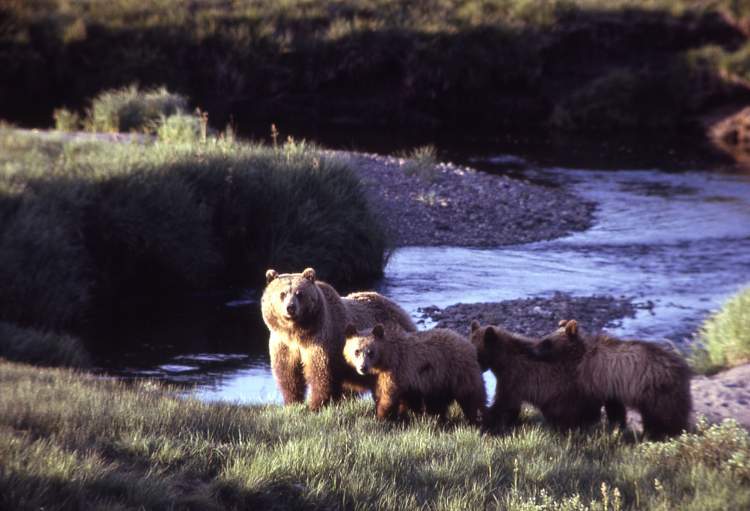
With a mild end of the winter, some of Montana’s hibernating black bears and grizzly bears are beginning to stir.
Adult males usually emerge first from winter dens in mid-March, but some bears have been sighted in Yellowstone National Park. When bears emerge from their dens they are physically depleted and food is a priority.
Bears are often tempted to go where raccoons and domestic dogs are getting into garbage. If these animals are already causing problems nearby, consider it an early warning that food attractants are available and need to be removed.
Montana Fish, Wildlife & Parks’ bear experts stress that conflict prevention steps can greatly reduce the chances of attracting black and grizzly bears.
FWP recommends bear resistant bins in communities and on ranches; electric fence systems to protect bee yards and sheep bedding grounds; random redistribution of livestock carcasses each spring; and educational programs in schools and communities.
FWP’s Be Bear Aware website at fwp.mt.gov is an easy way for homeowners and landowners to assess what they need to do now to prevent bear conflicts. Go there for tips and tools on obtaining and using bear spray, safe camping and hiking, access to bear resistant products and a guide to other items that attract bears to a property.
Strip mines are pretty nasty and this was going to be a very big one . . .
Arch Coal suspended its application for a major mine in southeastern Montana on Thursday, two months after the mining giant filed for bankruptcy protection and amid broader struggles for the coal industry that have reversed its once-bright prospects in the state.
The St. Louis-based company cited a weak coal market, a shortage of capital and an uncertain permitting outlook in announcing it was suspending the proposed Otter Creek mine.
The move marks a major blow to longstanding efforts to expand mining in the Powder River Basin along the Montana-Wyoming border, the nation’s largest coal-producing region. Arch had invested at least $159 million to acquire coal leases in the area.
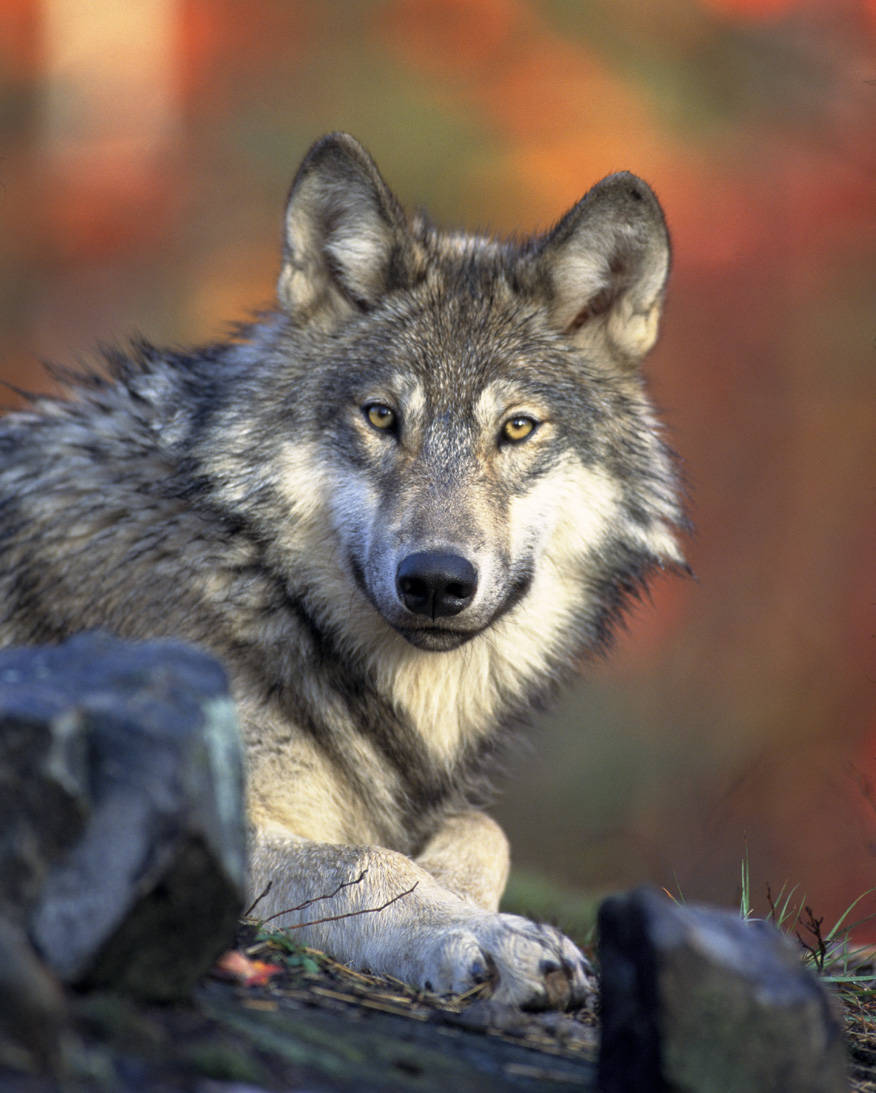
The USFWS is about to get sued to make them keep a tight eye on the wolf population for another five years . . .
A coalition of wolf advocates has warned the U.S. Fish and Wildlife Service that they plan to sue if the agency doesn’t extend its supervision of wolf populations in Montana and Idaho another five years.
“When the Montana Fish, Wildlife and Parks is offering five tags to every wolf hunter and Idaho Fish and Game is putting sharpshooters in the Frank Church-River of No Return Wilderness and funding aerial gunning in the Lolo Zone, we feel renewing another five years of federal monitoring is warranted,” said Matthew Koehler of Missoula-based Wild West Institute, one of five groups putting FWS on notice. “Given the situation on the ground and the ways state policy is changing, we think the prudent thing to do is keep monitoring wolf populations so they’re not hunted and trapped back to the brink of extinction.
The Center for Biological Diversity, Western Watersheds Project, Friends of the Clearwater and Cascadia Wildlands joined Wild West Institute in the notice. By law, groups objecting to a federal agency must give it 60 days advance warning to offer time to craft a solution before going to court.
Some mountain bikers want to be able to ride in wilderness areas . . .
No mechanical transport in the wilderness — not even a wheelbarrow.
A ban on wheels in the wilderness has long stood as a principle of the Wilderness Act, but one mountain bike advocacy group is gaining attention for its effort to change the hard and fast rule that impacts millions of acres of forest in Northwest Montana.
The Colorado-based Sustainable Trails Coalition is peddling the Human-Powered Wildlands Travel Management Act of 2016. The bill aims to undo the 1984 blanket ban on bicycles in the wilderness and give local land managers more flexibility in deciding whether treaded tires should be allowed on some wilderness trails.