Tag Archives: Elk-Kootenai watershed

Tribes, stakeholders join forces to oppose B.C. coal mine expansion

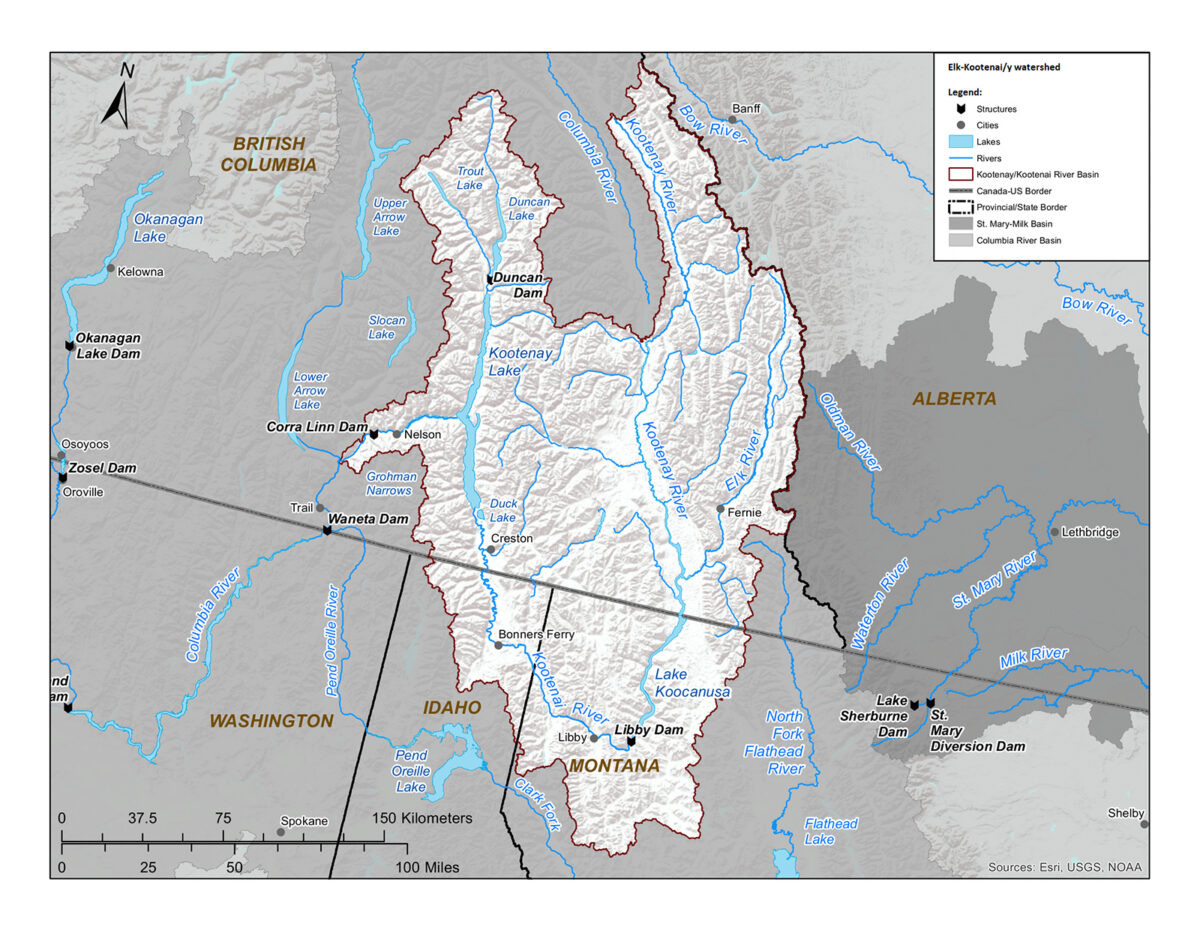
Map of the Elk-Kootenai watershed
Map of the Elk and Kootenai River watershed spanning the border of British Columbia, Montana and Idaho – courtesy of the International Joint Commission

Here’s an excellent, well-researched article by Tristan Scott of the Flathead Beacon on the continuing effort to deal with selenium pollution in the trans-boundary Elk-Kootenai watershed. Recommended reading . . .

Tribal governments from Montana, Idaho and British Columbia (B.C.) are closing ranks to oppose a coal mine expansion project in the shared Kootenai River watershed, describing a proposal to build out the mine’s footprint as short-sighted in light of an ongoing international inquiry into a cross-border pollution problem that has persisted for decades.

The league of Indigenous leaders includes western Montana’s Confederated Salish and Kootenai Tribes (CSKT), whose council last month called on B.C.’s provincial government to suspend its review of the project “until sufficient mitigations are in place to address the historical loads of mine-sourced contaminants in the watershed,” including selenium and nitrates — mining toxins that originate in B.C.’s Elk Valley mines and persist all the way to the confluence of the Kootenai watershed with the Columbia River.

On Thursday, CSKT’s council submitted a formal request to Canada’s Minister of Environment and Climate Change Julie Dabrusin, asking that an independent review panel convene to “more robustly analyze” the Fording River Extension (FRX) coal strip mine project “and its implications for both Canada and the United States.” The governments of the Kootenai Tribes of Idaho and the Ktunaxa Nation in Canada have also called the project’s review phase premature and were expected to sign on to the request for independent oversight.
Continue reading . . .

In selenium standard dispute, court sides with DEQ, conservation groups

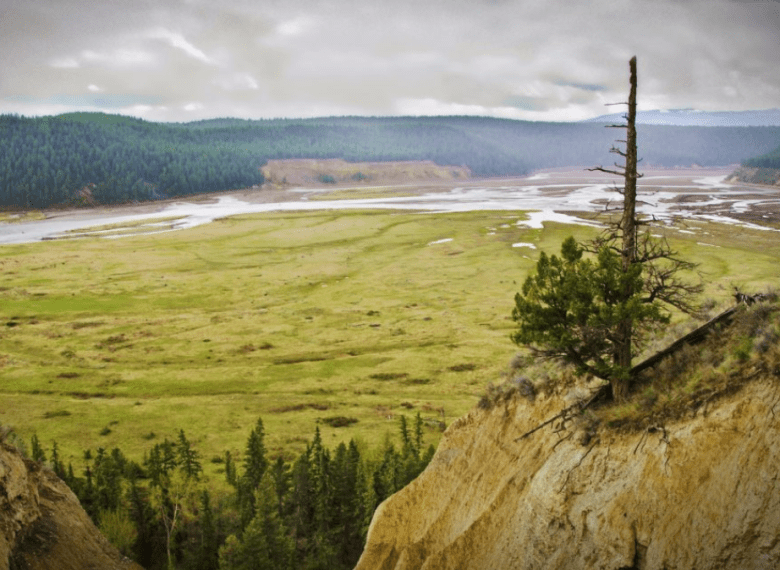
Elk River Valley near Fernie, British Columbia, as it flows into Lake Koocanusa – Terry Lawson, via Flickr

Our friends to the west in the Elk-Kootenai watershed just won and important victory . . .

A long-running dispute over a Montana water-quality standard that involves a Canadian coal mine, a border-straddling waterway, and a suite of local, state and federal officials drew to a close this week.

Montana District Court Judge Kathy Seeley ruled on April 8 that the selenium standard the Montana Department of Environmental Quality adopted for Lake Koocanusa in 2020 can stand. The Lake Koocanusa standard, which involved an extensive scientific and rulemaking process, is 0.8 micrograms per liter.

Selenium, a chemical element that’s toxic to fish above certain thresholds, has been accumulating in the Kootenai River watershed for decades as a result of a massive coal-mining operation in British Columbia. Precipitation releases the selenium that naturally occurs in mine waste, and treatment technologies have demonstrated limited success for removing it.

Continue reading . . .

IJC Appoints Board of Experts to Study Mining Pollution in Elk-Kootenai Watershed

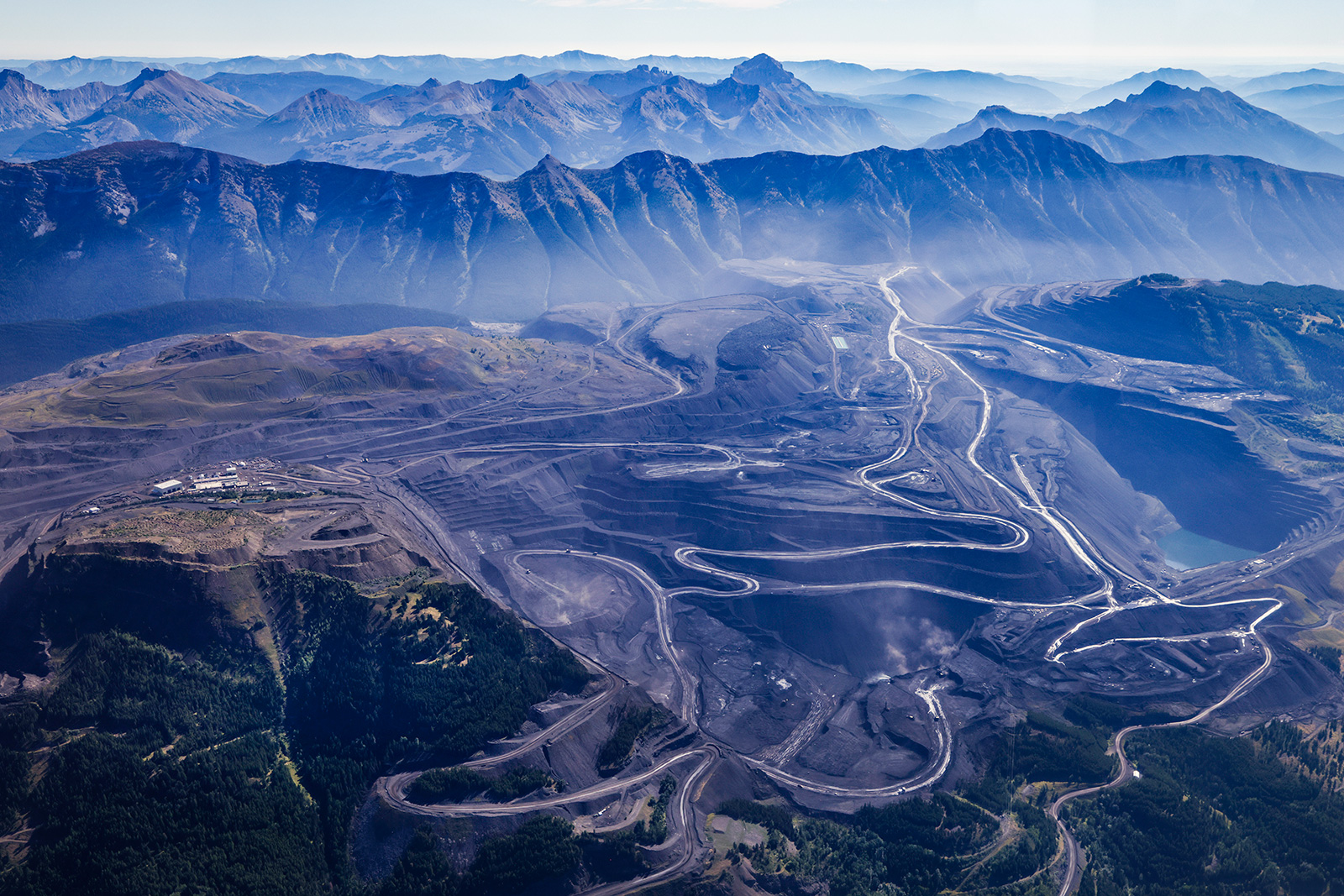
An aerial view of Elkview Operations, one of Teck Resources’ sprawling metallurgic coal mines, in British Columbia on August 30, 2022. Hunter D’Antuono – Flathead Beacon

Kudos to Roger Sullivan for spotting this one. In his words…

Today’s story in Beacon reporting status of IJC referral re Kootenai/Elk pollution and includes some history:

In 1985, for example, a reference to the IJC centered on the transboundary water quality implications of a proposed coal mine on B.C.’s Cabin Creek, located north of Glacier National Park near the confluence with the North Fork Flathead River.

In that case, the fight against the Cabin Creek coal mine galvanized communities spanning the international boundary and forged a grassroots alliance that became the North Fork Preservation Association. The IJC ultimately recommended that the coal mine should not be approved or receive regulatory approval in the future,” setting the stage for broader protections on the North Fork Flathead River in Montana.

Continue reading . . .

Finally! Pollution in Elk-Kootenai watershed referred to the IJC

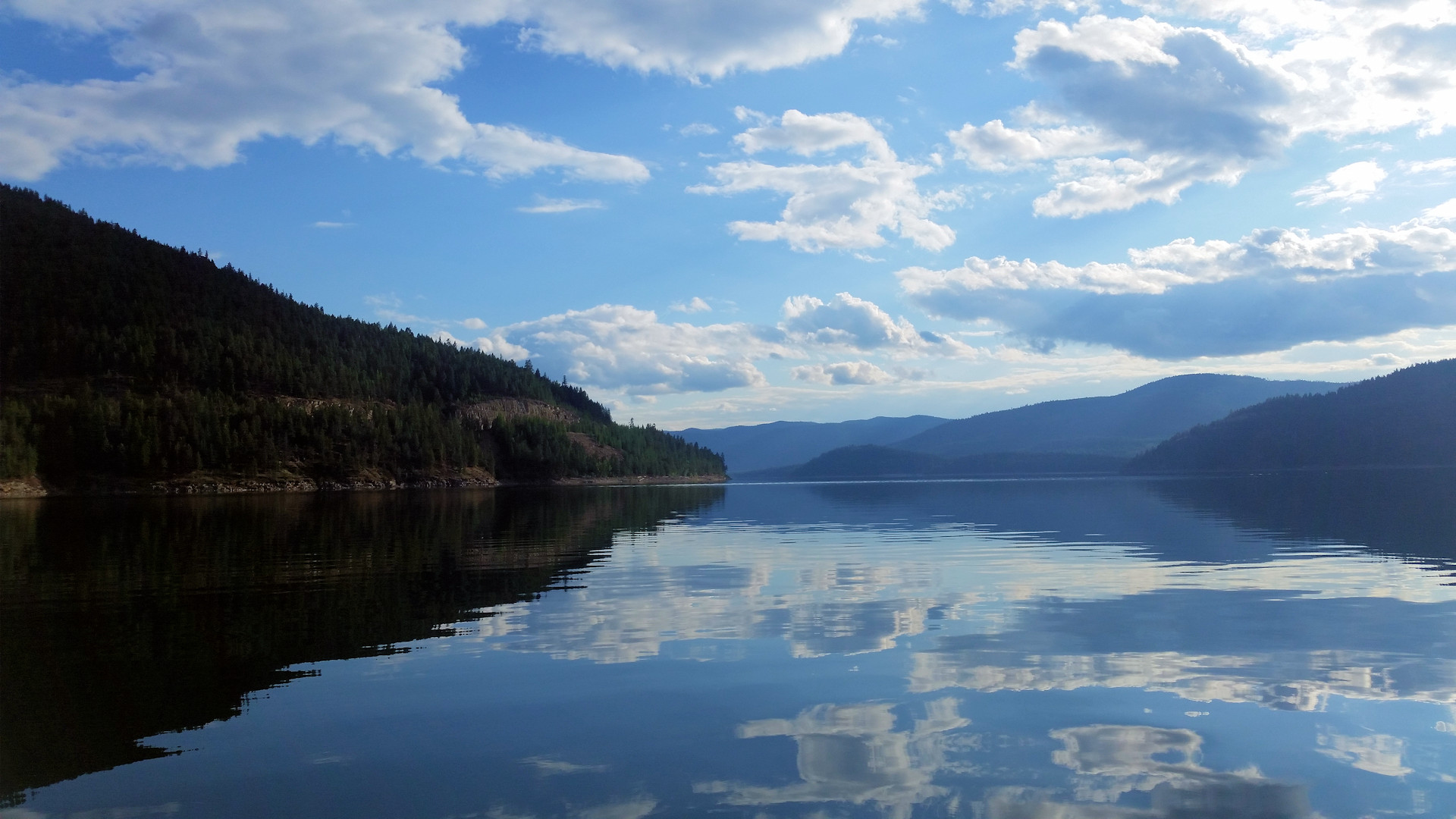
Lake Koocanusa - Ryan Fosness (Idaho Water Science Center)
Lake Koocanusa – Ryan Fosness (Idaho Water Science Center)

Here’s some good news to start the week. The Elk-Kootenai watershed cross-border water pollution from Teck Resources’ coal mining operations has finally been referred to the International Joint Commission (IJC). The Flathead Beacon has excellent coverage . . .

Federal governments in Canada and the U.S. have agreed to ask the International Joint Commission (IJC) to study and take steps to mitigate the inflow of mining pollution to the Elk-Kootenai River watershed through a joint reference, signaling a breakthrough in bilateral talks that have stalled for years, even as the company that owns the mines expands its footprint along the border with Montana.

The agreement was announced Monday by tribal and First Nation governments in Montana, Idaho and British Columbia (B.C.) who cheered the development after years of intensifying pressure on the U.S. and Canada. The reference means that an independent governance body representing both nations will convene to craft solutions to address the contaminants spilling into a watershed that crosses the international boundary at Lake Koocanusa and spans traditional Aboriginal territory.

The federal governments of both U.S. and Canada also confirmed the reference on Monday and issued a joint statement from the Ambassador of Canada to the United States, Kirsten Hillman, and the Ambassador of the United States to Canada, David L. Cohen. According to Pierre Cuguen, a spokesperson for Global Affairs Canada (GAC), both countries “have reached an Agreement-in-Principle (AIP) on next steps to further bilateral cooperation to reduce and mitigate the impacts of water pollution” in the transboundary watershed.

Continue reading . . .