Monthly Archives: May 2017

“Montana’s Pioneer Botanists” available!

Rachel Potter, prominent North Forker and NFPA member, passed along the following exciting announcement . . .
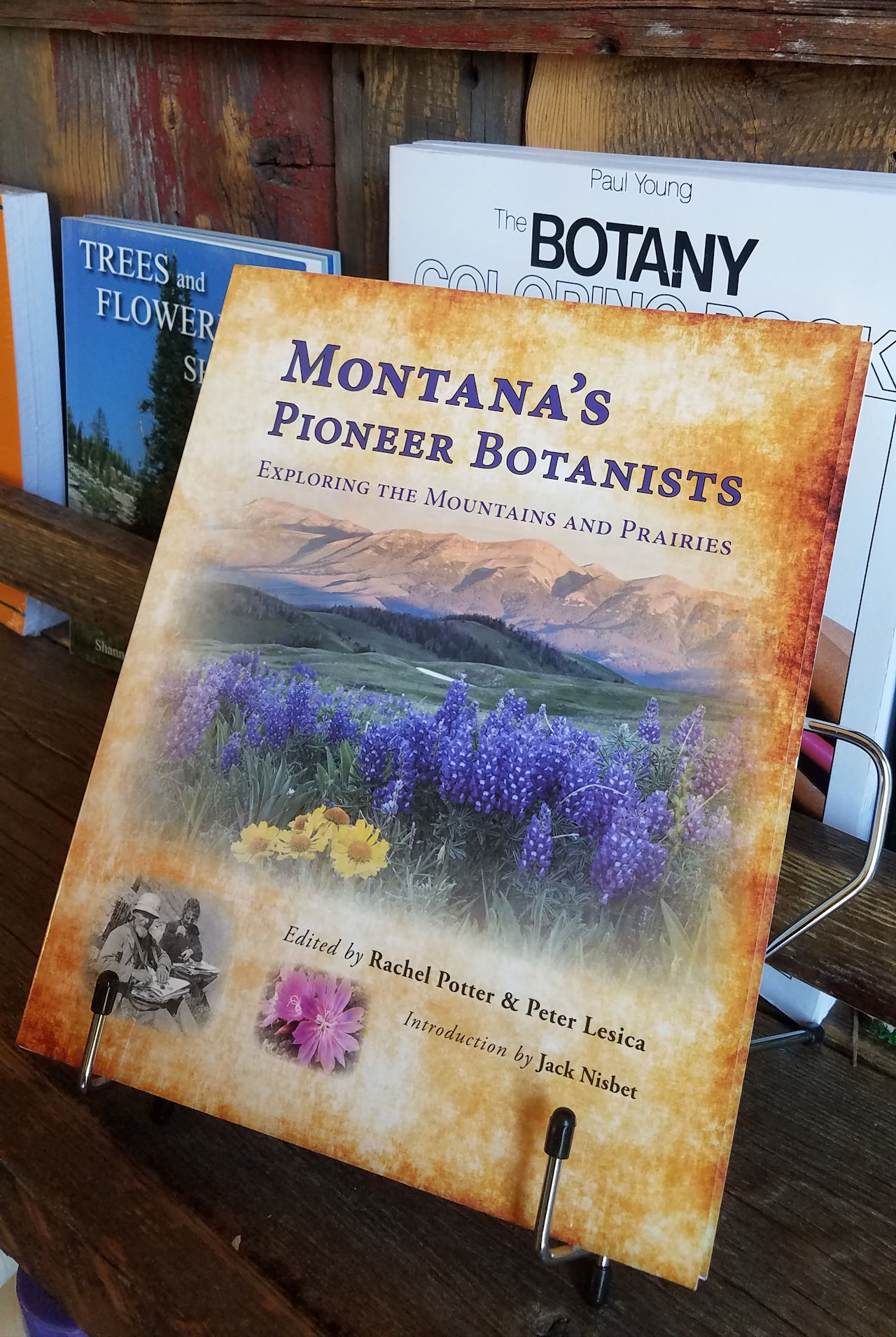
Montana's Pioneer Botanists Book
Montana’s Pioneer Botanists Book

Dear North Forkers:

I am pleased to announce that Montana’s Pioneer Botanists: Exploring the Mountains and Prairies is now on sale at the Polebridge Merc.  It includes essays by Jerry DeSanto, retired Glacier National Park North Fork Ranger.  Price:  $29.95.

Some of you will remember that after Jerry retired, he wrote biographies for a book to be called Plant Hunters of the Pacific Northwest.   Jerry was the perfect contributor to the project.  His background in history and knowledge and passion for plants resulted in three wonderful stories on David Lyall (1817-1895), R. S. Williams (1859-1945) and his good friend Klaus Lackschewitz (1911-1995).   Jerry did years of research that included travelling to the National Archives in Washington D.C. and spending day after day digging through herbarium specimens in various Pacific Northwest herbaria. This was pre-internet.  Notes for a fourth essay on Sereno Watson were in his truck at the Polebridge Ranger Station the winter he got sick.

As the decades went by and the main players aged, it became clear that the Pacific Northwest book was not going to happen. The Montana Native Plant Society (MNPS) decided to publish a book with the original Montana essays and some new ones.  My main motivation was seeing Jerry’s essay’s published.  The book includes essays by 17 authors on 30 different botanists. Naturally, Jerry’s are among the best, and being rich with detail, comprise a hefty percent of the book. The essays are illustrated with portraits, historic photos and photos of flowers and landscapes (including a handful of Jerry’s), as well as old and new botanical artwork.

There is more about the book at:  www.mtnativeplants.org.  We are updating purchasing info and adding reviews and more, so check back periodically.

Go to the Merc and check it out!

On another note, Jerry’s Alpine Wildflowers of Glacier National Park and Waterton Lakes National Park was scanned by the MNPS and is available to view online at http://www.lib.umt.edu/asc/alpine-wildflowers/default.php.  Jerry’s papers have been accessioned into the Archives and Special Collections at the University of Montana.  An Rachel Potterindex can be found at: http://archiveswest.orbiscascade.org/ark:/80444/xv94952.

Rachel Potter
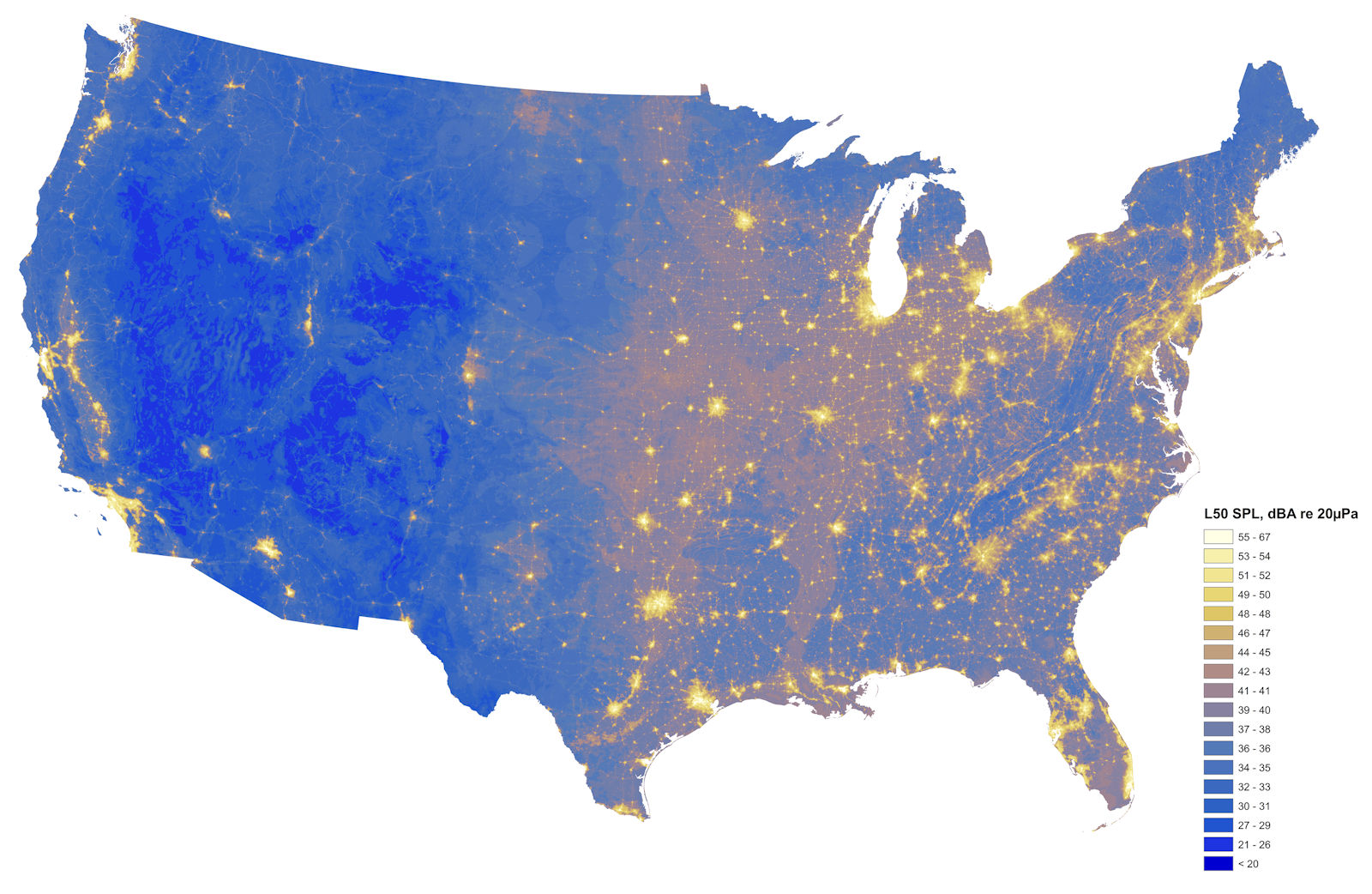
Even remote areas subject to noise pollution

Sound level map of continental US
Sound level map of continental US – In general, the brighter the spot, the greater the sound intensity – National Park Service

This article from NPR really puts efforts like the Glacier Park “quiet skies” initiative in context . . .

There are thousands of parks, refuges and wilderness areas in the U.S. that are kept in something close to their natural state. But one form of pollution isn’t respecting those boundaries: man-made noise. New research based on recordings from 492 protected natural areas reveals that they’re awash in noise pollution.

Researchers from Colorado State University spent years making the recordings by setting out microphones in natural areas across the country. They caught all sorts of wildlife sounds, such as rutting elk and howling wolves. But they were also after “background” sound — wind, rain, birdsong, flowing streams and rivers, even bubbling mudpots in Yellowstone National Park.

They compared the decibel level of this natural background with the intrusive noisiness from human activity. And they have discovered that in two-thirds of the places they studied, the median decibel level of man-made sound was double the normal background sound. These were sounds that came from within the area, such as road traffic, as well from as outside, such as passing jets or mining and logging equipment.

Read more . . .

Grizzly research continues in the NCDE

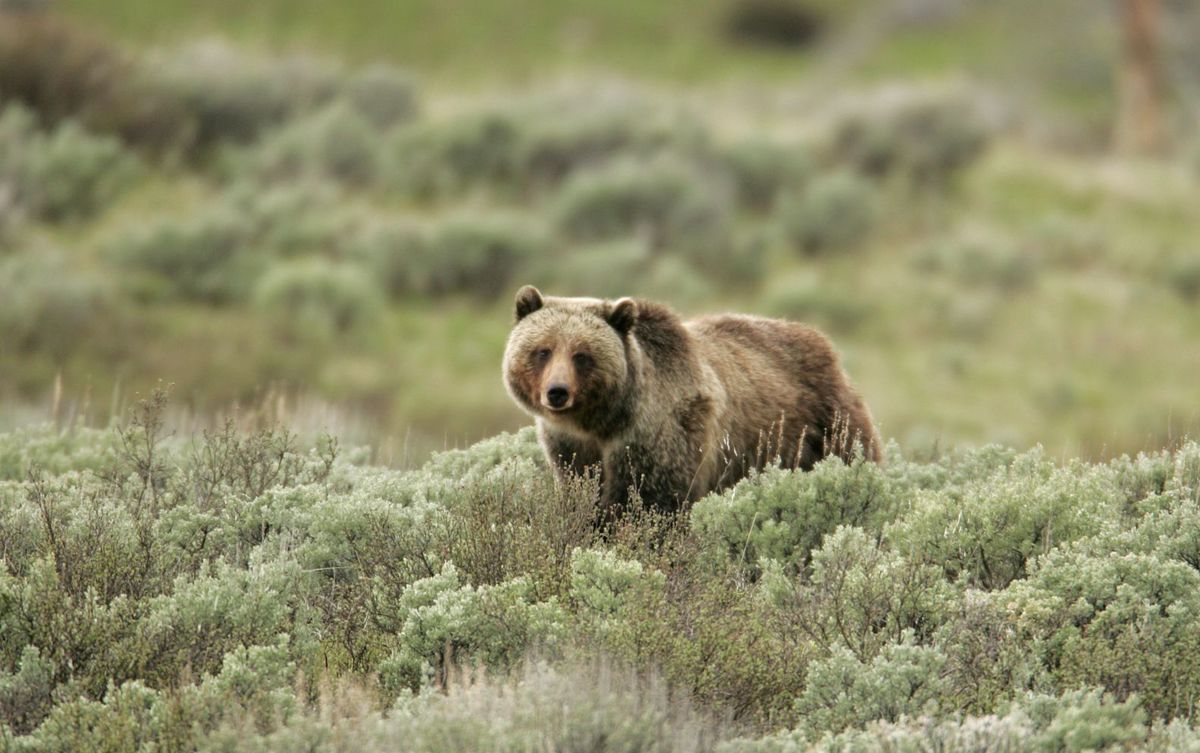
Grizzly Bear - courtesy NPS
Grizzly Bear – courtesy NPS

The Hungry Horse News has pretty good coverage of last week’s meeting of Northern Continental Divide Ecosystem grizzly bear managers . . .

At the Northern Continental Divide Ecosystem meeting last week, agencies gathered to provide updates on their fall projects of the predominantly bear-ish kind.

The NCDE is a subcommittee of the Interagency Grizzly Bear Committee, which promotes grizzly bear population recovery across habitats and national borders.

U.S. Geological Survey scientist Tabitha Graves from the Northern Rocky Mountain Science Center talked about the bear population trend project she’s been working on.

Read more . . .

Also see:
Blackfeet protest grizzly hunting at bear manager meeting

Ruling: No immediate endangered species protection for whitebark pine

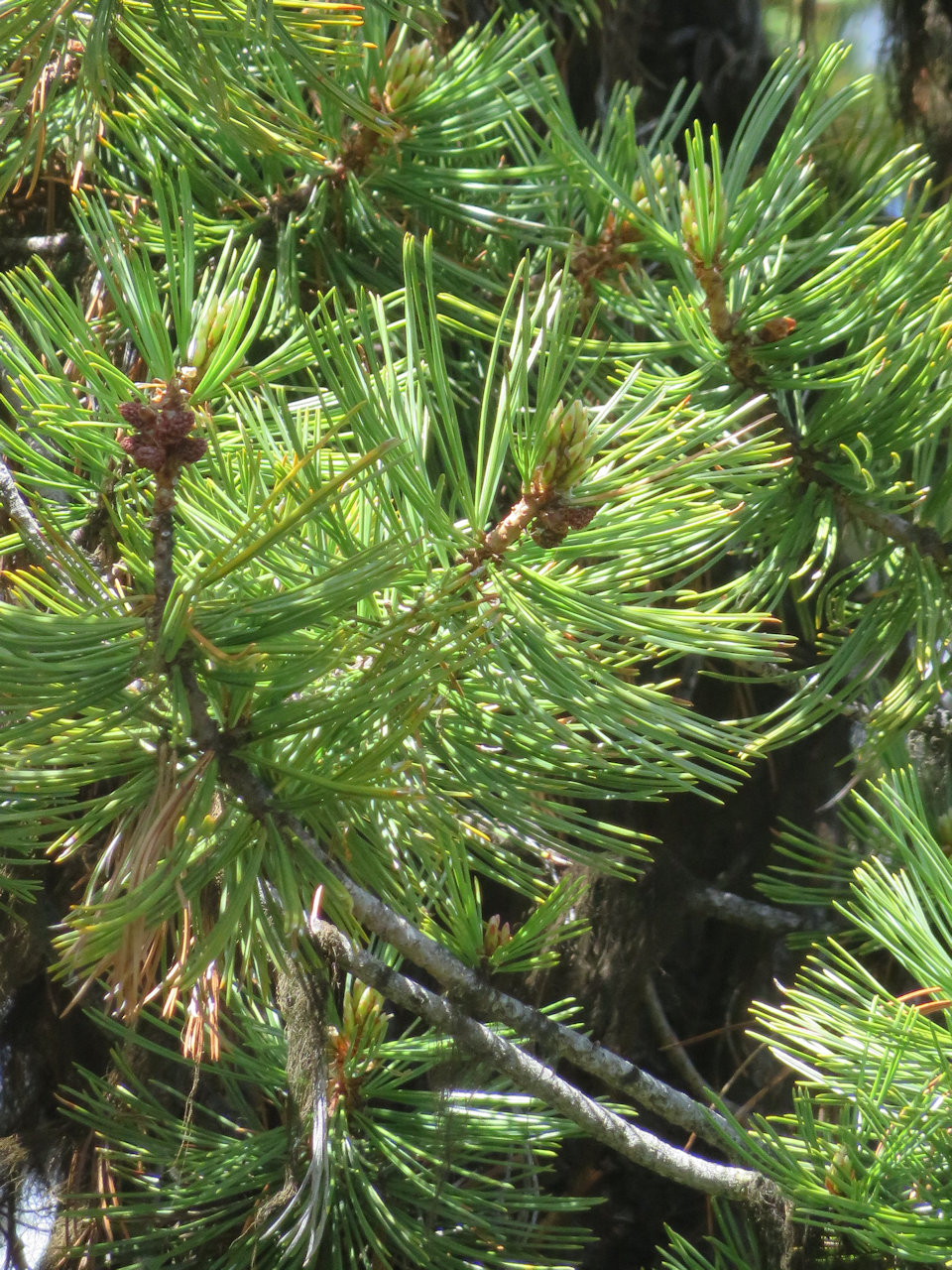
Whitebark Pine Closeup, 2016 - W. K. Walker
Whitebark Pine Closeup, 2016 – W. K. Walker

Short version: There’s no money right now to pay for Endangered Species Act protection for whitebark pine . . .

An appeals court has ruled that U.S. government officials don’t have to take immediate action to protect a pine tree that is a source of food for threatened grizzly bears.

The 9th U.S. Circuit Court of Appeals wrote in its order Friday that the U.S. Fish and Wildlife Service’s ability to protect species through the federal Endangered Species Act is limited by “practical realities,” such as scarce funds and limited staff.

The whitebark pine is in decline amid threats of disease, the mountain pine beetle, wildfire and climate change.

Read more . . .