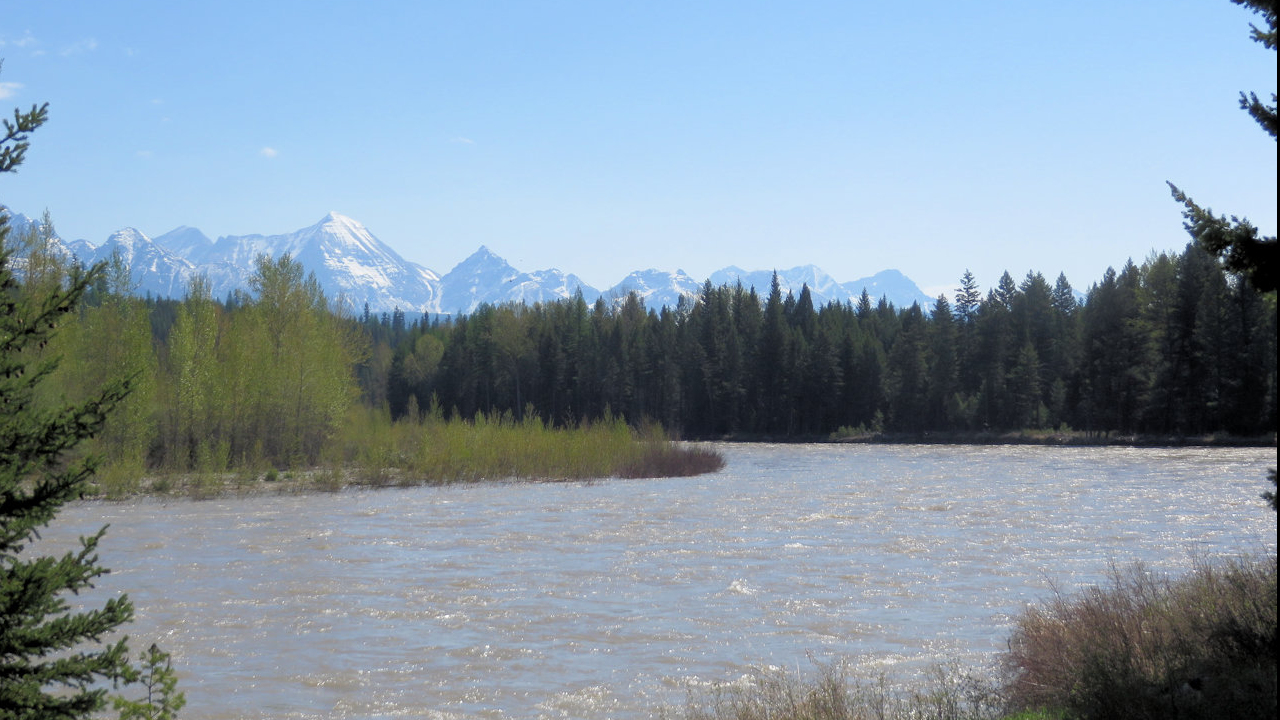
This past winter the Northern Rockies experienced significant snowfall with many mountain observations hitting record values. This snow has been steadily melting this past May and will continue into June producing flooding conditions throughout the Northern Rockies. This web page was developed to pull all hydrology products into one location. Click on the tabs… to observe the river and stream gauges within each county that is serviced by the National Weather Service in Missoula, Montana.
The Flathead Beacon has a good story on the plans to remove grizzly bears from the Endangered Species List in this corner of Montana . . .
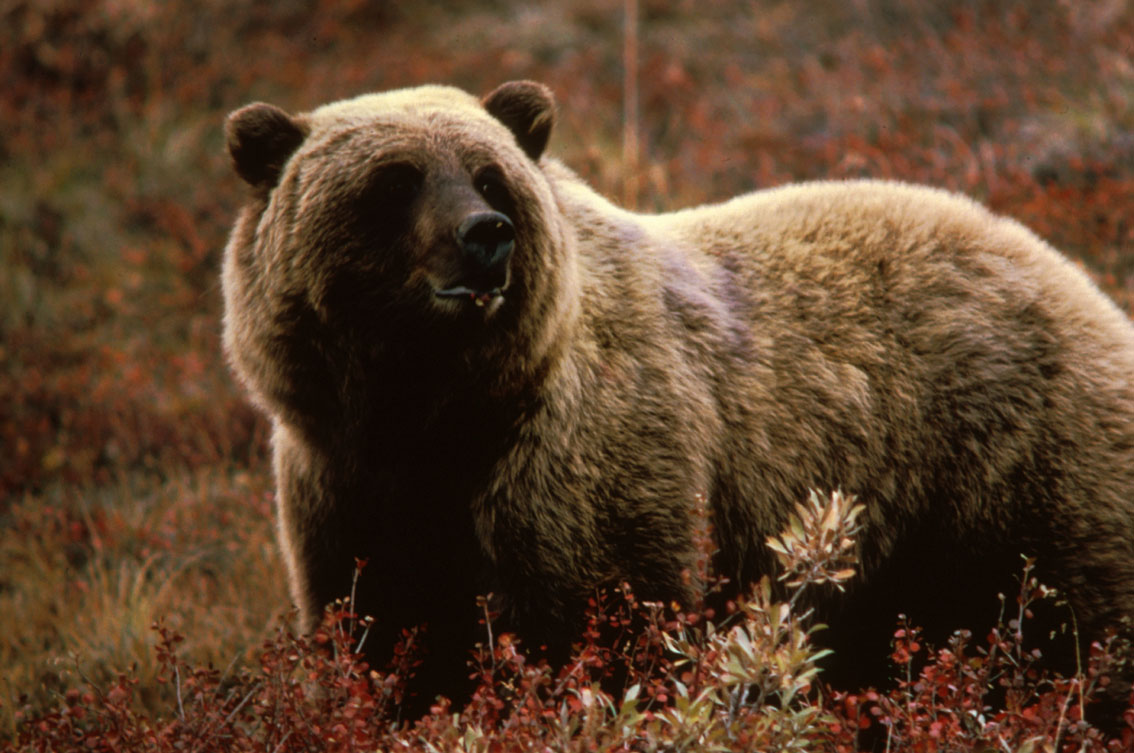
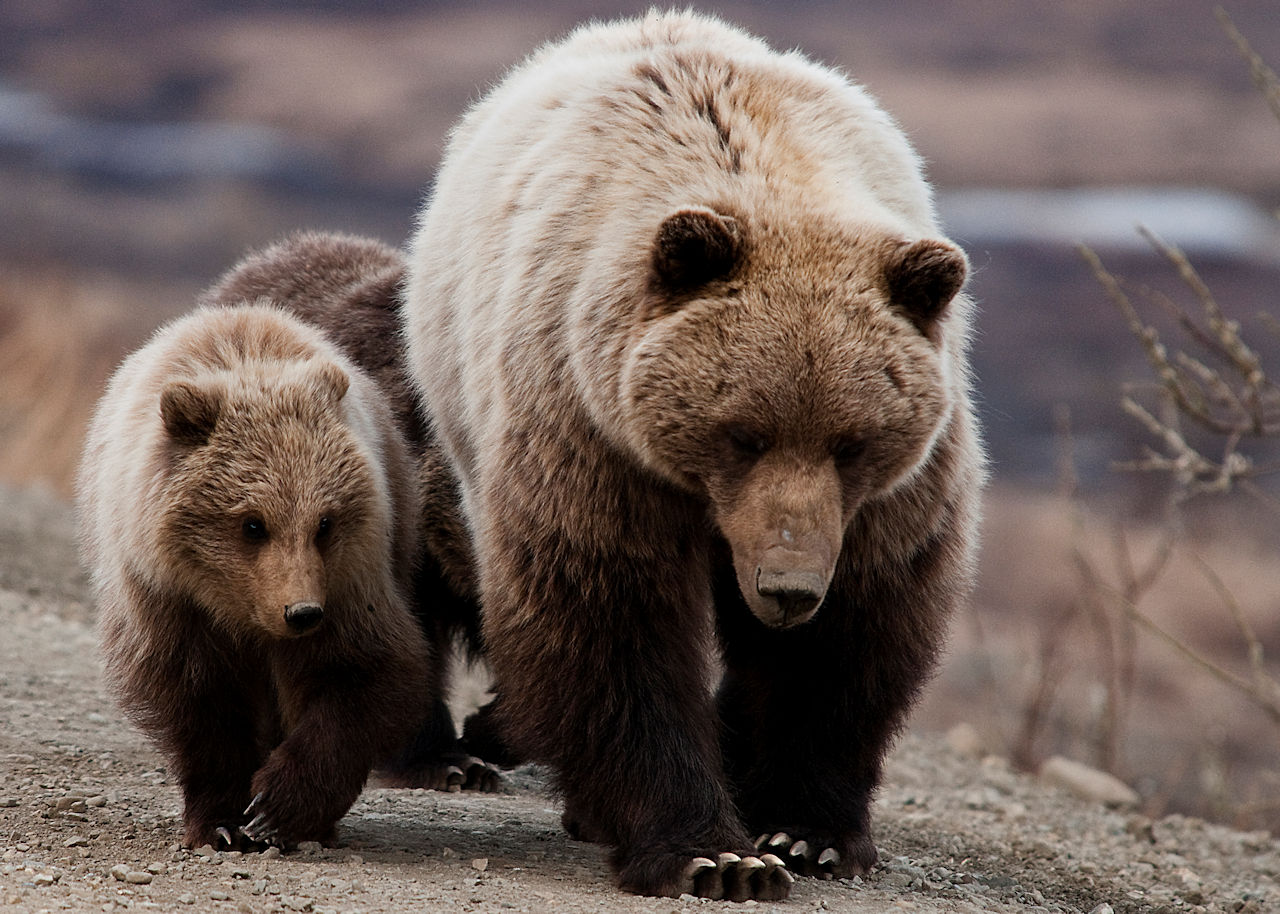
The U.S. Fish and Wildlife Service is expected to announce plans this September to delist grizzlies from the federal Endangered Species Act in the Northern Continental Divide Ecosystem, the rugged chunk of Northwest Montana that includes Glacier National Park, parts of five national forests and two reservations.
It’s also believed to be home to the largest population of grizzly bears in the lower 48 states.
The strategy to move grizzlies from federal to state control has long been in the works, and bear managers are now coordinating the scientific and policy research necessary to propose a delisting rule.
“We have believed this population has likely met the demographic recovery goals for many years now,” Hillary Cooley, U.S. Fish and Wildlife Service (USFWS) grizzly bear recovery coordinator, said. “We’ve met our recovery goal and we’re probably well above it, so this is a good time to start evaluating it formally.”
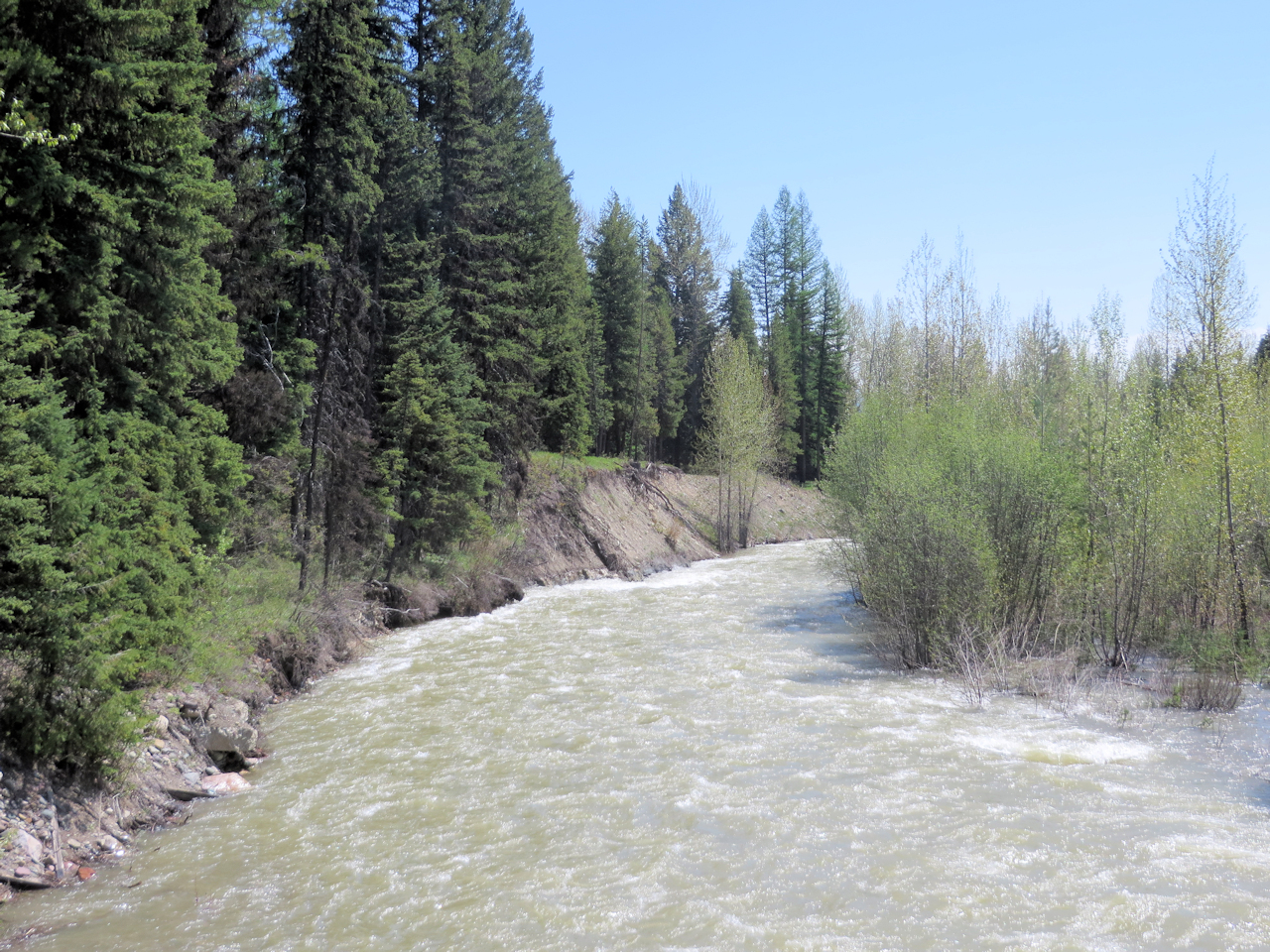
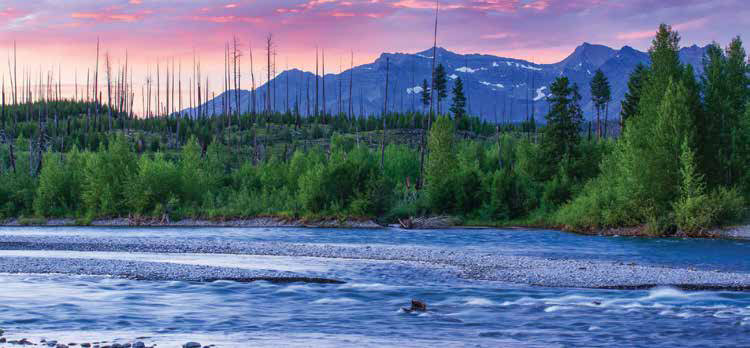
North Fork Flathead River, May 16, 2018 – by William K. Walker
Debo Powers sent in the following report on the most recent public meeting on the Flathead River Comprehensive Management Plan . . .
It is time for a new Comprehensive River Management Plan (CRMP) to be written for our three wild and scenic rivers—the South, Middle, and North Forks of the Flathead River. In preparation, monthly meetings have been organized to get input from the public. Each meeting will be focused on one of the Outstanding River Values (ORVs).
The focus of Tuesday night’s meeting was Water Quality. Presentations were made by several experts on the water quality monitoring that has happened in the past. Data shows that water quality has not decreased since the rivers were designated wild and scenic in 1976. Climate change is one of the concerns for the future due to declining snow pack, earlier spring runoff, lower summer flows, and warmer water temperatures.
Following expert presentations, participants discussed various water quality issues in the groups where they were assigned. Each table’s discussion was reported back to the whole group and written down for those who will be writing the CRMP. Participants raised issues, such as, the effects of increased recreational use, human waste disposal, road dust abatement, oil and chemical spills by the railroad, etc.
At least 12 North Fork landowners participated in the meeting and raised concerns during the group discussions. Next month’s meeting will focus on wildlife.
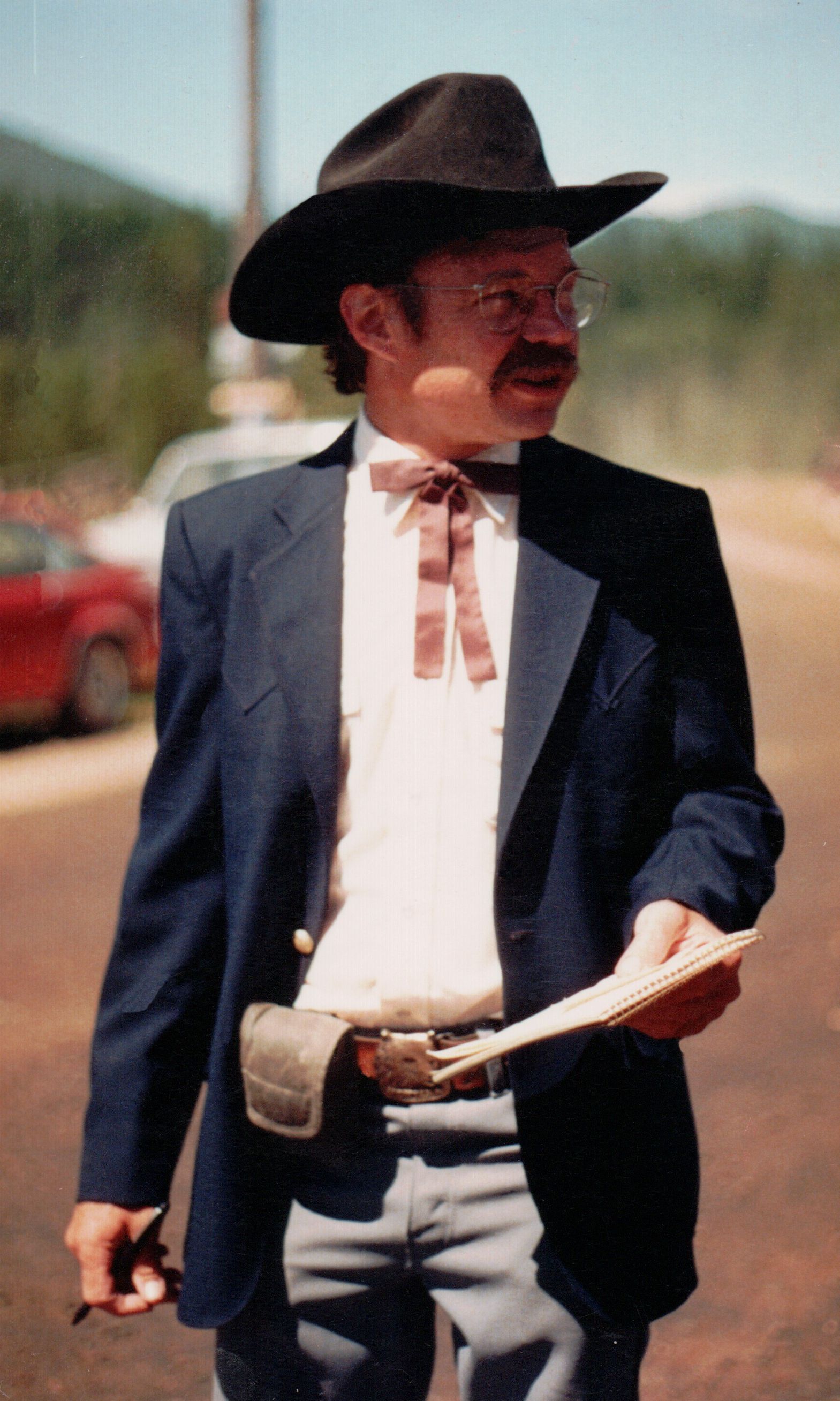
John Frederick at the 1987 Polebridge Fourth of July parade
[Location update! Due to uncertainties in the weather and flooding at the hostel, the memorial has moved to Sondreson Community Hall. For those not familiar with the area, the Hall is about 7 miles north of Polebridge, just south of the Whale Creek bridge.]
John Frederick, one of the founders of the North Fork Preservation Association and, for a total of about 25 years, its president, died on November 15, 2017. On May 19, friends, family and admirers will gather at 1:00 p.m. at the North Fork Hostel to remember John’s life and his contributions to the North Fork. Here (lightly edited) is the announcement circulated by Oliver Meister, owner of the North Fork Hostel . . .
We are celebrating John’s life at the North Fork Hostel on May 19, 2018 at 1:00 p.m.
Everybody is welcome. We will tell John stories and share memories. There will also be music and mementos.
Bring a chair, lounger or hammock. Don’t forget an umbrella if it rains.
We will have a BBQ after we’re done with the remembering. Bring a side or dessert if you want to stick around for it.
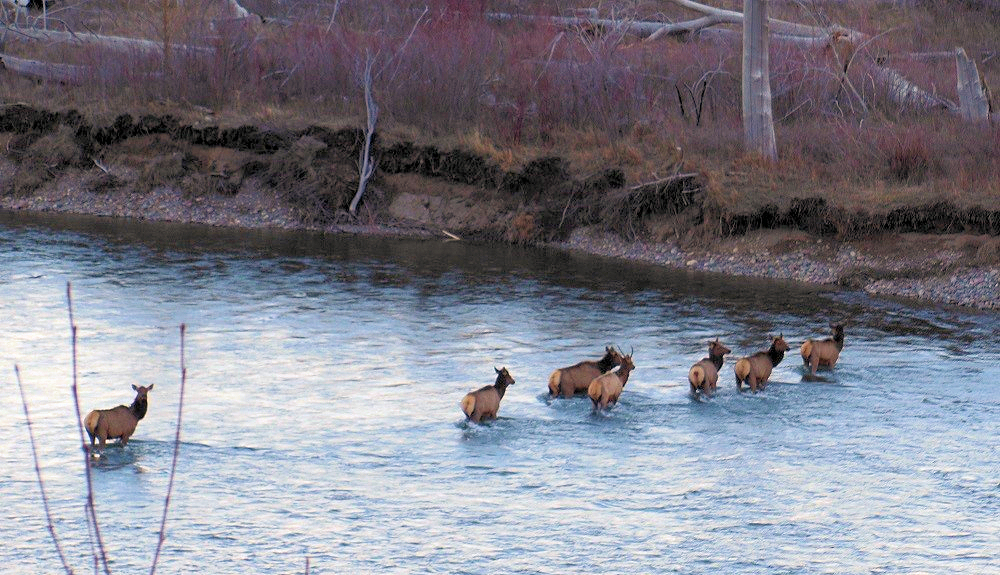
Elk Crossing North Fork of Flathead River, north of Camas Bridge, March 4, 2016 – Greg Evans
The next in a series of meetings on the Flathead River Comprehensive Management Plan is on Wednesday, May 16 at the Heaven’s Peak Room of Cedar Creek Lodge in Columbia Falls from 6 to 8 p.m. . . .
On the 50th anniversary of the Wild and Scenic Rivers Act, the Flathead National Forest, in coordination with Glacier National Park, is seeking public input as it develops a comprehensive management plan for the three forks of the Flathead River.
A series of six public meetings are scheduled over the next six months. The first meeting, on May 16 [actually, the first meeting was in March], will focus on water-quality conditions, management and concerns on the Middle, South and North forks of the Flathead River. It will be held at the Heaven’s Peak Room of Cedar Creek Lodge in Columbia Falls from 6 to 8 p.m.
The meeting will include presentations on current water-quality information, as well as “facilitated discussion on how water quality should be addressed” in the comprehensive river management plan (CRMP), according to the U.S. Forest Service. A brief introductory presentation to the Wild and Scenic Rivers Act will begin at 5:45 p.m.
The U.S. plans to propose removing Montana’s grizzlies from endangered species act protection this fall . . .
U.S. officials expect to release a proposal this fall that would remove federal protections for grizzly bears in northwestern Montana, home to the largest grizzly population in the Lower 48.
The plan was released Wednesday as part of the U.S. Interior Department’s regulatory agenda for coming months.
An estimated 1,000 bears occupy at least 22,000 square miles in northwestern Montana centered on Glacier National Park.
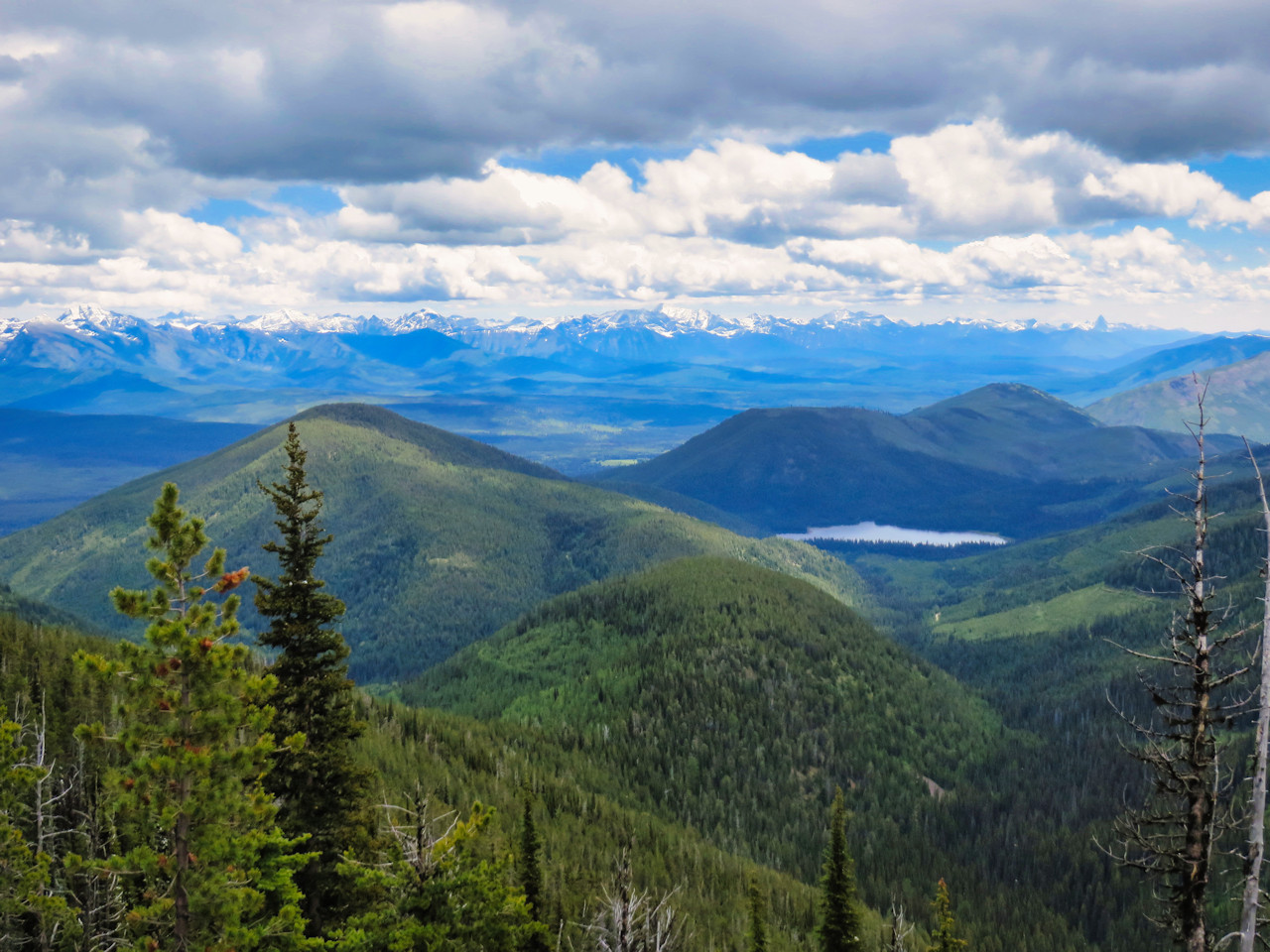
Three types of public lands: Flathead National Forest is in the foreground, left and right; Montana’s Coal Creek State Forest, including Cyclone Lake, is in the middle distance; Glacier National Park stretches across the background.
No surprises here. A pretty well-designed survey by the University of Montana revealed that people who live in Montana really like their public lands.
But, in a related story, Sen. Steve Daines and Rep. Greg Gianforte say they don’t believe it because “they had the support of local county commissions” for legislation to close down several wilderness study areas (WSA’s). You just can’t make this stuff up.
Anyways, here’s the lead-in for a good article on the survey. A link for the WSA issue follows . . .
The University of Montana 2018 Public Lands Survey showed wide, bipartisan appreciation for the state’s wild places.
“The takeaway for me is, support for policy to protect public land is going up, not down,” said Rick Graetz, director of UM’s Crown of the Continent Greater Yellowstone Initiative, which commissioned the survey. “That’s true on both sides of the aisle. Democrats, Republicans and Independents all see the value of it. That wasn’t true even 10 years ago when we started our program.”
The poll found four out of five Montanans considered public lands an economic benefit to the state, while just 3 percent said their presence hurt the economy.
The next in a series of meetings on developing a comprehensive river management plan for the three forks of the Flathead River is scheduled for May16. It will be held from 6:00pm to 8:00pm, at the at the Heaven’s Peak room in the Cedar Creek Lodge, Columbia Falls.
Flathead Wild and Scenic River: Comprehensive River Management Plan Meeting to Discuss Water Quality
Kalispell, MT. May 3, 2018- The Flathead National Forest, in coordination and partnership with Glacier National Park, is in the process of preparing a comprehensive river management plan (CRMP) for the 3-forks of the Flathead River.
A series of resource-focused public meetings will be held over the next six months, beginning on May 16th. This meeting will focus on water quality conditions, management, and concerns as part of the efforts to develop the CRMP. The meeting will be held at the Heaven’s Peak room in the Cedar Creek Lodge, Columbia Falls, Montana. The meeting will be from 6 pm to 8 pm and include presentations on current water quality information and facilitated discussion on how water quality should be addressed in the CRMP. For those new to the comprehensive river management plan process, an introductory presentation on the Wild and Scenic Rivers Act will begin at 5:45 pm. Future meeting topics and a preliminary schedule will be posted on the Flathead National Forest website.
The CRMP will address the current status of the river and the surrounding resources, outline goals and desired conditions, determine user capacity and create a monitoring plan for the next 15 to 20 years. In order to reflect the diverse users of the river and surrounding lands, the public is encouraged to help craft the future management of this designated wild and scenic river to ensure the river and its outstanding resources are maintained and protected.
Late last year we observed, “One has to wonder if there’s a connection between the administrative uproar over a pilot program to combat invasive mussels in Flathead Lake and the defunding for supposed budgetary reasons of the organization tasked to oversee the program.”
Since then, relations between the Flathead Basin Commission and the Montana Department of Natural Resources and Conservation have reached a new low with the firing — or attempted firing, anyways — of the commission’s executive director. What a mess.
The Missoulian has the story . . .
A simmering dispute between a state agency and a group connected to it, charged with monitoring Flathead Lake’s water quality, has intensified with the dismissal of its executive director for “dishonest, subversive and disruptive” activities — allegations Caryn Miske adamantly denies.
Instead, Miske says she was fired in February “for political reasons and for personality differences” with administrators within the Montana Department of Natural Resources and Conservation as part of a “power struggle” between DNRC and the 23-member Flathead Basin Commission that she formerly headed.
Sorry about the website’s inaccessibility for the last week, folks.
We were caught up in a perfect storm of web hosting incompetence, forcing us to pack up and move elsewhere. There may still be a few minor hiccups here and there, but the site should be back on its game now.
The process has been beneficial, if painful. Our new home is more spacious, comfortable and up-to-date. With any luck, we won’t have to go through this again for a long time.