Category Archives: Environmental Issues

Hecla Mining, in legal fight over Montana “bad actor” ruling, halts cleanup work at Troy mine

Hecla Mining, the company trying to get approval for two mines on the edge of the Cabinet Mountains Wilderness, is playing hard ball with the State of Montana over its CEO’s “bad actor” rating . . .

An Idaho mining company is halting reclamation work at a closed silver and copper mine in northwest Montana amid a legal fight with state regulators over cleanup expenses at other sites.

Hecla Mining Co. manager Doug Stiles said Tuesday the cleanup of the Troy Mine west of Libby has been suspended indefinitely.

Stiles says the company is evaluating potential legal risks of continuing work at the site after the Montana Department of Environmental Quality sued Hecla CEO Phillips S. Baker Jr. last month.

Read more . . .

Mine on edge of Cabinet Wilderness inches closer to USFS approval

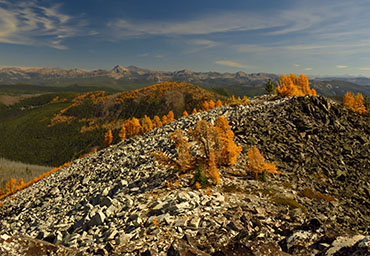
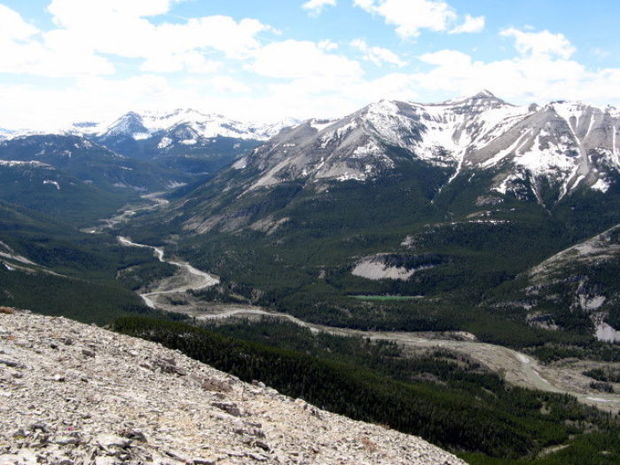
Southern Cabinet Mountains, as seen from Swede Mountain, near Libby

Hecla Mining inches closer to Forest Service approval of their proposed Rock Creek Mine on the edge of the Cabinet Mountains Wilderness.

Meanwhile, Montana has a bone to pick with Hecla CEO Phillips Baker Jr. over past shenanigans in the state . . .

Federal officials proposed approval of the first phase of a silver and copper mine beneath a northwestern Montana wilderness area amid a legal fight between state officials and the company behind the project, officials said Wednesday.

A final decision is expected in coming weeks on the Rock Creek Mine near Noxon after the Kootenai National Forest released a lengthy environmental study of the proposal, forest spokesman Willie Sykes said

Idaho-based Hecla Mining Co. would initially mine on 20 acres, to determine the feasibility of a full-scale mine that would cover almost 500 acres.

Read more . . .

Conservationist draws Wyoming grizzly bear tag


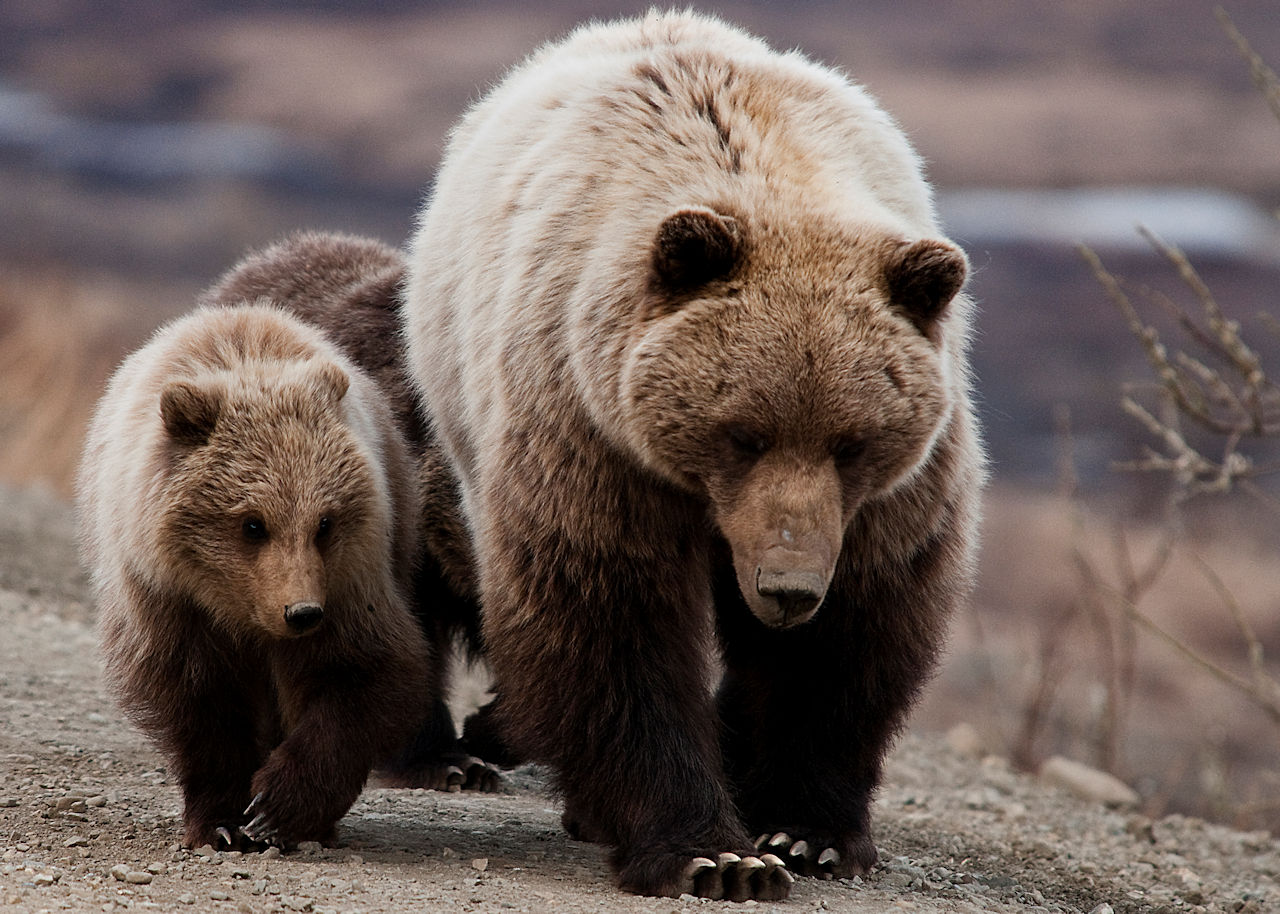
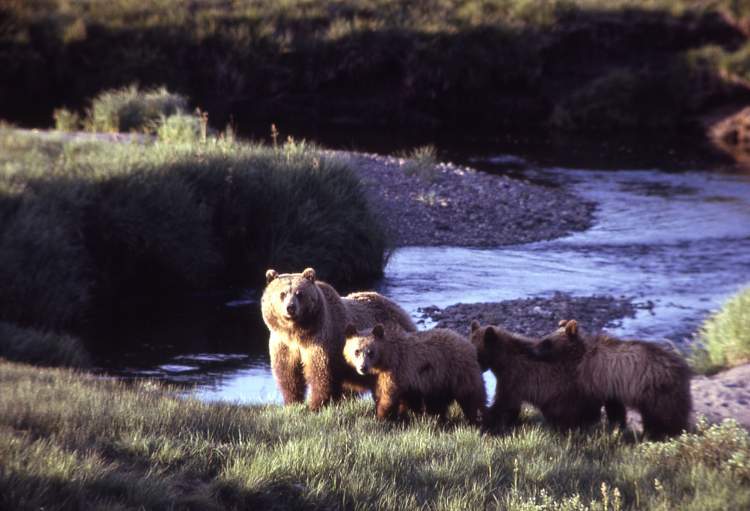
Grizzly Bear Sow and cubs - NPS photo, Tim Rains
Grizzly Bear Sow and cubs – NPS photo, Tim Rains

As mentioned several days ago, a number of conservationists put in for Wyoming grizzly bear hunting tags, with no intention of hunting a griz using anything more lethal than a camera. The effort has paid off in at least one case so far . . .

A famous and fiery critic of grizzly bear hunting who’s made a career photographing the big bruins will have a chance to partake in Wyoming’s first hunt for the species in 44 years.

That person is Images of Nature wildlife photographer Tom Mangelsen, who beat very long odds, drawing No. 8 on an issuance list that will allow up to 10 grizzly hunters into the field starting Sept. 15. Mangelsen learned of the results Thursday morning, when he took a call from his friend and assistant Sue Cedarholm.

“When Sue told me that I got No. 8, I about fell off my chair,” he said. “I just thought, ‘How can that be possible?’”

Read more . . .

Cameron Naficy to speak at Waterton-Glacier Science and History Day, July 24

Waterton Lake
Waterton Lake

Long-time NFPA member Cameron Naficy will be speaking at Waterton-Glacier Science and History Day in Waterton Townsite on July 24, 2018. Here’s the post from the Landscapes in Motion website . . .

15th Annual Waterton-Glacier Science and History Day
Where: Falls Theatre, Waterton Townsite, Waterton Lakes National Park
When: Tuesday, July 24, 2018 — 9:30 a.m. to 3:30 p.m.
Cost: Free with park entry fee and open to all

Cameron’s Talk: A multi-century, transboundary perspective on the fire ecology of the Crown of the Continent
9:45-10:15 a.m.

Cameron will present a talk about the fire ecology of the distinct forest systems on opposite sides of the Continental Divide. He will discuss how forest resilience has changed in the face of increased fire activity driven by climate change, and will present a unique view of how these ecosystems are responding to recent large fires. This is a chance to meet Cameron and learn more about the big picture of fire ecology in a changing world.

For more information about the Waterton-Glacier Science and History Day, visit https://www.pc.gc.ca/en/pn-np/ab/waterton/activ/evenements-events/journee-science-day

Poll indicates strong support for public land protections

Badger-Two Medicine Region

The University of Montana ran a bi-partisan poll back in June that indicated very strong support for protecting public lands, including the Badger-Two Medicine region . . .

A University of Montana poll done last month found there’s strong support for national monument status for the Badger Two Medicine region near Glacier National Park.

The Badger-Two Medicine is a 130,000-acre wildland south of Marias Pass on the Lewis and Clark National Forest. It is known for its elk herd and is prime grizzly bear habitat. The Blackfeet Tribe consider the ground sacred.

It’s also been embroiled in controversy for decades, as oil and gas companies have sought to drill for oil and gas there. Currently, there’s a lawsuit in federal court over the matter, as the Obama Administration canceled all the existing leases in the area during the waning days of the administration, paying off the companies in the process.

The UM poll found that 76 percent of voters supported a national monument designation for the Badger-Two Med.

Read more . . .

Interior proposes reworking of Endangered Species Act

Grizzly bear sow with three cubs - NPS photo
Grizzly bear sow with three cubs – NPS photo

Here’s an excellent article by Rob Chaney of the Missoulian concerning the Interior Department’s proposed changes to the Endangered Species Act. . . .

Proposed changes to the Endangered Species Act would give federal agencies much more leeway to shrink critical habitat and modify protection rules for vulnerable animals and plants.

Interior and Commerce department officials unveiled the proposals in a Thursday morning conference call with reporters. The regulation changes must go through a public comment process and could become policy by the end of 2018. Coincidentally, another set of ESA changes has been drafted into proposed legislation before Congress.

Both moves come as a new national survey shows strong support for the Endangered Species Act among four out of five Americans.

Read more . . .

Also read: Interior Department Proposes a Vast Reworking of the Endangered Species Act (NY Times)

New advocacy group to watchdog aquatic invasive species efforts

Flathead Lake
Flathead Lake

This is interesting.

Late last year, Montana DNRC managed to kill funding for the Flathead Basin Commission. The FBC had been getting a little too pushy, especially in regards to Aquatic Invasive Species (AIS) prevention efforts. Well, it appears those annoying folks popped right back up as an independent organization named Watershed Protection Advocates . . .

A new player has emerged in the fight for the protection of the region’s waters, and next month the Watershed Protection Advocates of Northwest Montana will begin filling out its own “report card” on other agencies in the region.

The new advocacy group was formed by a number of former Flathead Basin Commission board members after the Flathead Basin Protection Fund pulled its financial support of the commission.

Watershed Protection Advocates is chaired by former Flathead Basin Commission chairperson Jan Metzmaker, and former Flathead Basin Commission Executive Director Caryn Miske is the sole contractor for the new advocacy group. Miske was terminated form her position on the commission in February following a series of allegations of misconduct made by Department of Natural Resources and Conservation officials.

Read more . . .

Jane Goodall joins Wyoming protestors in buying up griz hunt tags

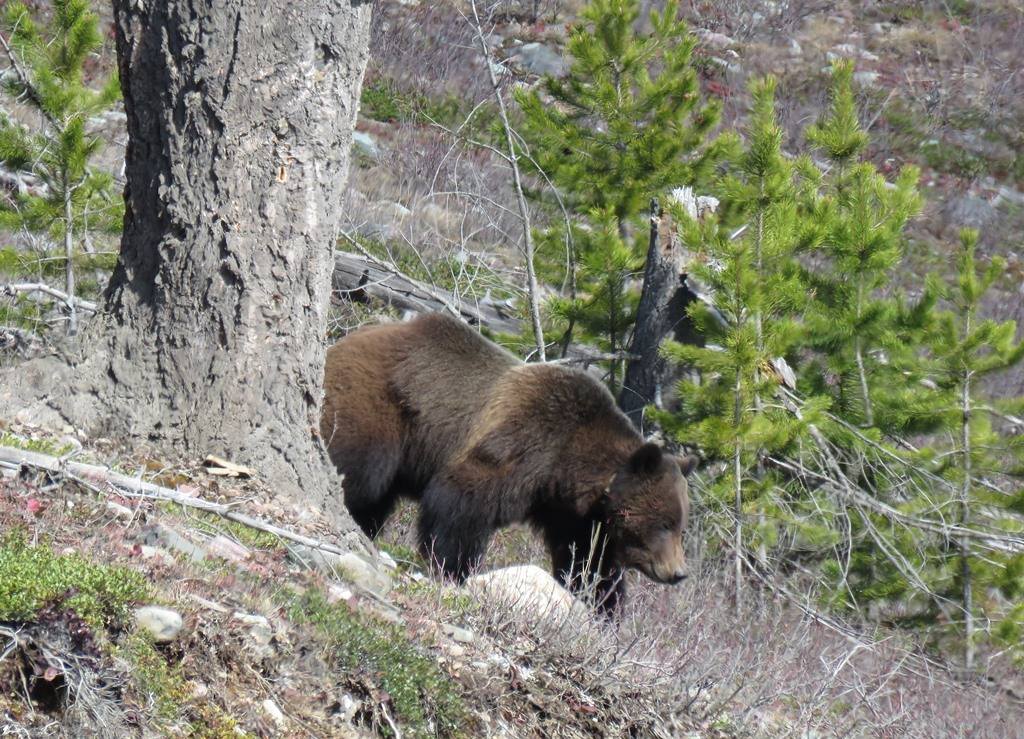
Grizzly on ranch east of Yellowstone - Wyoming Game and Fish Department
Grizzly on ranch east of Yellowstone – Wyoming Game and Fish Department

Now, here’s an interesting approach to combating Wyoming’s grizzly bear hunt. Talk about putting your money where your mouth is . . .

Jane Goodall is a global icon, perhaps the most admired living environmentalist and legendary for her research with chimpanzees. Cynthia Moss is famous for her conservation work in eastern Africa battling elephant poachers and speaking out against trophy hunting.

Within the last few days, Goodall, 84, and Moss, 78, entered a lottery hoping to win a coveted hunting license in Wyoming allowing them to sport shoot a grizzly bear in the Yellowstone region. They have no aspirations to actually kill a bruin. Their maneuver is part of a mass act of civil disobedience to protest Wyoming’s controversial hunt of up to 22 grizzlies—the first in 44 years—slated to commence only weeks from now.

Called “Shoot ‘em With A Camera, Not A Gun,” the impromptu campaign, spearheaded mainly by women, has caught hunting officials in Wyoming off guard. It has also created a groundswell among those who condemn the state’s recommencement of a trophy season on grizzlies just a year after they were removed from federal protection. In May, Wyoming’s wildlife commission approved the hunt unanimously 7-0.

Read more . . .

Plan aims to preserve griz habitat

Grizzly Bear - courtesy NPS
Grizzly Bear – courtesy NPS

Here’s a good article in the Hungry Horse News on the federal habitat plan intended to provide protection for grizzly bears in this corner of the country even after they are removed from the Endangered Species List . . .

The U.S. Fish and Wildlife Service signed off on plan May 16 that looks to maintain grizzly bear habitat and recovery along the Continental Divide even after the bear is removed from the Endangered Species List.

The Habitat Recovery Criteria for the Northern Continental Divide Ecosystem, which includes about 8 million acres of land along the Divide from Glacier National Park south to Ovando, looks to maintain road density and other standards on federal lands, though it does include some wiggle room.

Roads and bears over the years have been a controversial subject, as federal land agencies — most notably the Forest Service, have either closed or completely torn out hundreds of miles of dirt roads that once criss-crossed the Forest. Studies have found that roads and grizzlies don’t mix — not because grizzlies won’t cross roads — they will — but because open roads often result in poaching or other forms of bear deaths due to interactions with humans.

Read more . . .

Habitat rules for grizzly delisting released

Grizzly Sow with Two Cubs - Wikipedia en:User Traveler100
Grizzly Sow with Two Cubs – – Wikipedia en:User Traveler100

Amid substantial debate, plans for removing the grizzly bear from the Endangered Species List proceed apace . . .

A crucial piece of the plan to hand the biggest population of grizzly bears in Montana over to state management was released on Thursday.

The U.S. Fish and Wildlife Service’s Habitat-Based Recovery Criteria for the Northern Continental Divide Ecosystem describes what grizzlies there need to remain off Endangered Species Act protection if the federal government decides to delist them. A full delisting plan for the grizzlies should come up for public review in June.

The Northern Continental Divide Ecosystem (NCDE) stretches from the southern tip of the Bob Marshall Wilderness Complex north to the Canadian border. It includes Glacier National Park, but does not connect to the Greater Yellowstone Ecosystem around Yellowstone National Park. An estimated 1,000 grizzly bears inhabit the NCDE.

Read more . . .