Category Archives: News

Montana wolf numbers stable, exceed federal requirements

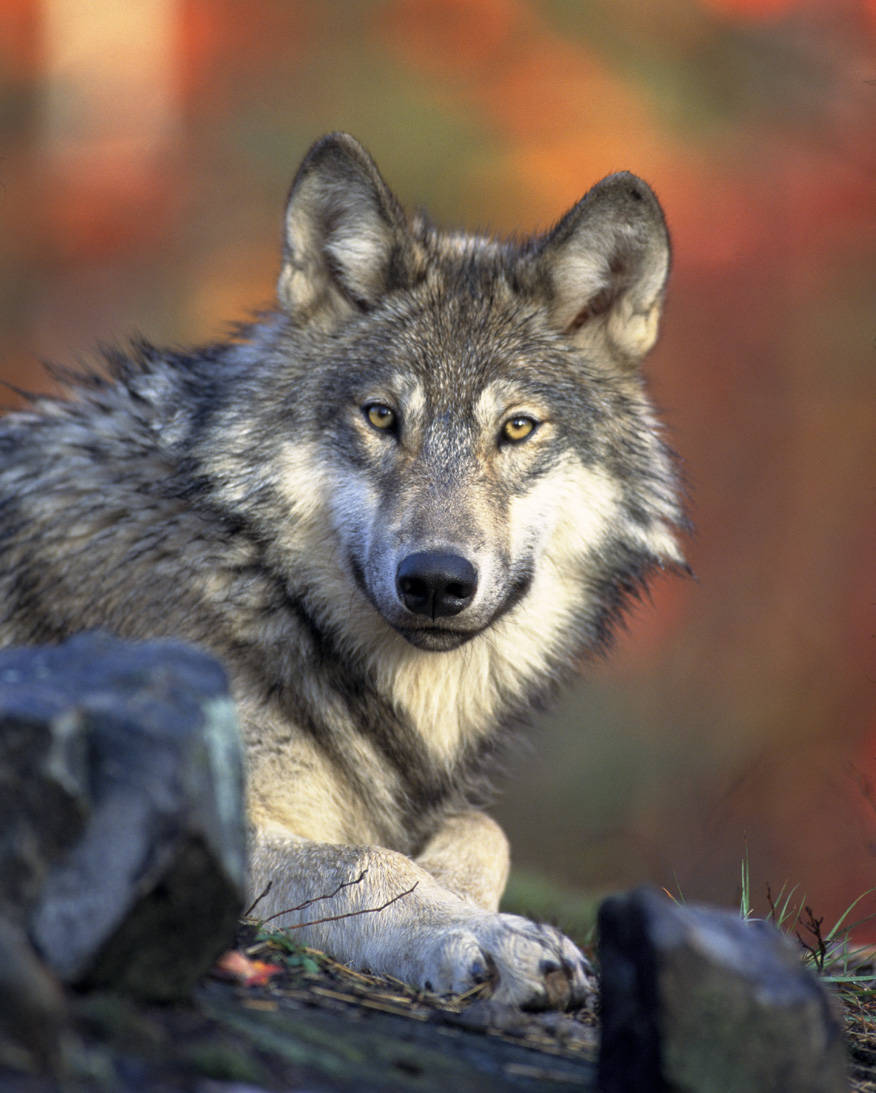
Gray Wolf
Gray Wolf

Here’s a write-up from the Flathead Beacon on the state of the wolf population in Montana. Also see the previous post containing the full press release from Montana Fish, Wildlife and Parks . . .

Five years after the contentious decision to remove federal protections under the Endangered Species Act, Montana’s gray wolf population remains healthy and among the largest in the Northern Rockies, according to state wildlife officials.

The state’s Fish, Wildlife and Parks Department reported a minimum count of 536 wolves across Montana in 2015, 18 fewer than the previous year but well above the federally-mandated minimum of 150.

Biologists confirmed a minimum of 32 breeding pairs, down from 34 in 2014. The federal and state standard requires a minimum of 15 breeding pairs.

Read more . . .

Montana wolf numbers remain stable in 2015

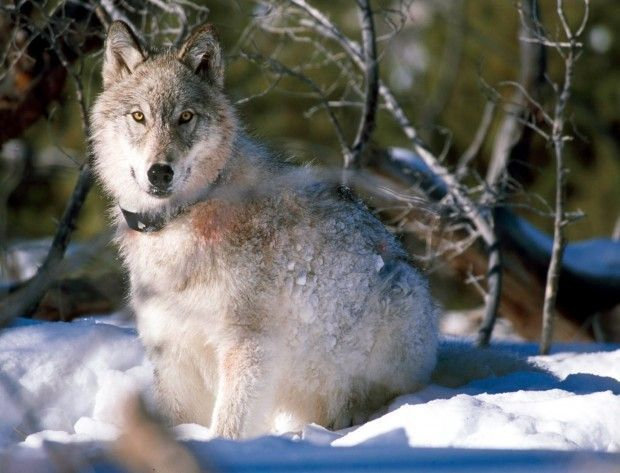
Collared Wolf - courtesy USFWS
Collared Wolf – courtesy USFWS

From an April 1, 2016 press release by Montana Fish, Wildlife and Parks. Note the informational links at the end of the article . . .

Wolf numbers in Montana remain healthy and well above federally-mandated minimums as the fifth and final year of federal oversight of state wolf management comes to an end in May.

Montana’s annual wolf report shows a minimum wolf count of 536 wolves in 2015, which is down from 554 in 2014. Included in this number is a minimum number of breeding pairs of 32, which is down from 34 in 2014.

The difference between the overall minimum wolf counts in 2014 and 2015 is 18, well within the variability expected when counting a wide-ranging species that often occupies rough timbered country.

“It is important to remember that these are minimum counts, meaning that only wolves FWP could actually document as being on the landscape were included,” said John Vore, Montana Fish, Wildlife & Parks Game Management Bureau Chief. “As wolf numbers have increased there is just no way we can physically count them all. We know there are more wolves out there. According to our best estimates the actual number of wolves is at least 30 percent more than the minimum count.”

Continue reading Montana wolf numbers remain stable in 2015

Creston National Fish Hatchery objects to bottling plant

Creston National Fish Hatchery - Elvie Bradley-USFWS
Creston National Fish Hatchery – Elvie Bradley-USFWS

The proposed bottling plant near Creston is drawing fire . . .

In a formal objection filed earlier this month, the U.S. Fish and Wildlife Service challenged the Montana Department of Natural Resources’ determination that a proposed water bottling plant in Creston would not adversely affect the nearby fish hatchery.

The federal agency operates the Creston National Fish Hatchery less than three miles from a well that would pump up to 231.5 million gallons of water from the underlying aquifer each year, according to a preliminary water-rights permit issued to the Montana Artesian Water Co. in January.

The Fish and Wildlife Service disagreed with the modeling used to estimate the proposed water right’s impact on other users, and criticized an internal memo in which the department asserted that the Flathead River and Flathead Lake provide most of the Deep Aquifer’s water.

Read more . . .

Roadless Rule survives appeals process

The long squabble over the Roadless Rule is not dead, but it’s wounded . . .

The lack of a ruling from the U.S. Supreme Court means Alaska must follow the U.S. Forest Service Roadless Rule in its timber harvest, nearly ending 16 years of legal challenges to management of undeveloped forest.

The high court opted not to hear the Alaska state government’s appeal of a U.S. 9th Circuit Court decision upholding the 2001 Roadless Rule. While the decision applies only to Alaska’s attempts to manage federal timberland, the rule affects all Forest Service land in the United States. Montana has the third-largest inventoried roadless area in the nation, after Alaska and Idaho.

“The Roadless Rule was developed because of concern that if you didn’t look at these lands from a national perspective, you might gradually lose the ecological services these areas provide,” said Brian Riggers of the Forest Service’s Region 1 headquarters in Missoula. “Projects developed at a local level may not identify the importance of big pieces of land without looking at it from a national perspective for things like watershed quality, wildlife habitat or ecosystem health. Also, we had a road maintenance backlog, and no money to maintain the roads we had.”

Read more . . .

Wyoming starts taking comments on grizzly management

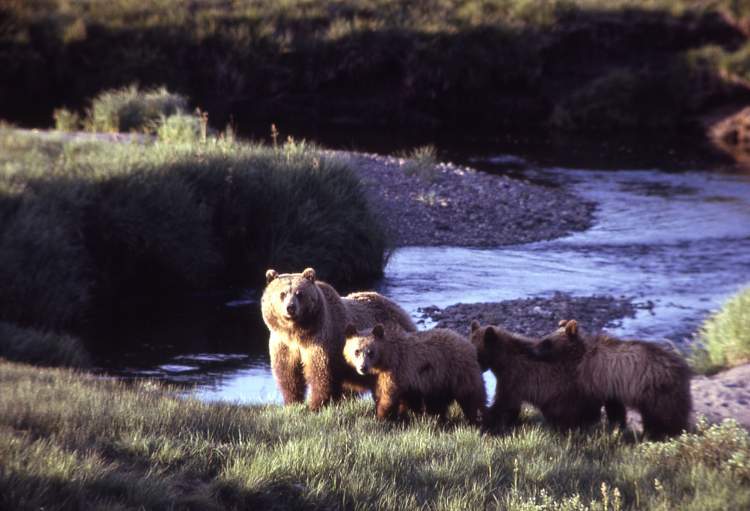
Grizzly bear sow with three cubs - NPS photo
Grizzly bear sow with three cubs – NPS photo

The Wyoming Game and Fish Commission is making plans for grizzly bear delisting . . .

The state of Wyoming is moving to take over management of grizzly bears as environmental groups increasingly scrutinize whether the bear population in the Greater Yellowstone region could sustain hunting.

The Wyoming Game and Fish Commission held its first public hearing Wednesday outlining how the state will manage grizzly bears when they come off of the federal endangered species list. It plans other meetings around the state.

The federal government announced in early March that it intends to lift threatened-species protections for grizzlies in Wyoming, Montana and Idaho.

Read more . . .

Bat-killing disease reported in West for first time

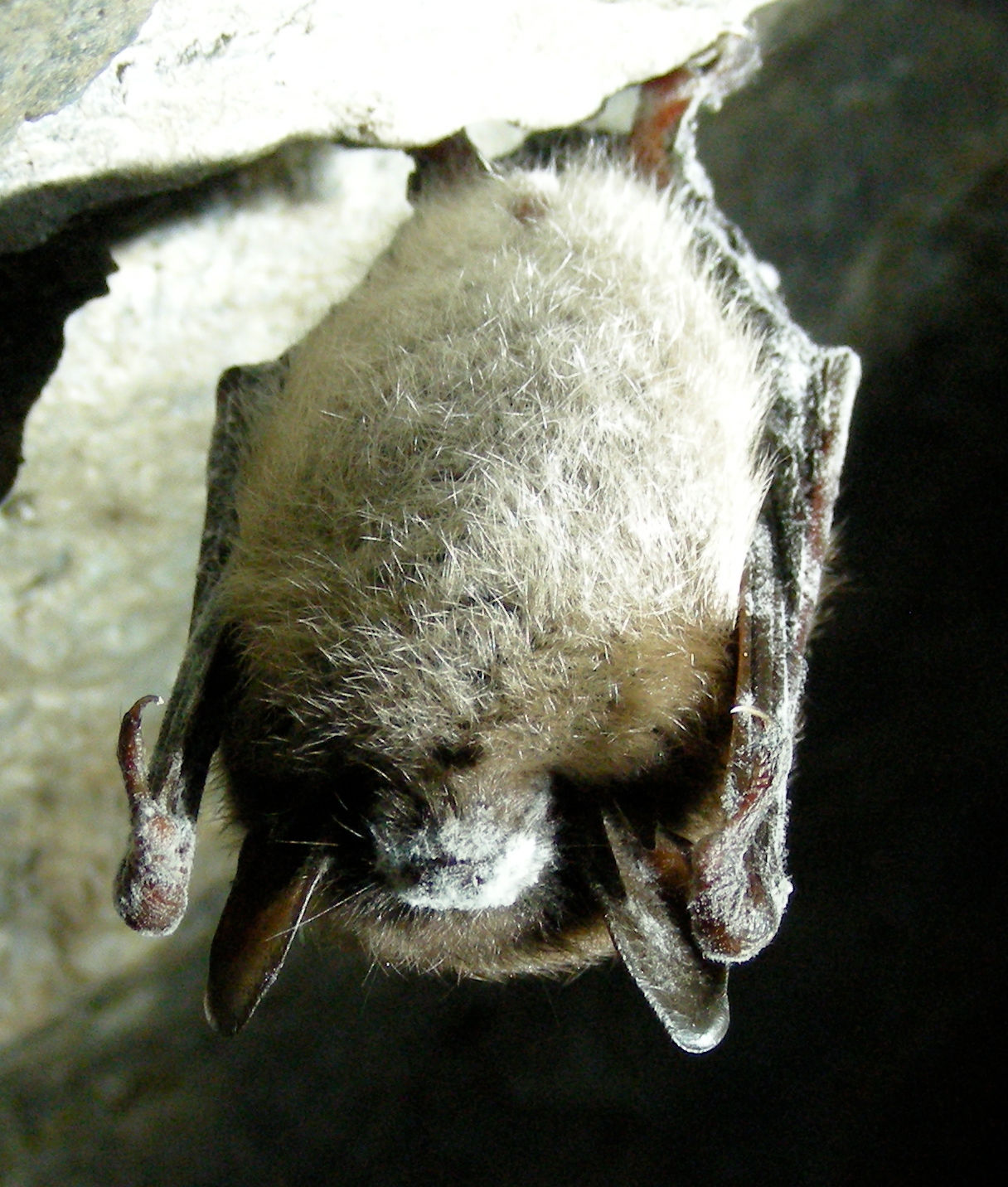
Little brown bat affected by White nose syndrome - Marvin Moriarty-USFWS
Little brown bat affected by White nose syndrome – Marvin Moriarty-USFWS

The Flathead Valley along both sides of the border is a significant bat study area, so the first report of white-nose syndrome in the Western U.S. is worrying . . .

A hiker found a bat with deadly white-nose syndrome along a trail east of Seattle, marking the first time the fungus-borne disease has appeared in the western United States.

“It’s very disheartening to see this long a jump,” said Chris Servheen of the U.S. Fish and Wildlife Service, which monitors the spread of white-nose syndrome. “It was documented by North Bend, Washington, and the closest evidence of white-nose before this was eastern Nebraska and northern Minnesota.”

The little brown bat was found on March 11 in an area not known for caves or hibernaculum, where large colonies of bats gather to hibernate through the winter. The fungus typically creates a powdery coating on a hibernating bat’s nose and mouth, depriving it of the energy it needs to survive the winter. It spreads from nose to nose in the densely packed confines of bat colonies.

Read more . . .

New specialty license plate features North Fork Flathead

'Wild Rivers' license plate featuring North Fork Flathead
‘Wild Rivers’ license plate featuring North Fork Flathead

American Rivers is behind a new Montana specialty license plate featuring the North Fork of the Flathead River . . .

How can license plates help river conservation? When you purchase a new “Wild Rivers” specialty license plate in Montana, the Northern Rockies Office of American Rivers receives a $25 donation that we use to protect wild rivers, restore damaged rivers, and conserve clean water for people and nature across the state.

American Rivers’ Northern Rockies Office commissioned Bozeman artist and outdoor athlete Rachel Pohl to create the stunning painting that appears on the plate, depicting the Wild and Scenic North Fork of the Flathead River along the western boundary of Glacier National Park. Rachel employs bold colors and vibrant imaging in her paintings, capturing the feel of mountain landscapes and making them jump off the canvas. The scene that she evokes in this painting is no different: A mother grizzly and two cubs overlook a whitewater rapid along the North Fork Flathead River, set beneath a fiery sunrise framing the Livingston Range.

Read more . . .

North Fork Road improvement project takes another step forward

North Fork Road, March 17, 2016 - W. K. Walker
North Fork Road, March 17, 2016 – W. K. Walker

It’s official now: If everything falls into place, we could see quite a bit of road work in the neighborhood within a couple of years . . .

The Flathead County Commission voted unanimously on March 24 to move forward with a proposed project among the county and federal partners to rehabilitate the North Fork Road.

The project, part of the Montana Federal Lands Access Program (FLAP), seeks to make improvements to the road, which serves as an access point for about 300 residents and thousands of recreationists each year.

FLAP was established to improve transportation routes that provide access to, are adjacent to, or located within federal lands. The program supplements state and local resources for public roads and transit systems. The North Fork project is still in the application phase.

Read more . . .

Glacier Park still on schedule to begin plowing snow April 1

Rotary snowplow at work - Glacier NP photo
Rotary snowplow at work – Glacier NP photo

Glacier Park is still on-schedule to begin snow removal on April 1, starting with Camas Road. The Flathead Beacon has a good write-up . . .

The true mark of spring’s arrival in the Flathead Valley, the plows in Glacier National Park are rumbling to life this week to embark on the monumental task of clearing Going-to-the-Sun Road.

Park crews are slated to start April 1 with the Camas Road before turning their attention to the park’s iconic 52-mile thoroughfare. Clearing the narrow two-lane road is a challenging task that usually takes 10 weeks depending on weather conditions and snowpack levels. The mountain highway is considered one of the most difficult roads in America to plow. In years past, crews have been hampered by avalanches and significant obstacles, such as the Big Drift, a one-mile section of Sun Road near Logan Pass where typically over 100 feet of snow accumulates in winter.

The current snowpack levels are at 96 percent of average, according to the Flattop Mountain SNOTEL site, a U.S. Geological Survey site sitting at 6,300 feet elevation in the park.

Read more . . .


To monitor road status: http://home.nps.gov/applications/glac/roadstatus/roadstatus.cfm

To see where the plows are: http://home.nps.gov/applications/glac/gttsroadplow/gttsroadplowstatus.cfm

Project could return bison to Glacier Park, Badger-Two Medicine

Bison grazing
Bison grazing

From this week’s Hungry Horse News . . .

Back in 1872 a Salish and Kootenai Warrior named Running Coyote was on the outs with the tribe. He had a wife on one side of the divide and a Blackfeet wife on the other side of the divide.

In an attempt to make amends, Running Coyote along with Blackfeet Warriors Greengrass Bull, Boy Chief and Calf Tail captured several buffalo calves near Buffalo Lake on Blackfeet lands and took them over the Continental Divide to the Salish and Kootenai as a gift.

It didn’t work out for Running Coyote, he still wasn’t forgiven. But the buffalo remained and two other men, Michel Pablo and James Allard took possession of the herd. About 26 years later, the reservation was opened up to homesteading and the free-ranging herd of about 300 animals had to go.

Read more . . .