‘Plants of Inland and Coastal Wet Belts’ presentation on April 20, 7pm

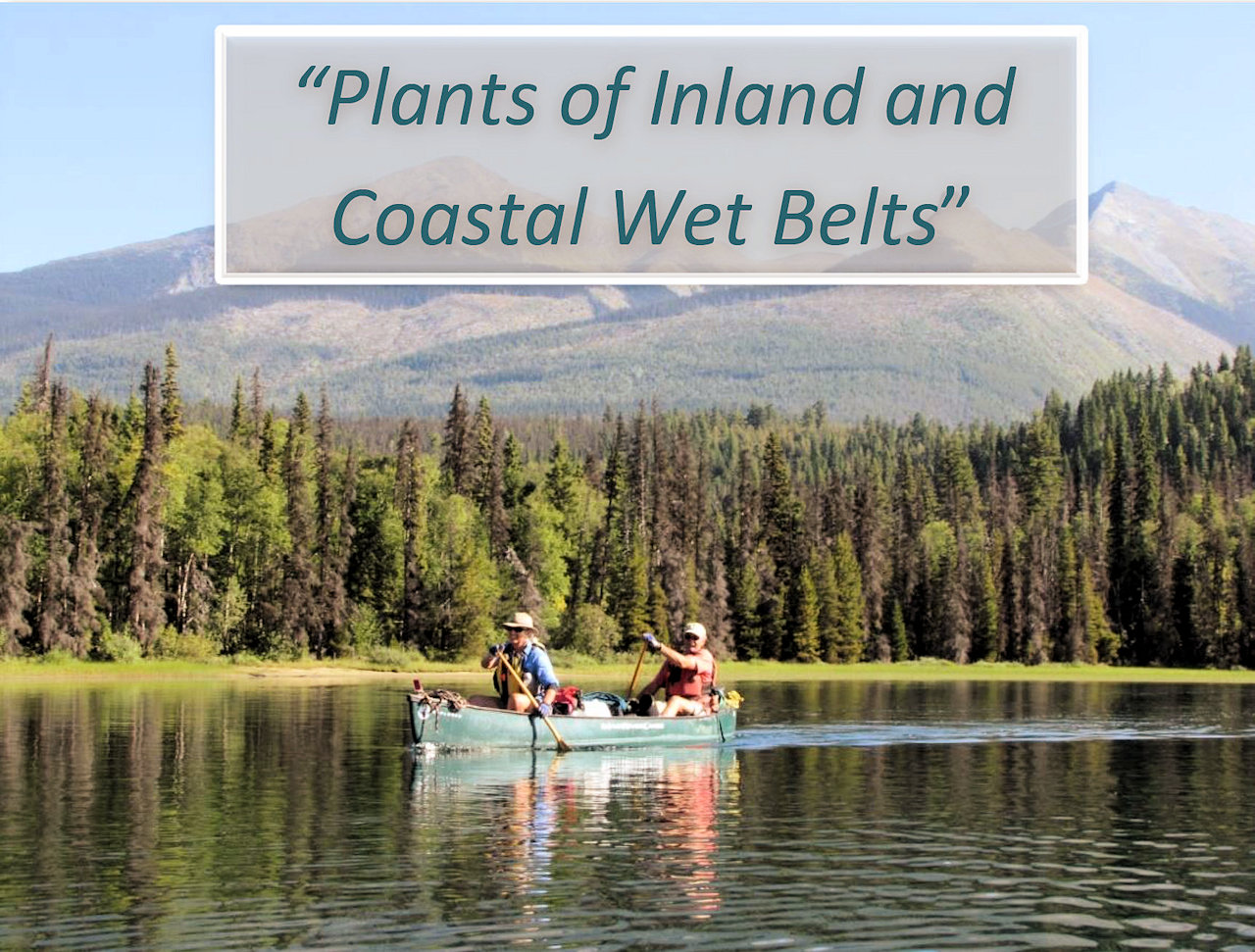
April 20, 2016 - Plants of Inland and Coastal Wet Belts

The Flathead Chapter of the Montana Native Plant Society presents a talk by Rachel Potter on ‘Plants of Inland and Coastal Wet Belts’ on Wednesday, April 20 at 7:00 pm in the North Valley Community Building 235 Nucleus Ave, Columbia Falls . . .

Rachel Potter, founder of Glacier National Park’s Native Plant Nursery and Revegetation Program, will share pictures and stories from kayak and canoe trips to British Columbia’s Bowron Lakes Provincial Park and southeast Alaska’s Tongass National Forest. Her program will be part travelogue and part plants.

Rachel’s program will begin promptly at 7:00 pm. Prior to her program, a general board meeting will take place, starting at 5:30. All are welcome to this general meeting. Both will take place at North Valley Community Building (Teakettle Hall) – look for the North Valley Physical Therapy sign, 235 Nucleus Ave, Columbia Falls.

Group says invasive species control can’t be done on the cheap

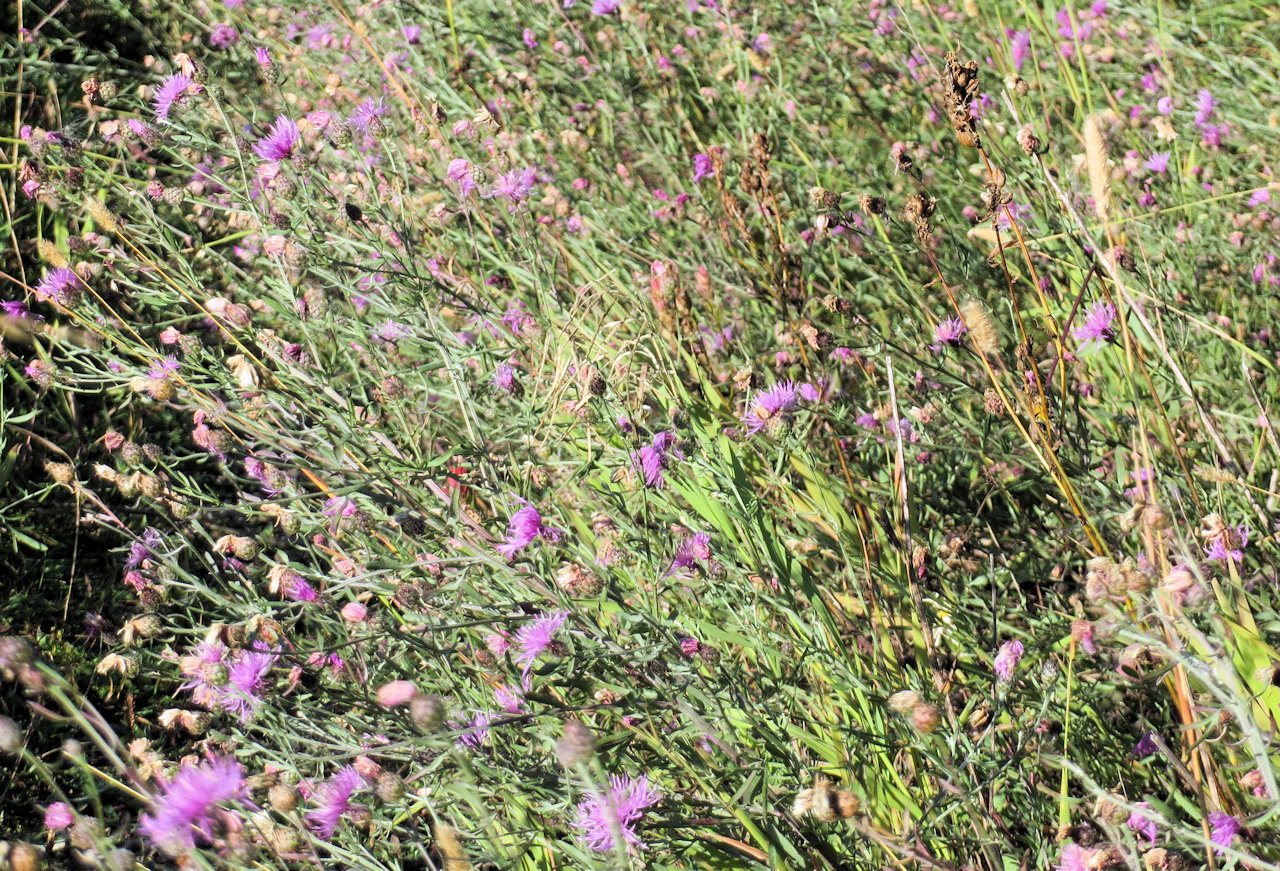
Spotted Knapweed along Trail 3 in Flathead NF, Sep 13, 2014 - William K. Walker
Spotted Knapweed along Trail 3 in Flathead NF, Sep 13, 2014 – William K. Walker

No big surprise, but it needed saying: the Montana Invasive Species Advisory Council points out that effective invasive species control costs money . . .

An assessment of invasive species management by the Montana Invasive Species Advisory Council said a lack of money is one of the biggest obstacles to protecting Montana’s environment from noxious weeds and other unwanted biological invaders.

The council was created by a Gov. Steve Bullock in 2014. A Governor’s Summit on Invasive species will be held April 12 and 13 in Helena, followed by development of a statewide action plan by the end of the year.

“Montana’s vast outdoor recreation and wide-open spaces are an important part of what makes Montana great and they play a crucial role in our growing economy,” Bullock said in a statement. “The threat of invasive species to our land, water, native species, and economy is real, and I will always fight to protect them.”

Read more . . .

Apprentice packing program begins this year

Our own Frank Vitale gets some ink in an article about the apprentice packing program beginning this year . . .

Frank Vitale was deep in the backcountry along with a pair of fellow wilderness packers last summer when the campfire talk turned to the future of their profession.

“We don’t see a whole lot of young people packing anymore,” Vitale said. “And a lot of us are starting to get a little gray around the muzzle.”

Vitale splits his work life between packing trips and horseshoeing on his ranch, which sits nestled against the Swan Mountain foothills between Creston and Bigfork.

Read more . . .

Annual public meeting looks at to-do list for Bob Marshall Wilderness

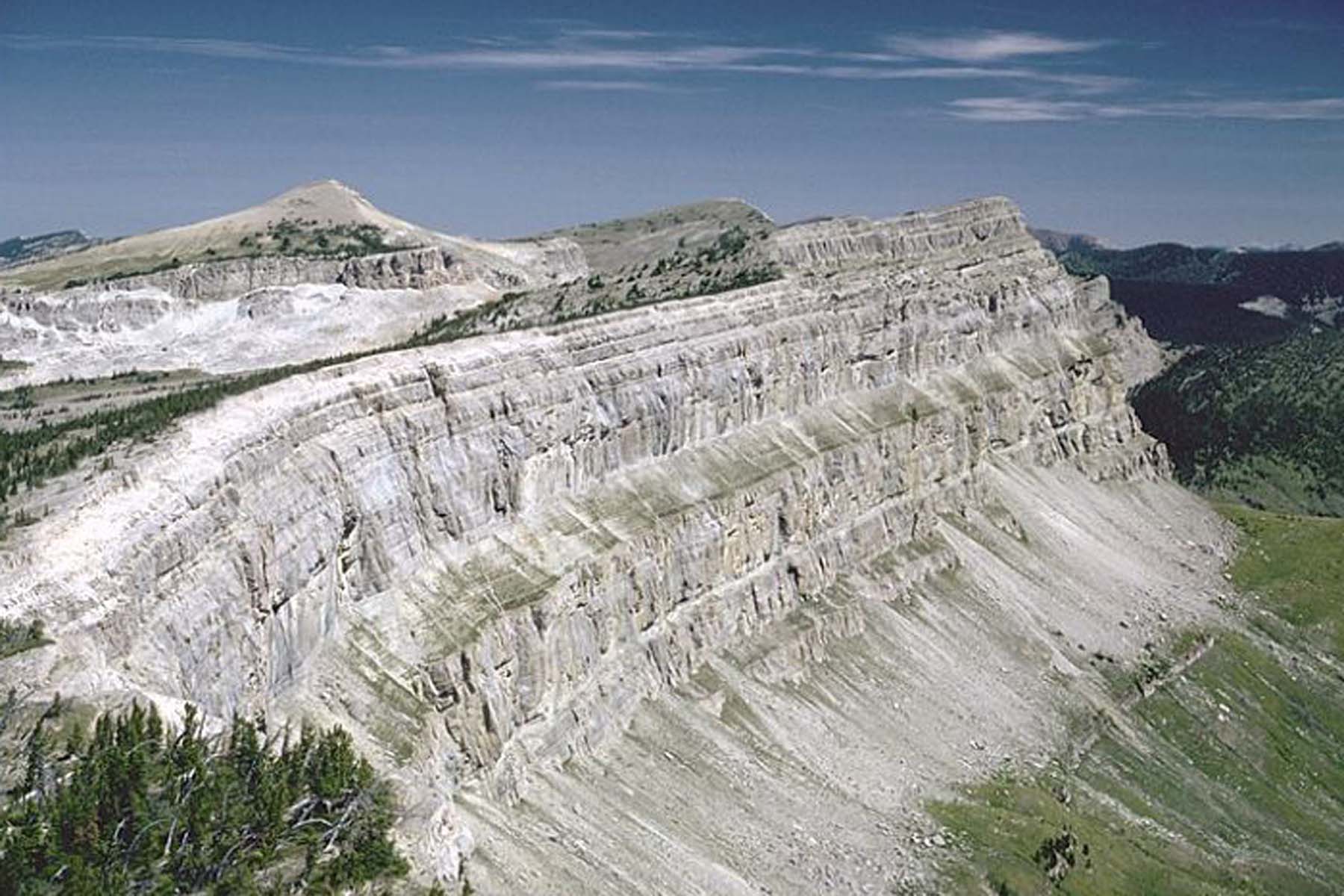
Chinese Wall - Bob Marshall Wilderness
Chinese Wall – Bob Marshall Wilderness

The Missoulian has an interesting report on the April 2, 2016 Bob Marshall Wilderness complex annual meeting in Choteau . . .

For all the work needed in the woods, there’s at least as much to do back in the office regarding the Bob Marshall Wilderness Complex.

U.S. Forest Service and Montana Fish, Wildlife and Parks analysts have several long-term projects underway that will affect how hikers, riders, hunters and neighbors experience the 1.5 million-acre backcountry. Much of the to-do list was reviewed at an annual public meeting on Saturday that’s been convening every spring for more than 30 years.

This years’ gathering attracted everyone from Choteau business owners and ranchers to horseback riders who could trace three generations of family experience in the Bob. In between were outfitters, airplane pilots, snowmobile riders and representatives from conservation groups like the Montana Wilderness Association.

Read more . . .

Montana wolf numbers stable, exceed federal requirements

Gray Wolf
Gray Wolf

Here’s a write-up from the Flathead Beacon on the state of the wolf population in Montana. Also see the previous post containing the full press release from Montana Fish, Wildlife and Parks . . .

Five years after the contentious decision to remove federal protections under the Endangered Species Act, Montana’s gray wolf population remains healthy and among the largest in the Northern Rockies, according to state wildlife officials.

The state’s Fish, Wildlife and Parks Department reported a minimum count of 536 wolves across Montana in 2015, 18 fewer than the previous year but well above the federally-mandated minimum of 150.

Biologists confirmed a minimum of 32 breeding pairs, down from 34 in 2014. The federal and state standard requires a minimum of 15 breeding pairs.

Read more . . .

Montana wolf numbers remain stable in 2015

Collared Wolf - courtesy USFWS
Collared Wolf – courtesy USFWS

From an April 1, 2016 press release by Montana Fish, Wildlife and Parks. Note the informational links at the end of the article . . .

Wolf numbers in Montana remain healthy and well above federally-mandated minimums as the fifth and final year of federal oversight of state wolf management comes to an end in May.

Montana’s annual wolf report shows a minimum wolf count of 536 wolves in 2015, which is down from 554 in 2014. Included in this number is a minimum number of breeding pairs of 32, which is down from 34 in 2014.

The difference between the overall minimum wolf counts in 2014 and 2015 is 18, well within the variability expected when counting a wide-ranging species that often occupies rough timbered country.

“It is important to remember that these are minimum counts, meaning that only wolves FWP could actually document as being on the landscape were included,” said John Vore, Montana Fish, Wildlife & Parks Game Management Bureau Chief. “As wolf numbers have increased there is just no way we can physically count them all. We know there are more wolves out there. According to our best estimates the actual number of wolves is at least 30 percent more than the minimum count.”

Continue reading Montana wolf numbers remain stable in 2015

Creston National Fish Hatchery objects to bottling plant

Creston National Fish Hatchery - Elvie Bradley-USFWS
Creston National Fish Hatchery – Elvie Bradley-USFWS

The proposed bottling plant near Creston is drawing fire . . .

In a formal objection filed earlier this month, the U.S. Fish and Wildlife Service challenged the Montana Department of Natural Resources’ determination that a proposed water bottling plant in Creston would not adversely affect the nearby fish hatchery.

The federal agency operates the Creston National Fish Hatchery less than three miles from a well that would pump up to 231.5 million gallons of water from the underlying aquifer each year, according to a preliminary water-rights permit issued to the Montana Artesian Water Co. in January.

The Fish and Wildlife Service disagreed with the modeling used to estimate the proposed water right’s impact on other users, and criticized an internal memo in which the department asserted that the Flathead River and Flathead Lake provide most of the Deep Aquifer’s water.

Read more . . .

Roadless Rule survives appeals process

The long squabble over the Roadless Rule is not dead, but it’s wounded . . .

The lack of a ruling from the U.S. Supreme Court means Alaska must follow the U.S. Forest Service Roadless Rule in its timber harvest, nearly ending 16 years of legal challenges to management of undeveloped forest.

The high court opted not to hear the Alaska state government’s appeal of a U.S. 9th Circuit Court decision upholding the 2001 Roadless Rule. While the decision applies only to Alaska’s attempts to manage federal timberland, the rule affects all Forest Service land in the United States. Montana has the third-largest inventoried roadless area in the nation, after Alaska and Idaho.

“The Roadless Rule was developed because of concern that if you didn’t look at these lands from a national perspective, you might gradually lose the ecological services these areas provide,” said Brian Riggers of the Forest Service’s Region 1 headquarters in Missoula. “Projects developed at a local level may not identify the importance of big pieces of land without looking at it from a national perspective for things like watershed quality, wildlife habitat or ecosystem health. Also, we had a road maintenance backlog, and no money to maintain the roads we had.”

Read more . . .

Wyoming starts taking comments on grizzly management

Grizzly bear sow with three cubs - NPS photo
Grizzly bear sow with three cubs – NPS photo

The Wyoming Game and Fish Commission is making plans for grizzly bear delisting . . .

The state of Wyoming is moving to take over management of grizzly bears as environmental groups increasingly scrutinize whether the bear population in the Greater Yellowstone region could sustain hunting.

The Wyoming Game and Fish Commission held its first public hearing Wednesday outlining how the state will manage grizzly bears when they come off of the federal endangered species list. It plans other meetings around the state.

The federal government announced in early March that it intends to lift threatened-species protections for grizzlies in Wyoming, Montana and Idaho.

Read more . . .

Bat-killing disease reported in West for first time

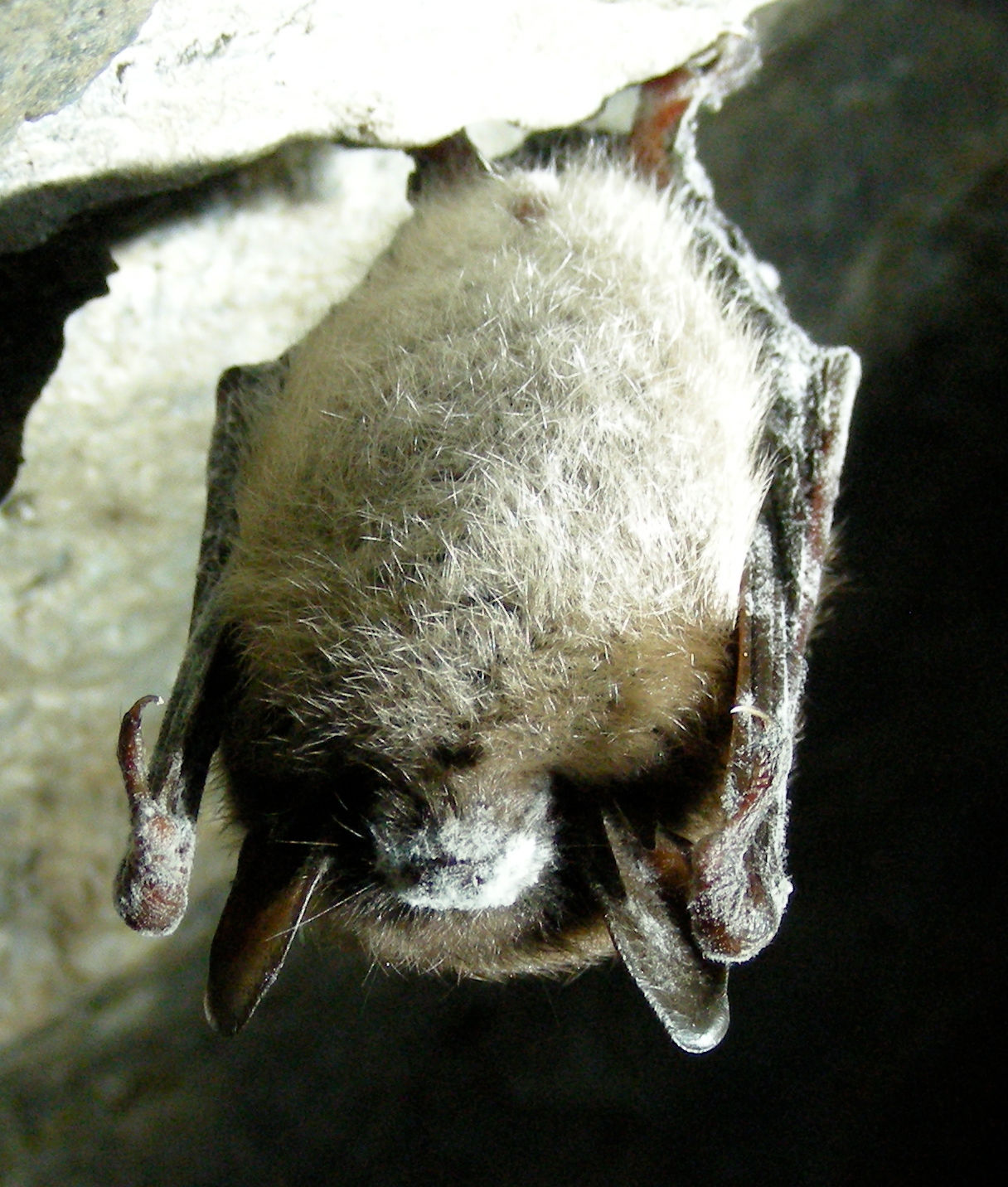
Little brown bat affected by White nose syndrome - Marvin Moriarty-USFWS
Little brown bat affected by White nose syndrome – Marvin Moriarty-USFWS

The Flathead Valley along both sides of the border is a significant bat study area, so the first report of white-nose syndrome in the Western U.S. is worrying . . .

A hiker found a bat with deadly white-nose syndrome along a trail east of Seattle, marking the first time the fungus-borne disease has appeared in the western United States.

“It’s very disheartening to see this long a jump,” said Chris Servheen of the U.S. Fish and Wildlife Service, which monitors the spread of white-nose syndrome. “It was documented by North Bend, Washington, and the closest evidence of white-nose before this was eastern Nebraska and northern Minnesota.”

The little brown bat was found on March 11 in an area not known for caves or hibernaculum, where large colonies of bats gather to hibernate through the winter. The fungus typically creates a powdery coating on a hibernating bat’s nose and mouth, depriving it of the energy it needs to survive the winter. It spreads from nose to nose in the densely packed confines of bat colonies.

Read more . . .