Lydia Millet: A Danger to Our Grizzlies

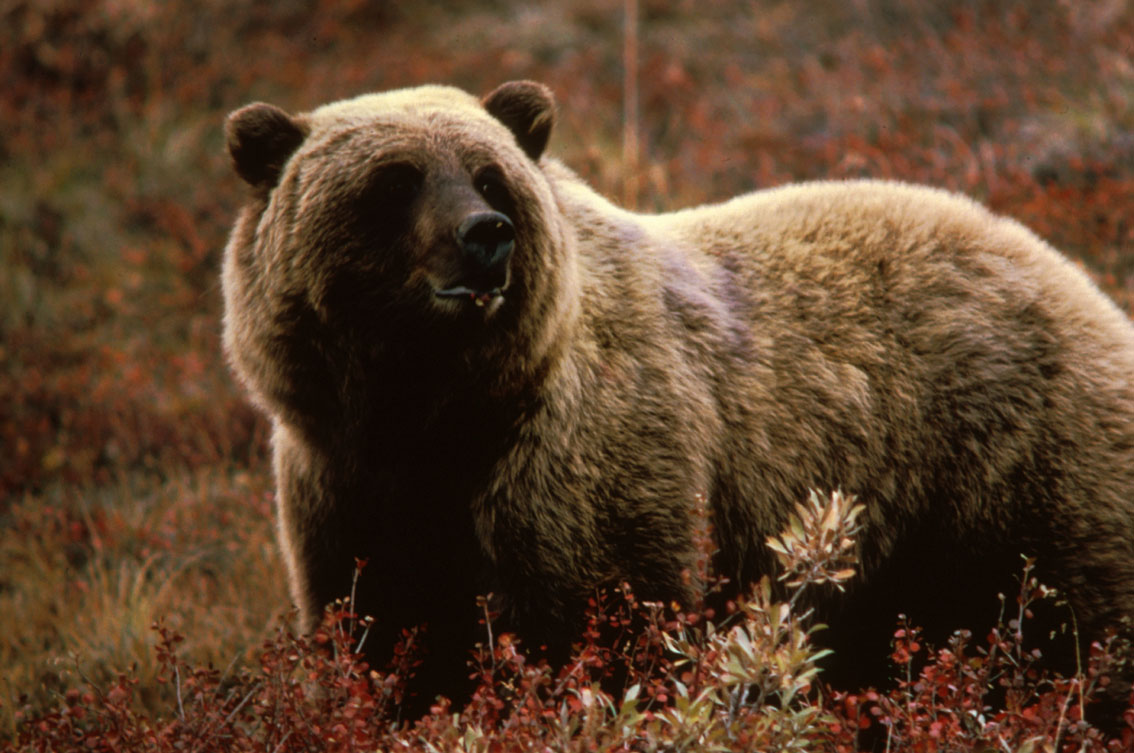
Brown Grizzly Bear - Wikipedia User Mousse
Brown Grizzly Bear – Wikipedia User Mousse

The following op-ed in the New York Times provides broad visibility for grizzly bear conservation issues . . .

In 1805 the explorers Meriwether Lewis and William Clark, making their way across the West, were warned by American Indian tribes of grizzly bears’ awesome strength. At first Lewis scoffed at the tribes’ advice, writing in his journal that “in the hands of skillful riflemen they are by no means as formidable or dangerous as they have been represented.” A few terrifying encounters with the bears, though, changed his mind about that.

A little more than a century later, crowds at Yellowstone National Park would gather in delight to watch the bears dine on food scraps. Signs were marked “Lunch Counter … for Bears Only.” Those days are long gone, but crowds still flock to Yellowstone — nearly four million visitors every year — partly to catch a glimpse of the storied creatures.

I’ve seen a few wild grizzly bears, mostly in Alaska and British Columbia, and always from a distance. But each grizzly I’ve caught sight of was as fearsome and sublime as the last. You never get used to their raw power and massive bodies, or the mysterious intelligence in their dark, close-set eyes.
Read more . . .

Alert: Public lands grab efforts move from states to U.S. House

A heads-up from Debo Powers . . .

Let’s get out our pens and start writing letters to Congressman Zinke to oppose HR3650 and HR2316…….or better still, call his office (406-225-3211).

The U.S. House Natural Resources Committee will hear the new bills on Thursday. HR 3650 would allow any state to claim ownership of up to 2 million acres of national forests, roughly the size of Yellowstone National Park. A second bill, HR 2316, would allow states to seize 4 million acres of national forests for clear-cut logging.

Read the whole story here:

http://www.publicnewsservice.org/2016-02-24/public-lands-wilderness/public-land-grabs-move-from-states-to-congress/a50536-1

UPDATE: The Montana Wilderness Association has an online form that makes it easy to zip off a message to Rep. Zinke. You can find it here. It’s best to replace the text of the auto-generated email message with your own words, though.

CSKT urges bi-national involvement as B.C. coal mining pollutants Increase

The upcoming meeting between President Obama and Canada’s new Prime Minister, Justin Trudeau, is drawing a lot of attention to transboundary environmental issues . . .

On March 10, President Obama will host a state dinner at the White House for newly elected Canadian Prime Minister Justin Trudeau, the first time such an event has occurred for a Canadian leader in nearly two decades.

The historic gathering between the two liberal leaders could signal a watershed moment for the conservation world, which is on high alert as stakeholders attempt to ensure that a suite of transboundary natural resource measures figure prominently on the menu, including a call by Montana’s largest tribal government to address concerns over mining contaminants in the state’s waterways.

On both sides of the border, the growing wish list of environmental measures is unspooling rapidly.

Read more . . .

Montana moves forward with sage grouse habitat plan

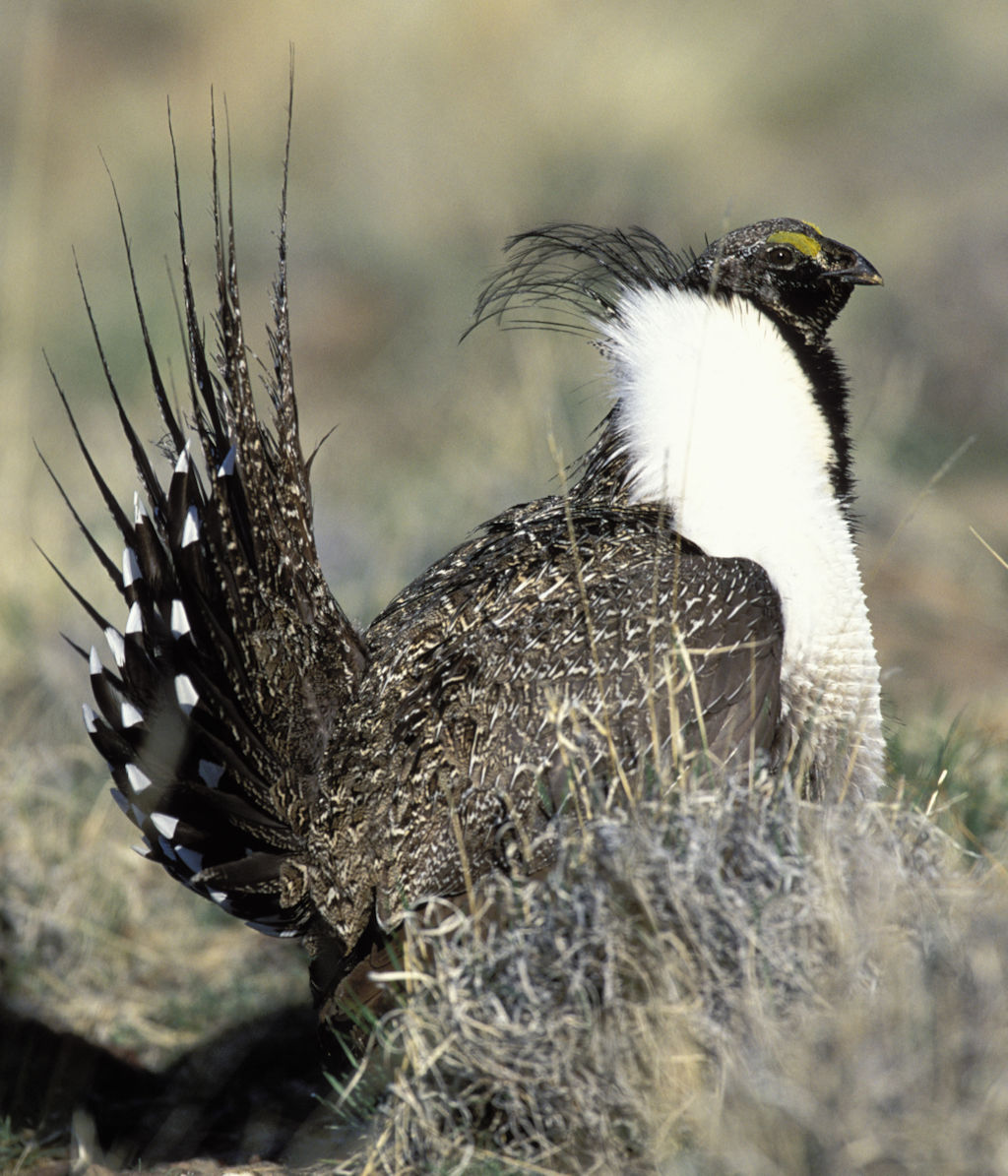
Sage Grouse - USFWS image
Sage Grouse – USFWS image

Montana gets ready to dish out funding for sage grouse habitat improvement . . .

A Montana panel overseeing a sage grouse conservation plan finalized guidelines on Friday for awarding $10 million in grants to help boost habitat for the imperiled bird.

Meanwhile, state officials have completed evaluating the bulk of 112 projects proposed within prime habitat for the sage grouse, as part of the ongoing implementation of an executive order issued by Gov. Steve Bullock in September.

“I am very happy to report that we are under way,” said Carolyn Sime, a resource program manager for the state’s Department of Natural Resources and Conservation.

Read More . . .

Brian Sybert: The antidote to anti-public lands extremism: Finding common ground and working together

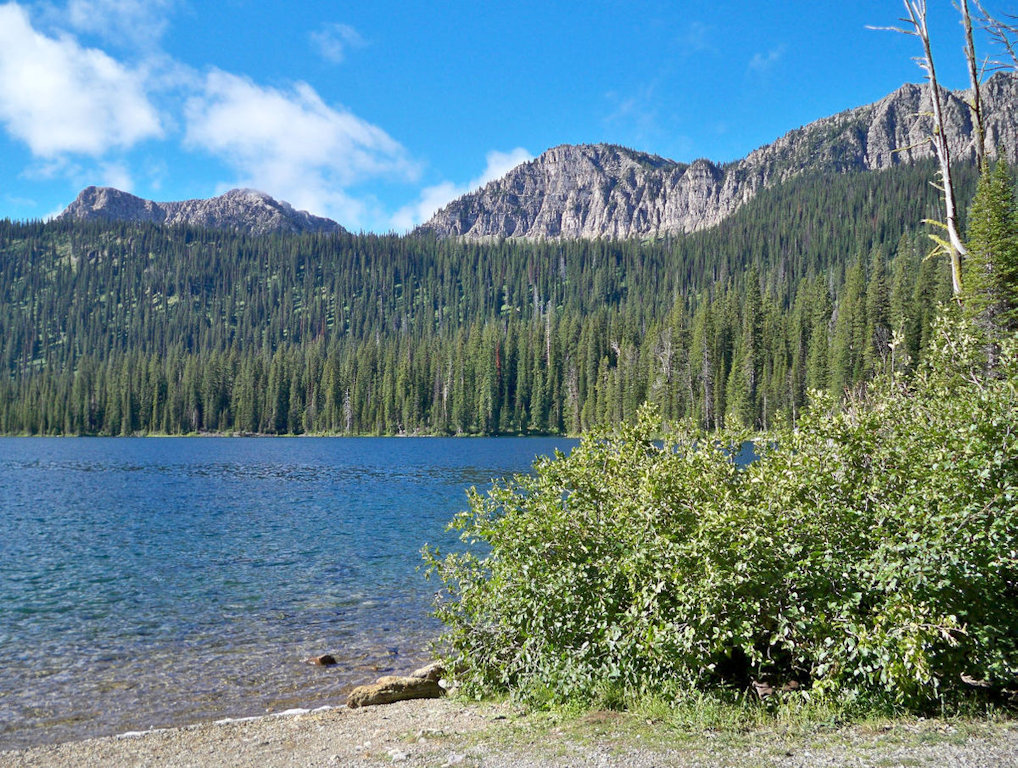
Big Therriault Lake - Kootenai National Forest
Big Therriault Lake – Kootenai National Forest

Here’s a pretty straightforward op-ed from the MWA’s Brian Sybert on public lands issues and the importance of working together to address them . . .

It’s been near impossible to miss the headlines about armed extremists and radical politicians trying to destroy our national public lands legacy. From Washington, D.C., to the Malheur National Wildlife Refuge, selfishness and delusional interpretations of the U.S Constitution have come together in support of a disastrous agenda aimed squarely at one thing: taking national public lands away from the American people.

But neither the armed militants at Malheur nor the suit-clad lands transfer zealots in Utah and D.C. have anticipated how much the American people, Westerners in particular, value public lands. In January, Colorado College released its sixth-annual bipartisan Conservation in the West Poll, showing that Western voters, including Montanans, see American public lands as integral to our economy and way of life and overwhelmingly oppose efforts to weaken and seize those lands.

The poll also revealed that Westerners strongly support people working together to find common-ground solutions to public land challenges, and herein lies the antidote to the toxic anti-public lands agenda represented by the likes of the Bundy gang and the American Lands Council. Community-driven collaboratives not only result in the protection of wild places, the creation of new jobs and the advancement of our public lands legacy, they also nourish our nation’s democracy.

Read more . . .

Haskill Basin conservation easement completed

Good news for Whitefish: The Haskill Basin conservation easement is a done deal . . .

For years, conservation groups and city officials have recognized the development pressure that could bear down on Haskill Basin, a block of land east of Whitefish owned by F.H. Stoltze Land and Lumber Co.

And for years, those concerns were quelled by a good-faith agreement with the Stoltze family, who for more than a century has maintained its commitment to managing the Haskill parcel as a working forest, rather than leveraging it into a revenue-rich development deal.

On Wednesday, that handshake deal was inked into the history books as Whitefish city officials, along with Montana Fish, Wildlife and Parks, Stoltze, and the nonprofit Trust for Public Land, finalized an agreement to furnish permanent protections on 3,020 acres of land in the Haskill Creek watershed.

Read more . . .

FWP reminds residents that feeding wildlife is Illegal and can be dangerous

Here’s a timely reminder from Montana Fish Wildlife and Parks . . .

FWP would like to remind folks that the supplemental feeding of game animals is illegal under Montana code (MCA 87-6-216). Recently, FWP has been investigating incidents of residents feeding deer in the Libby and Yaak area.

The law specifically prohibits the feeding of ungulates—(deer, elk, moose, and antelope), mountain lions and bears. The recreational feeding of birds (song birds, turkeys, pheasants, etc) can also be unlawful if it attracts ungulates or bears, and in some cities like Libby there are also ordinances against feeding turkeys. Supplemental food includes grain, processed feed, hay, and other foods.

Feeding turkeys can also attract other species. For example, if deer are drawn to feeding sites, they can attract mountain lions and pose a safety threat to neighbors.

FWP has also received reports of aggressive deer near a school bus stop in Libby. These deer may have been habituated with supplemental feed, and could be a threat to the safety of children in the area. FWP and Libby law enforcement officials may have to act to remove the deer in the interest of public safety. Killing habituated wildlife is a last resort when a public safety issue is involved. Feeding deer not only poses a safety threat it also congregates wildlife and increases the risk of disease transmission putting all deer in the area at risk.

In the Yaak, supplemental feeding of deer has attracted a young black bear cub that hadn’t been able to den for the winter. FWP has captured the cub and will transport it to the state rehabilitation center in Helena. Continue reading FWP reminds residents that feeding wildlife is Illegal and can be dangerous

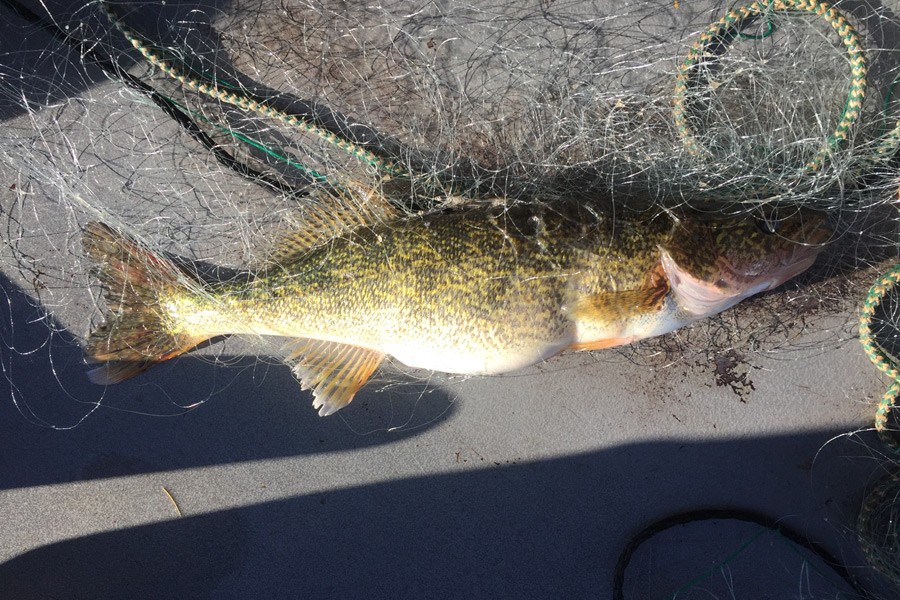
Test shows Swan Lake walleye are Illegal transplants

A walleye caught in Swan Lake - courtesy Montana Fish, Wildlife and Parks
A walleye caught in Swan Lake – courtesy Montana Fish, Wildlife and Parks

The walleyes found in Swan Lake were illegally dumped there last year. Now fisheries personnel are worried about bucket biologists doing the same in other lakes and streams in the area . . .

State wildlife officials have confirmed that two walleyes caught in Swan Lake last fall were illegally transplanted, quelling concerns that the non-native species spawned in the lake.

Fish, Wildlife and Parks biologists reported catching the walleye in Swan Lake in October during a gill-net operation, marking the first time the species has been discovered in the lake and raising concerns about the illegal introduction of yet another non-native fish in Montana’s waters, according to Mark Deleray, Region One fisheries manager for Montana Fish, Wildlife and Parks.

Recent microchemistry analysis of the inner ear bones of the fish indicates they were introduced to the lake sometime last year.

Read more . . .

News bites from here and there

Debo Powers passed along these interesting items from our corner of the country . . .

Here is a blog from Sally Cathey, MWA field director for southwest Montana, calling for public comments on the Beaverhead-Deerlodge Forest Plan.

Keep the Quiet

And here is an article about a nonviolent protest that really worked! It reminds me of how John Frederick bought stock in a Canadian mine in the North Fork and went to the stockholder’s meeting to speak against the mine. This is creativity in action!

Auction of Utah oil & gas leases spurs author Terry Tempest Williams to (legally) buy lease

Whitefish looks to reduce carbon footprint

NFPA and Whitefish City Council member Richard Hildner, is taking the lead on new climate action plan for the city . . .

Whitefish is investigating whether it should establish a climate action plan in an attempt to reduce the city’s carbon footprint.

City Council studied the option last week while also considering a similar plan involving the whole North Valley.

A climate action plan is a set of strategies aimed at reducing a city’s environmental impact and increasing energy efficiency. Two years ago, council put the item on its goals list.

Read more . . .