Links to the entire suite of dashboards, as well as a great deal of additional information on FWP’s bear management efforts can be found on their Grizzly Bear Management and Conservation webpage.
A very interesting article from the New York Times discussing how folks on the east side of Montana’s Continental Divide are learning to deal with grizzlies as they return to their historic range . . .
The grizzly bears feasted on piles of spilled wheat and barley. They broke into grain bins. They helped themselves to apples from family orchards. Sometimes they massacred chickens or picked off calves.
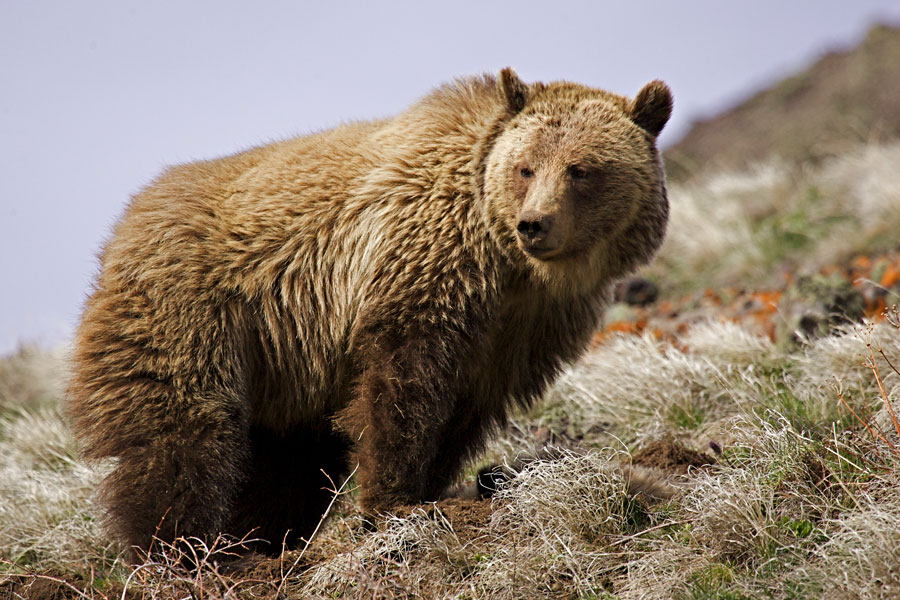
Once nearly eradicated from the lower 48 United States, grizzlies are growing in population and spreading onto Montana’s plains, where they had not roamed in perhaps a century.
In their travels, they’ve acquired a fondness for the good eating to be found in farmyards.
Good overview of Montana Fish, Wildlife and Park’s proposed grizzly bear management plan . . .
Montana Fish, Wildlife and Parks has finalized its plan for managing grizzly bears, described by the agency as among Montana’s most “conservation-reliant” and “conflict-prone” species.
Late last month, FWP Director Dustin Temple formally adopted a 326-page outline for how the state will address conflicts between bears and people, approach an eventual trophy hunt and respond to the state’s growing — and dispersing — grizzly population.
The Statewide Grizzly Bear Management Plan represents the agency’s attempt to thread a narrow needle. With this plan, FWP is striving to reassure federal wildlife managers that it will be a responsible steward of a species that was hunted nearly to extinction in the not-too-distant past while also demonstrating its responsiveness to the concerns of Montanans living with grizzlies — some more willingly than others.
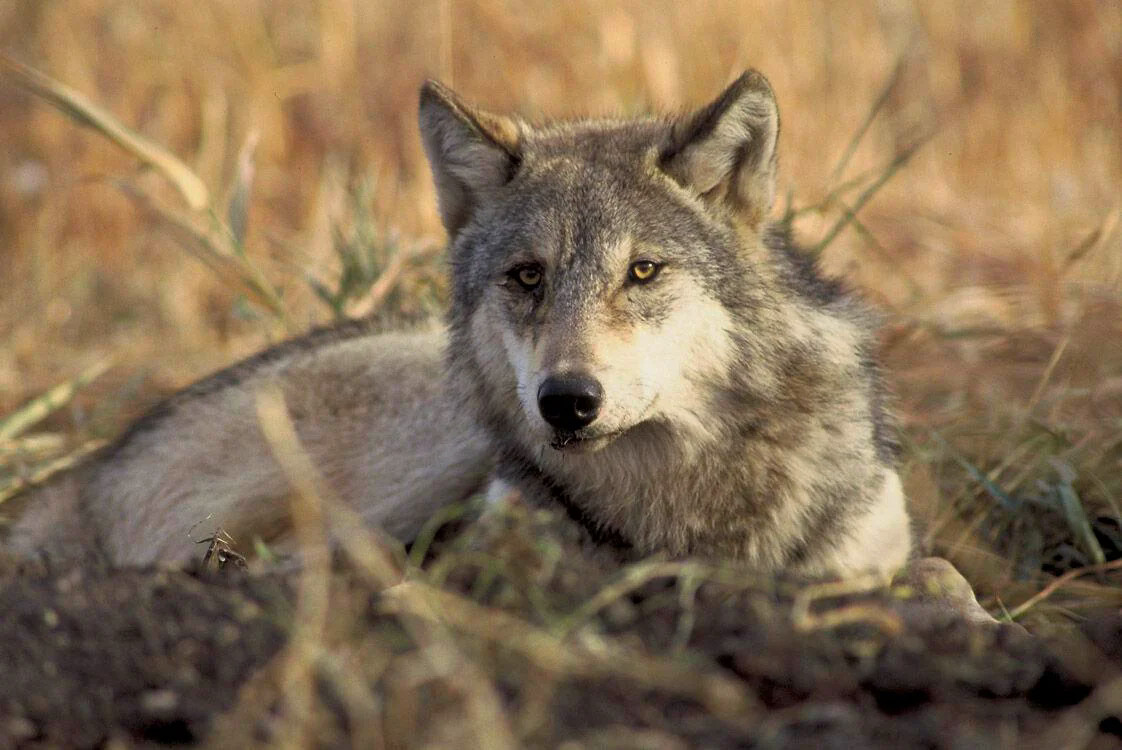
Gray wolf – John and Karen Hollingsworth, U.S. Fish and Wildlife Service
Wolf trapping in Montana got curtailed in those areas with grizzly bear populations . . .
A federal judge in Missoula issued an order late Tuesday afternoon that will limit Montana’s wolf trapping season to Jan. 1 to Feb. 15 next year in hunting Regions 1 through 5 and three counties along the north-central border, citing the possibility that threatened grizzly bears get caught in wolf traps or snares.
U.S. District Court Judge Donald Molloy’s order granting a preliminary injunction in the case came less than 30 hours after he heard arguments from the plaintiffs – the Flathead-Lolo-Bitterroot Citizens Task Force and WildEarth Guardians – and the state over whether he should grant the injunction. The State of Montana, Gov. Greg Gianforte, and Fish and Wildlife Commission Chair Lesley Robinson are the named defendants in the suit.
In his order, he sided with the plaintiffs on most of the points raised at Monday’s hourlong hearing, saying the traps could indeed injure a grizzly, that any capture of a grizzly is considered an illegal “take” under the Endangered Species Act, and that limiting the wolf trapping season to those six weeks would also limit the potential for any grizzlies to be caught in traps.
On January 29, NFPA submitted a set of detailed, science-based comments to Montana Fish, Wildlife and Parks concerning their proposed statewide grizzly bear management plan. There’s a lot of work and research distilled into these six pages, folks! Read ’em here…
HELENA – Montana Fish, Wildlife & Parks is seeking public comment on a draft plan and environmental impact statement to guide the long-term management and conservation of grizzly bears across the state.
“For decades, FWP staff have worked with federal, tribal, and local partners, along with communities and landowners, to recover and then manage grizzly bear populations across much of Montana,” said FWP Director Hank Worsech. “This plan will put that experience into action and provide a framework for comprehensive management of grizzly bears in the state and ensure the populations remain sustainable and healthy into the future.”
The plan was informed by existing bear plans and conservation strategies for parts of the state, the federal recovery plan and the work of the Grizzly Bear Advisory Council, appointed under the previous administration in 2019.