Category Archives: History

The Flathead River System: Forever free-flowing

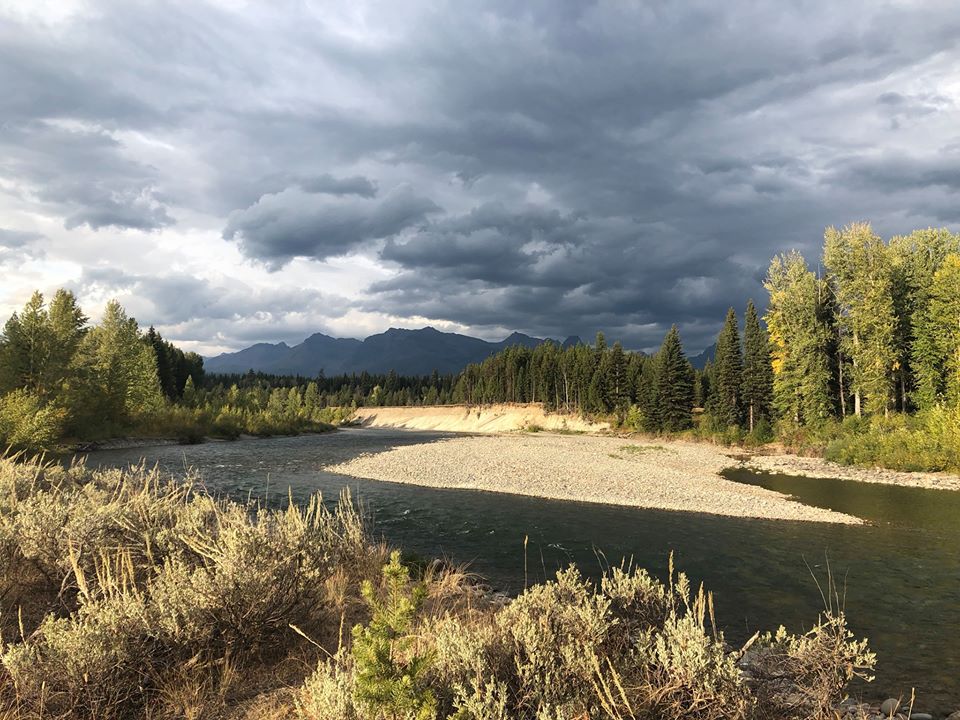
North Fork of the Flathead River, May 28, 2023 – W. K. Walker

Here’s an excellent article by Maggie Dresser for Flathead Living about the intertwined history of the Three Forks of the Flathead River and the creation of the Wild and Scenic Rivers Act . . .

On Oct. 23, 1956, a crew of geologists and specialized equipment operators traveled five miles south of U.S. Highway 2 from the Bear Creek confluence along the upper Middle Fork Flathead River where they drilled four test holes roughly 150 feet into the sedimentary argillite. Situated just above a two-mile series of whitewater rapids known as Spruce Park, in what is now the Great Bear Wilderness, Bureau of Reclamation geologist Rondo Birch described the Precambrian bedrock as “excellent,” according to newspaper archives.

For six weeks, a team of geologists and engineers with the Bureau of Reclamation conducted field studies on the feasibility of a diversion project for the proposed Spruce Park dam, a 405-foot-tall earth-filled structure that would back 360,000 acre-feet of water with a 2,760-acre reservoir, the size of Wild Horse Island on Flathead Lake. A 38,000-foot-long transmountain pressure tunnel would be excavated to divert flood waters to Hungry Horse Reservoir, where a 21,000-kilowatt powerplant would be constructed on the South Fork Flathead River near Hoke Creek. The additional water would add a surplus of hydropower to the Hungry Horse dam, an infrastructure project that had been completed three years earlier.

The Spruce Park dam proposal was officially introduced in June of 1957 and would take center stage at public meetings on-and-off for the next two decades. Proponents of the dam saw economic prosperity associated with the project, bringing in “construction payrolls” for residents of Columbia Falls, Hungry Horse and Martin City.
Continue reading . . .

Extraordinary hope: a conversation with Roger Sullivan

Katy Spence of the Montana Environmental Information Center (MEIC) recently published a wonderful interview with Roger Sullivan, who happens to be a board member of both MEIC and our own NFPA. Roger has also been involved with the NFPA from the very beginning.

This piece was originally published in the MEIC’s quarterly Down to Earth publication and is used here with permission. To see the article in full context and with better formatting, you can download the entire newsletter here.

Roger Sullivan questions witnesses at the Held v. State of Montana trial in June. Photo via Roger Sullivan.

MEIC is fortunate to have a number of friends and allies that we can call upon for support, encouragement, or assistance. This year, we feel especially fortunate to know our board member, mentor, and friend Roger Sullivan. Roger has a deep history in Montana environmental law and justice. For more than 35years, Roger has advocated for Montanans and our constitutional right to a clean and healthful environment. He has successfully represented dozens of Libby residents sickened by exposure to asbestos from the W.R. Grace mining operations. Most recently, Roger was one of the attorneys in the landmark youth climate trial Held v. State of Montana.

Roger has served on MEIC’s board multiple times and has represented MEIC and other public health and environmental groups in innumerable cases. He tirelessly advises and mentors young environmental lawyers in the state, including many of whom have worked with (or still work with) MEIC. Continue reading Extraordinary hope: a conversation with Roger Sullivan

Online presentation on history of mining in the North Fork, July 14

North Fork Flathead River

From a recent Montana Wilderness Association announcement . . .

Join MWA’s Flathead-Kootenai Chapter for the “History of Mining in North Fork Valley” on Tuesday, July 14 from 3 to 4 p.m.

Register here: https://p2a.co/gfGz2n0

Learn about the history of mining in the North Fork Valley with Jedd Sankar-Gorton

There was a nearly 60-year international struggle between mining companies and environmental advocates over the coal deposit at the headwaters of the North Fork and Flathead River.

After all was said and done, Canada and the United States agreed to remove mining rights from the basin forever.

If you’d like to learn more about the long history of environmental advocacy and coal in the international Flathead River Basin, tune in to Jedd Sankar-Gorton’s virtual event on Tuesday, July 14 from 3-4 p.m.

Join MWA’s Flathead-Kootenai Chapter for the “History of Mining in North Fork Valley” on Tuesday, July 14 from 3 to 4 p.m.
Learn about the history of mining in the North Fork Valley with Jedd Sankar-Gorton

There was a nearly 60-year international struggle between mining companies and environmental advocates over the coal deposit at the headwaters of the North Fork and Flathead River.

After all was said and done, Canada and the United States agreed to remove mining rights from the basin forever.

If you’d like to learn more about the long history of environmental advocacy and coal in the international Flathead River Basin, tune in to Jedd Sankar-Gorton’s virtual event on Tuesday, July 14 from 3-4 p.m.

Register here: https://p2a.co/gfGz2n0

A hero of the North Fork

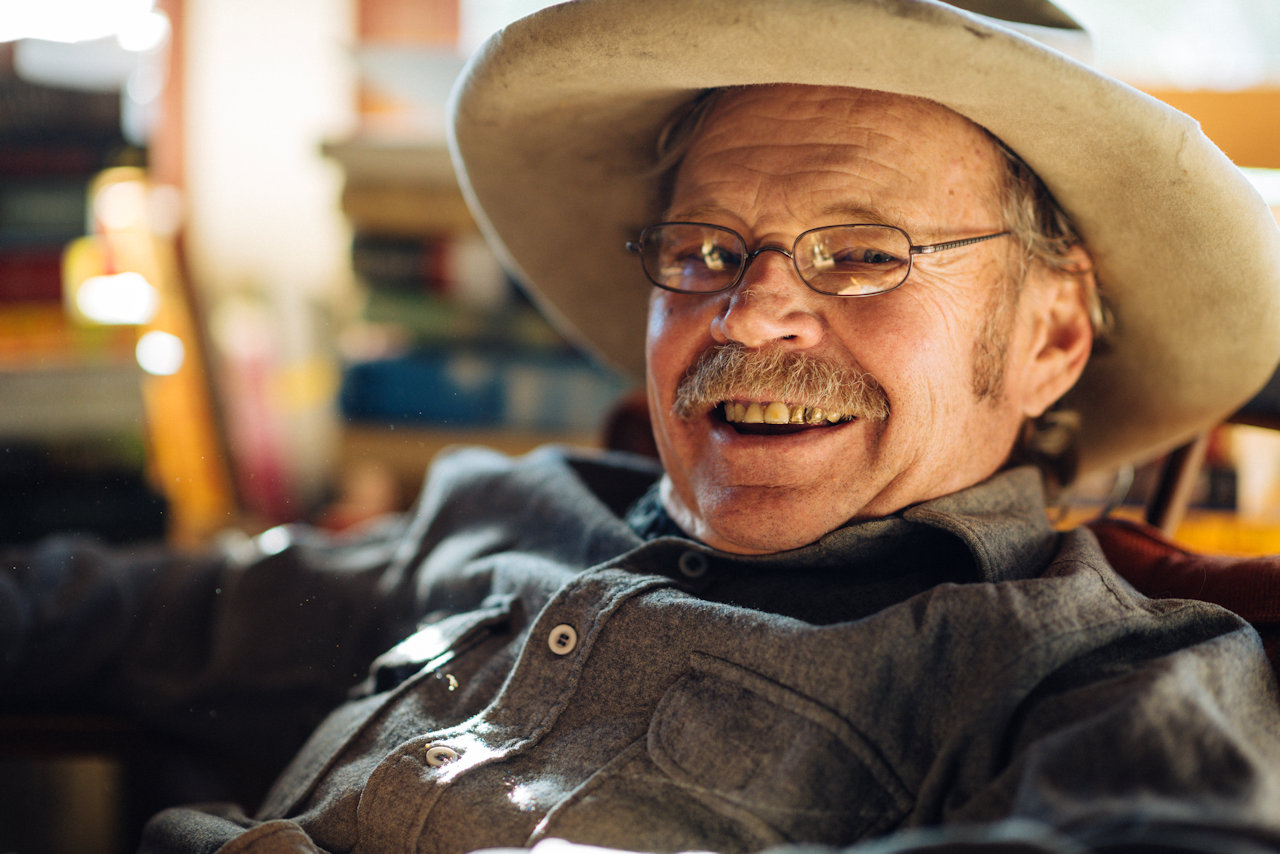
John Frederick - by Steven Gnam
John Frederick – by Steven Gnam

Tristan Scott of the Flathead Beacon posted a lengthy article on the passing of John Frederick.

See also John’s obituary . . .

Anyone who knew John Frederick is mourning the passing of a man who stood out as a pillar of the North Fork, the wild and scenic river corridor tracking the boundary of Glacier National Park, where he played prominent roles as affable innkeeper and ardent activist, a pioneering preservationist and honorary mayor who fought mightily to protect a place that captivated him for more than four decades.

By all accounts, he succeeded.

Frederick died Nov. 15 after a long struggle with bladder cancer. He was 74.

In the days following his death, friends and neighbors have reflected on his legacy as the unofficial “Mayor of Polebridge,” a well-deserved honorific that won’t soon be bestowed elsewhere as Frederick’s spirit presides over his beloved community and the environmental safeguards he fostered.

Read more . . .

Missoulian: North Fork bids goodbye to wildland advocate Frederick

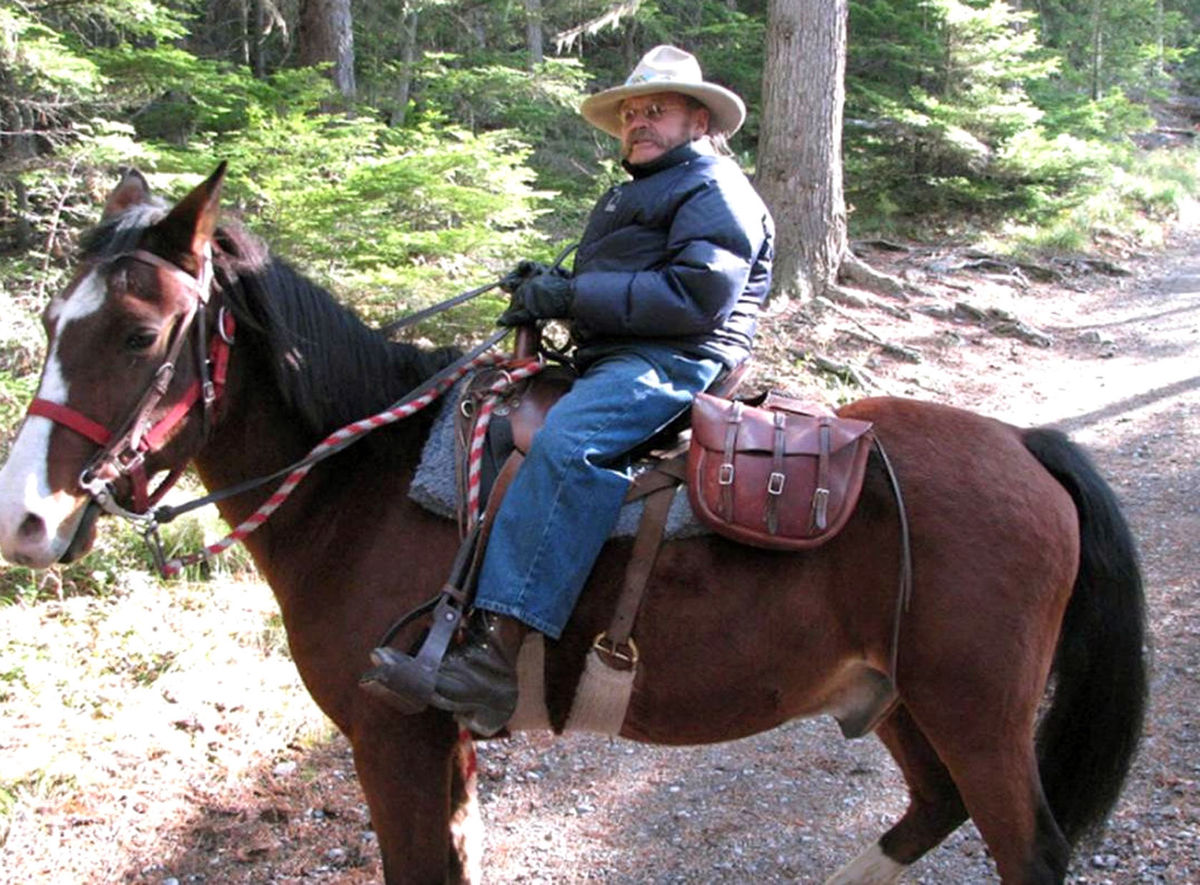
John Frederick on his horse Skippy - photo by Kristian Denny
John Frederick on his horse Skippy – photo by Kristian Denny

Rob Chaney of the Missoulian posted an excellent article on yesterday’s passing of John Frederick. Rob put a lot of work into this on very short notice.

See also John’s obituary . . .

Friends of John Frederick mourn the passing of a man equally persuasive with grizzly bears on his screened porch and politicians pestering his beloved Polebridge.

The longtime advocate of all wild things along the North Fork of the Flathead River died of bladder cancer on Nov. 15. He was 74.

“We were friends, notwithstanding our opinions on natural resource things,” frequent debating foe Larry Wilson said Frederick. The two North Fork neighbors were famous for arguing opposite sides at public meetings and then carpooling home together.

Read more . . .

HHN: John Frederick, the ‘Mayor of Polebridge’ dies

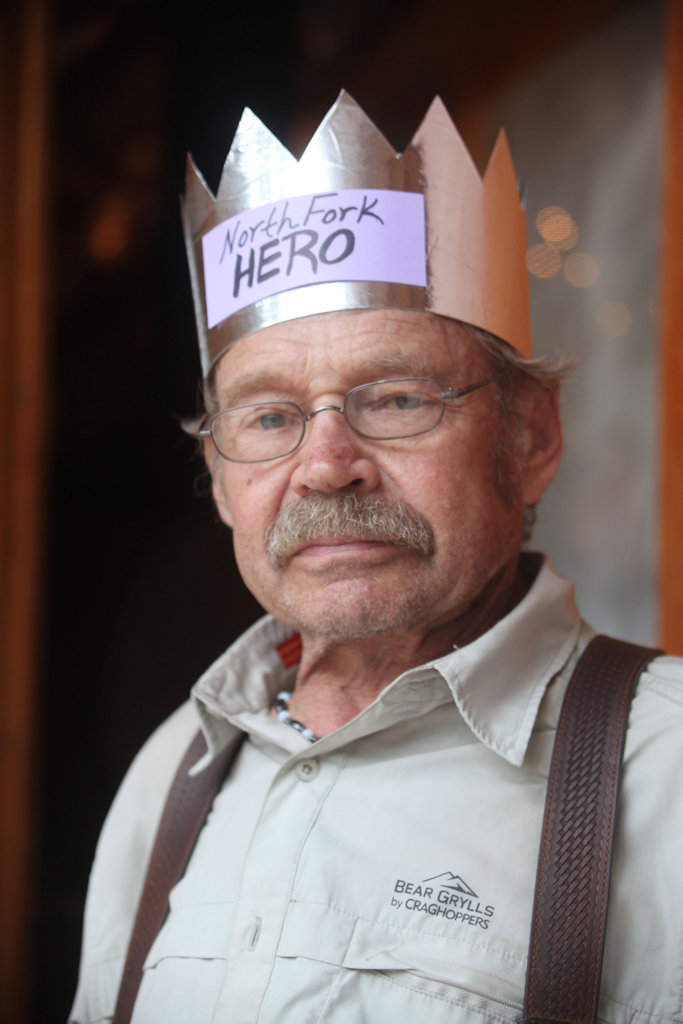
John Frederick, North Fork Hero

Chris Peterson of the Hungry Horse News posted a nice tribute to John Frederick this week.

See also John’s obituary . . .

John Frederick, a North Fork icon, died on Wednesday morning after a long illness. He was 74.

Frederick, who was often referred to as the “Mayor of Polebridge” was one of the founding members of the North Fork Preservation Association in 1982. The association opposed the paving of the North Fork Road and promoted protection of the North Fork of the Flathead River from proposed coal mining operations in the Canada, a fight that lasted decades. He served as president for more than 30 years.

Frederick was an environmental advocate from an early age. In a 2001 Hungry Horse News interview, he recalled starting a group as a young man in his native Ohio called the “Waste Watchers.”

Read more . . .

‘Through Glacier Park’ a century later

Hiking in GNP

As if you didn’t already have a full schedule in December, here’s another worthwhile event, courtesy of the inimitable Chris Peterson’s love of hiking and photography . . .

On Dec. 16, local author and Hungry Horse News editor Chris Peterson will give a community presentation on Mary Roberts Rinehart’s book, “Through Glacier Park in 1915.”

Rinehart’s classic is a travelogue of her 300-mile journey through Glacier Park, during which she traveled on horseback through the park with a party of 40 people, including famed artist Charlie Russell.

A century later, in 2015, Peterson recreated Rinehart’s journey and her photographs, hiking 240 miles between April and September, meeting snow, rain, wind, heat, bears, and wildfires.

Hosted by the Glacier National Park Conservancy, Peterson’s free presentation will feature stories from his travels, and autographed copies of his book will be available for purchase, proceeds benefiting the conservancy.

The event takes place at Flathead Valley Community College’s Art and Technology building, at 7 p.m.

Keep reading . . .

A history of wildland fire in Glacier Park

Here’s a pretty interesting article posted to the Flathead Beacon that looks back at the history of wildfires in Glacier National Park . . .

Wildfires have played a prominent role in transforming the landscape of Glacier National Park throughout its 105-year history.

The Reynolds Creek Fire serves as the latest reminder of that incendiary influence as it burns over 2,000 acres in the St. Mary area. It’s the largest fire in the park since 2006, when the Red Eagle Fire scorched 34,000 acres.

The barren landscape along Lake McDonald, remnants of the 2003 Roberts Fire, which burned 57,570 acres in one summer, is perhaps the most visible example of fire’s powerful force and lasting effect. The fire was one of six massive blazes that burned more than 136,000 acres of land in Glacier that year, more than 13 percent of the preserve’s 1 million acres.

“The 2003 season is the pinnacle,” said Dennis Divoky, fire ecologist for the park.

But the fires of 2003 are only one chapter in the park’s long history shaped by fire and ash.

Read more . . .