All posts by nfpa

Action needed: Daines’ bill would remove wilderness study protection from 449,500 acres!

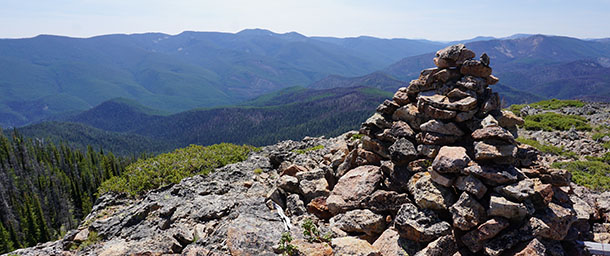
Kent Peak in the Sapphire Wilderness Study Area - photo by Sally Carlson
Kent Peak in the Sapphire Wilderness Study Area – photo by Sally Carlson

With no consultation or other public input, Montana’s Senator Daines has introduced a bill to remove protections from five Wilderness Study Areas in Montana totaling 449,500 acres.

The threatened areas are: West Pioneer (151,000 acres), Blue Joint (32,500 acres), Sapphire (94,000), Middle Fork Judith (81,000), and Big Snowies (91,000).

Please take just a few moments to call Sen. Daines and give him an ear-full at

1-855-297-9453

Press coverage: Bill would remove wilderness protections… (Daily Inter Lake)

A new way to estimate wolves in Montana

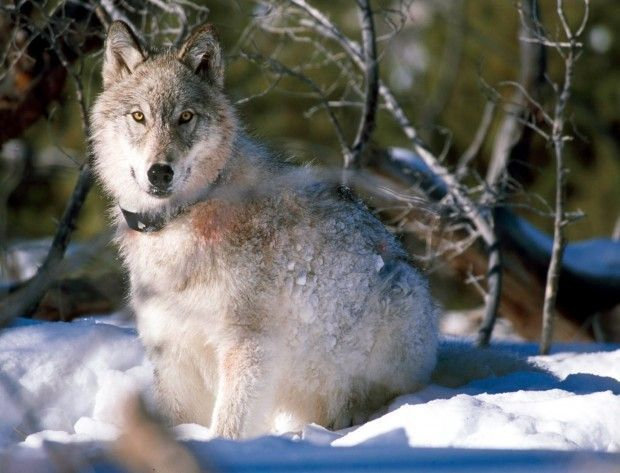
Collared Wolf - courtesy USFWS
Collared Wolf – courtesy USFWS

Montana officials are hoping to try a new, less expensive way to estimate the wolf population . . .

In the span of a human lifetime, gray wolves have re-established their presence in Montana’s mountains and forests.

Human settlers had driven most of the predators out by the early 1930s. But beginning in the 1970s, Endangered Species Act protections and re-introductions fostered a recovery. Montana’s wolf population has grown from about 50 confirmed animals in the 1990s to nearly 500 today.

The recovery is often hailed as a success story for wildlife management. But now, the wolf population’s growth is making management tougher.

Read more . . .

Blackfeet wary of monument designation for Badger-Two Medicine

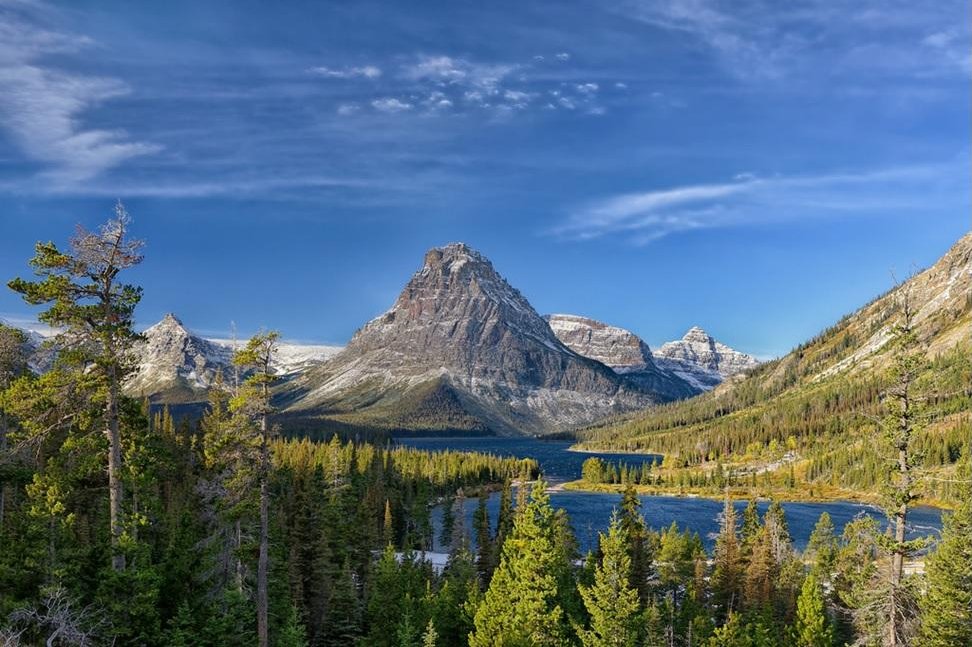
Two Medicine Lake
Two Medicine Lake – Flikr User Phil’s Pixels

Secretary of the Interior Ryan Zinke has proposed making the Badger-Two Medicine region a national monument. Given the Trump administration’s recent attempts drastically to reduce the size of two national monuments in Utah, Blackfeet tribal representatives are understandably wary . . .

Even as it clashes with American Indians over reductions to national monuments in the Southwest, the Trump administration is pursuing creation of a new monument on the border of a Montana reservation where tribal officials remain wary of the idea.

The Blackfeet Indian Tribe has long fought oil and gas drilling and other development within the Badger-Two Medicine area — a mountainous expanse bordering Glacier National Park that’s sacred to the tribe.

Blackfeet Chairman Harry Barnes told The Associated Press that protection of that 200-square-mile (518-square-kilometer) area is paramount. He sees a “workable solution” in Interior Secretary Ryan Zinke’s proposal to co-manage the area with the tribe, but stressed that the Blackfeet have never sought a national monument designation for the land.

Read more . . .

Trump reduces size of national monuments in Utah. Now what?

Bears Ears National Monument - Bob Wick, BLM-Flickr
Bears Ears National Monument – At 1.35 million acres, it is among the largest national monuments in the country – Bob Wick, BLM-Flickr

The Trump administration just severely reduced the size of the Bear’s Ears and Grand Staircase-Escalate national monuments in Utah. Predictably, tribes and conservation groups reacted with outrage, promptly filing lawsuits to reverse this action.

More than likely, Gold Butte in Nevada and Cascade Siskiyou in Oregon will also be trimmed, not to mention the possibility of rule changes affecting several other monuments. More lawsuits will certainly ensue.

An incredible number of articles have been written on this matter over the past few days. Here’s a short reading list providing useful background and context…

Where Protected Lands Stand After National Monument Review – Flathead Beacon

Was It ‘Illegal’ For Trump To Shrink Utah’s Monuments? The Battle Begins – NPR

7 Facts About the Trump Administration’s Illegal Attack on National Monuments – National Parks Conservation Association

The President Stole Your Lands – a now-famous posting on the Patagonia website

Grizzly recovery and coexistence

Grizzly on ranch east of Yellowstone - Wyoming Game and Fish Department
Grizzly on ranch east of Yellowstone – Wyoming Game and Fish Department

The Washington Post has a good, media-rich article on the current status of grizzly bear recovery around Yellowstone . . .

Dean Peterson, a rangy fourth-generation rancher with a handlebar mustache, is used to factoring in all sorts of challenges as he works his vast spread in the Big Hole Valley. Summer wildfires that can sweep down the pine-blanketed mountains to the west, harsh winters that can endanger his thousand-plus head of cattle.

Yet in the back of his mind these days is a threat most of his forefathers never faced: grizzly bears. Settlers pushing West had all but exterminated the hulking predators by the time Peterson’s great-grandfather arrived here in the late 1800s.

A year ago, however, a trail camera in the nearby forest snapped a grainy photo of a grizzly crossing a stream, marking the first confirmed sighting in the valley in a century. Then in May, Peterson was stunned to see one lope across a snow-dusted road as he drove a four-wheeler a few miles from his property.

Read more . . .

Chronic Wasting Disease strikes Montana

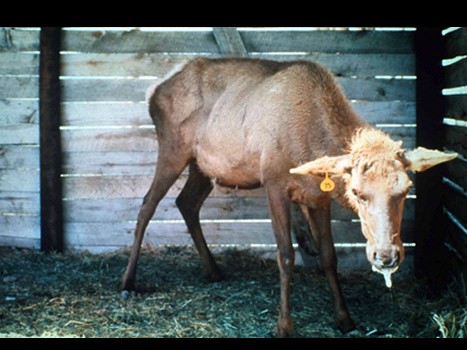
Chronic Wasting DIsease (CWD) - illustration of effects on elk
Chronic Wasting DIsease (CWD) – illustration of effects on elk

Chronic Wasting Disease (CWD), a disease affecting (so far) deer, elk and moose, has spread from Wyoming to Montana. This is a Very Bad Thing.

If you are new to this issue (or even if you aren’t), here are two articles to get you started. The first is an excellent overview by the Flathead Beacon’s Rob Breeding. The second is a more lengthy, detailed examination of the situation by Todd Wilkinson posted to the Mountain Journal (kudos to Debo Powers for spotting this one).

CWD Creeps into Montana
Chronic Wasting Disease infects members of the deer family, including elk and moose

Chronic Wasting Disease Strikes Montana And Continues Its March On Yellowstone
As Wyoming Continues To Deny The Threat Posed By Feedgrounds, Critics Say Federal And State Agencies Demonstrate Epic Dysfunction For Their Lack Of A Coordinated Plan

Forest Service seeks input on the ‘Crystal Cedar’ Project

Crystal Cedar Project General Vicinity Map

From the official press release . . .

The Hungry Horse-Glacier View Ranger District of the Flathead National Forest is asking for public input on management opportunities on National Forest System lands north of Columbia Falls and west of the Flathead River. This area includes Crystal Creek, Cedar Flats, Spoon Lake, Blankenship, and Teakettle Mountain.

The Crystal Cedar project aims to reduce hazardous fuels in the wildland-urban interface, improve the health and diversity of forest vegetation communities, and provide a range of trail-based recreation opportunities near the community of Columbia Falls.

The Flathead National Forest wants to hear from you. We want to understand how the community uses the area and what types of management you want to see. Comments are most helpful if provided by December 15, 2017.

More details about the Crystal Cedar project area, a map of the project area, and instructions on how to provide information to the district can be found online at https://www.fs.usda.gov/project/?project=52844. The Web site also allows you to subscribe to electronic updates on the project so you can stay up to date on project development.

To find out more about the project, please contact Sarah Canepa, project team leader, at the Hungry Horse Ranger Station, 406-387-3800.

Conservation groups to sue Flathead Forest over road management

Lake in Flathead National Forest

A coalition of conservation groups intends to sue the Flathead Forest over their management of logging roads . . .

In what may be the first shot fired over the bow of the soon-to-be-released new Flathead National Forest land use plan, three conservation groups filed intent to sue over management of the logging roads on the 2.4-million acre forest.

The groups claim the forest hasn’t met its obligations under the Endangered Species Act to protect threatened bull trout due to inadequate management and monitoring of logging roads, in particular the thousands of culverts that can fail and deposit sediment into trout streams.

Flathead National Forest Supervisor Chip Weber said that while he can’t comment on the pending lawsuit, he will say the water quality on the Flathead Forest is the most pristine of any place he’s worked before, including Alaska.

Read more . . .

A hero of the North Fork

John Frederick - by Steven Gnam
John Frederick – by Steven Gnam

Tristan Scott of the Flathead Beacon posted a lengthy article on the passing of John Frederick.

See also John’s obituary . . .

Anyone who knew John Frederick is mourning the passing of a man who stood out as a pillar of the North Fork, the wild and scenic river corridor tracking the boundary of Glacier National Park, where he played prominent roles as affable innkeeper and ardent activist, a pioneering preservationist and honorary mayor who fought mightily to protect a place that captivated him for more than four decades.

By all accounts, he succeeded.

Frederick died Nov. 15 after a long struggle with bladder cancer. He was 74.

In the days following his death, friends and neighbors have reflected on his legacy as the unofficial “Mayor of Polebridge,” a well-deserved honorific that won’t soon be bestowed elsewhere as Frederick’s spirit presides over his beloved community and the environmental safeguards he fostered.

Read more . . .

Protesters greet appearance by controversial land-use attorney

Grazing rights attorney Karen Budd-Falen’s presentation last Saturday was not exactly an unqualified success . . .

A controversial land-use attorney drew more than 100 protesters and as many supporters to Hamilton Middle School Saturday, but the topic of her talk with county residents was interpreted differently by people attending the event.

Karen Budd-Falen, the Wyoming-based grazing-rights lawyer leading President Donald Trump’s shortlist for Bureau of Land Management director, presented guidelines on land-use planning to Ravalli County residents.

Protesters characterized Budd-Falen as a supporter of privatizing public land, or at least supporting policies proven to lead to land sell-offs.

Read more . . .