All posts by nfpa

Objection period begins for Flathead Forest plan

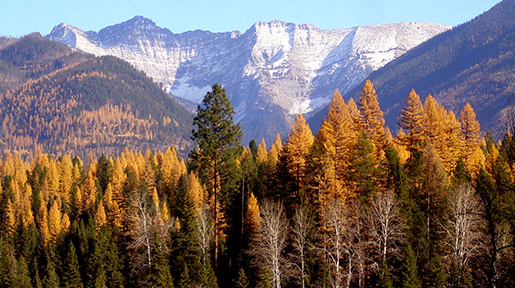
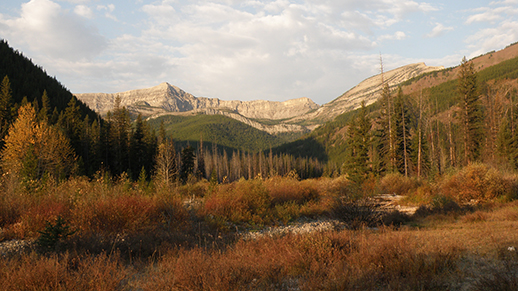
Flathead National Forest - view of Whitefish Divide

Here’s a little bit different spin on the just-released, near-final version of the Flathead Forest’s new forest plan. There’s less discussion of the plan itself and more about the difficulties it is likely to face in the courts . . .

The U.S. Forest Service has released the draft record of decision and final environmental impact statement for the Flathead National Forest revised land and resource management plan for a 60-day objection period.

These documents mark the final steps in completing the plan, which the Forest Service expects to guide management for 10 to 15 years. As the Daily Inter Lake reported in October, it’s inching towards completion after four years and considerable controversy.

The draft environmental impact statement set out multiple courses of action for managers to pursue. Of these, Forest Supervisor Chip Weber selected alternative B. In the draft record of decision, he claimed that it “has the best mix of management areas that reflects what I heard the public wanted.”

Read more . . .

Flathead National Forest releases draft record of decision for new forest plan

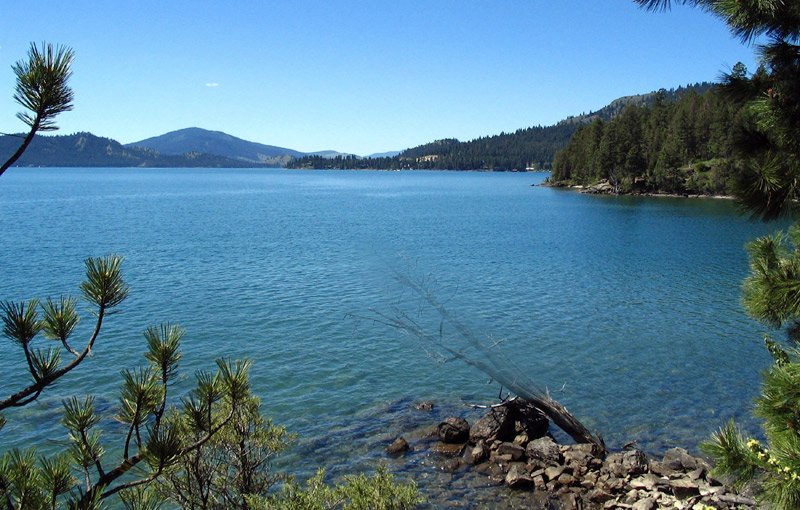
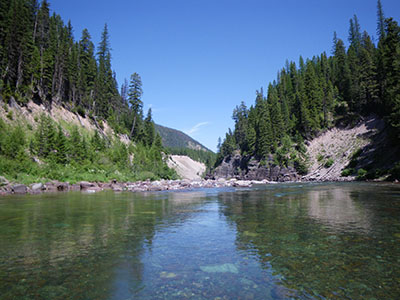
Lake in Flathead National Forest

The Hungry Horse News has an excellent overview of the near-final version of the Flathead National Forest’s new forest plan . . .

After four years of meetings, field trips and more than 33,000 public comments, Flathead National Forest Supervisor Chip Weber Thursday released the draft record of decision and final environmental impact statement for the Flathead National Forest plan.

The new plan will replace a plan that was last written and conceived in 1986, but has been amended more than two dozen times over the years.

The new plan, a modified version of alternative B that was set in the draft environmental impact statement, sets the direction for land management of the 2.4 million acre Forest for the next 10 to 15 years, Weber said during an interview with members of the press on Thursday. “This is a highly cherished land,” he said. “…One of the best functioning ecosystems in the world.”

Read more . . .

Comments sought on recovery criteria for Northwest Montana grizzlies

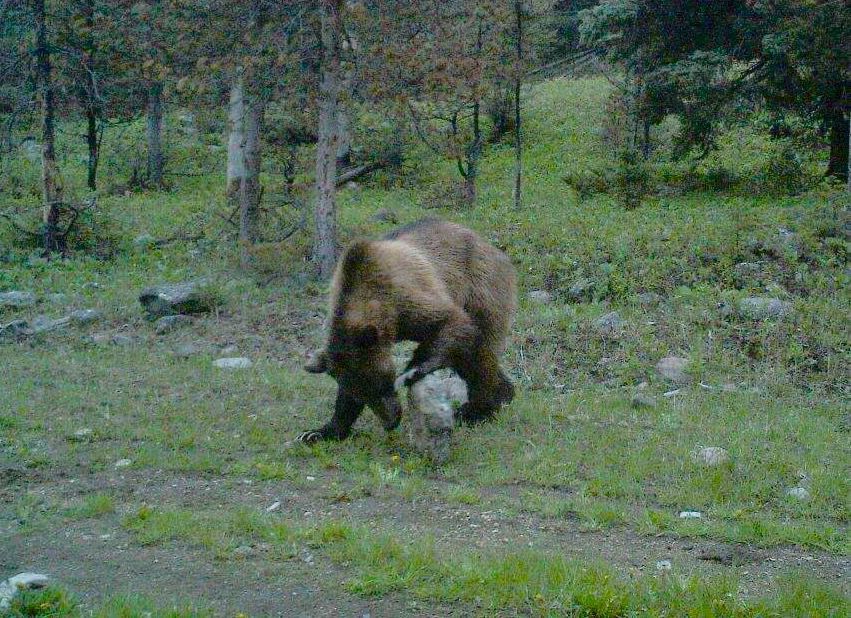
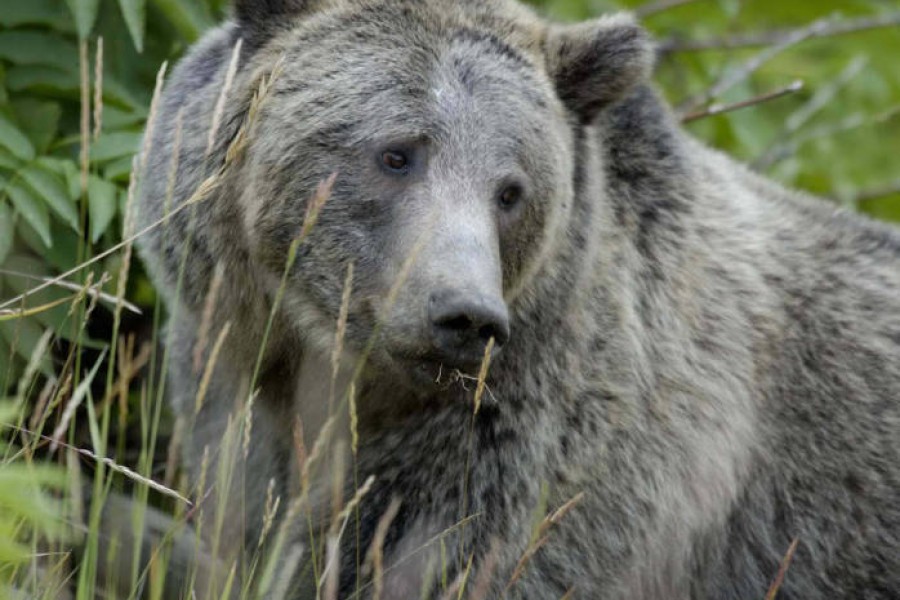
Grizzly Bear - U.S. Fish and Wildlife Service-Terry Tollefsbol, NPS
Grizzly Bear – U.S. Fish and Wildlife Service-Terry Tollefsbol, NPS

A timely reminder about participating in the ongoing process for delisting grizzly bears in the Northern Continental Divide Ecosystem (NCDE) . . .

The U.S. Fish and Wildlife Service is seeking input from scientists and the general public on draft criteria for the eventual recovery of the Northern Continental Divide Ecosystem grizzly bear.

The draft criteria are a supplement to the Grizzly Bear Recovery Plan, which has guided federal management of these animals since 1982. As the Daily Inter Lake reported last month, this effort could soon bring Northwest Montana bears to a crucial milestone: removal from the Endangered Species Act’s threatened species list and transfer to state management.

“The proposed objective and measurable habitat-based recovery criteria, once finalized, will help inform our recovery efforts as well as any future evaluations regarding the status of these bears under the ESA,” explained spokeswoman Roya Mogadam in an email to the Daily Inter Lake.

Read more . . .

Larry Wilson: Loss of funding to Flathead Basin Commission disappointing

Flathead Lake Bio Station

Larry Wilson takes the Montana DNRC to task for eliminating the Flathead Basin Commission’s funding . . .

I am very disappointed that Montana has cut funding to the Flathead Basin Commission. That commission has generated more funds and done more good than most state agencies, so we should probably not be surprised that it is easy to dismantle.

My memory may not be completely accurate, but as I recall, the Basin Commission was the brainchild of a state legislator named Jean Turnage, who later became a Supreme Court Justice. The purpose of the FBC was to monitor and protect water quality in the Flathead Basin. Included were the Park Superintendant, Forest Service Supervisor, private companies and citizens appointed to by the governor and agencies like the Confederated Tribes and others I do not recall.

There was hardly any budget. When I was appointed as a citizen member, the commission was supervised by a member of the governor’s staff who had many other duties and was not easy to contact.

Read more . . .

Some Montana moose just fall over, dead

Moose - Montana Fish, Wildlife and Parks
Moose – Montana Fish, Wildlife and Parks

An interesting article by Chris Peterson of the Hungry Horse News concerning the ongoing Moose population study . . .

Several years ago, Montana Fish Wildlife and Parks began hearing from sportsmen that there didn’t seem to be as many moose in the woods as there used to be. So FWP decided to embark on a 10-year study of moose in Montana.

Moose have seen marked declines in other regions of the Lower 48. Populations have fallen so dramatically in states like Minnesota that a subspecies of moose there has been petitioned for listing under the Endangered Species Act.

Five years in, biologist Jesse Newby has begun to unlock some of the secrets of Montana’s moose, but there’s still plenty learn as to why some populations are doing OK, while others are in decline.

Read more . . .

Montana asks Wyoming to stop feeding elk


Elk with Chronic Wasting Disease - Wyoming Game and Fish Dept
Elk with Chronic Wasting Disease – Wyoming Game and Fish Dept

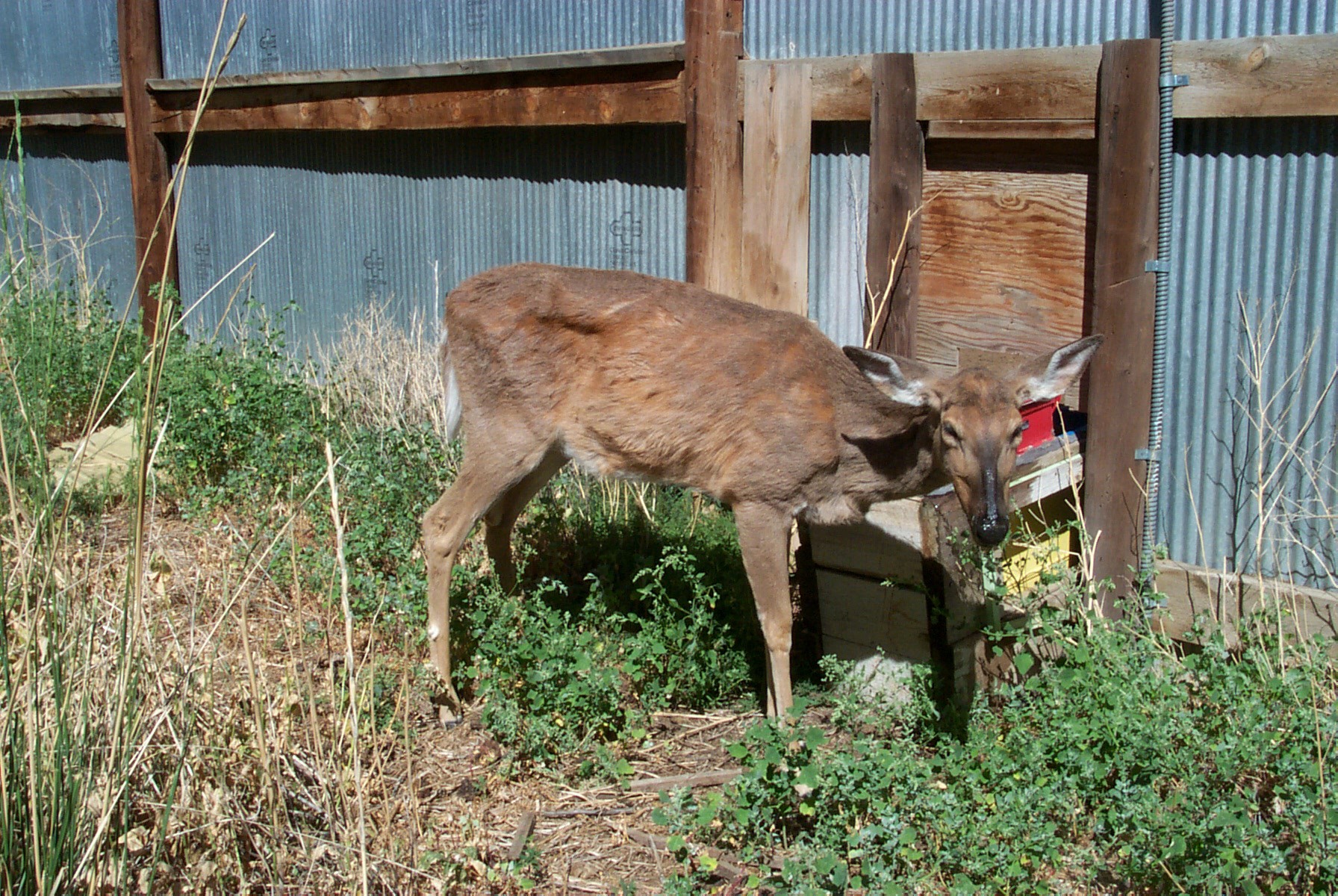
As mentioned here a couple of days ago, Chronic Wasting Disease (CWD – think of it as mad cow for the deer family) is starting to show up in Montana. A good argument can be made that Wyoming’s elk feedlots aid the spread of this disease . . .

Montana wildlife officials are asking their Wyoming counterparts to stop feeding elk after chronic wasting disease has appeared in the state.

Jackson Hole News and Guide reports the Montana Fish and Wildlife Commission sent a letter last week to the Wyoming Game and Fish Commission, saying their elk feeding practices could accelerate the spread of the fatal, contagious disease.

The Montana letter says officials respect how Wyoming handles its affairs, but management of the disease in Montana is affected by what happens in the neighboring state.

Read more . . .

Final draft of Flathead Forest Plan released; 60-day countdown for objections

Lake in Flathead National Forest

The Flathead National Forest released the final draft of their new forest plan today, as well as the final version of a substantial pile of related environmental impact documentation. This is a big deal because the forest plan determines how the forest will be managed over at least the next 10-15 years.

Also, today (December 14, 2017) starts the clock on a 60-day “objection period.” For all practical purposes, today’s release is the final version of the forest plan, unless individuals or groups who have contributed to the planning process file a valid objection regarding “specific remaining concerns.” In other words, there’s a 60-day window to suggest technical and factual edits.

The press release below has links to the forest plan document and associated materials. For just the draft forest plan document itself, it can be downloaded directly here: https://www.fs.usda.gov/Internet/FSE_DOCUMENTS/fseprd566356.pdf (410 pages, PDF format, 23.9MB).

Here is the meat of the official press release . . .

Flathead National Forest Supervisor Chip Weber has released the draft record of decision and final environmental impact statement for the Flathead National Forest revised land and resource management plan (referred to as the “forest plan”) for a 60-day objection period. The existing forest plan is more than 30 years old, dramatically exceeding the 10-15 year duration of plans directed by the National Forest Management Act. Since the 1986 forest plan was completed, there have been changes in ecological, social, and economic conditions in the area, as well as changes in resource demands, availability of new scientific information, and promulgation of new policy, including the 2012 planning rule. These changes necessitate a plan revision to ensure that management direction is responsive to current issues and conditions. In particular, the plan revision addresses the following topics:

  • increasing demand for recreation opportunities and their importance in supporting local economies;
  • fire and fuels management direction that emphasizes active vegetation management near communities;
  • the need for additional analyses for a number of resources, including timber production opportunities, an important historical driver for local economies;
  • conservation of wildlife and aquatic habitat, including updating grizzly bear habitat management direction and Inland Native Fish direction; and
  • new policy and public interest in identifying areas for recommended wilderness and wild and scenic rivers.

Continue reading Final draft of Flathead Forest Plan released; 60-day countdown for objections

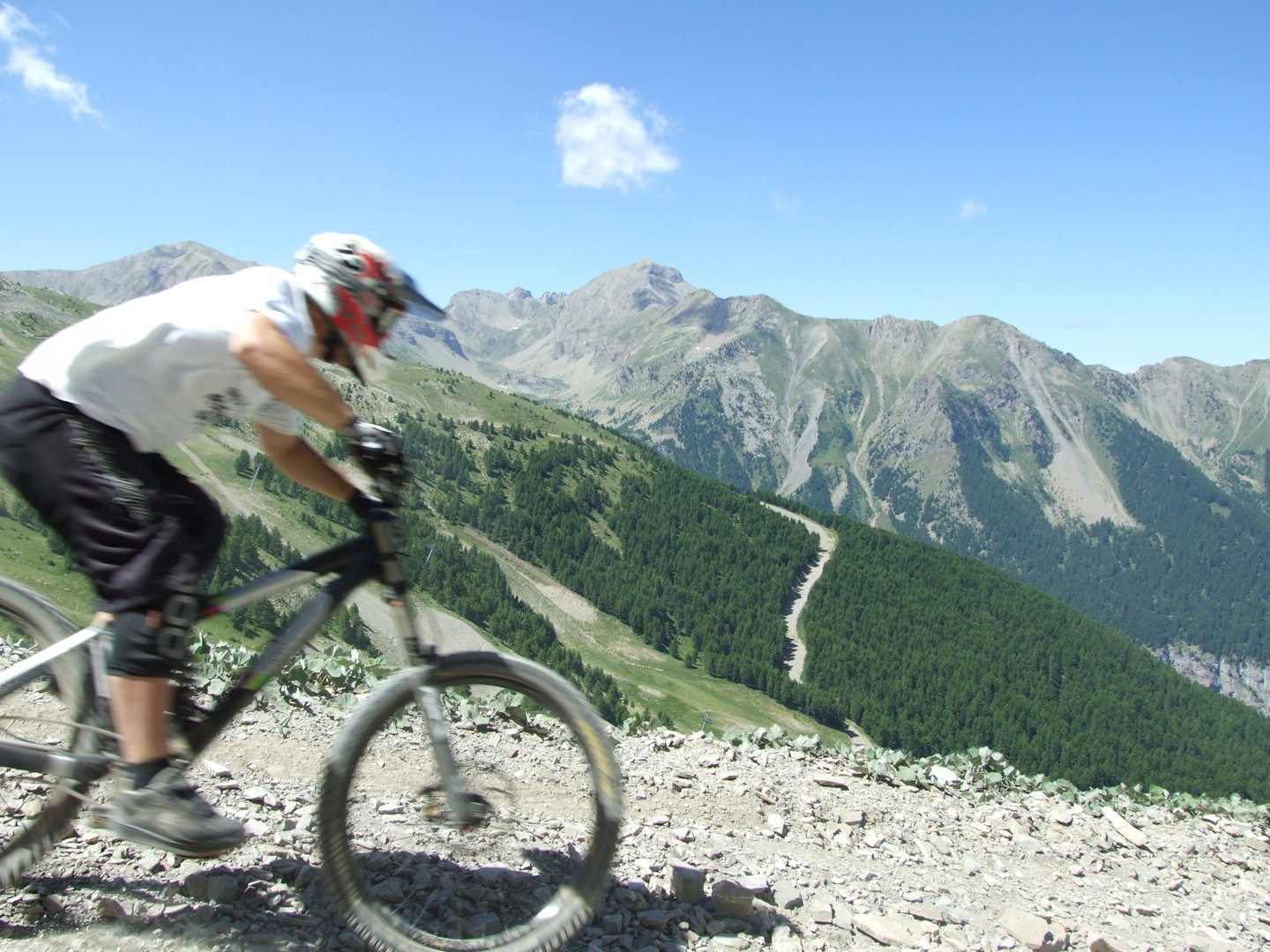
America’s wilderness is no place for mountain bikes

Mountain Biker by Mick Lissone

Debo Powers, who has been sending in lots of links lately, spotted this opinion piece regarding a poorly thought out bill that would allow mountain bikes in wilderness areas. Seriously? . . .

Congress is currently considering legislation that would undermine a bedrock law that protects America’s iconic landscapes, our traditional way of life, and the wild landscapes that we’ve safeguarded for generations. This shortsighted proposal should be defeated.

H.R. 1349, introduced by Rep. Tom McClintock (R-Calif.), would re-write the Wilderness Act of 1964 to permit mountain bikes in America’s wilderness, where they have been prohibited for more than a half-century.

The National Wilderness Preservation System, created by the 1964 law, ensures that some of our remaining wild country remains as it has been for hundreds of years. By law, wilderness areas do not allow road building and other forms of development, and prohibit motorized and mechanized vehicles, including mountain bikes.

Read more . . .

Senator Daines is sabotaging our wild legacy

Blue Joint Wilderness Study Area in western Montana - photo by Zack Porter
Blue Joint Wilderness Study Area in western Montana – photo by Zack Porter

From Debo Powers, NFPA President: Conservation organizations around Montana are organizing opposition to Senator Daines’ bill to release Wilderness Study Areas for multiple use. This is an attack on our wild heritage and will be met with fierce opposition. Here is a blog written by John Todd, the Conservation Director for the Montana Wilderness Association . . .

Today, Sen. Daines sabotaged Montana’s wild legacy

He introduced a bill that would strip protection from nearly a half-million acres of our wildest and most pristine public lands. And he did so without holding a single public meeting or a single town hall for Montanans to discuss his bill.

His bill would remove protection from five wilderness study areas (WSAs): West Pioneer (151,000 acres), Blue Joint (32,500 acres), Sapphire (94,000), Middle Fork Judith (81,000), and Big Snowies (91,000).

If this bill were to pass, it would represent the single biggest loss of protected public lands in our state’s history.

Read more . . .

Gov. Steve Bullock: Public lands make America great

A recent email sent out by Montana Governor Steve Bullock . . .

It’s past time folks in the West extended an invitation to the President to get outdoors. A little time in the backcountry has a way of helping us remember who we are and where we come from. It’s hard to spend some time on our state’s public lands without quickly learning some humility, and equally hard to return to your day job without being inspired by all we have in common.

Because where we come from 18 holes might be relaxing, but it’s not the same as sleeping under the stars, watching a herd of elk crest a hill at 5:30 in the morning or feeling the tug of a trout from a blue-ribbon river on your line. If the President had grown up the way we have, he might feel differently about pulling the rug out from under so many people whose livelihoods depend on our access to public lands.

The decision to substantially shrink the Bears Ears and Grand Staircase-Escalante national monuments in Utah reveals how at the most basic level he and his administration misunderstand what it means to preserve and protect our history – our heritage – for future generations. 16 presidents have designated 157 national monuments, dating back to 1906 when President Roosevelt first used the Antiquities Act to protect Devil’s Tower in Wyoming. In contrast, the President’s plans add up to the largest elimination of protected areas in American history.

An attack on public lands anywhere is an attack on public lands everywhere, and it flies in the face of who we are as a nation. It doesn’t matter who you are or where you come from – Manhattan, Montana, Manhattan, New York, or Manhattan, Kansas – public lands belong to each and every one of us. They are one of this country’s great equalizers.

Frankly, it makes me wonder whether or not the President is truly committed to investing in what makes America great. Because a fundamental part of what makes America great is our land.

Earlier this year the halls of our state capitol shook with thousands of voices chanting in support of keeping public lands in public hands. I stood side by side with hunters, ranchers, anglers, sportsmen and women, veterans, grandparents and kids of all ages and declared Montana’s public lands would not be bought and sold to the highest bidder.

That day it didn’t matter where we lived, what we did for a living or whether we voted for a Republican, a Democrat, a Libertarian, or an Independent. What mattered is we stood together, united by our shared values and love of our lands, rivers, streams and most importantly our way of life. Crowded shoulder-to-shoulder, we doubled down on our shared responsibility to manage these lands and our commitment to preserving and protecting them for our kids and our grandkids.

This isn’t an issue that divides us. You don’t have to have a Swiss bank account to spend a day on the river. You don’t have to have friends in high places to explore mountains and trails. You don’t have to own a big piece of property to experience some of the best hunting and fishing in the world. And you don’t have to pay a fortune to experience the cliff dwellings of the Bears Ears to be humbled by an ancient way of life and be left awestruck with a sense of the sacred connection many of the tribal nations know so completely.

This is an issue that unites us. When we experience our public lands and embrace our shared responsibility to care for them, we’re participating in one of the great expressions of our democracy – where we go as equals and return touched by what binds us together.

Those who came before us had the foresight to maintain our history and our hunting, fishing and outdoor recreation legacy for the future. We have always found a way to safeguard that which we cannot replace. Public lands are our history, our heritage – our birthright – and we will not see them diminished.

Not now, not ever. Not on our watch.

Sincerely,

STEVE BULLOCK
Governor