Category Archives: News

Flathead National Forest releases draft record of decision for new forest plan

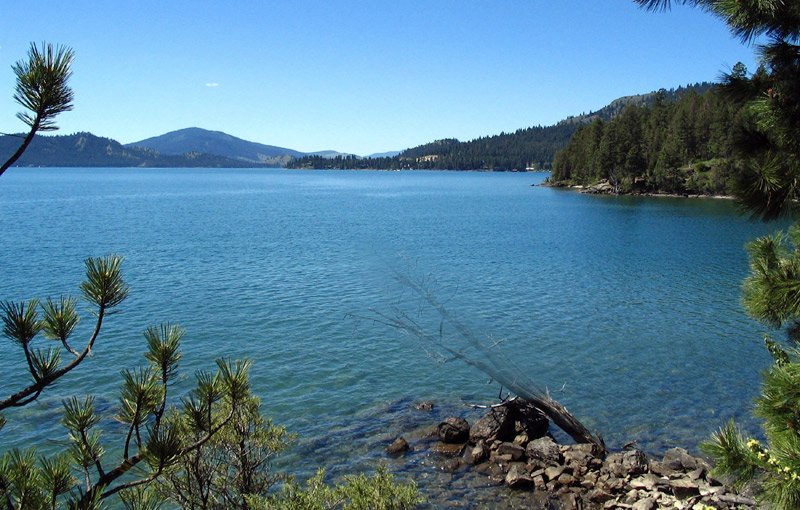
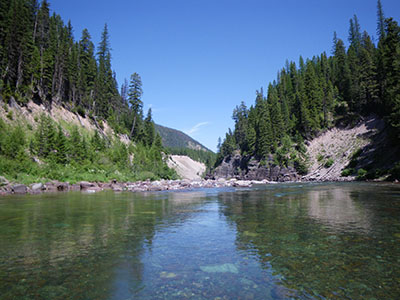
Lake in Flathead National Forest

The Hungry Horse News has an excellent overview of the near-final version of the Flathead National Forest’s new forest plan . . .

After four years of meetings, field trips and more than 33,000 public comments, Flathead National Forest Supervisor Chip Weber Thursday released the draft record of decision and final environmental impact statement for the Flathead National Forest plan.

The new plan will replace a plan that was last written and conceived in 1986, but has been amended more than two dozen times over the years.

The new plan, a modified version of alternative B that was set in the draft environmental impact statement, sets the direction for land management of the 2.4 million acre Forest for the next 10 to 15 years, Weber said during an interview with members of the press on Thursday. “This is a highly cherished land,” he said. “…One of the best functioning ecosystems in the world.”

Read more . . .

Comments sought on recovery criteria for Northwest Montana grizzlies

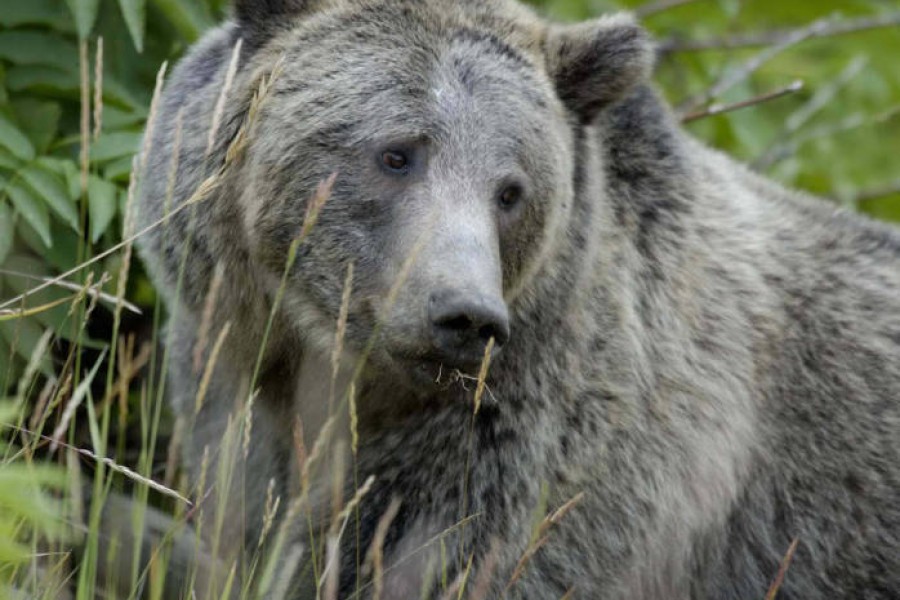
Grizzly Bear - U.S. Fish and Wildlife Service-Terry Tollefsbol, NPS
Grizzly Bear – U.S. Fish and Wildlife Service-Terry Tollefsbol, NPS

A timely reminder about participating in the ongoing process for delisting grizzly bears in the Northern Continental Divide Ecosystem (NCDE) . . .

The U.S. Fish and Wildlife Service is seeking input from scientists and the general public on draft criteria for the eventual recovery of the Northern Continental Divide Ecosystem grizzly bear.

The draft criteria are a supplement to the Grizzly Bear Recovery Plan, which has guided federal management of these animals since 1982. As the Daily Inter Lake reported last month, this effort could soon bring Northwest Montana bears to a crucial milestone: removal from the Endangered Species Act’s threatened species list and transfer to state management.

“The proposed objective and measurable habitat-based recovery criteria, once finalized, will help inform our recovery efforts as well as any future evaluations regarding the status of these bears under the ESA,” explained spokeswoman Roya Mogadam in an email to the Daily Inter Lake.

Read more . . .

Some Montana moose just fall over, dead

Moose - Montana Fish, Wildlife and Parks
Moose – Montana Fish, Wildlife and Parks

An interesting article by Chris Peterson of the Hungry Horse News concerning the ongoing Moose population study . . .

Several years ago, Montana Fish Wildlife and Parks began hearing from sportsmen that there didn’t seem to be as many moose in the woods as there used to be. So FWP decided to embark on a 10-year study of moose in Montana.

Moose have seen marked declines in other regions of the Lower 48. Populations have fallen so dramatically in states like Minnesota that a subspecies of moose there has been petitioned for listing under the Endangered Species Act.

Five years in, biologist Jesse Newby has begun to unlock some of the secrets of Montana’s moose, but there’s still plenty learn as to why some populations are doing OK, while others are in decline.

Read more . . .

Montana asks Wyoming to stop feeding elk


Elk with Chronic Wasting Disease - Wyoming Game and Fish Dept
Elk with Chronic Wasting Disease – Wyoming Game and Fish Dept

As mentioned here a couple of days ago, Chronic Wasting Disease (CWD – think of it as mad cow for the deer family) is starting to show up in Montana. A good argument can be made that Wyoming’s elk feedlots aid the spread of this disease . . .

Montana wildlife officials are asking their Wyoming counterparts to stop feeding elk after chronic wasting disease has appeared in the state.

Jackson Hole News and Guide reports the Montana Fish and Wildlife Commission sent a letter last week to the Wyoming Game and Fish Commission, saying their elk feeding practices could accelerate the spread of the fatal, contagious disease.

The Montana letter says officials respect how Wyoming handles its affairs, but management of the disease in Montana is affected by what happens in the neighboring state.

Read more . . .

Final draft of Flathead Forest Plan released; 60-day countdown for objections

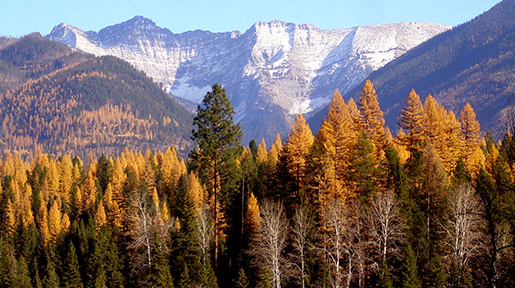
Lake in Flathead National Forest

The Flathead National Forest released the final draft of their new forest plan today, as well as the final version of a substantial pile of related environmental impact documentation. This is a big deal because the forest plan determines how the forest will be managed over at least the next 10-15 years.

Also, today (December 14, 2017) starts the clock on a 60-day “objection period.” For all practical purposes, today’s release is the final version of the forest plan, unless individuals or groups who have contributed to the planning process file a valid objection regarding “specific remaining concerns.” In other words, there’s a 60-day window to suggest technical and factual edits.

The press release below has links to the forest plan document and associated materials. For just the draft forest plan document itself, it can be downloaded directly here: https://www.fs.usda.gov/Internet/FSE_DOCUMENTS/fseprd566356.pdf (410 pages, PDF format, 23.9MB).

Here is the meat of the official press release . . .

Flathead National Forest Supervisor Chip Weber has released the draft record of decision and final environmental impact statement for the Flathead National Forest revised land and resource management plan (referred to as the “forest plan”) for a 60-day objection period. The existing forest plan is more than 30 years old, dramatically exceeding the 10-15 year duration of plans directed by the National Forest Management Act. Since the 1986 forest plan was completed, there have been changes in ecological, social, and economic conditions in the area, as well as changes in resource demands, availability of new scientific information, and promulgation of new policy, including the 2012 planning rule. These changes necessitate a plan revision to ensure that management direction is responsive to current issues and conditions. In particular, the plan revision addresses the following topics:

  • increasing demand for recreation opportunities and their importance in supporting local economies;
  • fire and fuels management direction that emphasizes active vegetation management near communities;
  • the need for additional analyses for a number of resources, including timber production opportunities, an important historical driver for local economies;
  • conservation of wildlife and aquatic habitat, including updating grizzly bear habitat management direction and Inland Native Fish direction; and
  • new policy and public interest in identifying areas for recommended wilderness and wild and scenic rivers.

Continue reading Final draft of Flathead Forest Plan released; 60-day countdown for objections

A new way to estimate wolves in Montana

Collared Wolf - courtesy USFWS
Collared Wolf – courtesy USFWS

Montana officials are hoping to try a new, less expensive way to estimate the wolf population . . .

In the span of a human lifetime, gray wolves have re-established their presence in Montana’s mountains and forests.

Human settlers had driven most of the predators out by the early 1930s. But beginning in the 1970s, Endangered Species Act protections and re-introductions fostered a recovery. Montana’s wolf population has grown from about 50 confirmed animals in the 1990s to nearly 500 today.

The recovery is often hailed as a success story for wildlife management. But now, the wolf population’s growth is making management tougher.

Read more . . .

Blackfeet wary of monument designation for Badger-Two Medicine

Two Medicine Lake
Two Medicine Lake – Flikr User Phil’s Pixels

Secretary of the Interior Ryan Zinke has proposed making the Badger-Two Medicine region a national monument. Given the Trump administration’s recent attempts drastically to reduce the size of two national monuments in Utah, Blackfeet tribal representatives are understandably wary . . .

Even as it clashes with American Indians over reductions to national monuments in the Southwest, the Trump administration is pursuing creation of a new monument on the border of a Montana reservation where tribal officials remain wary of the idea.

The Blackfeet Indian Tribe has long fought oil and gas drilling and other development within the Badger-Two Medicine area — a mountainous expanse bordering Glacier National Park that’s sacred to the tribe.

Blackfeet Chairman Harry Barnes told The Associated Press that protection of that 200-square-mile (518-square-kilometer) area is paramount. He sees a “workable solution” in Interior Secretary Ryan Zinke’s proposal to co-manage the area with the tribe, but stressed that the Blackfeet have never sought a national monument designation for the land.

Read more . . .

Trump reduces size of national monuments in Utah. Now what?

Bears Ears National Monument - Bob Wick, BLM-Flickr
Bears Ears National Monument – At 1.35 million acres, it is among the largest national monuments in the country – Bob Wick, BLM-Flickr

The Trump administration just severely reduced the size of the Bear’s Ears and Grand Staircase-Escalate national monuments in Utah. Predictably, tribes and conservation groups reacted with outrage, promptly filing lawsuits to reverse this action.

More than likely, Gold Butte in Nevada and Cascade Siskiyou in Oregon will also be trimmed, not to mention the possibility of rule changes affecting several other monuments. More lawsuits will certainly ensue.

An incredible number of articles have been written on this matter over the past few days. Here’s a short reading list providing useful background and context…

Where Protected Lands Stand After National Monument Review – Flathead Beacon

Was It ‘Illegal’ For Trump To Shrink Utah’s Monuments? The Battle Begins – NPR

7 Facts About the Trump Administration’s Illegal Attack on National Monuments – National Parks Conservation Association

The President Stole Your Lands – a now-famous posting on the Patagonia website

Chronic Wasting Disease strikes Montana

Chronic Wasting DIsease (CWD) - illustration of effects on elk
Chronic Wasting DIsease (CWD) – illustration of effects on elk

Chronic Wasting Disease (CWD), a disease affecting (so far) deer, elk and moose, has spread from Wyoming to Montana. This is a Very Bad Thing.

If you are new to this issue (or even if you aren’t), here are two articles to get you started. The first is an excellent overview by the Flathead Beacon’s Rob Breeding. The second is a more lengthy, detailed examination of the situation by Todd Wilkinson posted to the Mountain Journal (kudos to Debo Powers for spotting this one).

CWD Creeps into Montana
Chronic Wasting Disease infects members of the deer family, including elk and moose

Chronic Wasting Disease Strikes Montana And Continues Its March On Yellowstone
As Wyoming Continues To Deny The Threat Posed By Feedgrounds, Critics Say Federal And State Agencies Demonstrate Epic Dysfunction For Their Lack Of A Coordinated Plan

Forest Service seeks input on the ‘Crystal Cedar’ Project

Crystal Cedar Project General Vicinity Map

From the official press release . . .

The Hungry Horse-Glacier View Ranger District of the Flathead National Forest is asking for public input on management opportunities on National Forest System lands north of Columbia Falls and west of the Flathead River. This area includes Crystal Creek, Cedar Flats, Spoon Lake, Blankenship, and Teakettle Mountain.

The Crystal Cedar project aims to reduce hazardous fuels in the wildland-urban interface, improve the health and diversity of forest vegetation communities, and provide a range of trail-based recreation opportunities near the community of Columbia Falls.

The Flathead National Forest wants to hear from you. We want to understand how the community uses the area and what types of management you want to see. Comments are most helpful if provided by December 15, 2017.

More details about the Crystal Cedar project area, a map of the project area, and instructions on how to provide information to the district can be found online at https://www.fs.usda.gov/project/?project=52844. The Web site also allows you to subscribe to electronic updates on the project so you can stay up to date on project development.

To find out more about the project, please contact Sarah Canepa, project team leader, at the Hungry Horse Ranger Station, 406-387-3800.