Category Archives: News

States battle the spread of Chronic Wasting Disease

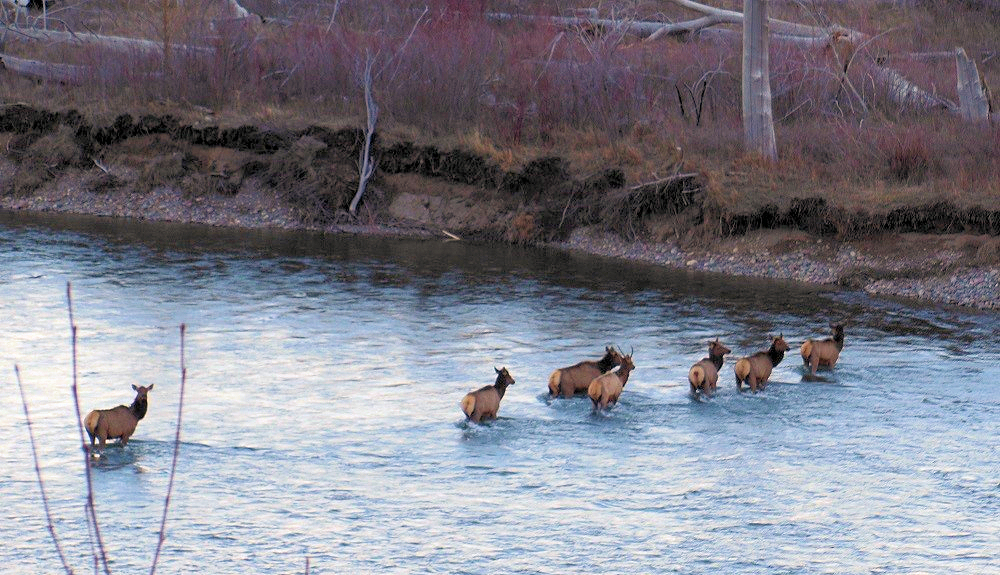
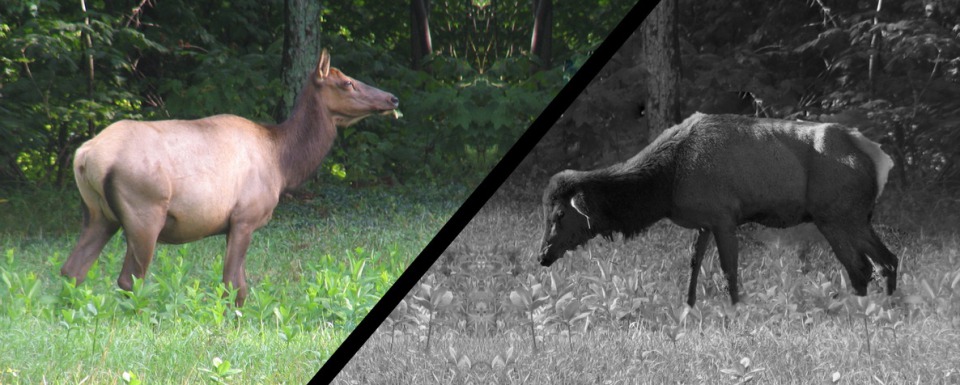
Chronic Wasting DIsease (CWD) - illustration of effects on elk
Chronic Wasting DIsease (CWD) – illustration of effects on elk

From the New York Times comes this article about what the states, especially Montana, are doing to combat deer family CWD . . .

As darkness closed in, one hunter after another stopped at this newly opened game check station, deer carcasses loaded in the beds of their pickups.

They had been given licenses for a special hunt, and others would follow. Jessica Goosmann, a wildlife technician with Montana’s Fish, Wildlife & Parks Department, stepped outside to greet them, reaching for the neck of each freshly killed deer to cut an incision and remove a lymph node for testing.

On the edge of this south-central Montana village, where deer hunting is a way of life, the game check station has become the front line of the state’s efforts to stop the spread of a deadly infection known as chronic wasting disease.

Read more . . .

Study: Closing roads counters effects of habitat loss for grizzlies

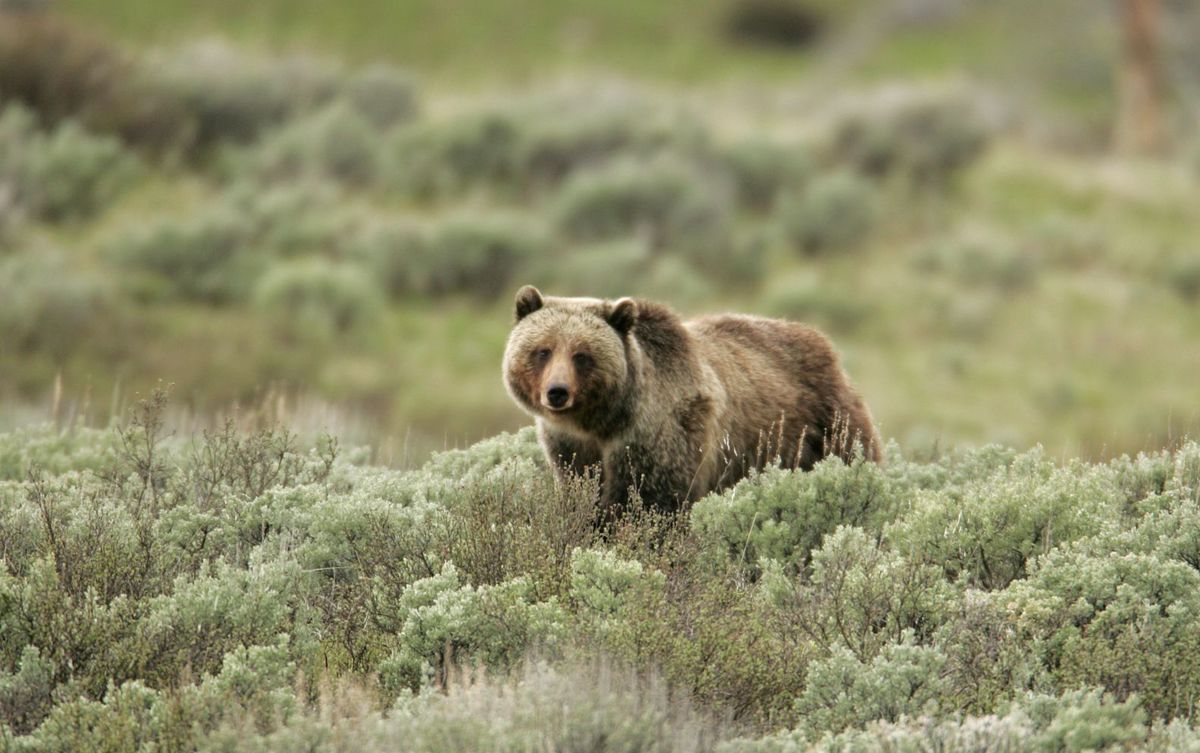
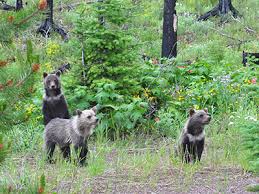
Grizzly bear cubs on old road bed - Montana Fish, Wildlife and Parks
Grizzly bear cubs on old road bed – Montana Fish, Wildlife and Parks

Here’s an interesting roads vs. grizzlies study based on DNA data out of British Columbia . . .

It’s simple math, says scientist Clayton Lamb. The closer grizzly bears are to humans, the more ways there are for the bears to die. Put more simply, more roads equal fewer grizzly bears.

In a recent study examining a long-term DNA dataset of grizzly bear activity in British Columbia, Lamb and his colleagues conclusively determined what scientists have long suspected: higher road density leads to lower grizzly bear density, a critical problem for a species still rebounding from a long period of human persecution.

“The problem with grizzly bears and roads is a North American-wide issue. This is the first time that strongly links roads to decreased grizzly bear density,” said Lamb…

Read more . . .

Only mussel DNA found in Tiber Reservoir so far

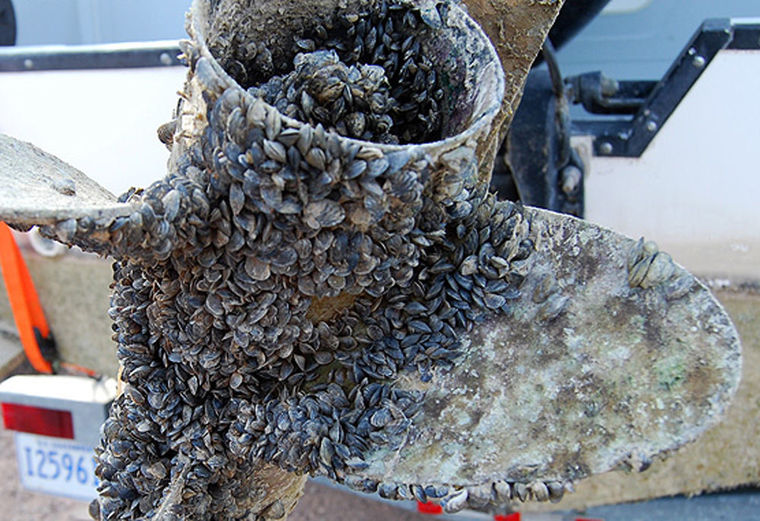
Mussel-fouled Propeller - NPS photo
Mussel-fouled Propeller – NPS photo

Invasive mussel DNA is still being found in Tiber Reservoir, but no larvae or adults so far . . .

Samples taken last year from Tiber Reservoir bolstered older evidence for the presence of invasive mussels.

In a press release Thursday, Montana Fish, Wildlife and Parks announced that samples of environmental DNA (eDNA) taken by it and the U.S. Geological Survey during 2017 indicated invasive mussels’ presence in Tiber Reservoir.

In Fall 2016, the discovery of quagga mussel larvae and a shell fragment there triggered a massive effort to detect and contain the animals. Over the course of 2017, the press release states, “FWP and partner agencies collected more than 1,500 plankton samples from 240 waterbodies,” including 128 plankton tow samples from Tiber and 147 at Canyon Ferry, where their presence is suspected.

Through these tests, “no adult mussels or larvae were found.”

Read more . . .

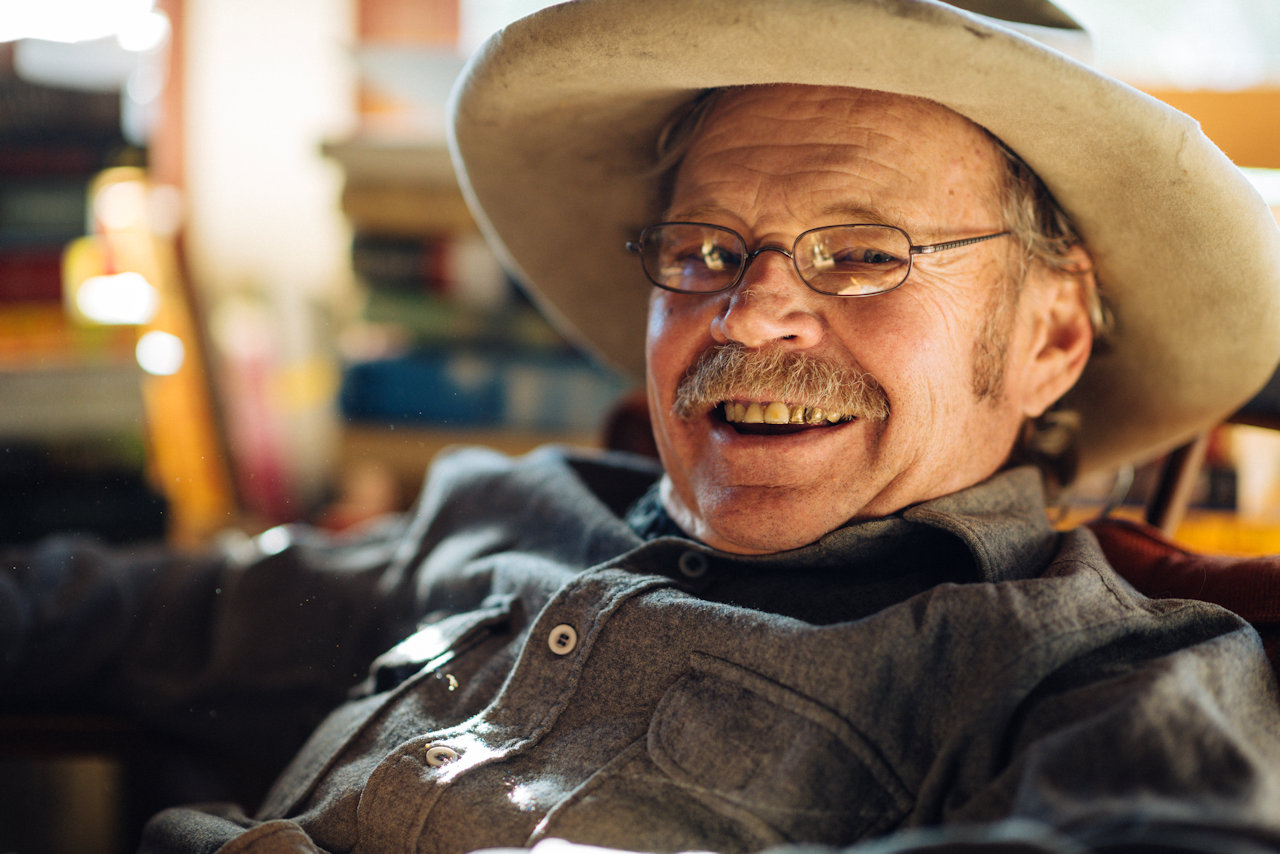
North Fork stalwart and NFPA board member Alan McNeil dies

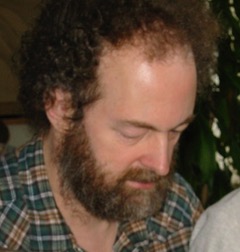
Alan R. McNeil - courtesy Cecily McNeil
Alan R. McNeil – courtesy Cecily McNeil

Obituary courtesy of Alan’s mother, Cecily . . .

Alan Rideout McNeil died of a heart attack on the 29th of December, 2017. The family wish to thank the neighbors, the Sheriff’s department, and the Coroner, all of whom were most helpful in the midst of the recent blizzard conditions.

Alan was the son of Cecily and Edward McNeil. He was born in Urbana, Illinois in 1951 and lived there until he was five, when the McNeils moved to Chicago.There he attended the Laboratory School of the University of Chicago from first grade through High School. He was most interested in art. After graduation he enrolled at the University of Illinois in Chicago, where his father Edward was a professor of physics. There, Alan majored in art, not the conventional pen and brush sort of art, but “performance art,” and also computer-generated art.That was back in the pre-internet days when computers were cumbersome and required stacks of perforated cardboard slips.

After graduating from college, Alan worked for a year or so at a Chicago trading firm, doing electronic stock transfers. Then he went to work for a company devoted to video games, which at that time resembled pinball machines and were available in the same type of venue.

Alan was the creator of one of the most famous of these early games: Berzerk. It made money for his employers, big time, but not so much for him.

In about 1987, Alan and his then wife, Karen Chesna McNeil, moved to the Flathead. Their children, Henry and Fiona McNeil, attended the Kalispell Montessori schools, and later, Flathead High School.

Alan is survived by his children—Henry and Fiona— and also by his mother, and his brother, Bruce McNeil, as well as his nieces , Lt. Commander Anna McNeil and Ellie McNeil, and his young nephew Eddie McNeil.

Alan loved the North Fork, where his parents had brought their two sons for summers when they were boys. He held office in North Fork organizations over the years, and was seriously conservation-minded. He also loved music and was an accomplished pianist.

One of Alan’s gifts was his easy comradeship with children. He taught at Montessori for a year and was a scoutmaster when his son was in a Boy Scout troop.

Responsible, friendly, creative, kind—his family and friends will miss him dearly. There will be a gathering on the North Fork this summer in Alan’s memory.

Donations to the Montana Wilderness Society would be an appropriate remembrance.

Alan McNeil dies

North Fork stalwart and NFPA board member Alan McNeil passed away unexpectedly last Friday, November 29. Cause of death was a heart attack. Our hearts go out to  his mother Cecily, his brother Bruce, and especially Alan’s daughter Fiona and son Henry. We’ll post more information as it becomes available.

A lot of homework to study

Flathead National Forest

Here’s the Missoulian’s take on the final draft of the new Flathead Forest Plan . . .

With the clock ticking on a 60-day objection window, people who play in the Flathead National Forest have a lot of homework to study.

U.S. Forest Service analysts made many changes to backcountry areas in their draft forest plan released this month. The proposal recommends a new wilderness area between Whitefish and Polebridge. It might increase mechanized access around the Jewel Basin by Bigfork, and could affect hunter access in popular elk country.

“The draft plan adopts a large part of the Whitefish Range Partnership agreement, including 80,000 acres of recommended wilderness that was never recommended before,” said Amy Robinson of Montana Wilderness Association. “And it looks like there’s more recommendation for high-intensity recreation area in the southern range than was in the last draft.”

Read more . . .

Grizzlies should return to the Bitterroots, eventually

Grizzly Bear - U.S. Fish and Wildlife Service-Terry Tollefsbol, NPS
Grizzly Bear – U.S. Fish and Wildlife Service-Terry Tollefsbol, NPS

Although there’s no effort in place to restore grizzly bears to the Bitterroots, they should repopulate the area on their own, given enough time . . .

While the potential for grizzly bears in the Bitterroot Mountains was a topic of discussion during last week’s annual meeting of the Interagency Grizzly Bear Committee, area wildlife managers say they don’t think any have established residence here — yet.

The Bitterroot National Forest and the Bitterroot-Selway Wilderness area are prime grizzly bear habitat, notes Dave Lockman, a wildlife biologist with the forest. As their population continues to increase elsewhere, they’re expanding their ranges.

Lockman noted that a grizzly bear sighting was confirmed in 2016 in the upper Big Hole River area, and that one was identified on private property on Sunset Bench southeast of Stevensville in 2002. That bear is thought have crossed the Sapphire Range from the Rock Creek drainage. In addition, a black bear hunter killed a mature male grizzly in 2007 in the North Fork of Kelly Creek on the Nez Perce-Clearwater National Forest, about 60 miles north of what’s considered the Bitterroot ecosystem. That bear was genetically associated with the grizzly populations in the Selkirk Mountains in northern Idaho.

Read more . . .

‘Wheels Over Wilderness’ bill would let mountain bikes into wilderness areas

Mountain Biker by Mick Lissone

Here’s a good overview of the issues surrounding H.R. 1349, the recently introduced “Wheels Over Wilderness” bill. The NFPA even gets a mention . . .

Advocates of designated wilderness with a capital “W” worry that a new congressional proposal could allow another w-word access to federally protected lands — wheels.

Specifically, mountain bikes, which are currently prohibited in congressionally designated wilderness areas, but also other wheeled devices. As the measure to allow them moves forward, however, it has pitted some user groups against one another while drawing wide opposition from environmental organizations.

A bill introduced to Congress last week by California Republican Rep. Tom McClintock would amend the 1964 Wilderness Act to allow the use of certain wheeled devices, including mountain bikes, in Wilderness areas — a use that has historically been prohibited on the nation’s 110 million acres of federally protected land.

Read more . . .

See also: America’s wilderness is no place for mountain bikes

Pilot program to combat mussels in the Flathead in trouble

Flathead Lake
Flathead Lake

One has to wonder if there’s a connection between the administrative uproar over a pilot program to combat invasive mussels in Flathead Lake and the defunding for supposed budgetary reasons of the organization tasked to oversee the program.

Anyway, here’s a good summary of the situation as it stands right now . . .

A legislatively mandated program aimed at enhancing protection from invasive mussels entering the Flathead Basin is beset with challenges as the group charged with implementing the plan has had its budget dissolved, while two state agencies say its key provisions cannot legally be implemented.

As part of House Bill 622, a bill introduced by four Flathead lawmakers, the Legislature gave the Flathead Basin Commission authority to establish and manage the Upper Columbia aquatic invasive species (AIS) pilot program. The program would add more certification stations in the Flathead Basin, track vessels that require decontamination, and add the use of automated inspection and detection devices.

The pilot program would have been paid for by requiring boat owners launching boats in the basin to purchase a sticker, which was expected to raise between $1 million and $1.5 million and pay for additional inspection stations.

Read more . . .