Category Archives: News

Polebridge Field Course presentation a big success

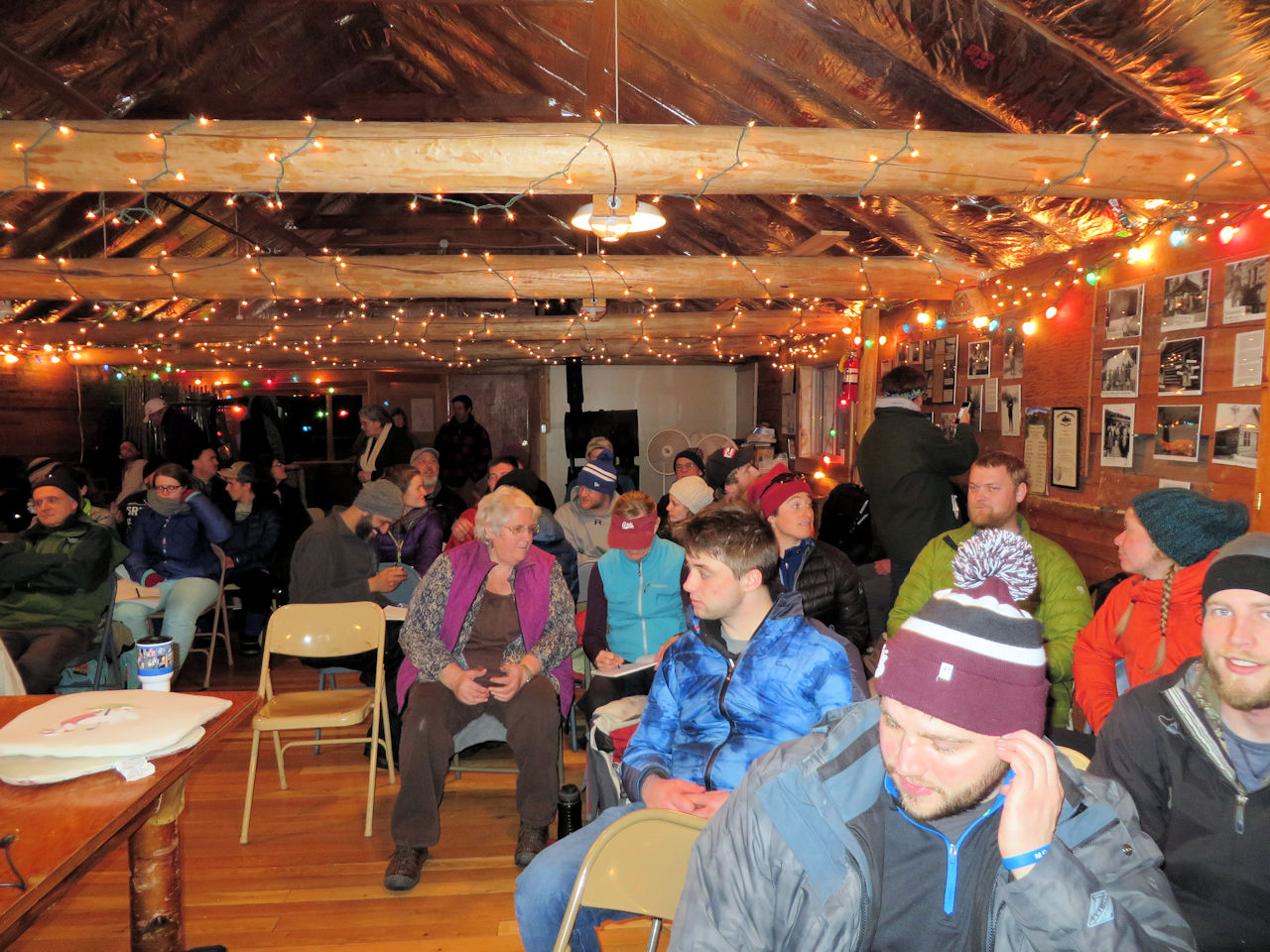
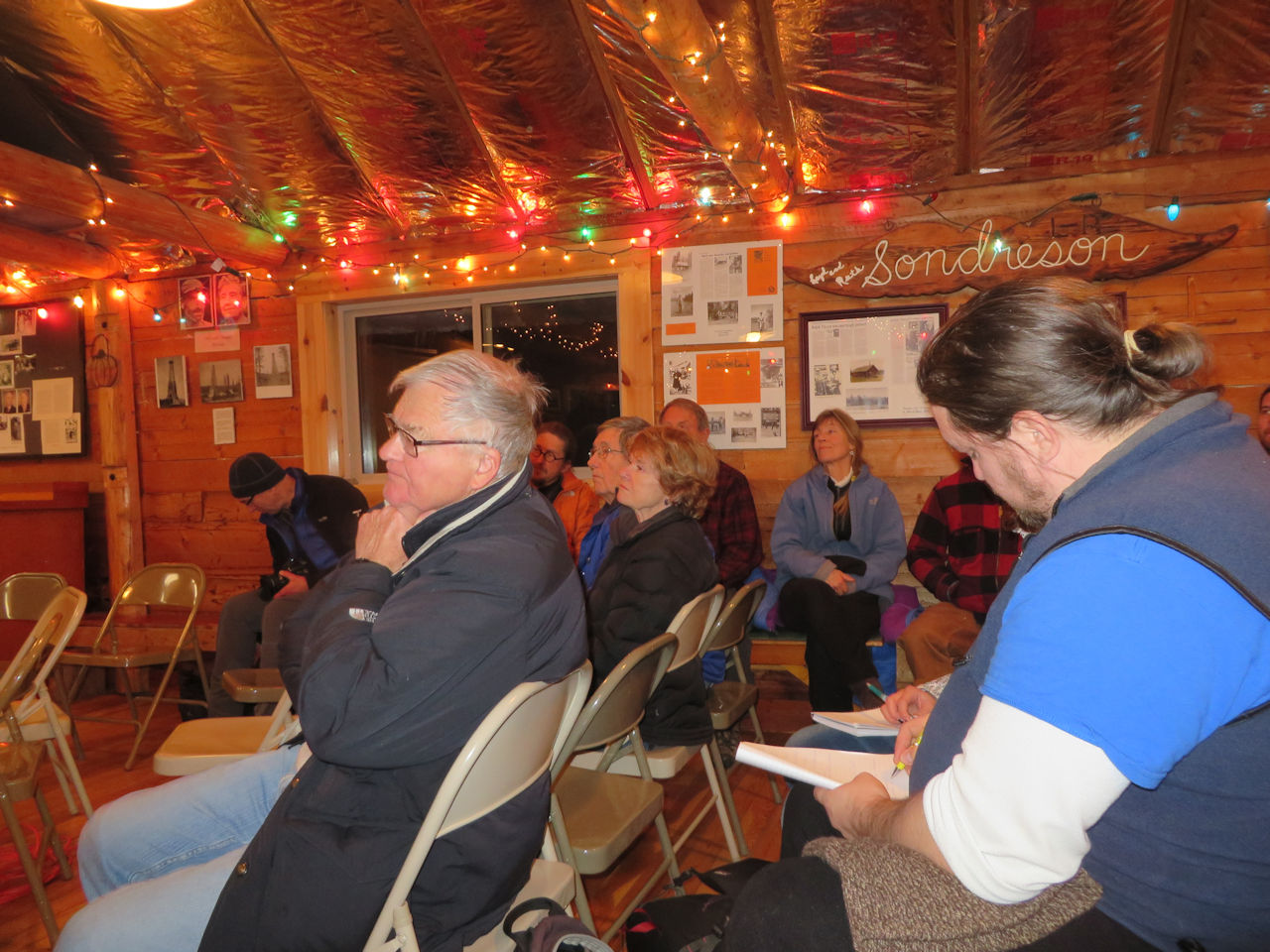
Polebridge Field Course presentation atendees, Jan 16, 2017
Polebridge Field Course presentation attendees, Jan 16, 2017

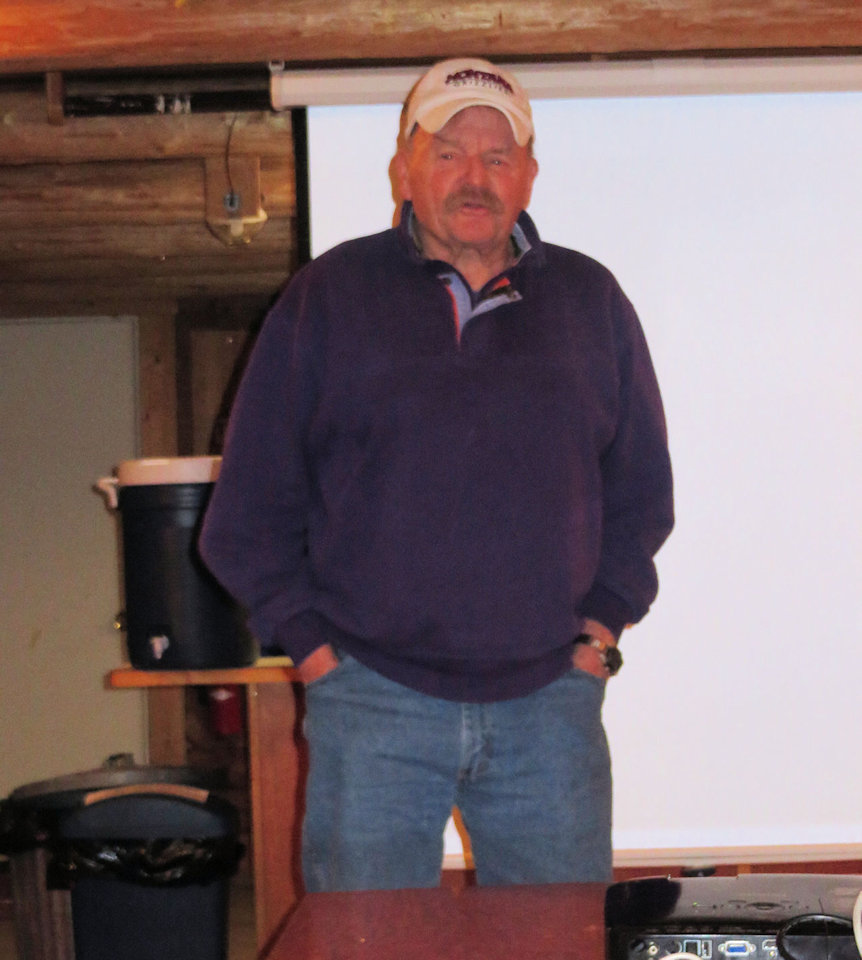
Every year, Rick and Suzie Graetz of the University of Montana bring the Polebridge Field Course to the North Fork. For the “field” part, the class spends five days up here, learning about the landscape, the species that live on it (including humans), its geology and history. At the end of the first full day, there is a presentation at Sondreson Community Hall that includes a lot of spectacular photos and considerable interaction between students and locals.

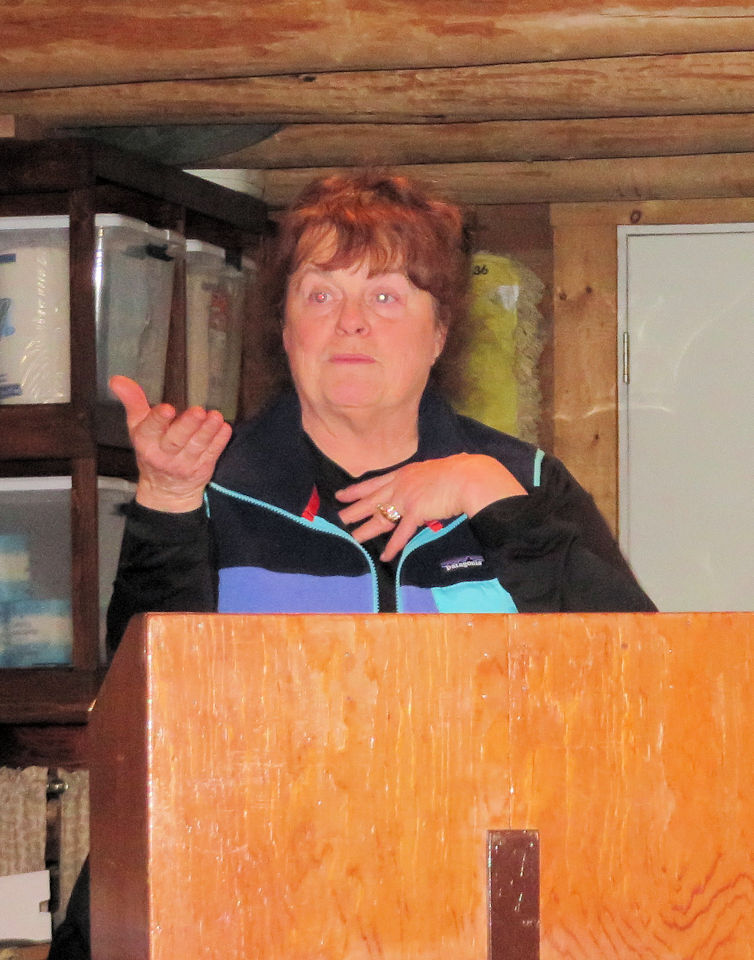
Rick Graetz at the Polebridge Field Course presentation, Jan 16, 2017

Here’s Lois Walker’s report on the event, lightly edited…

The Graetz’s gave another splendid presentation last Monday, January 16. It was the best yet, I believe. Suzie presented a 10-year retrospective slideshow, with photos from all their classes — lots of familiar faces and locations. Rick’s show featured breathtaking photos from around the Crown of the Continent. They had a reporter and a photographer from the Missoulian in tow, as well as Dr. Hal Stearns, a Montana historian, retired brigadier general from the Montana National Guard and husband of the current University of Montana president, who gave a rousing introduction. I believe there were 18 class members, plus a few associate students, plus the staff. The locals in attendance brought the total up to around 50. And of course Oliver Meister was present as the gracious host. There was a huge decorated chocolate cake in honor of the 10th anniversary. Another very nice evening on the North Fork.

Note: There were actually four speakers. Lois forgot to mention that she gave a brief overview of North Fork history on very short notice near the beginning of the program.

More photos of the presenters . . .

Suzie Graetz at the Polebridge Field Course presentation, Jan 16, 2017
Polebridge Field Course presentation attendees, Jan 16, 2017 - Dr. Hal Stearns at left
Polebridge Field Course presentation attendees, Jan 16, 2017 – Dr. Hal Stearns at left

Montana looks to spend $10 million fighting invasive mussels

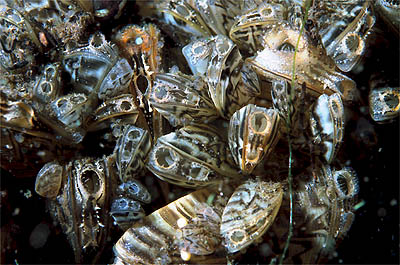
Zebra mussels
Zebra mussels – via Wikipedia

Montana needs to spend some real money fighting invasive mussels . . .

The Montana Mussel Response team set out a proposed budget to state lawmakers Monday for invasive mussel control in Montana, with a price tag of about $10.2 million for the next two years.

The funding proposal calls for decontamination stations at infested waterways, doubling the number of inspection stations across the state from 17 to 34 and increasing the number of annual water samples to 1,500 at 206 water bodies. The plan would also fund education and outreach efforts and strengthen the state’s overall effort.

About half the cost could be covered by federal matching grants. It will be up to lawmakers to actually fund the measure.

Read more . . .

House rule easing public lands transfer concerns hunters, others

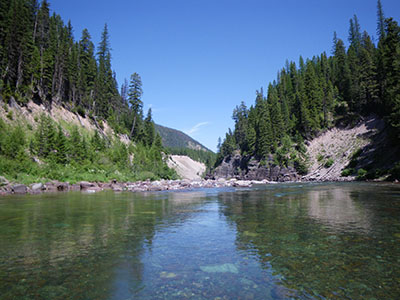
Lake in Flathead National Forest

An excellent article from the Washington Post. Thanks to Walter Roberts for spotting this one . . .

A change in U.S. House rules making it easier to transfer millions of acres of federal public lands to states is worrying hunters and other outdoor enthusiasts across the West who fear losing access.

Lawmakers earlier this month passed a rule eliminating a significant budget hurdle and written so broadly that it includes national parks.

President-elect Donald Trump’s pick for Interior secretary, Montana Rep. Ryan Zinke, voted for the rule change as did many other Republicans. The Senate would have to weigh in on public land transfers as well.

Read more . . .

Wolverine caught on camera in West-central Idaho

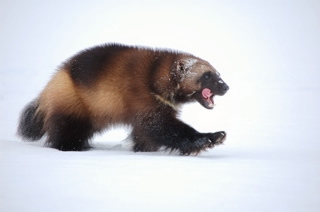
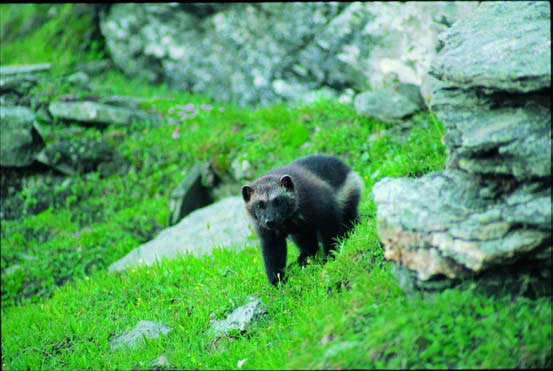
Roaming wolverine - USFWS
Roaming wolverine – USFWS

They’re still turning up Wolverines in odd places . . .

A wolverine has been recorded on an Idaho Fish and Game camera near McCall in west-central Idaho as part of a four-state study to determine where the elusive mammals live.

A remote camera recorded at least one wolverine earlier this winter feeding on a deer leg attached to a tree about 12 miles northeast of McCall, the agency reported Friday.

Idaho, Montana, Wyoming and Washington state are taking part in the study to find out if the animals that look like small bears with big claws can be reintroduced to some regions to boost their numbers.

Read more . . .

Wilderness Speaker Series starts Jan 25

Wilderness Speaker Series 2017

Presented by: The Bob Marshall Wilderness Foundation,

Montana Wilderness Association, Flathead-Kootenai Chapter,

Northwest Montana Forest Fire Lookout Association,

Natural Resources Conservation Management Program at FVCC

January-March 2017

Fourth Wednesdays, 7-8:30 p.m.  

Flathead Valley Community College

Arts & Technology Building

No charge; everyone welcome


January 25

“Mountain Goats of Northwest Montana: Natural History, Ecology and Population Status”

Speaker:  Jessy Coltrane, Ph.D., Wildlife Biologist

Mountain goats are an iconic species of Northwest Montana, enjoyed by wildlife viewers and hunters, alike. Come learn about their natural history, ecology, and population status.

Location:  Arts & Technology Building, Room 139


February 22

“100 Days of Solitude”

      Speaker:  Amy Pearson, Adjunct Professor, Humanities Division, FVCC

        Fire lookout, poet, and English Professor at FVCC, Amy Pearson, will share the life changing experience and writings that resulted from the summer she lived and worked at Jumbo Lookout in the heart of the Bob.

Location:  Arts & Technology Building, Room 139


March 22

“THE NAMES OF THE STARS, A Life In The Wilds” a book reading and discussion”

Speaker:  Pete Fromm, wilderness author.

Acclaimed author of “Indian Creek Chronicles,” the story of his seven winter months alone in the Selway Bitterroot Wilderness tending salmon eggs, Pete’s newest book, “THE NAMES OF THE STARS; A Life In The Wilds” is the story of another month alone in the wilderness caring for fish eggs, this time the Bob. He will read from his new book.  Books available for sale and signing.

Location:  Arts & Technology Building, Room 139

Feds consider putting fisher on endangered list

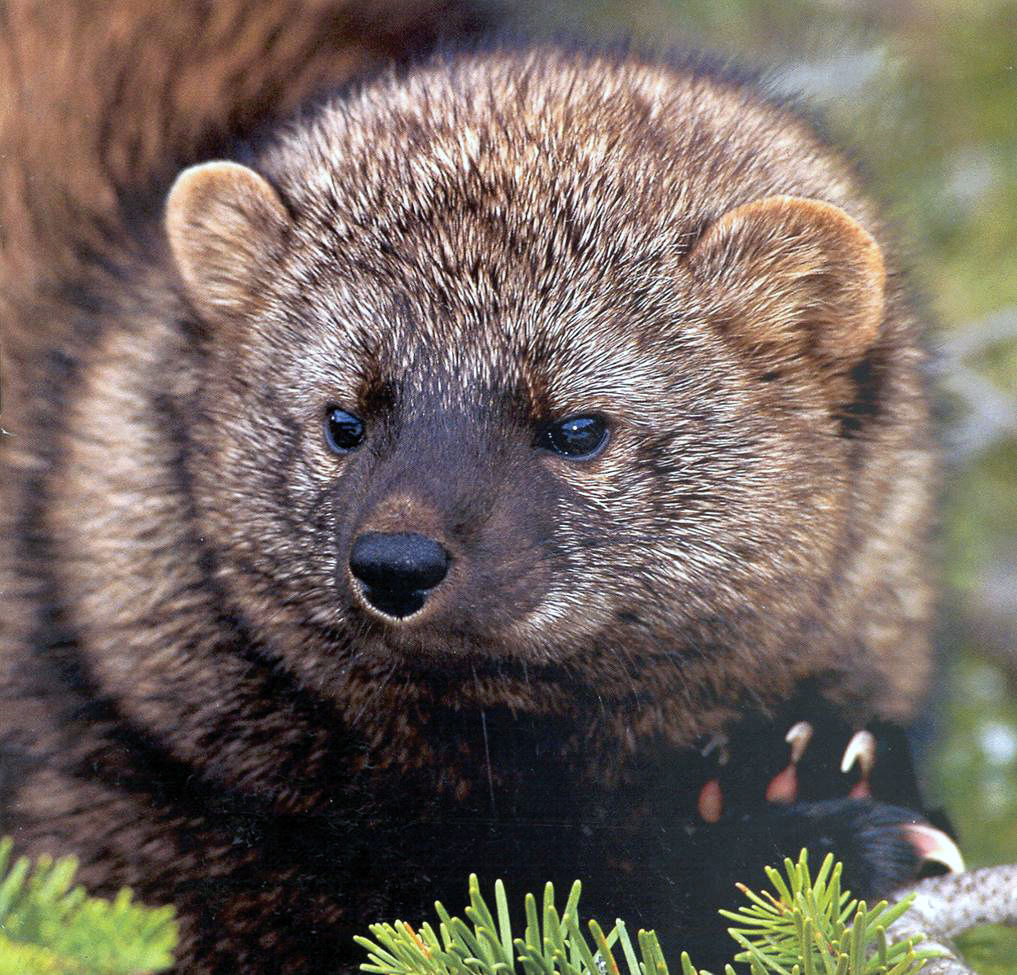
Fisher - U.S. Forest Service, Region 5 photo
Fisher – U.S. Forest Service, Region 5 photo

USFWS is reviewing the status of the fisher to determine whether it should be added to the Endangered Species List . . .

The U.S. Fish and Wildlife Service announced Friday the initiation of a status review for the distinct population segment of Northern Rocky Mountain fisher, to determine whether this population meets the definition of an endangered or threatened species under the Endangered Species Act.

Bigger than a marten, but smaller than a wolverine, the fisher is in the same family that also includes weasels, mink, and otters. Fishers live in coniferous and mixed conifer and hardwood forests and are found commonly in mature forest cover. They’re one of the few creatures that kill and eat porcupines.

In Montana, the best fisher habitat is in the old growth wilderness of the Selway-Bitterroot. While fisher tracks have been noted in places like Glacier National Park, extensive hair trapping studies done a few years ago did not find any fishers, according to Park biologist John Waller.

Read more . . .

Decision on Yellowstone region grizzly delisting delayed

Grizzly Bear - courtesy NPS
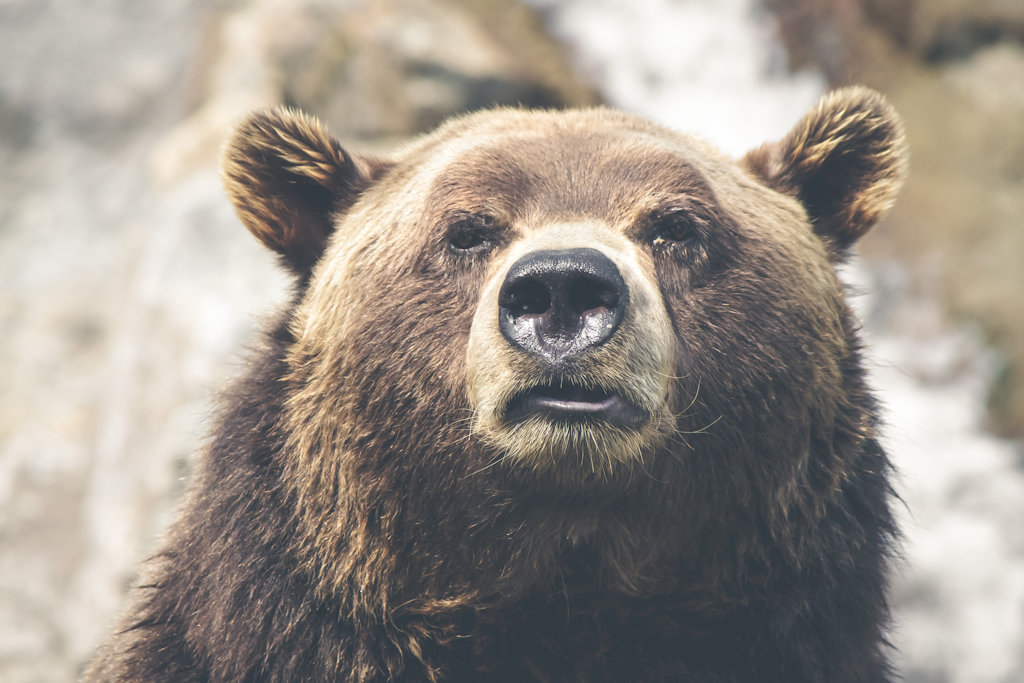
Grizzly Bear – courtesy NPS

Removal of Yellowstone area grizzlies from the Endangered Species List is by no means a done deal . . .

Federal officials are delaying their decision on whether to lift protections for more than 700 grizzly bears in and around Yellowstone National Park and allow hunting, amid opposition from dozens of American Indian tribes and conservation groups.

Officials had planned to finalize the proposal to turn jurisdiction on grizzlies over to state officials in Montana, Idaho and Wyoming by the end of 2016.

But U.S. Fish and Wildlife Service Assistant Regional Director Michael Thabault said it could take the agency another six months to finish reviewing 650,000 public comments that have poured in on the proposal.

Read more . . .

Interior Department cancels remaining oil and gas leases in Badger-Two Medicine

Badger-Two Medicine Region

Here’s a bit more information on last Tuesday’s announcement of the cancellation of the last two oil and gas leases in the Badger-Two Medicine region . . .

The U.S. Department of the Interior announced the Bureau of Land Management has canceled the final two oil and gas leases in the Badger-Two Medicine area within the Lewis and Clark National Forest in Northwest Montana.

The two lease cancellations address outstanding concerns about the potential for oil and gas development in this culturally and ecologically important area. The cancellations come on the heels of U.S. officials cancelling other 15 oil and gas leases in the area.

“We are proud to have worked alongside the Blackfeet Nation and the U.S. Forest Service throughout this process to roll back decades-old leases and reinforce the importance of developing resources in the right way and the right places.” said Secretary Sally Jewell. “The cancellation of the final two leases in the rich cultural and natural Badger-Two Medicine Area will ensure it is protected for future generations.”

Read more . . .

Further reading: The official BLM press release

US cancels last two oil and gas leases in Badger-Two Medicine area

Badger-Two Medicine Region

With 12 days left in the Obama administration, the Interior Department cancelled the remaining two oil and gas leases in the Badger-Two Medicine region . . .

The U.S. Department of the Interior announced the Bureau of Land Management has canceled the final two oil and gas leases in the Badger-Two Medicine area within the Lewis and Clark National Forest in Northwest Montana.

The two lease cancellations address outstanding concerns about the potential for oil and gas development in this culturally and ecologically important area. The cancellations come on the heels of U.S. officials cancelling another 15 oil and gas leases in the area.

“We are proud to have worked alongside the Blackfeet Nation and the U.S. Forest Service throughout this process to roll back decades-old leases and reinforce the importance of developing resources in the right way and the right places.” said Secretary Sally Jewell. “The cancellation of the final two leases in the rich cultural and natural Badger-Two Medicine Area will ensure it is protected for future generations.”

Read more . . .

Invasive mussels pose big threat to Montana’s waters

Mussel-fouled Propeller - NPS photo
Mussel-fouled Propeller – NPS photo

Late last Fall, waters in the Tiber and Canyon Ferry reservoirs tested positive for invasive mussel larvae. Montana officials reacted quickly, closing boating access at both locations and initiating the removal of underwater structures for inspection. Later, the Milk River near Malta and the Missouri River near York’s Islands Fishing Access Site south of Townsend also showed evidence of possible infestation by zebra and quagga mussels, triggering further responses to the threat.

Glacier National Park immediately closed all its waters to boating,. A close reading of their press release indicates public boating access may well be restricted throughout the 2017 season.

Leaders of the Confederated Salish and Kootenai tribes declared an emergency and called for the formation of an incident management team to deal with the issue as it applies to Flathead Lake.

Zebra mussels
Zebra mussels – via Wikipedia

The Flathead Basin Commission, the River to Lake Initiative, U.S. Fish and Wildlife and a number of other other organizations and federal agencies have all expressed alarm and called for further action.

Why all the uproar? Because invasive mussels cause huge damage to waterways, equipment  and fish populations. Once established, they are impossible to remove completely. Mussels are filter feeders, gobbling up the plankton that form the base of the food chain for native fish. Mussels have been known to reduce available plankton by 70 to 80 percent in some waters.

First detected in the Great Lakes less than 30 years ago, mussels now have a foothold in 29 states. In most cases, they were spread by hitching rides on poorly cleaned private watercraft. So, any positive detection anywhere in the state is a big deal.

Further reading: The Flathead Beacon has an excellent article on invasive mussels (kudos to Dillon Tabish for putting it together). The distribution map at the bottom is pretty scary, by the way.