Take care as bears begin to stir

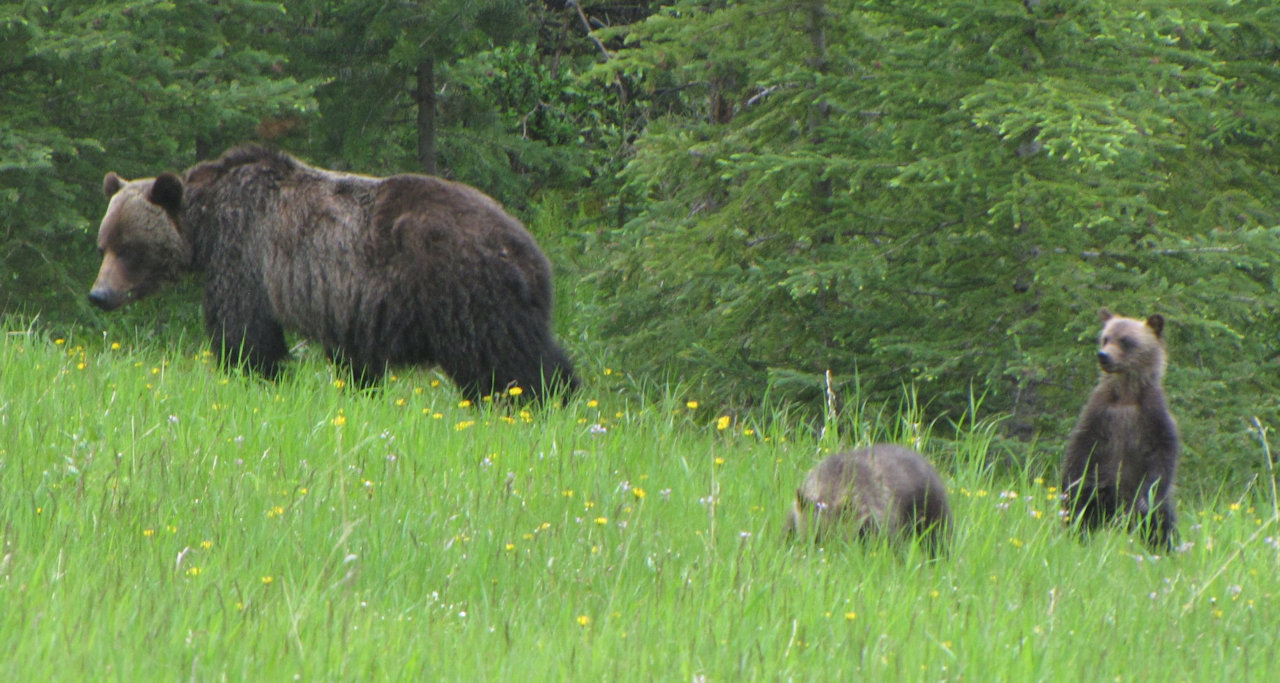
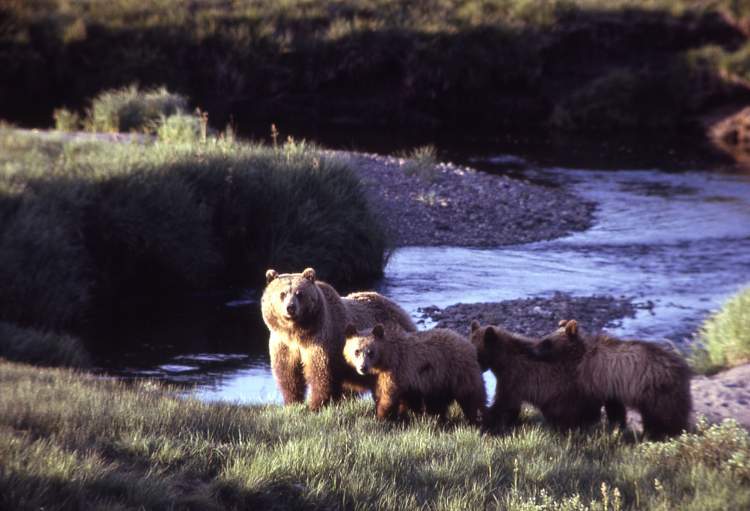
Grizzly bear sow with three cubs - NPS photo
Grizzly bear sow with three cubs – NPS photo

A springtime reminder from Montana Fish, Wildlife and Parks . . .

With a mild end of the winter, some of Montana’s hibernating black bears and grizzly bears are beginning to stir.

Adult males usually emerge first from winter dens in mid-March, but some bears have been sighted in Yellowstone National Park. When bears emerge from their dens they are physically depleted and food is a priority.

Bears are often tempted to go where raccoons and domestic dogs are getting into garbage. If these animals are already causing problems nearby, consider it an early warning that food attractants are available and need to be removed.

Montana Fish, Wildlife & Parks’ bear experts stress that conflict prevention steps can greatly reduce the chances of attracting black and grizzly bears.

FWP recommends bear resistant bins in communities and on ranches; electric fence systems to protect bee yards and sheep bedding grounds; random redistribution of livestock carcasses each spring; and educational programs in schools and communities.

FWP’s Be Bear Aware website at fwp.mt.gov is an easy way for homeowners and landowners to assess what they need to do now to prevent bear conflicts. Go there for tips and tools on obtaining and using bear spray, safe camping and hiking, access to bear resistant products and a guide to other items that attract bears to a property.
Arch Coal suspends plans for Otter Creek strip mine

Strip mines are pretty nasty and this was going to be a very big one . . .

Arch Coal suspended its application for a major mine in southeastern Montana on Thursday, two months after the mining giant filed for bankruptcy protection and amid broader struggles for the coal industry that have reversed its once-bright prospects in the state.

The St. Louis-based company cited a weak coal market, a shortage of capital and an uncertain permitting outlook in announcing it was suspending the proposed Otter Creek mine.

The move marks a major blow to longstanding efforts to expand mining in the Powder River Basin along the Montana-Wyoming border, the nation’s largest coal-producing region. Arch had invested at least $159 million to acquire coal leases in the area.

Read more . . .

Wolf advocates warn U.S. Fish and Wildlife Service they’re in for a lawsuit

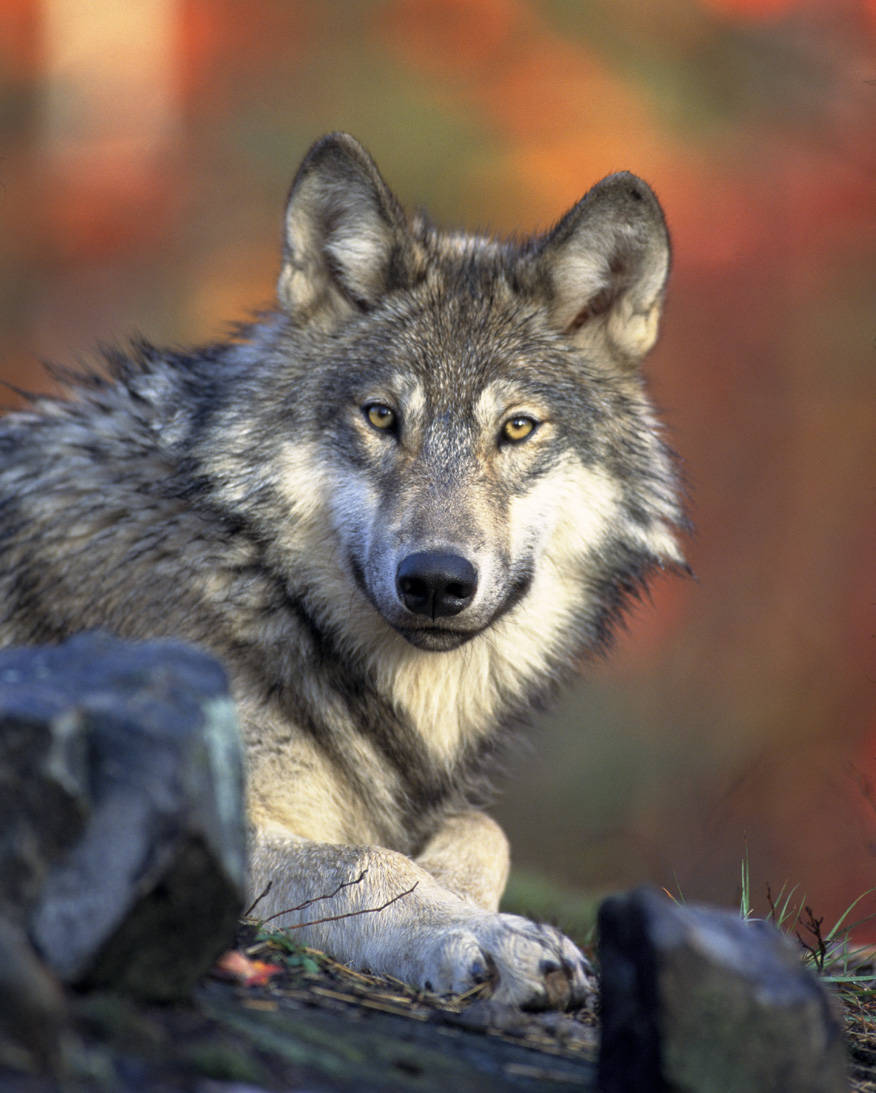
Gray Wolf
Gray Wolf

The USFWS is about to get sued to make them keep a tight eye on the wolf population for another five years . . .

A coalition of wolf advocates has warned the U.S. Fish and Wildlife Service that they plan to sue if the agency doesn’t extend its supervision of wolf populations in Montana and Idaho another five years.

“When the Montana Fish, Wildlife and Parks is offering five tags to every wolf hunter and Idaho Fish and Game is putting sharpshooters in the Frank Church-River of No Return Wilderness and funding aerial gunning in the Lolo Zone, we feel renewing another five years of federal monitoring is warranted,” said Matthew Koehler of Missoula-based Wild West Institute, one of five groups putting FWS on notice. “Given the situation on the ground and the ways state policy is changing, we think the prudent thing to do is keep monitoring wolf populations so they’re not hunted and trapped back to the brink of extinction.

The Center for Biological Diversity, Western Watersheds Project, Friends of the Clearwater and Cascadia Wildlands joined Wild West Institute in the notice. By law, groups objecting to a federal agency must give it 60 days advance warning to offer time to craft a solution before going to court.

Read more . . .

Mountain bikers want wilderness access

Some mountain bikers want to be able to ride in wilderness areas . . .

No mechanical transport in the wilderness — not even a wheelbarrow.

A ban on wheels in the wilderness has long stood as a principle of the Wilderness Act, but one mountain bike advocacy group is gaining attention for its effort to change the hard and fast rule that impacts millions of acres of forest in Northwest Montana.

The Colorado-based Sustainable Trails Coalition is peddling the Human-Powered Wildlands Travel Management Act of 2016. The bill aims to undo the 1984 blanket ban on bicycles in the wilderness and give local land managers more flexibility in deciding whether treaded tires should be allowed on some wilderness trails.

Read more . . .

On cusp of delisting, grizzly hunting a worry

Grizzly Sow with Two Cubs - - Wikipedia en:User Traveler100
Grizzly Sow with Two Cubs – – Wikipedia en:User Traveler100

Here’s a lengthy, rational discussion of the concerns many conservationists have about the looming removal of grizzly bears from the Endangered Species List.

Kudos to Bill Fordyce for finding this one . . .

The federal government’s imminent release of plans to let states manage Yellowstone-area grizzly bears — including by hunting — rekindles debate about whether gunning down grizzlies will undo years of conservation work.

Federal officials are on the cusp of releasing and seeking public comment on draft rules and regulations that would remove Endangered Species Act protection from more than 717 Yellowstone–area grizzly bears. As officials propose the dramatic change, conservationists wonder whether hunters’ bullets might upend 40 years of advances.

Read more . . .

From the Flathead to Yellowstone to the Yukon

The Whitefish Range by Steve Gnam

The Wilderness Speaker Series presents a lecture by Harvey Locke entitled From the Flathead to Yellowstone to the Yukon: Nature Needs Half — a Hopeful Agenda for the Future of Wild Nature and Humanity.

A specialist in transboundary, large-scale habitat conservation, Locke is founder of the Yellowstone to Yukon Conservation Initiative and former vice president of the WILD Foundation. In 1999, Time Magazine Canada named him one of Canada’s “Leaders of the 21st Century.” He was also honored with the Fred M. Packard Award for Outstanding Service to Protected Areas at the World Parks Congress in Sydney, Australia in 2014.

Thursday, March 3
7 p.m.
Flathead Valley Community College
Room 144 A/B, Arts & Technology Building
777 Grandview Dr., Kalispell

Seating will be limited to 80 audience members, so please arrive early.

The Wilderness Speaker Series is a free community lecture series sponsored by the Bob Marshall Wilderness Foundation and Montana Wilderness Association.

For more information, please contact Grete Gansauer at ggansauer@wildmontana.org.

First-year effort nets thousands of lake trout from Logging Lake

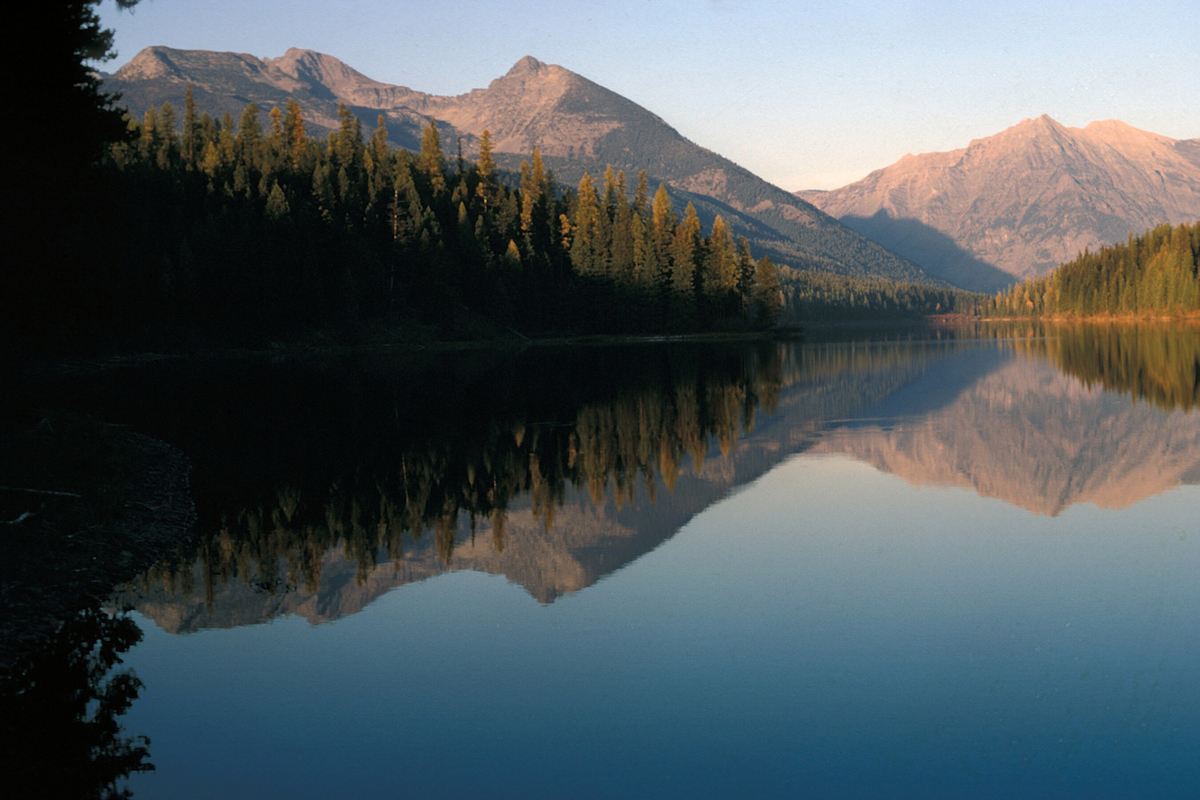
Logging Lake in Glacier National Park, USA - National Park Service
Logging Lake in Glacier National Park, USA – National Park Service

Logging Lake is stuffed with invasive lake trout . . .

Glacier National Park’s Logging Lake is brimming with non-native lake trout, biologists have found. In 2015, biologists from the U.S. Geological survey netted 2,158 lake trout from the remote North Fork water.

“That’s a lot of fish,” Vin D’Angelo, fisheries biologist with the USGS said.

Initial netting last spring brought worries that the entire lake was full of lake trout and little else. They only caught 10 suckers, but hundreds of lake trout. The lake trout are killed and their air bladders are punctured so they sink back to the bottom of the lake, which avoids any conflict with bears and other scavengers.

But fall netting caught 864 suckers, D’Angelo noted. The idea isn’t to catch suckers, which are a bait fish, he noted, but at least biologists know they’re in the lake in healthy numbers. In fact, Logging Lake has turned out to be a fairly diverse body of water compared to other North Fork lakes. In addition to suckers species, it has a healthy population of westslope cutthroat trout, northern pike minnows and mountain whitefish. The lake trout don’t eat many cutts, because lake trout generally live in water that’s 50 to 70 feet deep, while cutts are a surface feeding fish.

Read more . . .

Another land easement proposed near Whitefish

Whitefish makes a preliminary move to protect even more of their watershed from development . . .

Even as local leaders and state resource managers celebrated the recent completion of the Haskill Basin conservation easement east of Whitefish Lake, a plan to protect more than 15,000 acres of private land northwest of the lake is already in the works.

Montana Fish, Wildlife and Parks Conservation Manager Alan Wood said the Whitefish Lake Watershed Project, a 15,334-acre easement proposal northwest of the lake, is still in its preliminary stages.

Read more . . .

Environmentalists sue to strengthen sage grouse protections

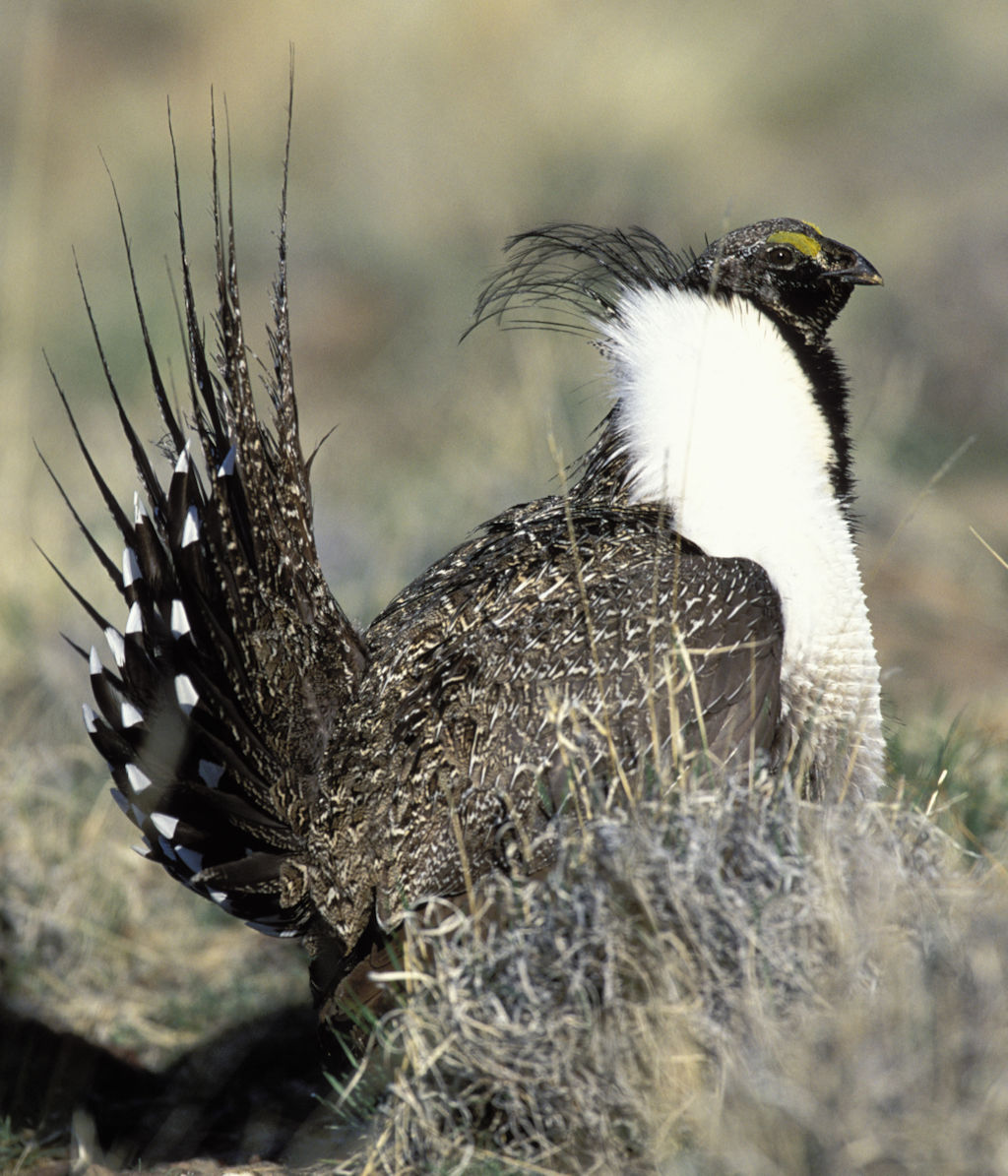
Sage Grouse - USFWS image
Sage Grouse – USFWS image

The greater sage grouse conservation plan is drawing fire from both sides . . .

Environmental groups sued Thursday to force the Obama administration to impose more restrictions on oil and gas drilling, grazing and other activities blamed for the decline of greater sage grouse across the American West.

A sweeping sage grouse conservation effort that the government announced last September is riddled with loopholes and will not be enough to protect the bird from extinction, according to the lawsuit filed in U.S. District Court in Idaho.

It follows several legal challenges against the same rules from the opposite end of the political spectrum. Mining companies, ranchers and officials in Utah, Idaho and Nevada argue that the administration’s actions will impede economic development.

Read more . . .