All posts by nfpa

How a guy from a Montana trailer park overturned 150 years of biology

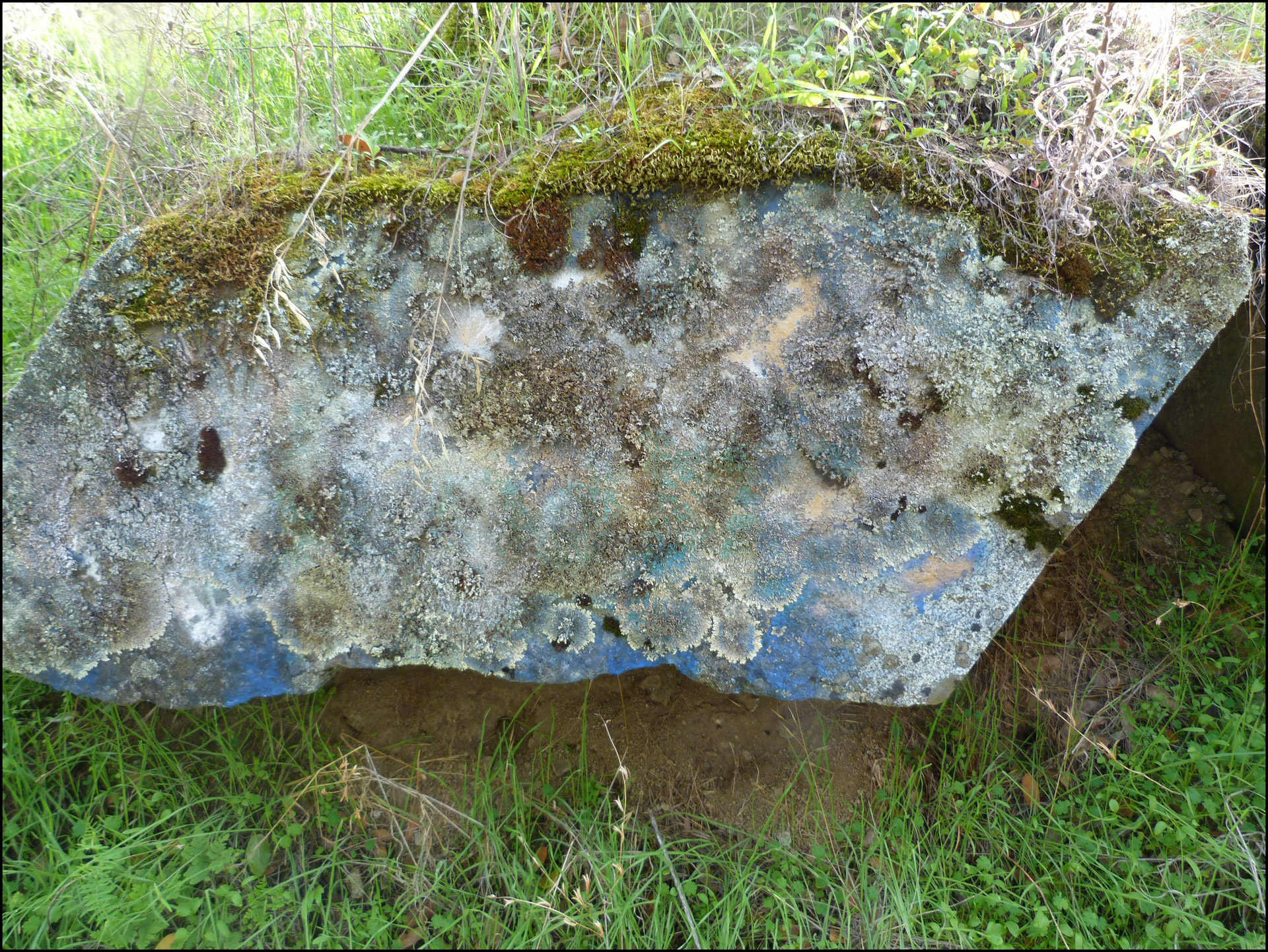
Lichen on blue rock along American River, Folsom, CA

Here’s a fascinating story from The Atlantic magazine.

Remember learning about lichens in high school or college biology? Turns out, you learned it wrong. Sort of. And a persistent fellow from Montana proved it . . .

In 1995, if you had told Toby Spribille that he’d eventually overthrow a scientific idea that’s been the stuff of textbooks for 150 years, he would have laughed at you. Back then, his life seemed constrained to a very different path. He was raised in a Montana trailer park, and home-schooled by what he now describes as a “fundamentalist cult.” At a young age, he fell in love with science, but had no way of feeding that love. He longed to break away from his roots and get a proper education.

Read more . . .

Bob Marshall advocates still pushing for wilderness part of lands deal

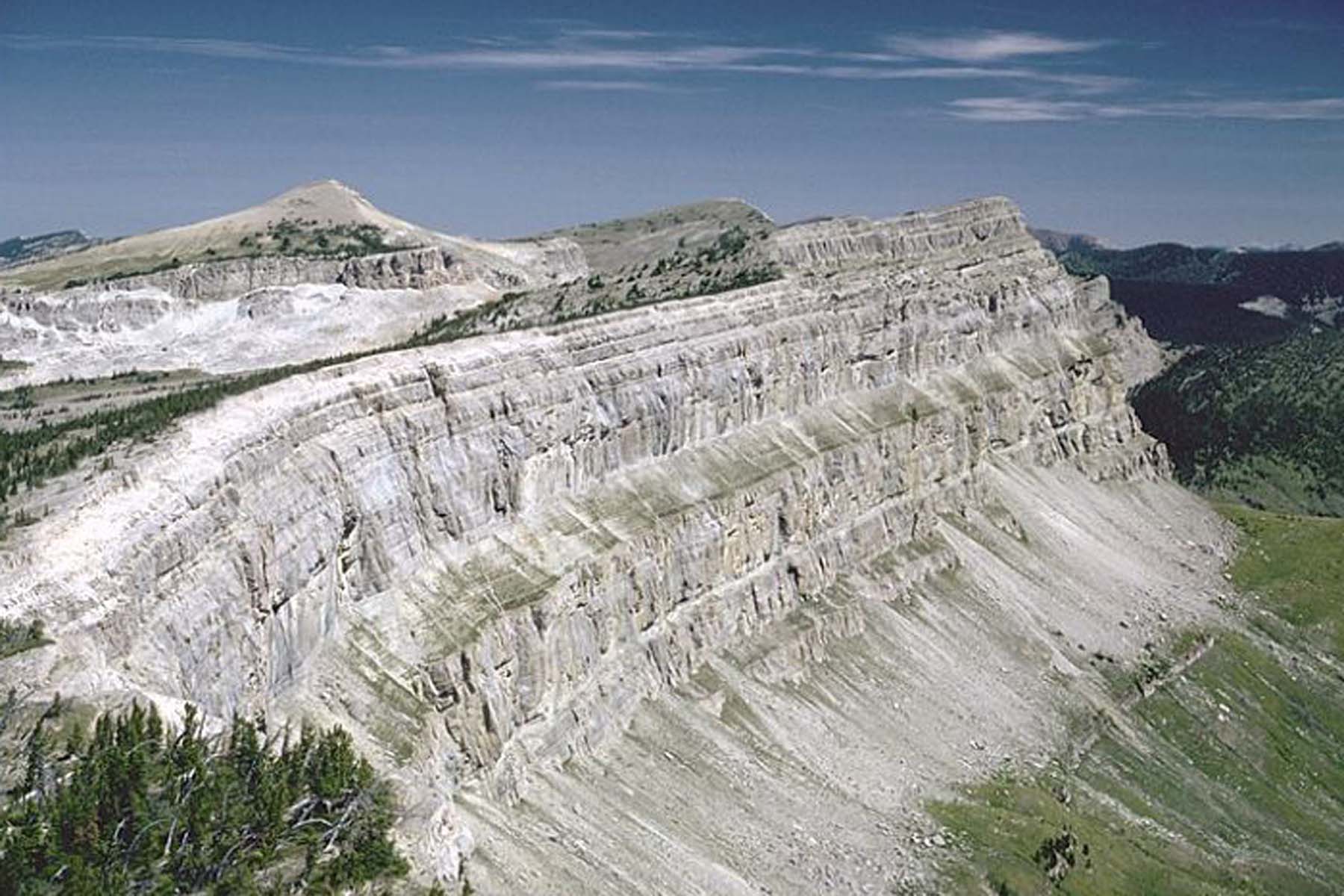
Chinese Wall - Bob Marshall Wilderness
Chinese Wall – Bob Marshall Wilderness

Members of the Blackfoot Clearwater Stewardship Project are still working to get the wilderness components of their 2008 agreement implemented . . .

It seems odd to stand beside Seeley Lake, looking at the mountains that border the Bob Marshall Wilderness Complex, and not actually see the wilderness.

The border of that 1.6-million-acre, federally protected backcountry runs along the crest of the Swan Range. The western face of those mountains, where all the trailheads start, has no special status.

That makes sense from a scenic standpoint. The Seeley-Swan Valley lacks the churning peaks and glittering lakes that glorify the Bob Marshall and Mission Mountains wildernesses on either side. From the air, the state Highway 83 corridor offers no contest to the Going-to-the-Sun Road.

Read more . . .

Most national parks ignoring planning, overcrowding laws

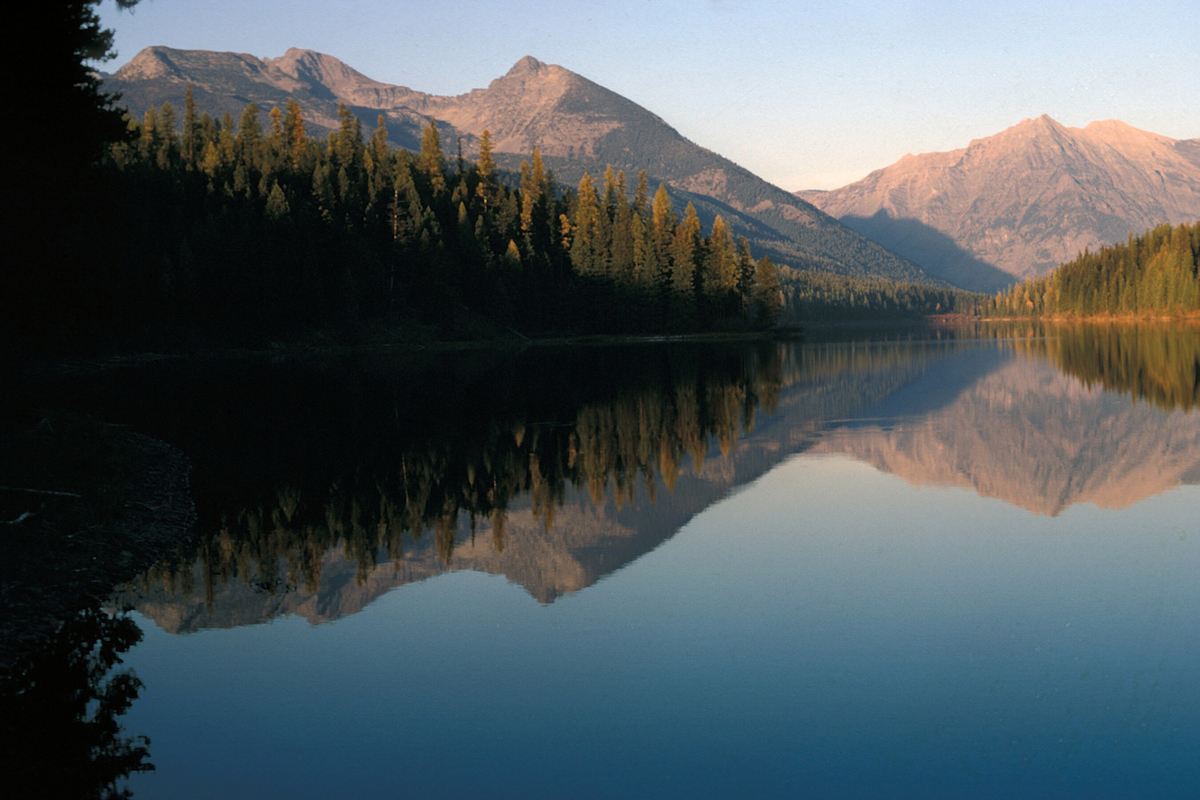
Logging Lake in Glacier National Park, USA - National Park Service
Logging Lake in Glacier National Park, USA – National Park Service

Glacier Park is doing better than most national parks in dealing with and planning for increased visitation . . .

With a 17-year-old general management plan in place and work continuing to address traffic issues on Going-to-the-Sun Road, Glacier National Park appears to at least partially escape the wrath of a conservation group’s complaint that most of America’s national parks are ignoring federal laws requiring management plans.

The recently released reports come as the National Park Service promotes its 100th anniversary, and many parks are braced for record crowds. Public Employees for Environmental Responsibility says its review of 108 of the 411 units the NPS administers – including all 59 of America’s national parks – reveals that just seven have established visitor limits, called carrying capacities, and six of those only cover certain areas or facilities.

PEER says the National Parks and Recreation Act of 1978 requires “visitor carrying capacities for all areas” of all national parks. “The safeguards Congress enacted to prevent national parks from being loved to death have become dead letters,” Jeff Ruch, the executive director of PEER, says.

Read more . . .

Wyoming considers tribal call for grizzly transplants

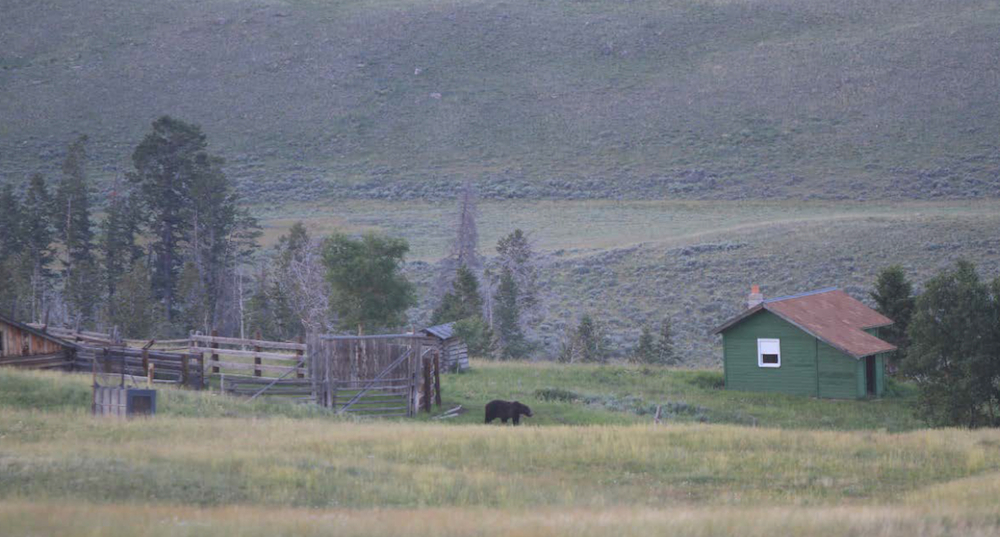
Grizzly on ranch east of Yellowstone - Wyoming Game and Fish Department
Grizzly on ranch east of Yellowstone – Wyoming Game and Fish Department

Native American tribes want Wyoming to transplant excess bears to reservations rather than hunting them. Kudos to Bill Fordyce for spotting this one . . .

Wyoming might consider Native American tribes’ request that grizzly bears in the Yellowstone ecosystem be transplanted to reservations rather than hunted, a top official said last week.

Even though it has adopted framework regulations for grizzly hunting, Wyoming Game and Fish won’t dismiss the transplant idea, Wyoming’s Chief Game Warden Brian Nesvik said. His remarks followed a call by a tribal coalition that grizzlies be transplanted instead of hunted if managers seek to reduce their numbers in the ecosystem.

“Instead of trophy hunting the grizzly, Tribal Nations wish to see grizzlies transplanted from the GYE to sovereign tribal lands in the grizzly’s historic range where biologically suitable habitat exists,” coalition co-founder R. Bear Stands Last wrote Game and Fish director Scott Talbott on June 29. “The same quota of grizzlies that would be hunted per season could easily be trapped and relocated, removing any possible rationalization for re-instituting trophy hunts.”

Read more . . .

Satellites record spread of pine beetle infestation over decades

Northern Williams Range, Colorado, where mountain pine beetles have killed more than 80 percent of mature lodgepole pine over many square kilometers - USGS
Northern Williams Range, Colorado, where mountain pine beetles have killed more than 80 percent of mature lodgepole pine over many square kilometers – USGS

Here’s an interesting article about using satellites to monitor and record the spread of pine beetle infestation . . .

In western North America, mountain pine beetles infest and ravage thousands of acres of forest lands. Landsat satellites bear witness to the onslaught in a way that neither humans nor most other satellites can.

Since 1972, the U.S. Geological Survey’s Landsat satellites have been the watchman that never sleeps with spectral bands capturing the subtle turning of green mountainsides into dying forests. From the ground, the extent of forest land damage is simply too large for field observers to quantify. But 438 miles above the Earth, Landsat satellites pass over every forest in the country dozens of times a year — every year — creating a historical archive of clear, composite images that tells the hidden stories of life and death in our nation’s forests.

Such was the vision of Secretary of the Interior Stewart Udall 50 years ago when he boldly called for Earth observations from space. What the U.S. Geological Survey has accumulated now are vast and continuous long-term records from Landsat that have become critical tools for agencies such as the U.S. Forest Service (Forest Service), which reports the status and health of our nation’s forest resources.

Read more . . .

Montana signs forest management deal with feds

Montana and the federal government signed the paperwork to establish a formal federal-state logging and restoration partnership . . .

Montana Gov. Steve Bullock signed an agreement with the U.S. Forest Service on Monday for the state to play a bigger role in forest management on federal lands, which officials say will speed up backlogged logging projects.

Forest management and the declining timber industry have emerged as major issues in this year’s governor’s race, with Weyerhaeuser announcing last month that it would close a Columbia Falls lumber and plywood mill. The closure will put about 100 people out of work in addition to 100 administrative jobs that are being eliminated or moved with Weyerhaeuser’s purchase of Plum Creek Timber.

With the Chessman Reservoir as a backdrop, Bullock, Forest Service Regional Forester Leanne Marten and Montana Department of Natural Resources and Conservation Director John Tubbs signed the Good Neighbor Authority agreement, which was authorized under the 2014 federal Farm Bill.

Read more . . .

Second bat with white-nose disease found in Washington

Little brown bat affected by White nose syndrome - Marvin Moriarty-USFWS
Little brown bat affected by white nose syndrome – Marvin Moriarty-USFWS

The Flathead Valley along both sides of the border is a significant bat study area, so another report of white-nose syndrome in the Western U.S. is cause for concern . . .

White-nose syndrome fungus has shown up in a second species of bat in Washington, adding to the concern that the problem could be expanding west of the Rocky Mountains.

Washington Department of Fish and Wildlife biologists reported finding a silver-haired bat that tested positive for Pseudogymnoascus destructans – a fungus that has killed millions of bats in 27 states and five Canadian provinces.

While the silver-haired bat was not made ill by the fungus, researchers worry it may be spreading spores to more vulnerable populations.

Read more . . .

Bison range transfer gets generally positive reviews

Bison herd grazing at the national bison range - U.S. Fish and Wildlife Service
Bison herd grazing at the national bison range – U.S. Fish and Wildlife Service

The idea of transferring the National Bison Range back to tribal control is gaining traction . . .

More than a century after the federal government removed more than 18,000 acres of land on the Flathead Indian Reservation to establish the National Bison Range, the Confederated Salish and Kootenai Tribes are working to return the wildlife refuge to tribal management.

Such an action would require federal action, and last month the tribes released a legislative proposal that would remove the range from the National Wildlife Refuge System and place it back into federal trust ownership for the tribes.

Nearly 150 people attended a Tuesday night meeting at the Salish Kootenai College in Pablo, where representatives from the tribes’ natural resources and legal departments were on hand to discuss the proposal with community members and explain the draft legislation.

Read more . . .

Waterton-Glacier Science and History Day in Waterton Lakes National Park

Waterton Lake
Waterton Lake

From the official press release . . .

Parks Canada and the U.S. National Park Service will host the 13thannual Waterton-Glacier Science and History Day at the Falls Theatre (near Cameron Falls) in Waterton Lakes National Park on Tuesday, July 26, 2016. This international event, held annually on the last Tuesday in July, is free of charge with park entry fees.All are encouraged to attend.

Science and History Day is an incredible way for people to learn about the latest research directly from the scientists and historians working in and around the Waterton-Glacier International Peace Park. Experts will discuss their work in a non-technical style, with presentations grouped into themes of aquatic resources, landscapes, history and wildlife.

Some of this year’s subjects include: the threats facing salamanders, cross-boundary work on climate change, the parks’ lesser-known past, and how remote cameras are used to track wildlife movement.

Jeff Mow, Glacier National Park Superintendent, said “The peace and friendship of the Peace Park is captured in the many cooperative projects carried out in our scientific community.”

“Science and History Day is an outstanding opportunity for all people to learn about some of the research in the Peace Park and personally connect with our environment and history,” commented Ifan Thomas, Waterton Lakes National Park Superintendent. “We look forward to welcoming everyone to Waterton for this special learning oppo

rtunity.”

The program celebrates the U.S. National Park Service’s Centennial with a viewing of the 1954 film “Wardens of Waterton” featuring cooperative work with Glacier National Park’s Rangers. Science and History Day provides participants with an excellent opportunity to learn about their national parks and connect with the heritage of their protected places. Attendees are encouraged to bring a sack lunch for the 45-minute lunch break, so as not to miss the film viewing at 12:45 p.m.

Continue reading Waterton-Glacier Science and History Day in Waterton Lakes National Park