All posts by nfpa

Elk Hill Fire still burning; Type 2 team arrives

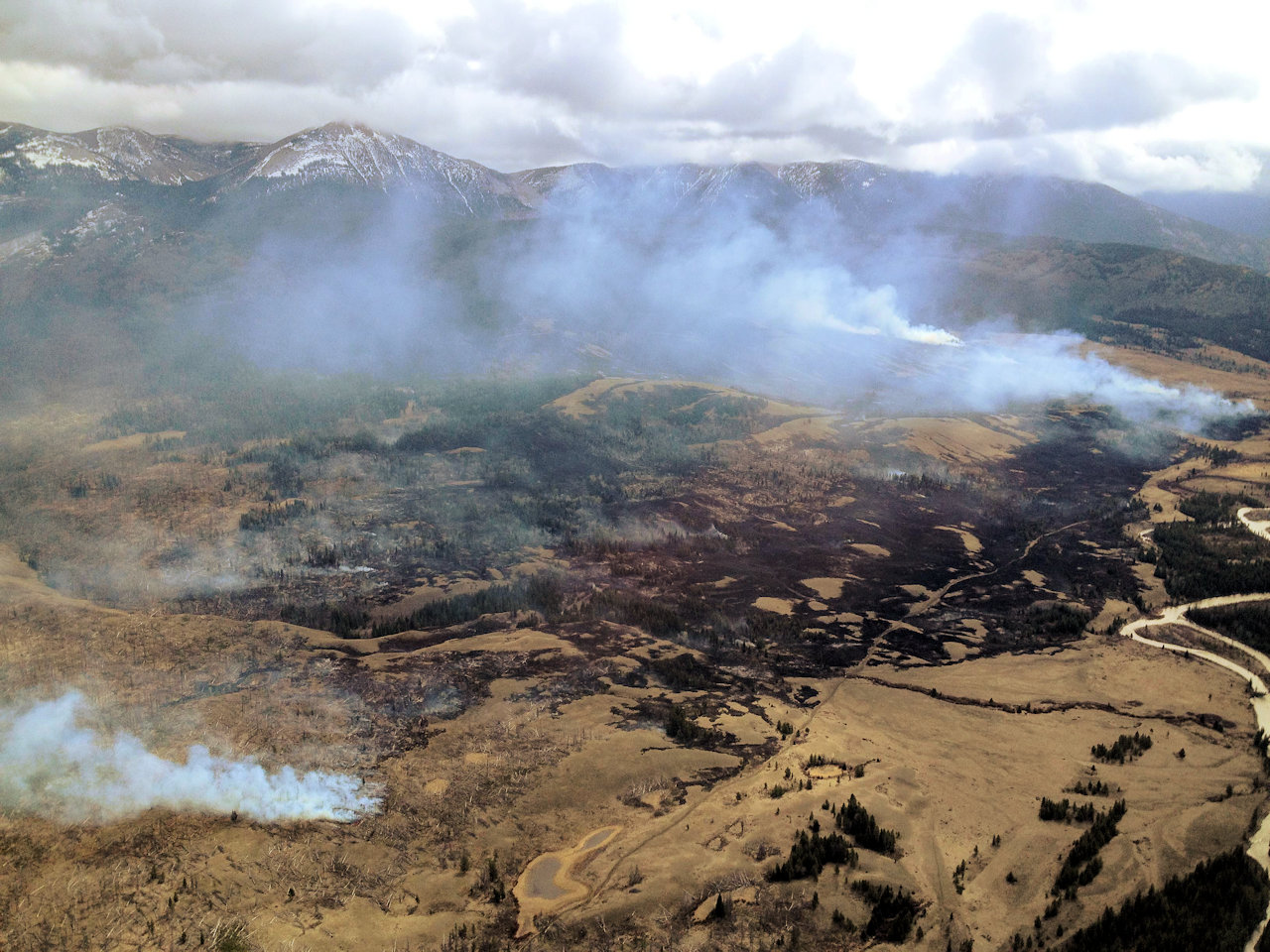
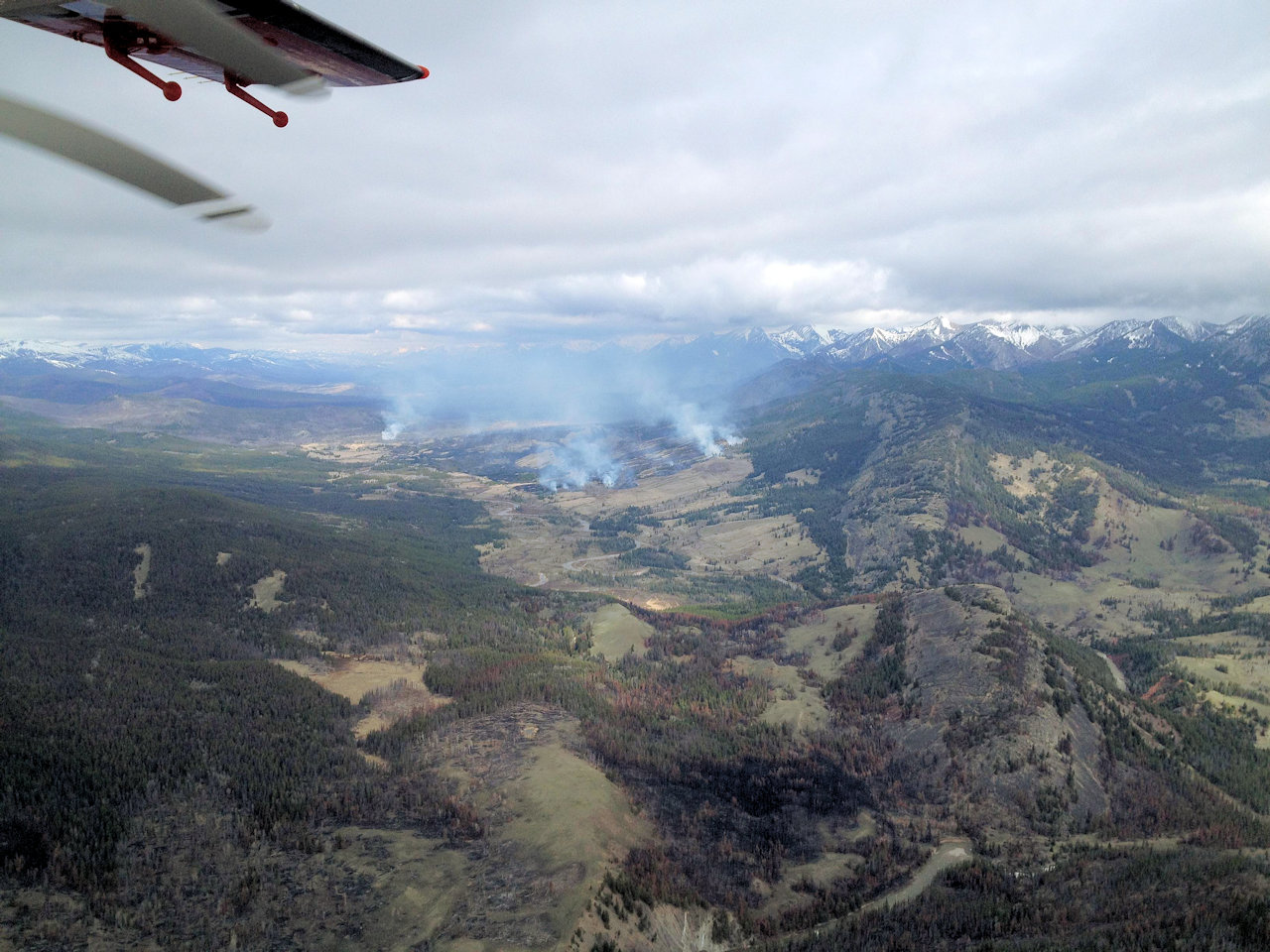
Elk Hill Fire, April 10, 2016 - USFS photo
Elk Hill Fire, April 10, 2016 – USFS photo

Firefighting personnel continue dealing with the Elk Hill Fire, a 1068-acre blaze burning in the Bob Marshall Wilderness. Fifty people (up from 30 yesterday) are tied up with the effort so far. Three helicopters are making water drops. A Type 2 team is going in today.

The fire is still uncontained, although it doesn’t appear to be spreading significantly.

In general, not much has changed since our previous post, except for the increased number of folks on the ground.

Monitor the InciWeb page for more information.

Also, the Daily Inter Lake posted a pretty good write-up yesterday evening.

Proposed Creston water bottling plant triggers unease

Here’s an excellent article by Dillon Tabish of the Flathead Beacon on the concerns surrounding the proposed water bottling plant near Creston . . .

The Flathead Valley Deep Aquifer is a waterlogged mass of sand and gravel stretching thousands of feet beneath the entire local landscape. Primarily fed by snowmelt from the surrounding mountain ranges and precipitation, the massive aquifer is the main source of water in the valley as it flows south toward Flathead Lake, providing a vital resource to a growing collective of urban and rural communities and playing a critical role in the region’s environmental and ecological balance.

For as far-reaching and abundant as the local aquifer exists, worries are running just as deep in the agricultural community of Creston and beyond following a proposed water bottling plant on a slough along the Flathead River.

Lew Weaver, the owner of Montana Artesian Water Co., is seeking a water rights permit from the state to pump 710 acre-feet of water annually from the underground aquifer, the equivalent of 1.2 billion 20-ounce water bottles.

Read more . . .

Already? 1000-acre Elk Hill Fire burning in the Bob

Elk Hill Fire, Lewis and Clarke NF, April 9, 2016 - USFS photo
Elk Hill Fire, Lewis and Clarke NF, April 9, 2016 – USFS photo

Personnel from the Lewis and Clarke National forest are busy suppressing the Elk Hill Fire, a 1000-acre blaze burning in the Bob Marshall Wilderness. Thirty people are tied up with the effort so far, as well as three helicopters. (Update: There are no significant changes as of April 11 at 10am.)

Here are the high points from the current InciWeb report . . .


The Elk Hill fire appears to have been started by a warming or campfire, but is under investigation.

Currently the fire is actively burning near lower North Fork Sun River, southeast of the Forest Service cabin on Cabin Creek, in the Bob Marshall Wilderness on the Rocky Mountain Ranger District. The Elk Hill Fire is burning in grass, and in downfall within the perimeter of a wildfire from 2005, moving into stands of mature Douglas fir. Although the weather is warm, this fire is primarily fuels-driven with potential for continued rapid spread.

The most active part of the fire is along Circle Creek in/around the 2005 fire area, because of the dead and down fuels within that area.

Fire personnel are continuing suppression efforts where it is safe to do so; and focus structure protection of the Forest Service Cabin Creek cabin. Three helicopters–one Type 1 and two Type-2–are assisting the on-the-ground efforts, as needed.

UPDATED TRAILS CLOSURES:

–North Fork Sun River Trail #201 from jct. w/#268 north to jct. w/#231.1 (northwest of Cabin Creek Cabin).

–Circle Creek Trail #231 from jct. w/#201 north to #231.1 and southeast to jct. w/#208.

–Cabin Creek Admin. Connector #231.1 closed in it’s entirety.

–Circle Creek Connector #268.1 closed in it’s entirety.


Further reading:

InciWeb report on the Elk Hill Fire
Elk Hill fire active near Cabin Creek cabin (Helena Independent Record; written prior to the trail closures)

Feds asking for public comments on grizzly delisting in Yellowstone region

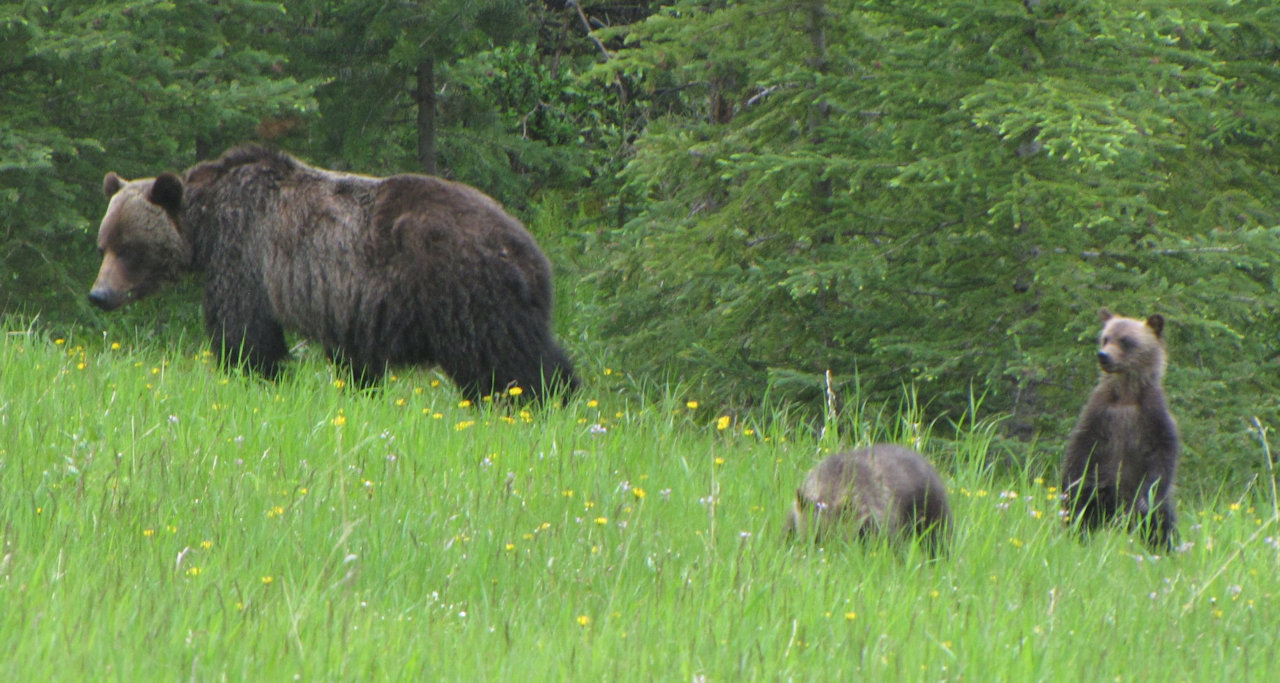
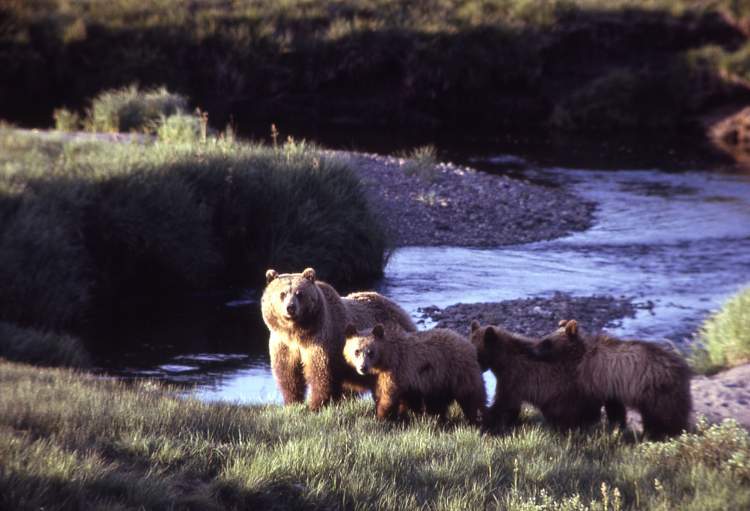
Grizzly bear sow with three cubs - NPS photo
Grizzly bear sow with three cubs – NPS photo

Here’s some useful information about Yellowstone grizzly bear delisting from an announcement passed along by John Frederick. Note the link at the end to a federal site for submitting written comments . . .

Last month the U.S. Fish & Wildlife Service issued a proposed rule that would remove Endangered Species Act protections for grizzly bears in the Yellowstone region. Next week, the USFWS will be hosting a public meeting to explain the delisting rule and “Conservation Strategy” (how bears will be managed post-delisting). They will accept written and oral public comments at the meeting:

Tuesday, April 12, 5:00-8:00pmBozeman, MT—Holiday Inn, 5 E. Baxter Ln. There will also be an informational open house from 2-4pm before the public comment begins. (This meeting, and one the night before in Cody, WY are the only currently scheduled USFWS public meetings on Yellowstone grizzly bear delisting.)

While the recovery of this grizzly bear population has been an amazing Endangered Species Act success story, we need to make sure it continues if grizzly bears are delisted! Your comments and support for grizzly bear conservation is crucial to this effort.

Can’t make the meeting? Submit your written comment by May 10.

Frank Vitale: Bikes don’t belong in wilderness areas

NFPA member Frank Vitale’s op-ed in the Flathead Beacon has some pointed comments about mountain bikes in wilderness areas . . .

Mountain bikes should never be permitted in wilderness. Consider this potential scenario: A packstring is slowly making its way down through Gateway Gorge, coming off the bench from Sabido Cabin deep in the heart of the Bob Marshall Wilderness. The trail is steep, rocky and narrow and it’s a long way down to the creek bottom.

The wreck took place about half way through the gorge. Half the packstring went off the edge. Two mules went down in the bottom, floundering and flopping around with broken legs; packs and gear strewn all over; pack boxes smashed to bits. The packer luckily stayed on his mount and tried to keep the rest of the string together. It started almost instantly, with no time for the packer to even know what was happening as two mountain bikers came down from the top, hell-bent for leather, and came up from behind the packstring.

Could this really happen? You bet. This could have been a U.S. Forest Service packer, an outfitter, or a group of family and friends out on a week-long pack trip in the wilderness. Somebody could have been killed. Continue reading Frank Vitale: Bikes don’t belong in wilderness areas

Judge prods feds on wolverine protection

Wolverine in snow - Steve Kroschel
Wolverine in snow – Steve Kroschel

Better late than never: The fight over wolverine protection made it into the New York Times . . .

Because it depends on heavy spring snowpack to excavate dens and safely raise its young near the top of mountain peaks high in the northern Rockies, the wolverine is on the front lines of battles over the effects of climate change.

There is less snow in the Rockies these days, and researchers forecast that in the coming decades, the wolverines in Idaho, Montana and Wyoming may disappear with the snowpack. Only about 300 of the animals are in the lower 48 states. In 2014, the United States Fish and Wildlife Service refused to list the animal for endangered species protection, calling the science inconclusive.

The debate over protection for the reclusive animal, the largest in the weasel family, has been going on for about 20 years, and it was revived this week by a federal court ruling here in Montana.

Read more . . .

Grizzlies up and moving early on the Rocky Mountain Front

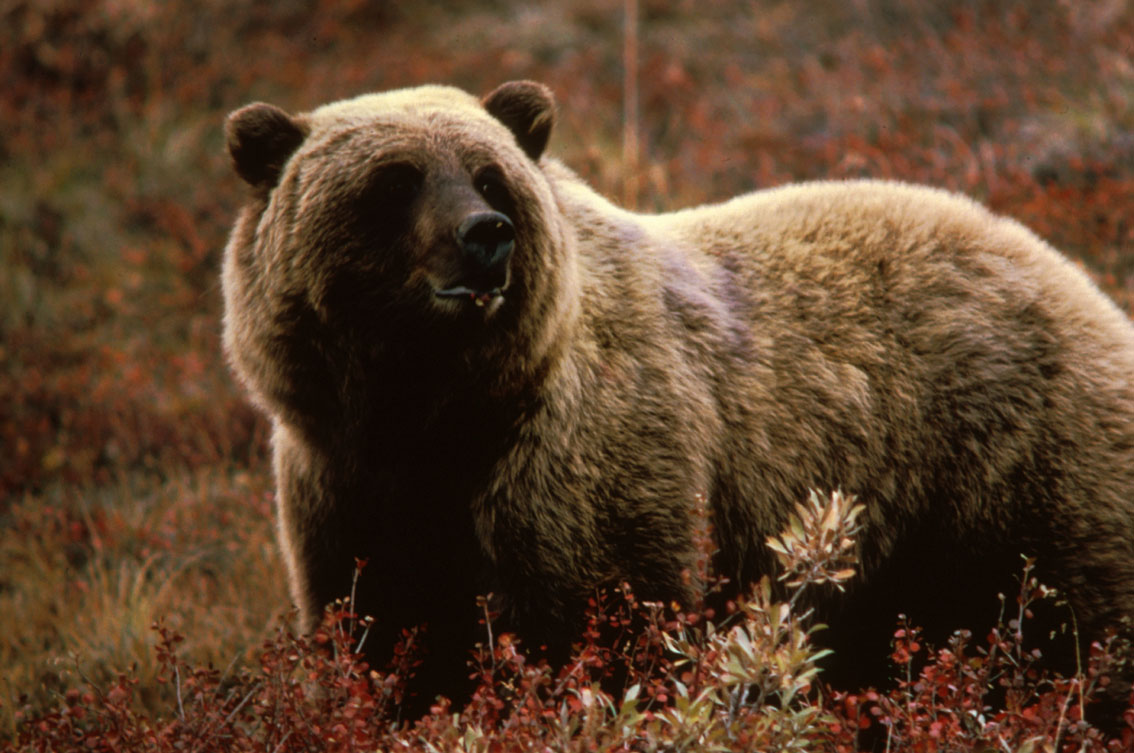
Grizzly Bear - Thomas Lefebvre, via Unsplash
Grizzly Bear – Thomas Lefebvre, via Unsplash

Grizzly bears are making an early start on the east side this year . . .

Grizzly bears on the Rocky Mountain Front are emerging from their dens this year earlier than ever after the mild winter, Montana wildlife officials said.

Montana Fish, Wildlife and Parks officials flew over the area on Friday to check on nine bears that had been fitted with radio collars, the Great Falls Tribune reported. Eight were already gone, and several female bears had already traveled far down river drainages east of the mountains. One bear’s radio signal was picked up east of U.S. Highway 89 on the open plains near the Marias River.

“This is by far the earliest we’ve had as many transmitted grizzly bears outside of their dens,” FWP grizzly bear management specialist Mike Madel said.

Read more . . .

Lawsuit challenges Montanore Mine approval

Southern Cabinet Mountains, as seen from Swede Mountain, near Libby

The bell sounds for the next round of the fight over the Montanore Mine . . .

Environmentalists are challenging U.S. Forest Service approval of a $500 million copper and silver mine in northwest Montana, citing concerns from state officials that it could drain surrounding waterways and potentially harm a species of trout protected under federal law.

The lawsuit filed Friday in U.S. District Court in Missoula challenges the Montanore Mine south of Libby near the Idaho border. Sponsor Mines Management Inc. of Spokane, Washington, has been seeking a mining permit since 2004.

But three groups said in Friday’s lawsuit that the government’s authorization for Montanore ignored studies of the mine’s environmental effects. Those government-sponsored studies concluded the mine potentially could drain groundwater supplies that feed into creeks and a river in the pristine area, an effect that could linger for centuries.

Read more . . .

Judge tells feds to get moving on wolverine protection

Wolverine (Gulo gulo, female, born 1996) at the Helsinki Zoo
Wolverine (Gulo gulo)

The U.S. Fish and Wildlife Service got dragged into court over their wolverine policy and got chewed out by the judge . . .

The Obama administration brushed over the threat that climate change poses to the snow-loving wolverine when it denied protections for the elusive predator also known as the “mountain devil,” a federal judge ruled Monday.

U.S. District Judge Dana Christensen ordered wildlife officials to act as quickly as possible to protect the species as it becomes vulnerable to a warming planet. Wolverines need deep mountain snows to den, and scientists warn that such habitat will shrink as the planet heats up.

The U.S. Fish and Wildlife Service rejected the views of many of its own scientists in 2014 when it said the effects of climate change on wolverines remained ambiguous.

Read more . . .