As expected, Solonex has challenged the cancellation of their oil and gas leases in the Badger-Two Medicine. The paperwork was filed last Friday . . .
A Louisiana company challenged the cancellation of an oil and gas lease in northwest Montana on Friday, after federal officials said drilling would disturb an area sacred to the Blackfoot tribes of the U.S. and Canada.
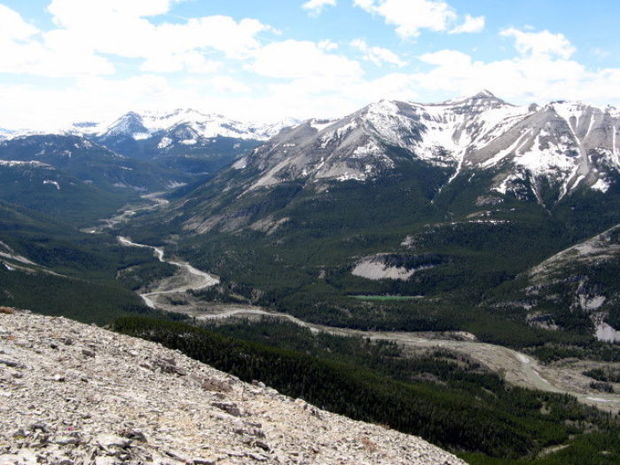
The 6,200-acre lease owned by Solenex LLC of Baton Rouge is in the Badger-Two Medicine area of the Lewis and Clark National Forest. It’s just outside Glacier National Park and the Blackfeet Indian Reservation.
Attorneys for the company want U.S. District Judge Richard Leon in Washington, D.C., to reject the Interior Department’s March 17 cancellation of the lease.
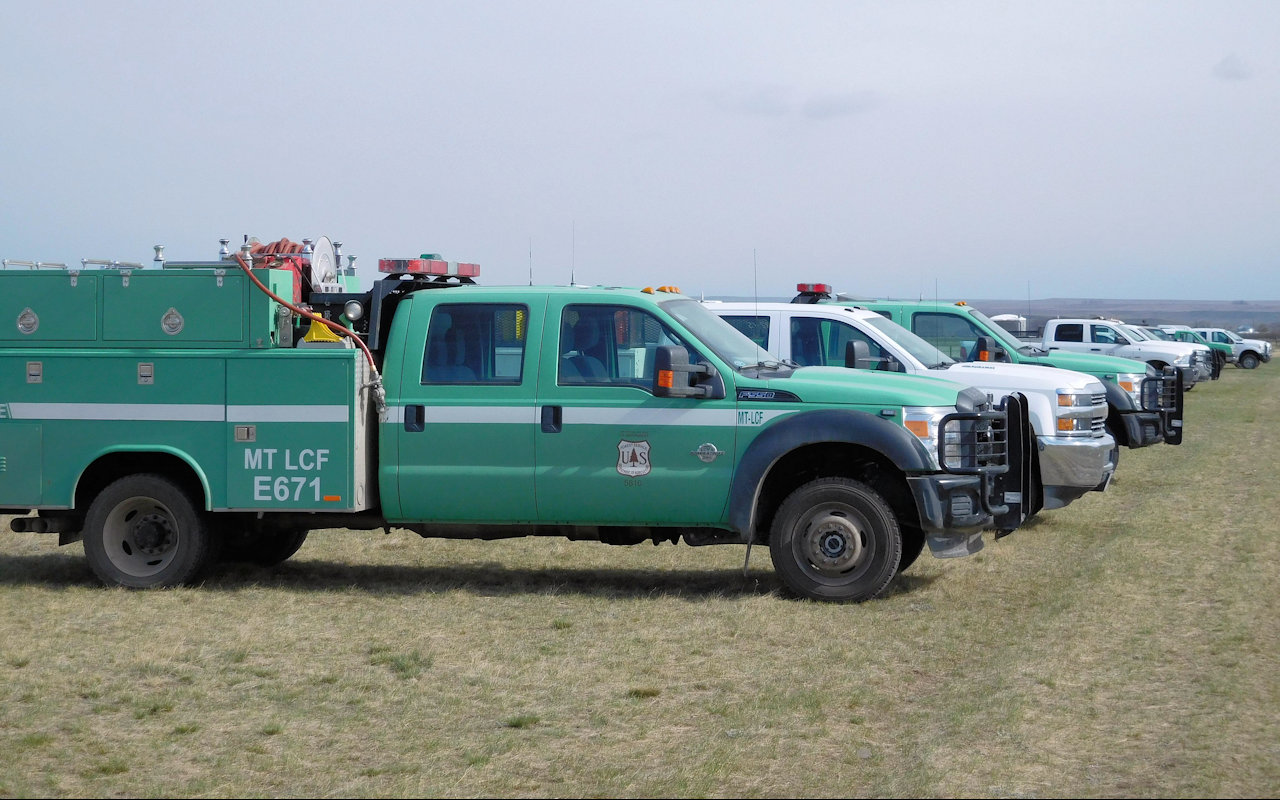
Fire engines at Elk Hill Fire, April 13, 2016 – USFS photo
Stick a fork in it. It’s done. Some 10 inches of snow last Thursday night and Friday helped finish off the 1086-acre Elk Hill Fire in the Bob Marshall Wilderness.
As of Friday afternoon, there were 20 people still assigned to the blaze, down from a peak of 50. The fire is 100% contained. All area trails are reopened.
The total cost for putting out someone’s neglected campfire was around $575,000.
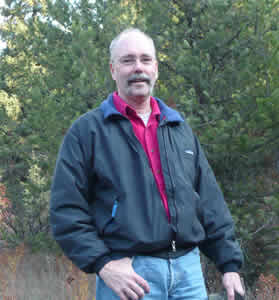
This is truly the end of an era. Chuck Jonkel passed away Tuesday at age 85.
Rob Chaney of the Missoulian wrote a first-rate obituary. Recommended reading . . .
Grizzly bears emerging from their winter dens will encounter a changed landscape: Longtime grizzly advocate Chuck Jonkel has died.
“Mr. Jonkel was truly a pioneer in grizzly bear science,” said Leanne Marten, Regional Forester for the Forest Service’s Northern Region. “Montana will miss him greatly. Everything we know about grizzly bears is due to Mr. Jonkel’s expertise.”
Jonkel died Tuesday evening at his home in Missoula. He was 85.
“Tim Ryan from the Flathead Reservation came down on Monday and did a Salish smoke ceremony for Dad, and then (Blackfeet singer) Jack Gladstone and Patty Bartlett sang him off on Tuesday morning,” son Jamie Jonkel said. “We took him down by the river for the ceremony, and he really liked that.”
Senators Jon Tester and Steve Daines are not happy about the state of Forest Service funding for fighting wildfires and maintaining trails . . .
As the U.S. Forest Service prepares for the looming wildfire season, Montana’s senators are calling for reforms to the agency’s forest and trail management.
U.S. Sens. Jon Tester and Steve Daines questioned Forest Service Chief Tom Tidwell last week during a Senate Interior Appropriations Subcommittee hearing focused on the agency’s $4.8 billion budget request for the next fiscal year.
Tester and Daines criticized Tidwell for failing to prioritize trail maintenance in Montana. The agency has revised its formula for funding trail maintenance across the U.S. with an added emphasis on higher population centers. In Region One, which encompasses all of Montana and has 28,000 miles of federally managed trails, the agency plans to reduce appropriations by 30 percent over the next three years. There is an estimated $25 million in deferred trail maintenance in Region One, according to a Forest Service report.
From a Montana Fish, Wildlife and Parks press release . . .
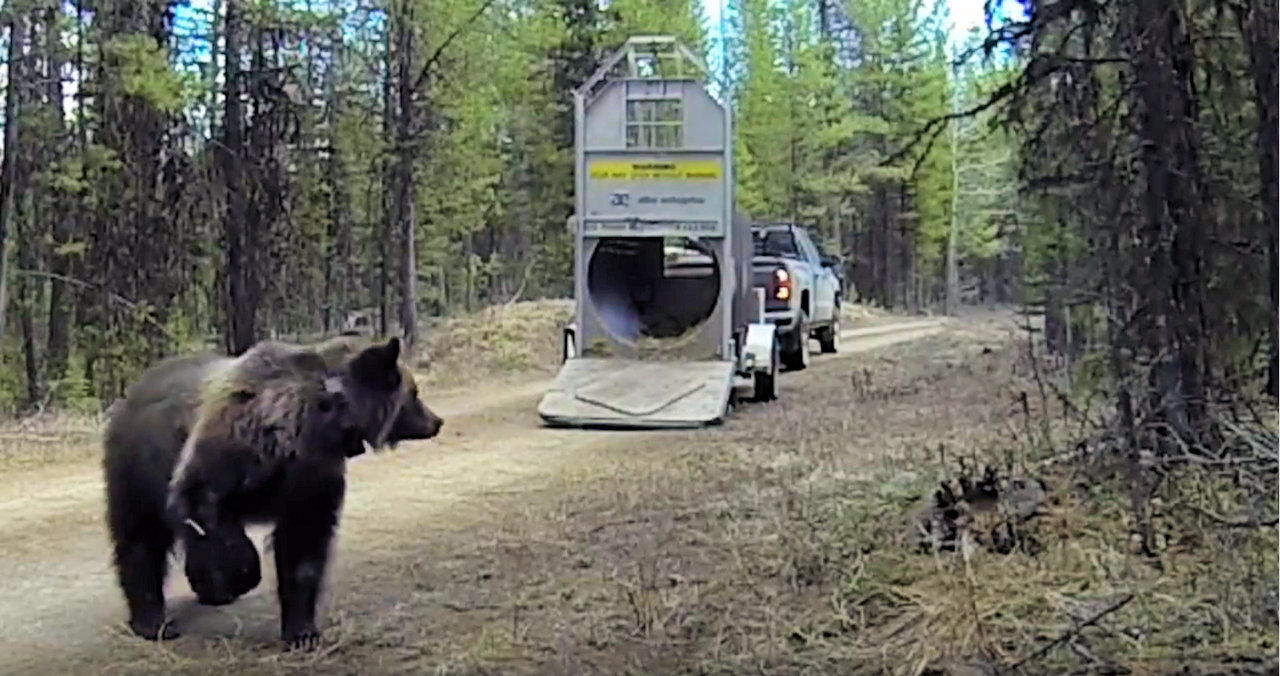
A 3 year old male grizzly bear was captured April 10th at a private residence along Tamarack Road northwest of Columbia Falls. The 211 pound bear was captured by FWP Bear and Lion Specialist Erik Wenum after the resident reported a bear had killed some of his young chickens.
The young bear was anesthetized, radio-collared, and released by Grizzly Bear Management Specialist Tim Manley. The Interagency decision was made to release the bear back into the wild since it had no previous known conflicts. The grizzly bear was released on the afternoon of April 11th in the Whale Creek drainage of the North Fork of the Flathead, 34 straight line miles from where it was caught.
Black bear activity has picked up as well. FWP Bear and Lion Specialist Erik Wenum reports that he has handled two problem bears in the last two days and is attempting to trap four other black bears that have ranged close to residences. Wenum reminds
residents to take down bird feeders, secure garbage, feed pets inside, clean up chicken and livestock feed, and in general remove all odorous substances that can draw bears.
On Monday morning, a radio tracking flight was conducted to locate radio-collared grizzly bears in the Swan and Mission mountains. A total of 8 radio-collared grizzly bears were located. Seven of the bears were out of their dens, but still in the upper elevations in the snow. A total of 16 grizzly bears were observed which included cubs, yearlings, and two-year-olds that were with their mothers.
Additional flights are planned during the month of April to locate radio-collared grizzly bears in the Whitefish Range and the Middle Fork of the Flathead. One of the main objectives of the flights is to get visuals on adult females and the number of young they have when they first emerge from their dens. This allows biologists to track cub reproduction and cub survival throughout the year.
Another sign of spring: Glacier Park announces a couple of prescribed burns in the North Fork . . .
If you see smoke emanating from the North Fork in Glacier National Park in the next few weeks, there’s a good chance it’s part of a couple of planned burns for the area.
Two prescribed fire projects are planned along the Inside North Fork Road area of Glacier National Park in the next month, depending on weather and fuel conditions, according to a press release.
National Park Service (NPS) fire crews plan to burn 100 acres in the vicinity of Sullivan Meadow, approximately two miles east of Logging Ranger Station. The primary objectives of the burn are to reduce the number of understory trees serving as “ladders for fire” underneath mature ponderosa pine; to thin out trees that established after the 1999 Anaconda Fire and the 2001 Moose Fire; and to expose mineral soil to provide a seed bed for natural ponderosa pine regeneration.
Fire engines at Elk Hill Fire, April 13, 2016 – USFS photo
Firefighting personnel continue dealing with the Elk Hill Fire, a 1068-acre blaze burning in the Bob Marshall Wilderness. The fire is 60% contained and continues to burn with its existing perimeter. According to the InciWeb site, “Suppression efforts will continue on the north and east edges of the fire.”
Here’s a good article from the Flathead Beacon about the local bears emerging from hibernation. It also discusses the usual spring headache of people not securing bear attractants . . .
With the arrival of spring, bears are emerging from their mountain dens and descending into the lower valleys in search of food, and one young bruin has already pried its way into a Whitefish home to snack on leftover Easter candy.
As local black bears and grizzlies begin to stir in the Flathead Valley, wildlife managers are receiving an uptick in reports of bear sightings and conflicts, prompting wardens to issue a stern reminder to residents who forget to lock up pet food, bird seed, trash, and other food attractants.
“It is entirely avoidable if we start at the beginning of the season and make a conscious effort to secure these food attractants,” Erik Wenum, bear and lion specialist with the Montana Fish, Wildlife and Parks, said. “Bears don’t just go from wandering around in the woods doing bear things to going into homes. It’s a taught learning curve.”
Elk Hill Fire, aerial view. April 10, 2016 – USFS photo
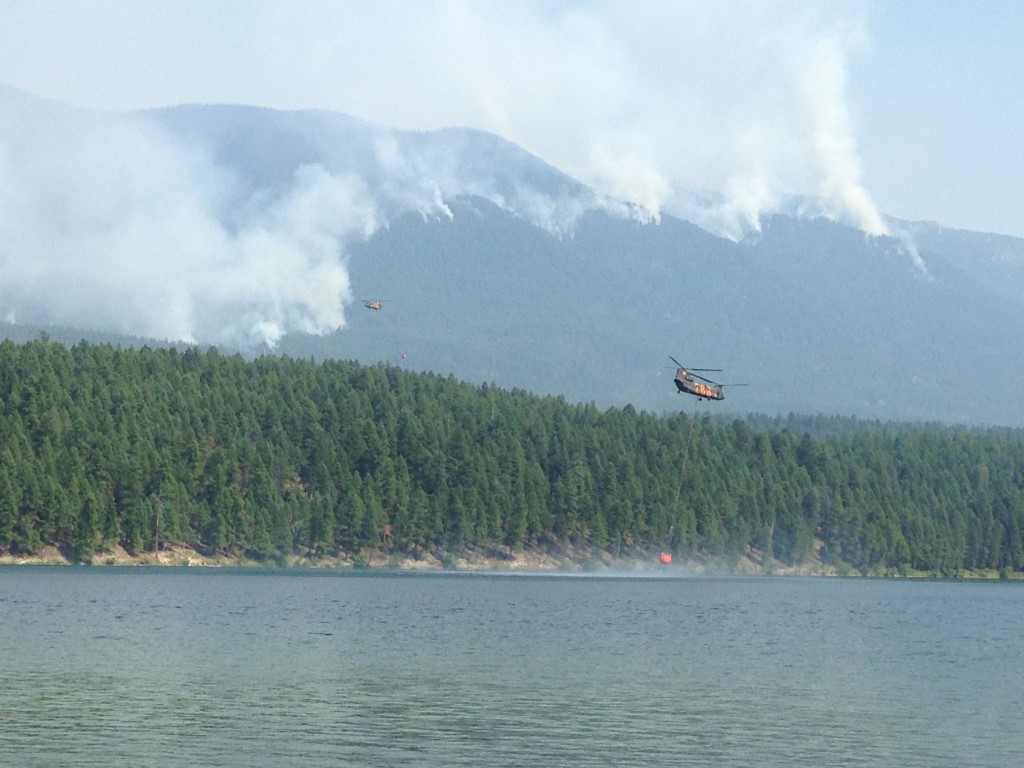
Firefighting personnel continue dealing with the Elk Hill Fire, a 1068-acre blaze burning in the Bob Marshall Wilderness. The fire is now 60% contained, with further progress expected today.
Some 45 people are assigned to the effort. Three helicopters are making water drops. A Type 2 team started work yesterday.
According to the InciWeb site, “Fire personnel will remain working on the north edge in the heavier dead and down fuel (within the 2005 fire’s burned area), while the Type-2 fire crew will move to the east-side of the fire today, after making progress yesterday on the south edge.”
Grizzly Sow with Two Cubs – – Wikipedia en:User Traveler100
There were fewer grizzly bear deaths last year in the Northern Continental Divide Ecosystem . . .
On the heels of the federal government’s proposal to delist the grizzly bear population in the Yellowstone National Park area, this year’s annual report on Glacier National Park and the surrounding region shows the population continuing to hit its recovery targets.
Grizzlies in the lower 48 states were listed as “threatened” under the federal Endangered Species Act in 1975, after their historic range and population plummeted over decades of over-harvesting and habitat loss.
The Northern Continental Divide Ecosystem boasts the highest number of great bears among the five geographically distinct populations in the Northwest. It covers more than 5.7 million acres in Northwest Montana and includes Glacier National Park, the Bob Marshall Wilderness Complex and surrounding lands.
Documented mortalities in the Northern Continental population, now estimated at 982 individuals, dropped substantially in 2015 from the two preceding years. That’s something of a return to normal, according to Cecily Costello, a research wildlife biologist for Montana Fish, Wildlife and Parks who was one of the lead authors on the annual report.