Violations of Montana’s ‘bad actor’ law could delay progress on mines near Cabinet Wilderness

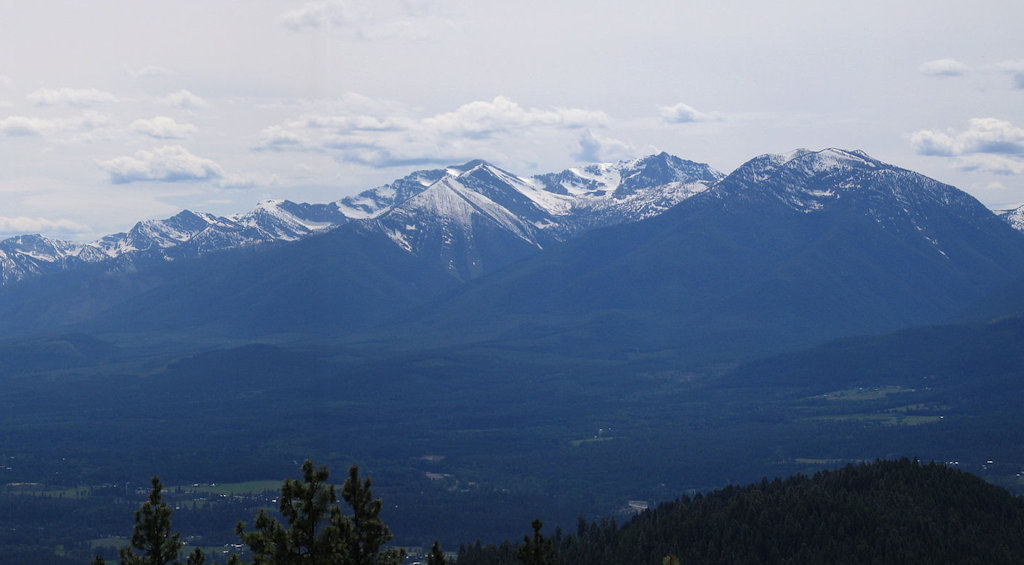
Southern Cabinet Mountains, as seen from Swede Mountain, near Libby

Well now, Hecla Mining is definitely not having things all their own way with plans to develop two mines along the edge of the Cabinet Mountains Wilderness area There’s a little matter of past sins coming home to roost . . .

An Idaho company could be forced to pay the state of Montana more than $30 million in cleanup costs from pollution at several former mining sites before it can pursue two new projects beneath a wilderness area, state regulators said Tuesday.

Hecla Mining Inc. and its president were deemed to be in violation of the state’s “bad actor” law that targets individuals and companies that abandon polluted sites, said Montana Department of Environmental Quality Director Tom Livers. The alleged violations were first reported by The Associated Press.

Hecla’s president and CEO, Phillips Baker, Jr., is a former executive for Pegasus Gold Corp., which went bankrupt in 1998, leaving government agencies with a massive cleanup bill from three Montana sites that polluted surrounding waterways when cyanide, arsenic and other contaminants leaked out of the mines.

Read more . . .

Grizzly debate has lawyers running in packs to Missoula’s courthouse

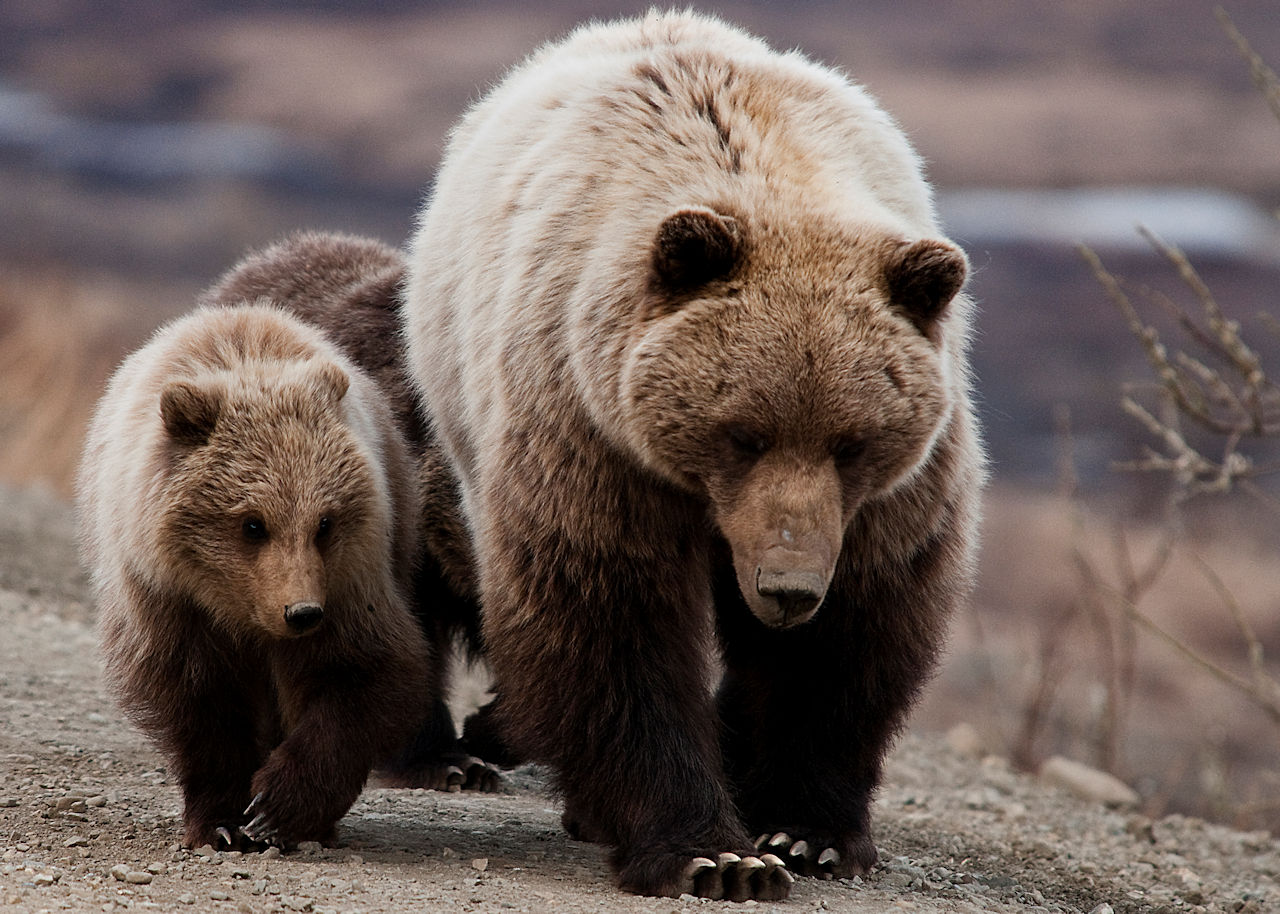
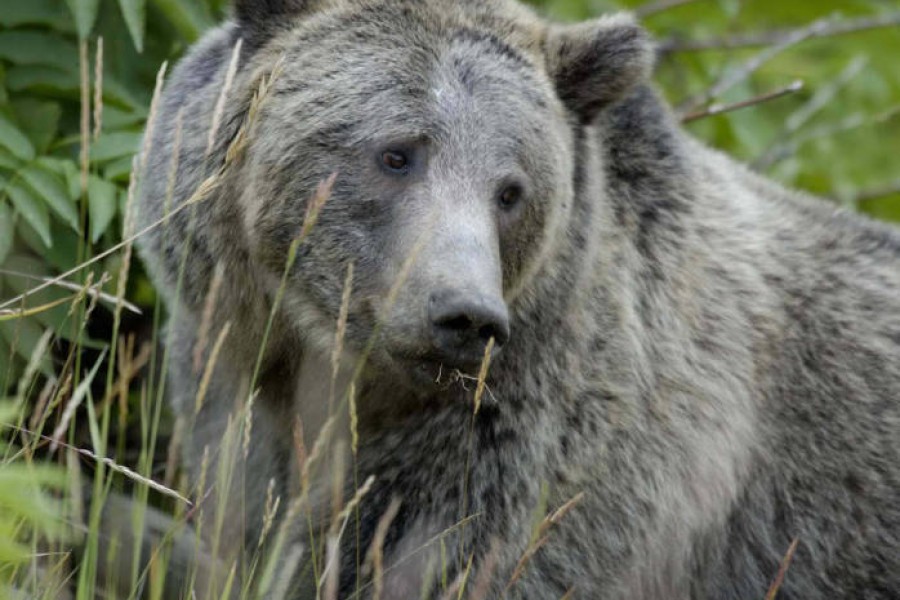
Grizzly Bear - U.S. Fish and Wildlife Service-Terry Tollefsbol, NPS
Grizzly Bear – U.S. Fish and Wildlife Service-Terry Tollefsbol, NPS

According to the Missoulian, there are lots of folks worried about the fate of the Yellowstone grizzlies and they all want their say in court . . .

Amid the six lawsuits swirling around the status of grizzly bears in the Greater Yellowstone Ecosystem, several sideline players highlight some odd angles in play.

On Tuesday [March 13], Federal District Court Judge Dana Christensen told all parties he wanted the whole delisting debate wrapped up in one comprehensive review before September, when Wyoming’s grizzly hunting season is set to start. That means getting a lot of cats herded in the same direction, on both sides of the case.

Below the title “Crow Indian Tribe et. al. vs United States of America et. al.” at least a dozen groups and agencies say they have a stake in how 700 grizzly bears in and around Yellowstone National Park get managed.

Read more . . .

Supporters pump support for Blackfoot-Clearwater Stewardship Act

Senator Jon Tester is keeping up the pressure to pass the Blackfoot-Clearwater Stewardship Act . . .

A year after he introduced the Blackfoot-Clearwater Stewardship Act, Sen. Jon Tester rallied supporters to keep momentum going.

“Two-thirds of the Montanans surveyed said they supported this collaborative effort,” Tester said of a recent private survey on the bill. “We can’t get two-thirds of Montanans to agree if they want ‘Clamahto’ or ‘Clamayto’ in their red beer. It’s time for the rest of the delegation to get on board and push this across the finish line.”

In a conference call with reporters on Thursday, the two-term Democrat said the legislation designating 79,000 acres of new wilderness around the Seeley-Swan and Blackfoot basins as well as recreation areas for mountain biking and snowmobiling reflected years of compromise.

Read more . . .

Arguments heard on Badger-Two Medicine drilling lease case

Badger-Two Medicine Region

It’s spring and time for the next chapter of the legal dispute over the Solonex oil and gas lease in the Badger-Two Medicine region . . .

The legal dispute over possible oil and gas drilling in the Badger-Two Medicine area advanced Wednesday.

The case centers on a roughly 6,200-acre mineral lease there, held by Louisiana-based firm Solenex. The firm’s owner, Sidney Longwell, acquired the lease in 1982. But as he sought approval to drill, he drew greater opposition from enviornmental groups and the Blackfeet Nation, whose reservation abuts Badger-Two Medicine. In 2016, then-secretary of the Interior Sally Jewell concluded that the lease had been improperly issued and canceled it altogether.

Solenex amended a lawsuit it already had pending against Jewell, claiming that she had acted improperly in that decision. In the hearing Wednesday, the sides presented their arguments for summary judgment before Judge Richard Leon in U.S. District Court for the District of Columbia.

Read more . . .

Wyoming announces grizzly hunt rules

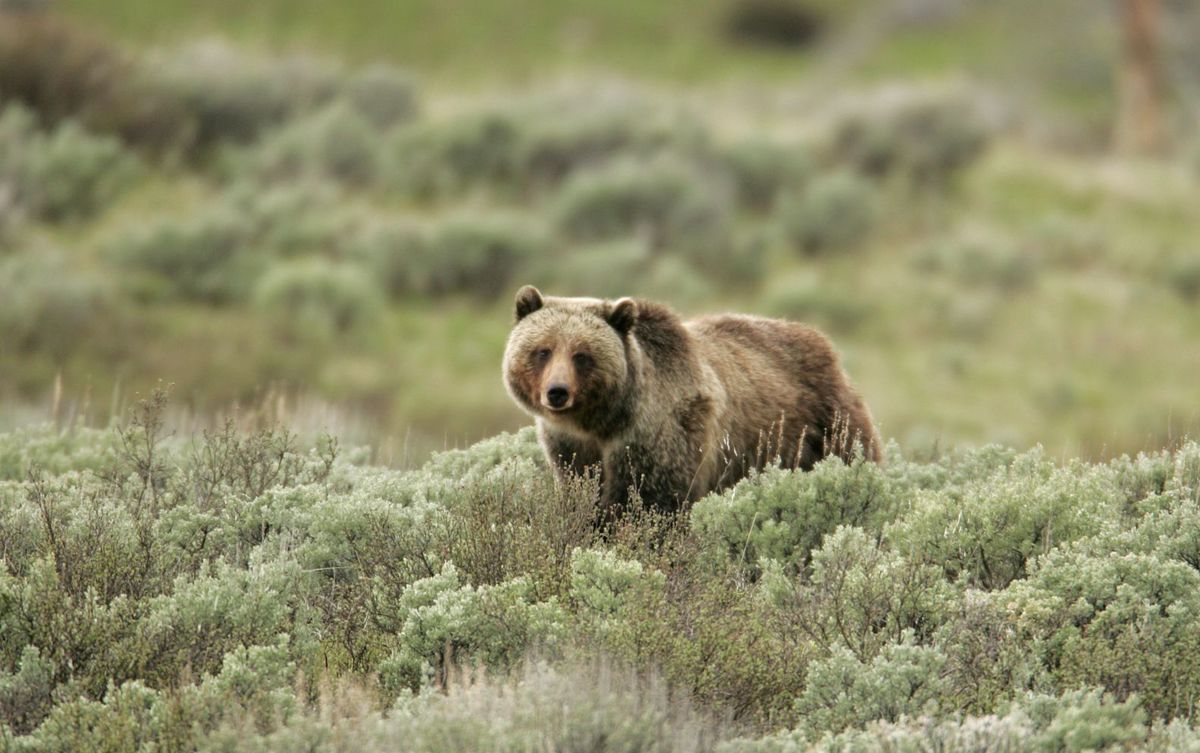
Grizzly Bear - U.S. Fish and Wildlife Service-Terry Tollefsbol, NPS
Grizzly Bear – U.S. Fish and Wildlife Service-Terry Tollefsbol, NPS

From NFPA President Debo Powers . . .

The Wyoming Game and Fish Department announced today a proposal to allow two dozen grizzly bears in the Yellowstone region to be killed through a state trophy hunt. The announcement comes despite strong public and tribal opposition to trophy hunting of the iconic bear and litigation challenging the removal of Endangered Species Act protections last summer.

NFPA is opposed to the trophy hunting of grizzlies.

Bonnie Rice from Sierra Club said in a press release: “Grizzly bears are one of the slowest animals to reproduce; it takes a female grizzly ten years to replace herself in the population. It’s a pipe dream to believe that hunters are going to be able to distinguish between male and female grizzly bears. We will undoubtedly lose more female grizzlies in a hunt– even more than authorized under this proposal.”

Here’s a write-up by the Jackson Hole News & Guide . . .

The first Wyoming grizzly bear hunt in over four decades will target 24 animals if commissioners who oversee the state’s wildlife sign off on a proposal released Friday.

A topic of fierce controversy, the hunt is being devised in a way that state officials hope will limit the chance of the bold large carnivore being shot in public view, or killed adjacent to Grand Teton National Park. A no-hunting zone will abut the east boundary of the park, and throughout the Greater Yellowstone Ecosystem it will be illegal to kill a grizzly within a half-mile of a named highway, Wyoming Game and Fish Department Chief Warden Brian Nesvik said.

“The intention is to address public concern that was focused on there being hunting and wildlife viewing going on at the same time,” Nesvik said.

Read more . . .

First river management plan meeting draws big crowd

An excellent report on the first Consolidated River Management Plan public meeting held last Tuesday at Cedar Creek Lodge. . .

A large crowd of passionate users of the Flathead River’s three forks turned out for the first of what promises to be a long string of meetings to develop a new comprehensive river management plan.

The plan will encompass the wild and scenic sections of the North, Middle and South Forks of the Flathead.

It does not include the mainstem of the Flathead, the Hungry Horse Reservoir or the South Fork below the Hungry Horse Dam.

Read more . . .

Gianforte wants to dump some wilderness study areas

Kent Peak in the Sapphire Wilderness Study Area - photo by Sally Carlson
Kent Peak in the Sapphire Wilderness Study Area – photo by Sally Carlson

Congressman Gianforte is trailing along with Senator Daines in proposing to eliminate quite a few Montana wilderness study areas . . .

Montana U.S. Rep. Greg Gianforte has drafted two bills proposing to release almost 690,000 acres (279,000 hectares) of wilderness study areas in Montana.

One of Gianforte’s bills echoes Montana Sen. Steve Daines’ bill introduced in the Senate late last year. It proposes to release 449,500 acres (182,000 hectares) of wilderness study areas all on national forest lands.

The Billings Gazette reports that Gianforte also authored a separate act to release an additional 240,000 acres (97,000 hectares) of Bureau of Land Management wilderness.

Read more . . .

Reminder: Comprehensive River Management Plan public meeting, March 6

Elk Crossing North Fork of Flathead River, north of Camas Bridge, March 4, 2016 - Greg Evans
Elk Crossing North Fork of Flathead River, north of Camas Bridge, March 4, 2016 – Greg Evans

The first public meeting on development of a Comprehensive River Management Plan for the three forks of the Flathead River is on March 6, 6:00pm, at Cedar Creek Lodge in Columbia Falls. This is a pretty big deal given the steep increase in recreational traffic over the past few years. The current plan is dated, at best.

Here’s the text of Flathead Forest’s press release, which does a good job of summarizing the issues at hand . . .

The Flathead National Forest, in coordination with Glacier National Park, has begun the process to prepare a Comprehensive River Management Plan (CRMP) for the 3-Forks of the Flathead River.

The river and surrounding lands offer recreational opportunities and access to outstanding resources for a variety of public lands users. The CRMP will address the current status of these resources, outline goals and desired conditions, determine user capacities, and create a monitoring strategy and plan to carry forward. The public is encouraged to contribute to this planning effort that will secure the outstanding remarkable values of the 3-Forks of the Flathead River for future generations. The planning team will be reaching out to the public to provide information on background of the statutory requirements of a CRMP under the Wild and Scenic Rivers Act, describe the need for change from the current river management plan and to gather public input on management issues for the CRMP. The first public meeting introducing the project will be held on March 6th from 6 to 8 pm at the Cedar Creek Lodge Conference Room in Columbia Falls, Montana. Additional meetings will follow allowing for further participation and opportunities to comment, that will help develop the CRMP.

Continue reading Reminder: Comprehensive River Management Plan public meeting, March 6

Helping wolverines by tracking humans

Wolverine on rocks - Photo by Hans Veth on Unsplash
Wolverine on rocks – Photo by Hans Veth on Unsplash

Wait. What? . . .

Wolverines don’t make themselves easy to study. In addition to being able to gnaw their way out of log-cabin-like traps, they’re shaped kind of like a traffic cone. Even if you catch one, the radio collar tends to slip off.

So how do you study what snowmobiling and skiing do to wolverine habitat? Collar the humans.

“This was the biggest radio-collar project with wolverines ever,” said University of Montana wildlife biologist Mark Hebblewhite, one of the study co-authors. “The part I didn’t think would work was collaring humans. A friend tried this in Canada, and everyone was, ‘Get out of my face.’ But we wound up with better data on the humans than on the animals.”

Read more . . .

Will Hammerquist: Manage Public Lands in a Sustainable, Collaborative Way

Will Hammerquist, owner of the Polebridge Mercantile, had a nice op-ed in the Flathead Beacon regarding the effectiveness of collaborative land planning . . .

As the owner of a small business in one of the most remote locations in Montana, my livelihood depends on public lands. And I’m not the only one who has a stake in these places – that was clear when over 30 groups came together five years ago to collaborate about the management of the Whitefish Range on the Flathead National Forest. I’m glad to say that the Flathead National Forest’s most recent revision of their management plan largely adopts the recommendations of the Whitefish Range Partnership.

The forest has taken leadership by listening to the needs and wishes of the community, and I hope that our elected decision makers will do the same. The Whitefish Range Partnership, the Kootenai Forest Stakeholders Coalition, and the Blackfoot Clearwater Stewardship Act are all shining examples of what is possible when community members sit down at the table and find common ground solutions in land management. We need to look for answers from the people who know the land best, and within the communities that will feel the outcomes the most.

Continue reading Will Hammerquist: Manage Public Lands in a Sustainable, Collaborative Way