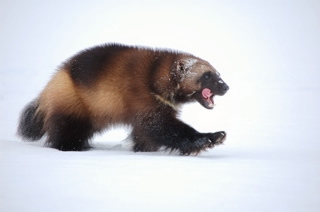
Study looks at rare critters

Wolverine in snow - Steve Kroschel
Wolverine in snow – Steve Kroschel

Here’s a pretty interesting article from the Hungry Horse News regarding an effort to study small carnivores in the Swan and Mission valleys . . .

Down in the basement of the Condon work center there’s a wall with paper bags tacked to it, carefully labeled, drying out.

It’s what Adam Lieberg of the Swan Valley Connections Southwestern Crown Collaborative Carnivore Project calls the “wall of scat.”

He used to have the bags in his living room, but it smelled like a very old litter box and his wife-to-be almost left him, he joked.
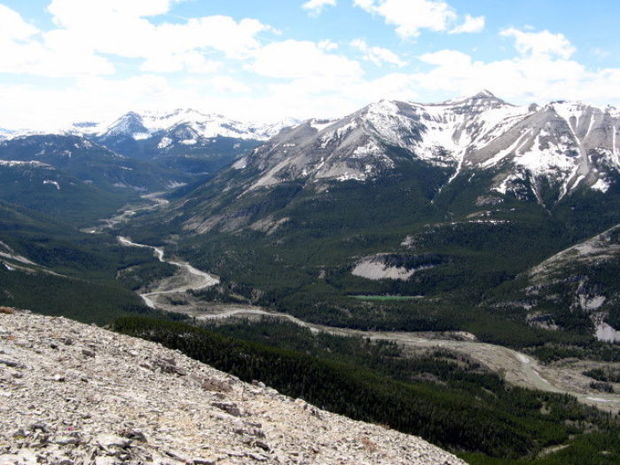
Read more . . .

Lawsuit challenges cancellation of Badger-Two Medicine oil and gas lease

Badger-Two Medicine Region

“It ain’t over till it’s over.” . . .

A prominent Texas oilman has filed a lawsuit against the federal government alleging it illegally canceled his oil and gas lease in the Badger-Two Medicine region near Glacier National Park and is seeking to reinstate his right to extract mineral resources in an area considered culturally sacred by the Blackfeet Tribe.

The lawsuit, filed April 3 in U.S. District Court in the District of Columbia, names as plaintiff the billionaire oilman W.A. Moncrief Jr., president of one of the nation’s largest family-owned oil and gas businesses. It names as defendants the U.S. Department of the Interior and Jamie Connell, state director of the Montana-Dakotas Office of the Bureau of Land Management.

The legal dispute comes on the heels of the Obama administration’s historic decision in January to cancel the final two remaining leases on the Badger-Two Medicine, marking a hard-fought victory for members of the Blackfeet Nation who have worked to jettison a host of energy leases from their sacred homeland for three decades.

Read more . . .

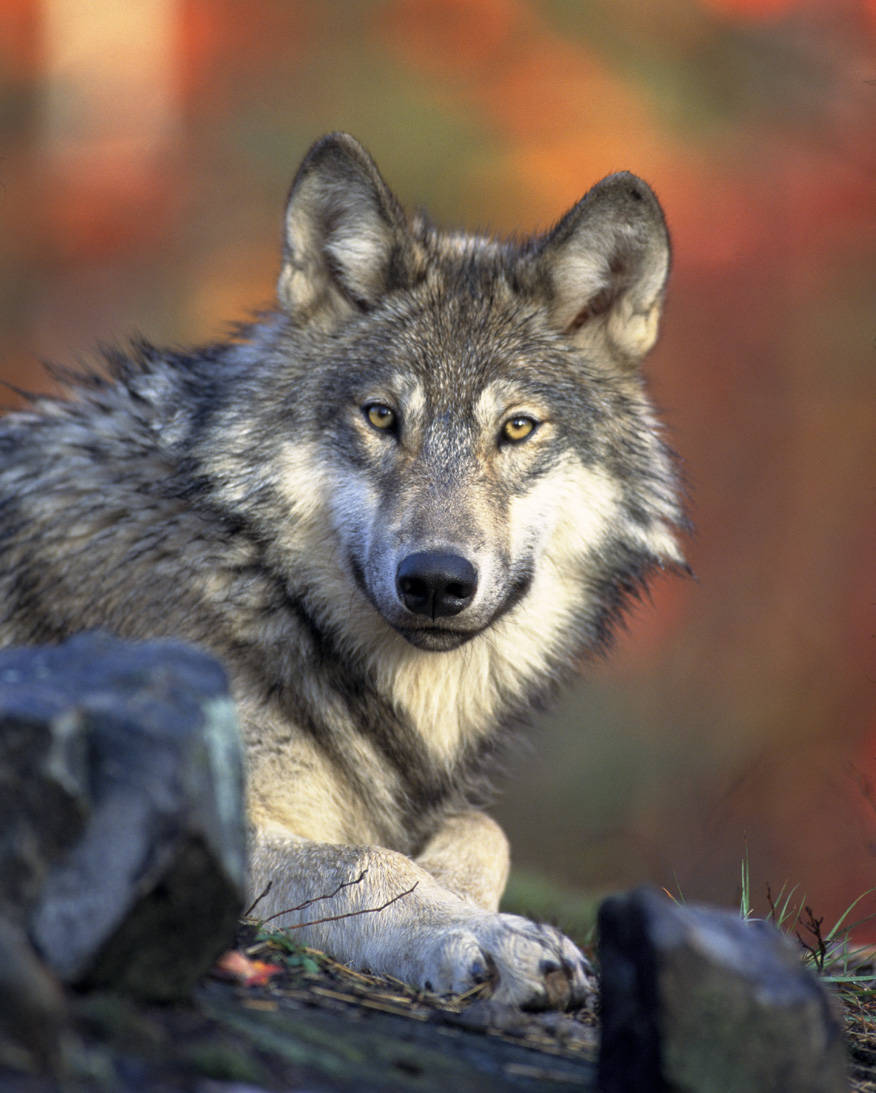
Wolves ‘best natural defense’ against chronic wasting disease

Gray Wolf
Gray Wolf

Chronic Wasting Disease is a problem for ungulate species in Montana. Wolves may be one good way to control it . . .

Wolves are the perfect animal to help reduce the spread of chronic wasting disease among elk, deer and moose, wolf advocates told the Montana Fish and Wildlife Commission last week during the board’s meeting in Helena.

“And it doesn’t cost us anything,” said Marc Cooke, president of Wolves of the Rockies.

Cooke’s comment Friday was later endorsed by former Fish and Wildlife Commissioner Gary Wolfe, who was once the program leader for the CWD Alliance, which tracks and provides information on the fatal disease.

Read more . . .

Flathead wild and scenic rivers – public information meeting, Apr 20

From the official press release . . .

The Flathead National Forest will be hosting a public meeting for all interested Flathead Wild and Scenic River users on April 20th at 5:30 p.m. at the Tally Lake/Forest Supervisor’s Office, 650 Wolfpack Way, Kalispell, Montana.

The primary objective of the meeting is to provide updates and share information about Flathead Wild and Scenic River management. A secondary objective will be to explore interest and ideas about how to develop partnerships and volunteer opportunities for the management of the Flathead Wild and Scenic Rivers.

There will be variety of topics presented by agency managers from Flathead National Forest, Glacier National Park, and Montana Fish, Wildlife and Parks, followed by informal breakouts with local area river managers and agencies.

For more information, contact Hungry Horse/Glacier View Ranger Station at 387-3800, or Rob Davies at 387-3801.

Montana to keep wolf hunt quotas stable outside Yellowstone

Montana wants to keep limiting wolf quotas near Yellowstone National Park . . .

Montana wildlife officials are proposing to keep the number of wolves that can be hunted or trapped just outside of Yellowstone National Park at four.

The proposal that went out for public comment Friday would set a quota of two wolves in each of two Montana management areas outside the park.

That was also the limit set in 2016 after the Montana Fish and Wildlife Commission rejected a plan to increase the quota.

Read more . . .

Siege ended; battle over public lands rages on

Three Types of Public Lands
Three types of public lands: Flathead National Forest is in the foreground, left and right; Montana’s Coal Creek State Forest, including Cyclone Lake, is in the middle distance; Glacier National Park stretches across the background.

The New York Times has picked up on the public lands transfer issue . . .

BURNS, Ore. — A year ago, this corner of rural Oregon became center stage in the drawn-out drama over public lands when armed militia leaders seized a national wildlife refuge, arguing that the government had too much control of land in the West.

Now that President Trump is in office, people here and in other parts of the 11 states where 47 percent of the landmass is publicly owned are watching to see what he will do on everything related to public lands, from coal mining and cattle grazing to national monuments and parks. In Burns, some ranchers and others are feeling emboldened, hopeful that regulatory rollbacks by the federal government will return lands to private use and shore up a long-struggling economy.

But the change in administration has also spawned a countermovement of conservatives and corporate executives who are speaking up alongside environmentalists in defense of public lands and now worry about losing access to hunting grounds and customers who prize national parks and wildlife.

Read more . . .

Montana’s invasive mussel response swings into gear

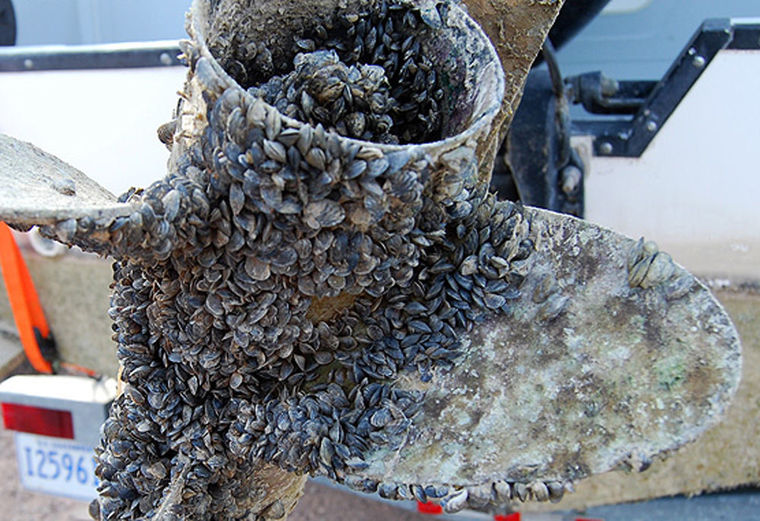
Mussel-fouled Propeller - NPS photo
Mussel-fouled Propeller – NPS photo

From the official press release . . .

On April 15, Montana’s full response to the invasive mussels begins statewide with more than 30 inspection stations, decontamination stations for boats leaving Tiber and Canyon Ferry Reservoirs and a broad outreach and education effort to help ensure people recreating on Montana’s waterways are practicing clean, drain and dry techniques at all times.

The biggest changes will be seen by those recreationists at Tiber and Canyon Ferry. In March, the Montana Fish and Wildlife Commission approved rules requiring boaters on Canyon Ferry and Tiber reservoirs to launch and exit at designated boat ramps, unless they are officially certified as local boaters on those specific waters by Montana Fish, Wildlife and Parks.

While local boaters won’t be required to decontaminate their vessels with hot water each time they leave Tiber or Canyon Ferry – they’ll still be required to stop at an inspection station where they’ll be expedited through after a brief interview. The program is designed to decrease volume at decontamination stations and allow a focus on boats traveling elsewhere.

Continue reading Montana’s invasive mussel response swings into gear

Senate Natural Resources Committee approves aquatic invasive species bill

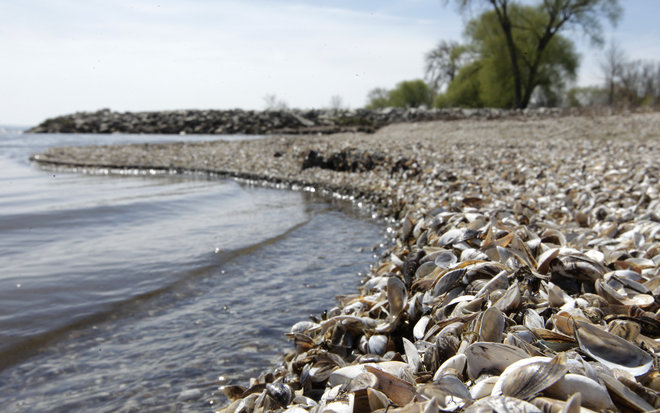
Zebra Mussel Shells Cover a Lake Michigan Limestone Beach in Door County Wisconsin - PJ Bruno
Zebra Mussel Shells Cover a Lake Michigan Limestone Beach in Door County Wisconsin – PJ Bruno

Here’s the latest on the state bill to fight invasive mussel species in Montana’s waters . . .

The Senate Natural Resources Committee unanimously approved a bill to bolster the defense against aquatic invasive mussels, which were detected in Montana waters for the first time in the state’s history last fall.

However, a proposed amendment granting full rule-making authority to the Flathead Basin Commission to oversee a local inspection program was not successful.

The Senate Natural Resources Committee on April 7 reviewed House Bill 622, a measure introduced by four Northwest Montana legislators: Republicans Mike Cuffe, of Eureka; Bob Keenan, of Bigfork; Mark Noland, of Bigfork; and Al Olszewski, of Kalispell. All 12 members of the committee voted to advance the bill to the Senate, which is scheduled to consider it April 11.

Read more . . .

Hilary Cooley is region’s new grizzly bear recovery coordinator

Dr. Hilary Cooley, U.S. Fish and Wildlife Service grizzly bear recovery coordinator - Jackson Hole News & Guide
Dr. Hilary Cooley, U.S. Fish and Wildlife Service grizzly bear recovery coordinator – Jackson Hole News & Guide

They finally brought someone in to take Chris Servheen’s old job. Dr. Hilary Cooley is the U.S. Fish and Wildlife Service’s new grizzly bear recovery coordinator . . .

The federal official charged with leading the U.S. polar bear program has departed Alaska for Missoula, Montana, to oversee grizzly bear recovery in the Lower 48.

Hilary Cooley, the U.S. Fish and Wildlife Service’s new grizzly bear recovery coordinator, has stepped into the job vacated by 35-year veteran Chris Servheen. Cooley will have the opportunity to finish what Servheen started: seeing through the Endangered Species Act “delisting” process for Yellowstone-area grizzlies, which turns over jurisdiction from Fish and Wildlife to Wyoming, Montana and Idaho.

The Greater Yellowstone Ecosystem’s grizzlies, she said, are ready to be managed by the states.

Read more . . .

Grizzly delisting inches through fed bureaucracy

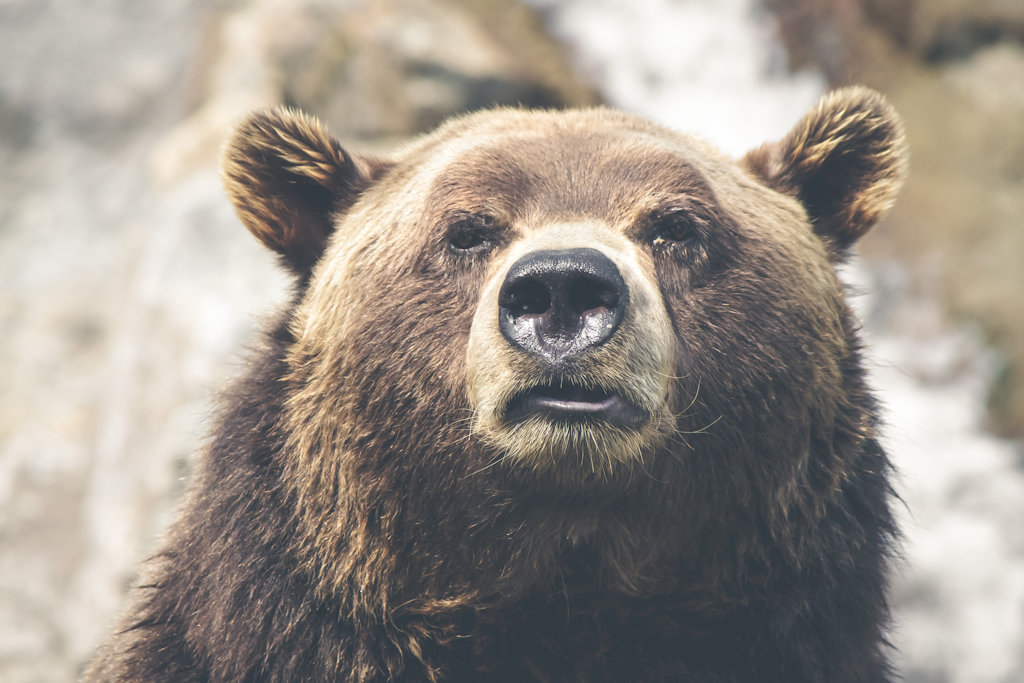
Grizzly Bear - Thomas Lefebvre, via Unsplash
Grizzly Bear – Thomas Lefebvre, via Unsplash

The grizzly bear delisting process is making its way through the federal bureaucracy.

It’s a lot like watching paint dry . . .

The work of crafting a draft final rule to delist the Greater Yellowstone Ecosystem’s grizzly bears is complete, and now the plans must navigate the many layers of federal bureaucracy.

The timeline for publishing the rule is unclear, in part because of the transition of presidential administrations and the U.S. Fish and Wildlife Service’s own influx status, said Jodi Bush, the agency’s Montana Ecological Field Office supervisor.

“We’ve had all of our packages stopped in headquarters lately,” Bush said in an interview at the Interagency Grizzly Bear Committee’s Yellowstone Ecosystem Subcommittee meeting held in Jackson last week. “They want to look at stuff. With the [recently protected] bumblebee it took an additional 39 days for them to get through it.”

Read more . . .