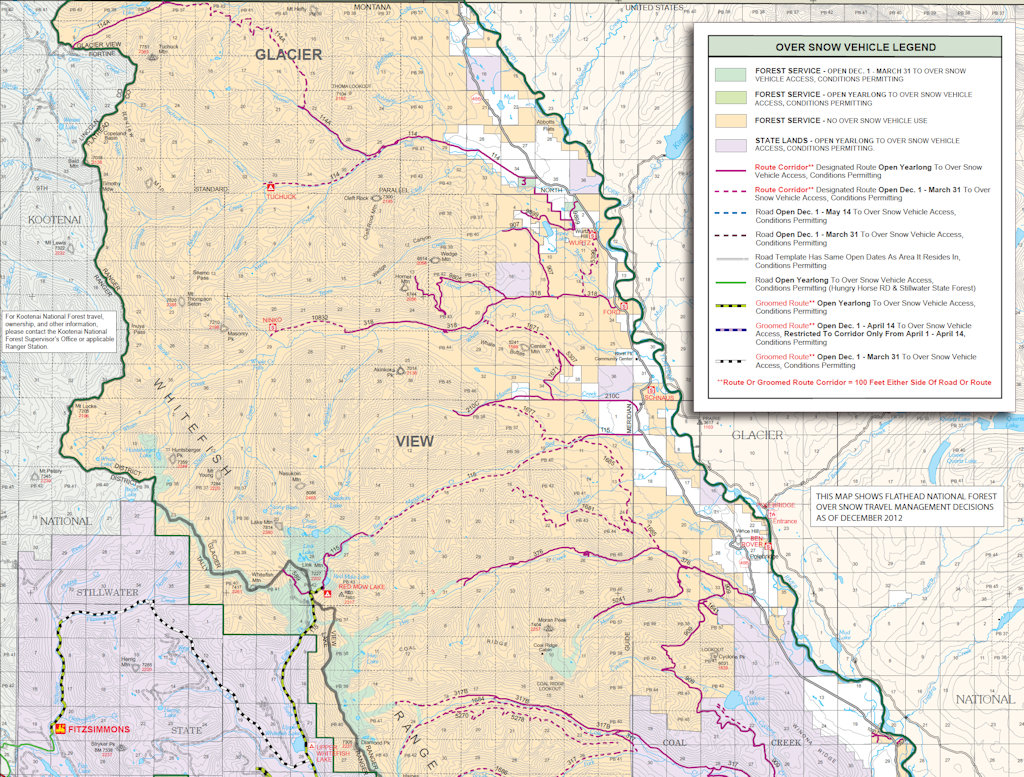
Please help protect North Fork wildlife!

Over Snow Vehicle Use Map, 2013 - Glacier View Ranger District-North Half

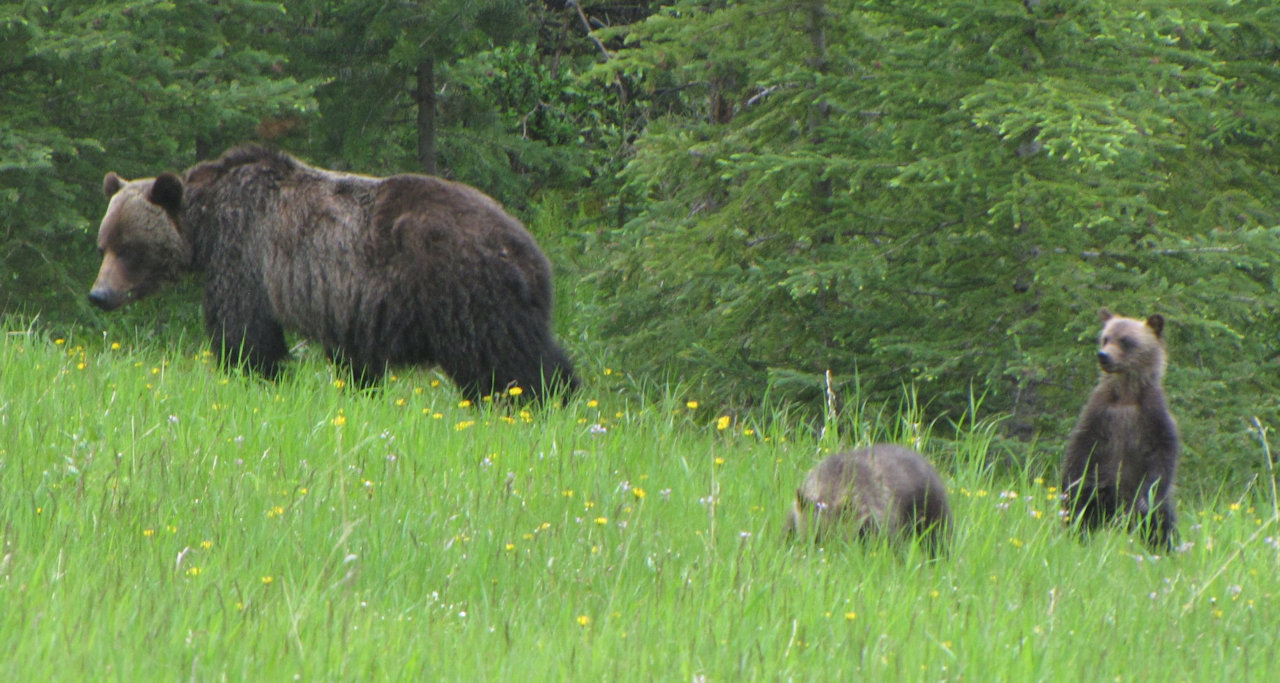
Illegal snowmobile use disturbs wildlife, including lynx and wolverine. Grizzly bear tracks are seen year-round up the North Fork, but they regularly come out of their dens in April, long before the snow melts.

Please take some time to familiarize yourself with the USFS map for over snow use (http://www.fs.usda.gov/Internet/FSE_DOCUMENTS/stelprdb5410980.pdf)
and then educate your neighbors and friends. This map is free at USFS offices.

If you observe illegal use, send the Flathead Forest law enforcement agent, Brad Treat, a note at btreat@fs.fed.

Judge asked to halt cancellation of Badger-Two Medicine drilling lease

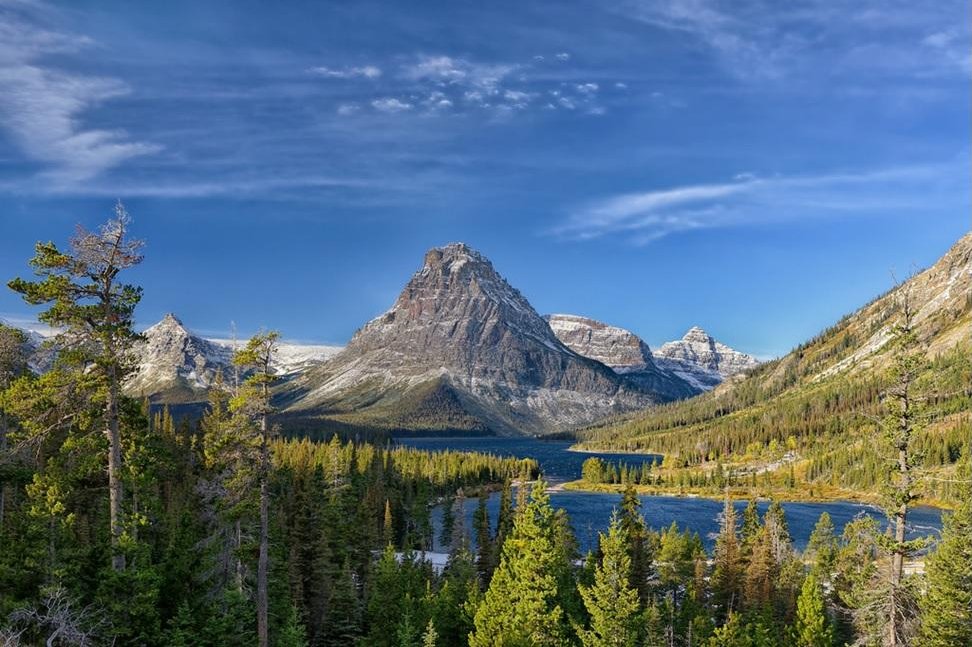
Two Medicine Lake

After a brief pause for closed-door negotiations that just happened to fall over the holiday season, the lawsuit over drilling in the Badger-Two Medicine is back in action . . .

A Louisiana company has asked a federal judge to block government plans to cancel a long-stalled federal energy lease on land considered sacred to American Indians.

The Interior Department announced in November that it plans to cancel the 6,200-acre lease near Glacier National Park because it was improperly issued in 1982. It’s owned by Solenex LLC of Baton Rouge, Louisiana.

In a Tuesday court filing, company attorney Steven Lechner said the government arbitrarily reversed course last year after previous determinations that the leases were valid.

Read more . . .

Ten Lakes debate could impact future wilderness proposals

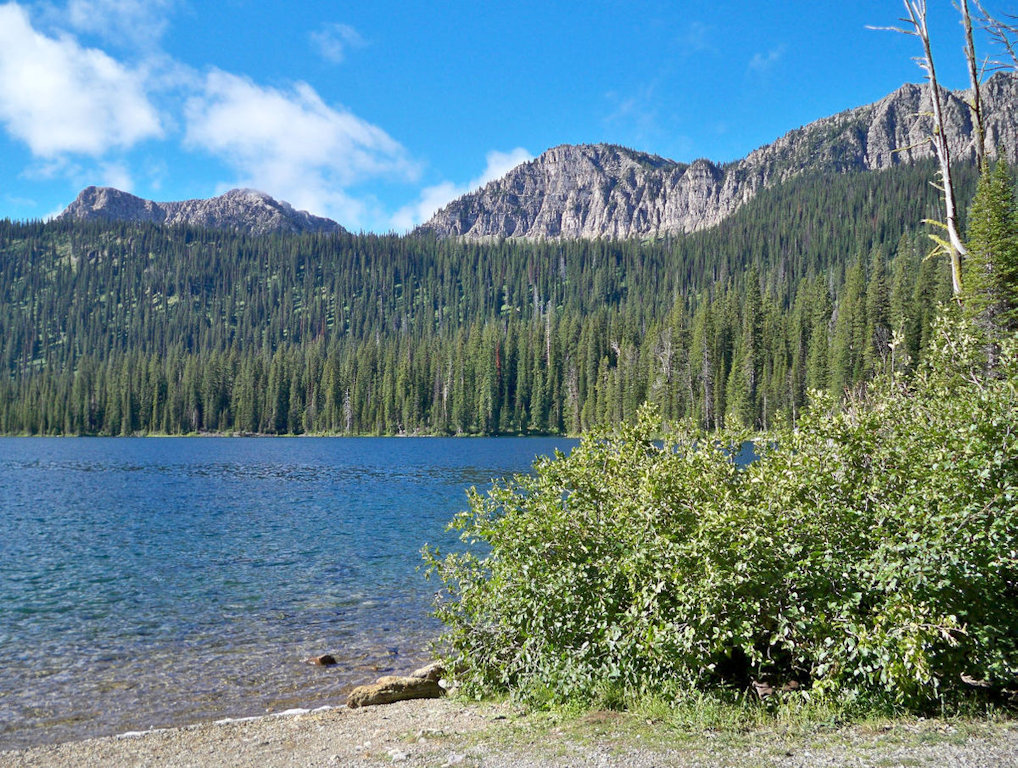
Big Therriault Lake - Kootenai National Forest

Over at the Missoulian, Rob Chaney has put together an excellent article, including maps and supporting documentation, on the issues and conflicting interests surrounding the Ten Lakes Wilderness Study Area.

Recommended reading . . .

If it’s true that you’re doing something right when everyone’s angry with you, the Kootenai National Forest has nailed its wilderness designation process.

More likely, it may become the decision point for how the U.S. Forest Service respects the recreation wishes of snowmobilers, cross-country skiers and land managers across the Northwest. The lens for that debate is the Ten Lakes Wilderness Study Area.

“There was a huge effort in the forest planning process, where the Montana Wilderness Association, The Wilderness Society and others wanted to sit down with folks in Eureka to find common ground around Ten Lakes,” Kootenai Forest Supervisor Chris Savage recalled. “They met for a couple of years to come to some resolution. But it became apparent from other parties that they just don’t see it should be a wilderness study area, and that it shouldn’t be managed as wilderness at all. They had to stop the process.

Read more . . .

Closed-door discussions fail in lawsuit over Badger-Two Medicine leases

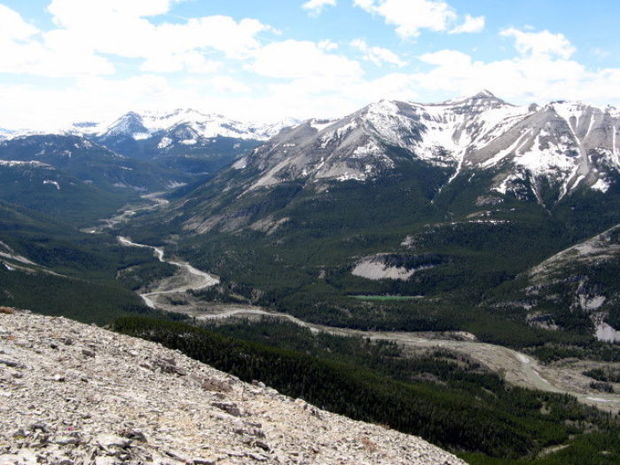
Badger-Two Medicine Region

After several weeks of closed-door discussions aimed at resolving a lawsuit over drilling leases in the Badger-Two medicine region, the Interior Department and Solonex, the Louisiana energy company that brought the lawsuit, notified the court yesterday afternoon that they intend to resume litigation.

This means the government will press ahead with their decision to cancel all energy leases in the Badger-Two Medicine and Solonex will fight the decision.

Expect some sort of fireworks within the next couple of weeks.

Glacier Park spokeswoman Denise Germann headed for Grand Teton

Denise Germann, the source for many Glacier Park and Flathead Forest stories referenced here over the years, is headed for Grand Teton National Park . . .

The latest news from Glacier National Park spokeswoman Denise Germann is that Denise Germann is leaving her job with Glacier National Park.

Germann confirmed Thursday that she has accepted the position of public affairs officer for Grand Teton National Park in Wyoming.

Germann filled in as Teton’s spokeswoman for three months this fall, and said she went without any intention of pursuing the position permanently.

Read more . . .

‘Detection dogs’ used to study habitat suitability for bears

Camas the detection dog

Sometimes science is a bit… quirky. This is also a pretty interesting read . . .

A recently released study from WCS (Wildlife Conservation Society) details a new method using “detection dogs,” genetic analysis, and scientific models to assess habitat suitability for bears in an area linking the Greater Yellowstone Ecosystem (GYE) to the northern U.S. Rockies.

The method, according to the authors, offers an effective, non-invasive approach to the collection of data that could play a vital role in the further recovery of grizzly bears during the coming decades.

“The use of detection dogs allowed us to quantify and map key areas of habitat for black bears in the Centennial Mountains located along the Idaho-Montana border west of Yellowstone National Park,” said Jon Beckmann, WCS Scientist and lead author of the study. “Black bears are a proxy species useful for predicting likely grizzly bear habitat. With recovery, a larger grizzly bear population needs room to roam and to reconnect with other populations. The Centennial Mountains region of the U.S. northern Rockies can provide room and safe linkages— critical to connecting the bear population in the GYE area to others further north and west”.

Read more . . .

Montana to relocate some sage grouse to Canada

Sage Grouse

Montana will relocate some local sage grouse to Alberta in an effort to improve the population in both jurisdictions . . .

Montana will send dozens of sage grouse to the Canadian province of Alberta in a plan approved Thursday that faces opposition from some lawmakers who say the state should first look to bolster its own fragile population of the bird.

The Montana Fish and Wildlife Commission voted 3-1 to relocate 40 greater sage grouse hens this year across the border to Alberta, where an estimated 100 to 120 of the birds are left. The sage grouse in Alberta and Montana make up a transboundary population, and the program should result in healthier numbers on both sides of the border, officials said.

“We have worked hard with Alberta to get this to fruition,” Montana Fish and Wildlife Commission Chairman Dan Vermillion said. “It seems to be working up there, and Montana has a lot to benefit.”

Read more . . .

Gloria Flora: Why I resigned over a public land dispute

An excellent, well-researched op-ed on the current public lands debate . . .

Once again, a provocative armed display of dissatisfaction with a federal land management agency is unfolding—this time, at a remote wildlife refuge in southern Oregon. It’s been happening since 1848, when Mexico ceded the southwest quadrant of the United States after losing the Mexican-American War. Early settlers were primarily Mormons and Confederate Civil War refugees, both fiercely anti-federal government. Those attitudes haven’t changed much.

In the late 1990’s, when I served as Forest Supervisor of the Humboldt-Toiyabe National Forest in Nevada and eastern California, the simmering anti-federal government animosities boiled over dangerously multiple times but failed to garner much notice. Now, we’re seeing a similar boil-over in Oregon. The Nevada-based protesters, despite confusion over history and the exact purpose of their one-sided stand-off, are demanding privatization, to give the land back to “the people.” It sounds compelling, but it’s invented history.

The federal government created the Malheur National Wildlife Refuge, the focus of this standoff, by usurping the Native American Pauite Nation’s homeland, then, years later, aggregating their abandoned reservation and a used-up cattle ranch bought at a premium during the Depression. The Malheur occupation today sounds a battle-cry of frustration from unwanted proxies who believe they speak for the people of Harney County. Clearly, the interlopers have their facts wrong. But their hair-trigger reaction to a situation reminiscent of their grievances deserves a closer look.

The heart of the matter is that the human dimensions of managing public lands are just as important as the physical and biological dimensions. We Americans love our landscapes. Those who spend a lifetime on the land, like ranchers, connect with it even more deeply…

Read more . . .

Feds consider endangered species protection for fisher

Fisher in winter coat - from Wikipedia

The U.S. Fish and Wildlife Service is looking at endangered species protection for the Northern Rockies fisher . . .

Government officials will consider new protections for a small, fanged predator that thrives in old-growth forests of the Northern Rockies over concerns that trapping, habitat loss and poisoning could be harming the animal’s population.

The U.S. Fish and Wildlife Service announced Monday that it plans a yearlong review to determine if the Northern Rockies fisher should be protected under the Endangered Species Act.

The species historically occupied a Rocky Mountains range that stretched across parts of Washington, Utah, Idaho, Montana and Wyoming, wildlife advocates say. The animals are now limited in the Rockies to an area along the Montana-Idaho border.

Read more . . .

The photos that inspired the creation of that occupied Oregon refuge

Crane Faces - Malheur National Wildlife Refuge

The Malheur National Wildlife Refuge wasn’t widely known beyond the birding community until it acquired its current “Y’all Qaeda” infestation. Here’s some background, from NPR . . .

The armed militants occupying Malheur National Wildlife Refuge in Eastern Oregon come from as far away as Texas and Montana. But they are hardly the refuge’s first out-of-state visitors. Malheur Lake is a regional hub for hundreds of thousands of migrating waterfowl. By some measures, it boasts the greatest diversity of bird species in the entire state.

A century ago, that diversity attracted the attention of naturalist William Finley. He visited the lake in 1908 with his childhood friend and photography partner, Herman Bohlman. In an article in The Atlantic Monthly, Finley recalled: “Here we were standing on the high head-land looking out over the land of our quest. Here spread at our feet was a domain for wild fowl unsurpassed in the United States.”

Finley was so ecstatic that he fell out of his boat.

Read more . . .