All posts by nfpa

Prescribed fires planned for the Flathead

From the official press release . . .

Ranger Districts on the Flathead National Forest are planning to conduct multiple fall season prescribed fire projects, when weather, fuel conditions, and air quality is favorable. Burning is expected to start as early as September 16, and will continue through the close of open burning season on November 30, 2015. Smoke will be visible from various places in the Flathead Valley depending on the location of the burn units and weather conditions.

Each project follows a Prescribed Fire Burn Plan. The prescribed fire projects are located, designed and controlled to reduce the potential for adverse effects or escape as a wildland fire. These projects will be in compliance with Montana air quality standards and coordinated with Montana State Department of Environmental Quality to reduce the impacts of smoke to our neighbors, cooperators, and surrounding communities. The project areas include:
Hungry Horse/Glacier View Ranger Districts

  • Red Whale Creek Area – A 1114 acre project is planned in the Red Whale Creek drainage in the North Fork of the Flathead about four miles north of Polebridge. Depending on weather, this burn is planned for the next few weeks. The purpose of the project is to help restore a more historical fire regime to the ecosystem, improve wildlife habitat and reduce hazardous fuels to reduce wildfire risk and aid in potential future fire suppression efforts. In the same area about 31 acres of piles from logging slash will be burned.
  • Heinrude Fuels Project – This work involves burning about 22 acres of debris piles adjacent to Heinrude Creek and the West-side Hungry Horse Reservoir road near the Heinrude cabins.
  • Belton Fuels Project – This project includes the burning of about 15 acres of debris piles adjacent to private property in West Glacier and 176 acres of scattered debris piles between Coram and West Glacier.
  • Essex Area – Work involves the burning of several debris piles and logging slash in the Essex area.
  • Slippery Bill – Work involves the burning of several debris piles and logging slash.
  • Firefighter – Work involves the burning of several debris piles and logging slash.

Tally Lake Ranger District

  • Beaver Lake North Fuels Reduction Project – This project involves the burning of about 5 acres of debris piles adjacent to private property about five miles west of Whitefish.
  • Valley Face Fuels Reduction Project – Work involves the burning of about 69 acres of debris piles adjacent to private property about eight miles southwest of Whitefish along the Tally Lake Road.
  • Ashley Communications Site Project – Work involves the burning of about 4 acres of hand piles around the communications site.
  • Logan 200 Project – Work involves the burning of about 180 acres of hand piles at the north end of Tally Lake east of the campground.
  • Sharptail Project – Work involves the burning of about 17 acres of mechanical piles just off the Star Meadows road.
  • Ashley Lake Project – Work involves the burning of 76 acres of mechanical piles west of Ashley Lake.
  • Herrig Creek Project – Work involves the burning of 95 acres of mechanical piles 2.5 miles north of Little Bitterroot Lake.

Spotted Bear Ranger District

  • Horse Ridge – This project includes burning units along the ridge to the east the East Side Road and north of Spotted Bear complex.
  • Miscellaneous Piles – Piles around the district from a variety of projects will be burned.

Swan Lake Ranger District

  • Wild Cramer – This project includes broadcast and under burning in stands located within the Blacktail Mountain area west of Lakeside, MT. These treatments will use prescribed fire for fuels reduction, vegetation regeneration, and wildlife habitat improvement.
  • Condon Fuels – This project includes broadcast burning in timber stands located within the Condon Fuels project area around Condon, MT in the Swan Valley. These treatments will use prescribed fire for fuels reduction, vegetation regeneration, and wildlife habitat improvement.
  • Pile Burning – Hand or machine piles are located in several locations within the Swan Valley, Blacktail Mountain, Haskill Mountain and miscellaneous piles around the district as a result of but not limited to: logging, hazardous fuels reduction in the wildland urban interface, hazard tree removal, recreation site management and trail or road construction. These piles are burned to reduce fuel loads in these areas. These piles are strategically burned based on their location, access, and weather conditions.

For more information about these projects contact the appropriate Ranger Station:

  • Hungry Horse/Glacier View Ranger Districts: 406/387-3800
  • Tally Lake Ranger District: 406/758-5204
  • Spotted Bear Ranger District: 406-758-5376
  • Swan Lake Ranger District: 406/837-7500

Conservationists from around the globe gather in Glacier Park

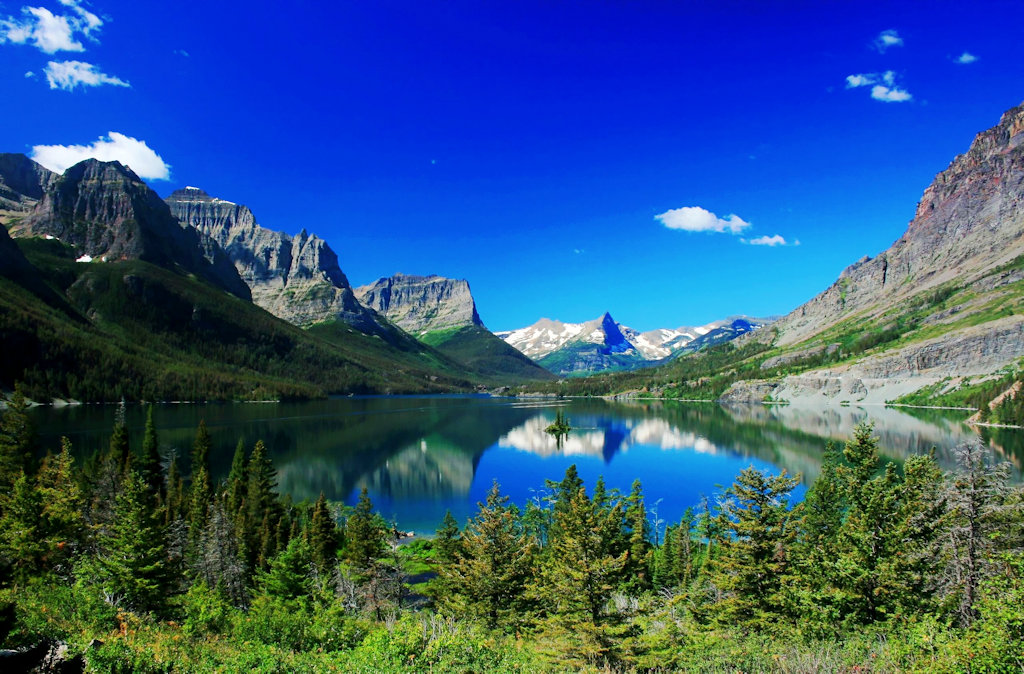
St. Mary Lake
St. Mary Lake in Glacier National Park

A world-wide assortment of conservationists met in Glacier Park . . .

What many European visitors to the United States encounter on their first trip to America, the woman from Croatia noted, is New York City.

One of the first things Maja Vasilijevic saw on her first trip to the U.S. was a little different than the bright lights and teeming crowds of Times Square. No, one of Vasilijevic’s first encounters with America included a large herd of bison thundering across a lonely stretch of U.S. Highway 2 on the Blackfeet Indian Reservation.

“It’s unique,” said Vasilijevic, who had never in her life seen one of the animals in person. “Not only the bison – the whole landscape.”

Read more . . .

Grizzly bear DNA database grows by the day

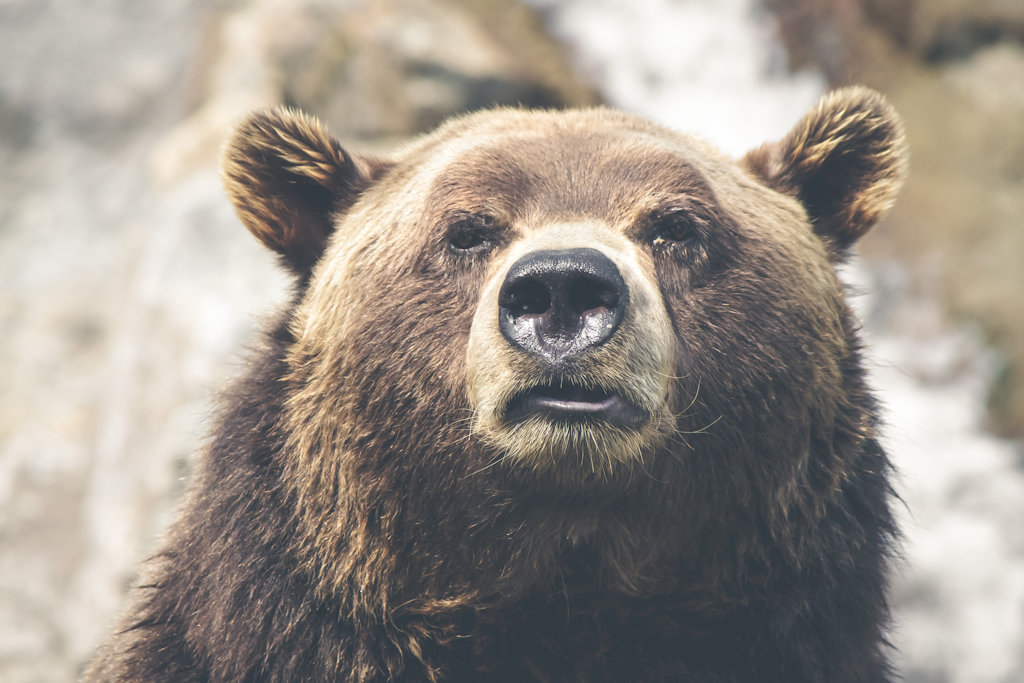
Grizzly Bear - Thomas Lefebvre, via Unsplash
Grizzly Bear – Thomas Lefebvre, via Unsplash

Here’s a good article by Chris Peterson in the Hungry Horse News discussing how the use of DNA analysis in grizzly bear research is really hitting its stride . . .

This summer, grizzly bears have been confirmed in the Big Hole River Valley of Montana for the first time in the last 100 years.

Montana Fish, Wildlife and Parks bear manager Kevin Frey said they do have hair samples from at least one grizzly from earlier this summer in the Big Hole and the state plans on having the samples analyzed to find out if biologists can track the origins of the bear.

The case is just another illustration of how far DNA analysis of bears has come in the past 25 years.

Read more . . .

Judge asked to restore cancelled energy lease in Badger-Two Medicine

Badger-Two Medicine Region

Solonex makes the next move in its court fight over cancelled oil and gas leases in the Badger-Two Medicine region . . .

A Louisiana energy company is asking a federal judge to reverse the cancellation of a 33-year-old oil and gas lease on land considered sacred to the Blackfoot tribes of the U.S. and Canada.

Solenex LLC of Baton Rouge filed court papers Monday seeking a judgment in the case that’s before U.S. District Judge Richard Leon in Washington, D.C.

The 6,200-acre lease is in the Badger-Two Medicine area of the Lewis and Clark National Forest. It’s just outside Glacier National Park and the Blackfeet Indian Reservation.

Read more . . .

Coalition challenges Rock Creek Mine water permit

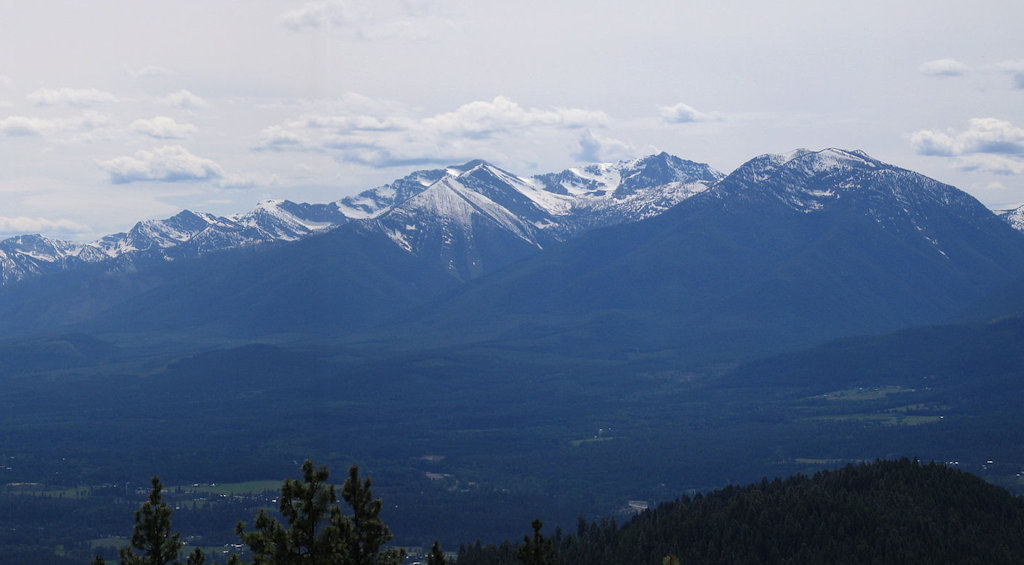
Southern Cabinet Mountains, as seen from Swede Mountain, near Libby

An environmental coalition is challenging the DNRC water permit for the Rock Creek Mine, one of two proposed mines near the Cabinet Mountains Wilderness . . .

A coalition of environmental groups is challenging the Montana Department of Natural Resources and Conservation’s proposed decision to issue a water permit to the company hoping to build a massive copper and silver mine near Noxon.

The coalition, including the Clark Fork Coalition, Rock Creek Alliance, Earthworks and the Montana Environmental Information Center, has alleged that the Hecla Mining Company’s Rock Creek Mine would dewater streams within the Cabinet Mountains Wilderness. The nonprofit environmental law firm Earthjustice represents the groups.

The formal objection was filed with the DNRC on Sept. 6.

Read more . . .

Must see! 2016 National Geographic Nature Photographer of the Year Contest

Curious Lions by Kym Ilman

National Geographic is running their annual photography contest. I cannot post samples here but, trust me, you really want to go check them out. There are some truly spectacular photos among the submissions so far and the contest still has several weeks to run.

Twisted Sifter has some highlight photos on their site with links to more.

Debo Powers: The Wild Mind of God

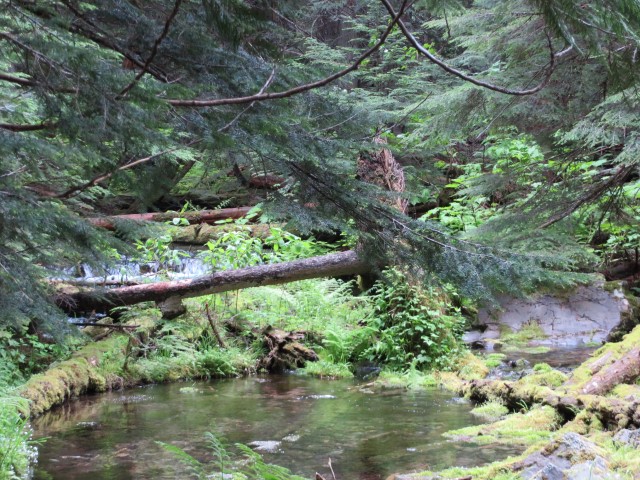
Mossy Stream - W. K. Walker
Mossy Stream – W. K. Walker

Debo Powers presented this poem at the “Wild Poems, Wild Stories, Wild Flathead” program held in Missoula on September 13 and in Whitefish on September 15 . . .

The Wild Mind of God

Trying to face the mind of God in a grove of trees,
I pause and listen.
My breath comes hard and ragged.
Sweat soaks my clothes from the long climb.

It is cool here
Sheltered from the glare of the hot western sun.
The wind swooshing through the branches overhead
The sounds of a creek as it runs over the toes of smooth boulders.

This is a cathedral
This cool dark spot
Dripping with moisture
Heavy with decay and new growth.

I fall to my knees in worship
And feel the soft furry moss against my skin
The wetness soaks into my socks
I breathe deeply in this quiet sacred place
Where creatures find refuge from the blistering heat.

I am not alone here.
Everywhere there are spirits.
An old elk who laid down here to die,
Torn and bleeding from the ravages of wolves and long winters.
A baby tanager that fell from a nest
And never rose again to try its wings.
A trout that was scooped out of its cold watery home
By the claws of a patient mountain lion.

We are all here
In this cathedral
On this mountainside
In the wild mind of God.

— Debo Powers

Inspired by the wildlands of the northern Whitefish Range
in the Flathead National Forest

Poetry and prose inspired by the Flathead Forest backcountry, Sep 15, in Whitefish

poetry-and-prose-inspired-by-the-flathead-forest-sep-15-2016Debo Powers, NFPA President, is presenting an original poem at the event in Whitefish. Look for it here, right after the event closes!

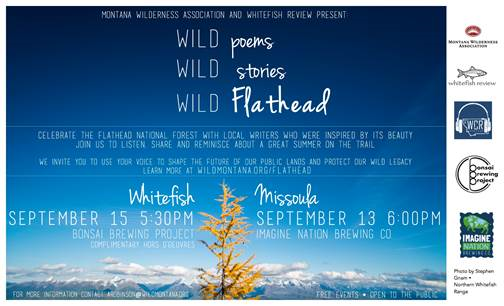
Celebrate the Wild Flathead! Join Montana Wilderness Association and Whitefish Review for an evening of poems and stories from the wild backcountry of the Flathead National Forest on Thursday, September 15 from 5:30 – 8pm at Bonsai Brewing Project in Whitefish. Local authors will share works that were inspired by the beauty of the places in our own wild backyard such as the Whitefish Range, the majestic Swan Range and the beloved Bob Marshall Wilderness. As we reminisce about another glorious summer on the trail, MWA encourages those who care about these areas to add their comments on the Flathead National Forest’s new management plan, which is currently being revised. Complimentary hors d’oeuvres will be provided and a FREE GIFT for new and current MWA members. This is a FREE event that is open to the public. Join us to listen, share, and protect the future of our wild legacy!

Researchers start long-term huckleberry investigation

Huckleberries on Moran Creek Trail (T2) in Flathead NF - W. K. Walker
Huckleberries on Moran Creek Trail (T2) in Flathead NF – W. K. Walker

Researchers have launched a serious effort to learn more about huckleberries.

The North Fork Preservation Association is supporting this investigation. The NFPA has a huckleberry team of seven people, led by Suzanne Danielle, who checked two sites in the North Fork every week throughout the season . . .

We know the least about the plant we love the most in the mountains.

When Tabitha Graves took up carnivore research for the U.S. Geological Survey base at Glacier National Park, one of the biggest puzzles needing attention was the role huckleberries play in the food chain. Although creatures from grasshoppers to grizzlies like the purple fruit, we know little about what the berries themselves like.

“The more I’ve gotten into this, the more I’ve realized how important they are,” Graves said. “All kinds of birds eat them, as do small mammals. We’ve found coyote scats with berries in them. We’ve seen wasps eating them. And of course, humans eat a lot of them.”

Read more . . .

Whitebark Pine Ecosystem Foundation annual science meeting and community events come to Whitefish

Whitebark Pine Closeup, 2016 - W. K. Walker
Whitebark Pine Closeup, 2016 – W. K. Walker

From the press release . . .

The Whitebark Pine Ecosystem Foundation (WPEF) is partnering with the Flathead National Forest and Glacier National Park to hold the Foundation’s 2016 science meeting in Whitefish on September 16th. The event is being held at the O’Shaughnessy Center, 1 Central Avenue, and includes both a full day of science presentations and an evening program for the public. There will also be an event on Saturday recognizing Whitefish Mountain Resort as the first certified “Whitebark Pine Friendly Ski Area”. The formal presentation ceremony recognizing the ski area’s efforts to protect and restore whitebark pine will occur at the resort’s Base Lodge at 10:30 a.m.

Whitebark pine is a keystone species, whose large seeds provide a critical food source for over 110 species of birds and animals at high elevations. Its presence allows other tree species to establish under the harsh conditions near the tree line, and helps retain snowpack and regulate runoff. Outdoor enthusiasts know whitebark pine as a familiar companion that enriches their high mountain experiences.

Whitebark faces several threats, primarily human caused, that have decreased the number of whitebark pine in Northwest Montana by over 90 percent. The science program being held on Friday, the 16th from 8:00 a.m. – 5:00 p.m. will feature presentations by many of the premier experts in whitebark pine research, policy and restoration efforts. The public is welcome to attend; go to http://whitebarkfound.org/ for more information.

An evening program for the public, covering whitebark pine ecology, threats and local restoration efforts, will be held after the science meeting from 6:30 – 7:30 p.m. The evening program will feature presentations by whitebark pine and Clark’s nutcracker researcher, Dr. Diana Tomback, and Flathead National Forest reforestation specialist, Karl Anderson. Evening events will also include a no-host bar and silent auction. The public is encouraged to attend and learn more about whitebark pine and why it is such an important species to the people living in northwest Montana.

For more information on any of the events, please contact Melissa Jenkins, WPEF Secretary, at (406) 260-6500.