Wonder what we’ve been doing since August? Head over to the newly updated activities page for a summary.
All posts by nfpa
Diving artist-in-residence gains unique view of Glacier National Park
This article from the Hungry Horse News is best viewed in the print edition . . .
There have been plenty of artist-in-residence at Glacier National Park. Chris Gug is the first to dive right into his project, however — literally.
Gug recently spent a solid month photographing the Park’s underwater landscape. The Fort Lauderdale, Florida photographer has been diving and taking underwater photos since he was 15. He said he stumbled upon the application for Glacier Park’s program after he did a Google search for artists and Fort Lauderdale airport expansion.
Thanks be to Google, the Park’s artist program popped up in the search. “The more I talked to the Park, the more I wanted to do it,” he said.
Climate impacts to hunting, fishing and wildlife heritage
Over at the Flathead Beacon, Tristan Scott posted an article on a recently released report by the National Wildlife Federation . . .
Montana’s hunters and anglers have as much vested in the Paris climate negotiations as the state’s abundant suite of wildlife, according to research compiled by the National Wildlife Federation, which recently released a report detailing what’s at stake culturally, ecologically and economically if a solution is not forthcoming.
As 150 world leaders at the 2015 United Nations Climate Change Conference hash out a binding agreement for curbing greenhouse gas emissions, scientists studying moose, cutthroat trout, mountain goats, and other wild animals in Montana are sounding the alarm about climate impacts in the Treasure State.
The National Wildlife Federation’s report is entitled “Game Changers: Climate Impacts to America’s Hunting, Fishing and Wildlife Heritage,” and outlines the historic role of hunters and anglers in conservation and the many ways in which the changing climate is affecting hunting and fishing opportunities and the state’s robust outdoor economy.
Feds aim to maintain current Greater Yellowstone grizzly numbers
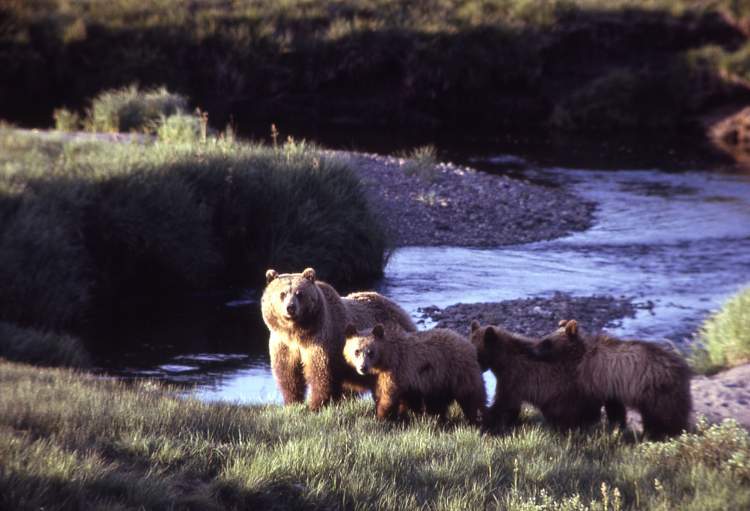
Federal wildlife managers edge closer to delisting the grizzly bear . . .
Wildlife managers will seek to maintain grizzly bear numbers in the three-state Yellowstone region near current levels as they move toward lifting protections for the threatened species, a U.S. Fish and Wildlife Service spokeswoman said Wednesday.
The agency has set a management goal of 674 grizzly bears across the 19,300-square-mile region. That’s enough of the animals to “ensure a sustainable and resilient population,” spokeswoman Serena Baker said.
The population target is consistent with the average number of bears between 2002 and 2014. But it’s about 6 percent below the most recent tally of 714 bears at the end of 2014.
Also read: Grizzly counting methods face scrutiny as delisting decision nears
‘Through Glacier Park’ a century later
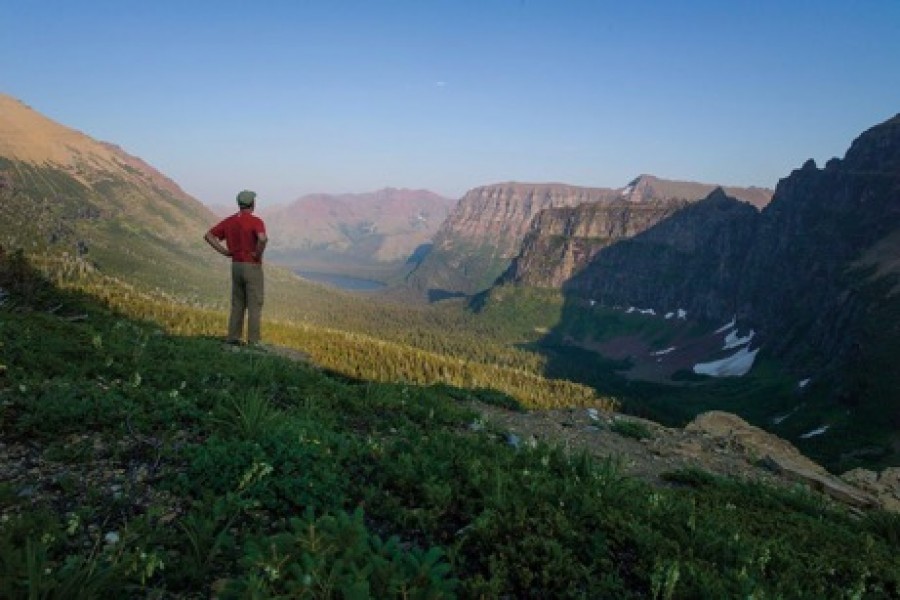
As if you didn’t already have a full schedule in December, here’s another worthwhile event, courtesy of the inimitable Chris Peterson’s love of hiking and photography . . .
On Dec. 16, local author and Hungry Horse News editor Chris Peterson will give a community presentation on Mary Roberts Rinehart’s book, “Through Glacier Park in 1915.”
Rinehart’s classic is a travelogue of her 300-mile journey through Glacier Park, during which she traveled on horseback through the park with a party of 40 people, including famed artist Charlie Russell.
A century later, in 2015, Peterson recreated Rinehart’s journey and her photographs, hiking 240 miles between April and September, meeting snow, rain, wind, heat, bears, and wildfires.
Hosted by the Glacier National Park Conservancy, Peterson’s free presentation will feature stories from his travels, and autographed copies of his book will be available for purchase, proceeds benefiting the conservancy.
The event takes place at Flathead Valley Community College’s Art and Technology building, at 7 p.m.
Bear-proof storage getting better; still room for improvement
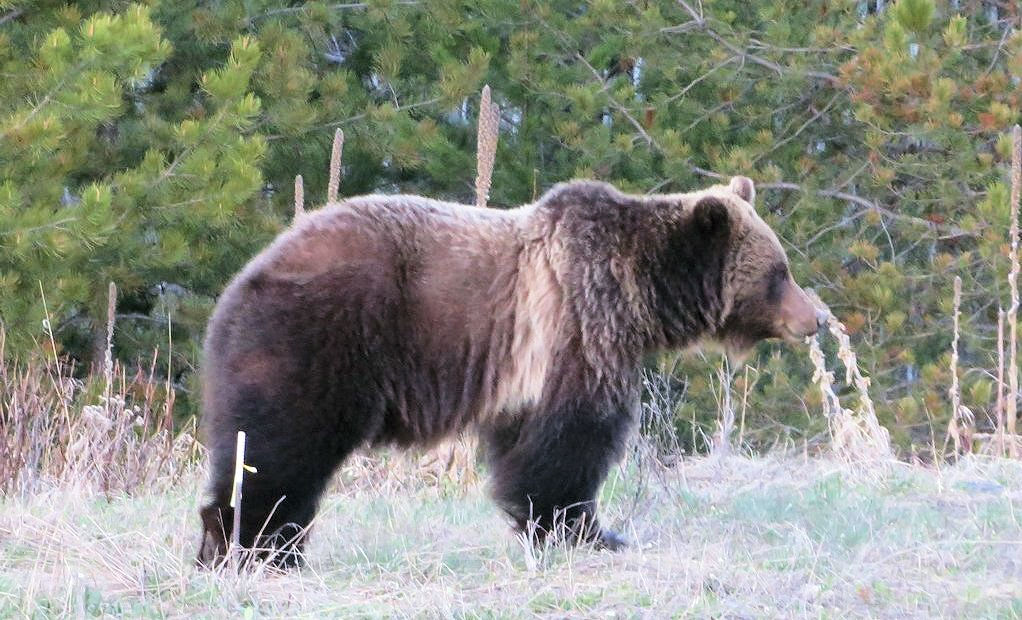
Here’s an update on the current state of bear-proof storage. I particularly like the bit about “Kobuk the Destroyer” . . .
An unexpected problem has developed in the world of bear-resistant food storage testing: The grizzly bears responsible for tearing containers to shreds are getting bored or depressed.
“With some of these containers, the bears are no longer interested in testing,” U.S. Forest Service national carnivore program leader Scott Jackson told the Interagency Grizzly Bear Committee meeting in Missoula on Tuesday. “For the metal cases that are bolted to the ground that they can’t tip over and knock around, that’s becoming more and more of a problem. They just lick the bait off the outside and leave them alone. The manufacturers are kind of left in limbo.”
In a way, that’s a good problem to have. Bear-resistant food storage rules apply to more and more places in the woods as both grizzlies and black bears add human food to their foraging plans. Next summer, floaters who win a coveted permit to spend a week on Montana’s Smith River must pack their steaks and beer in bear-resistant containers.
Life, death, and winter in Glacier Park
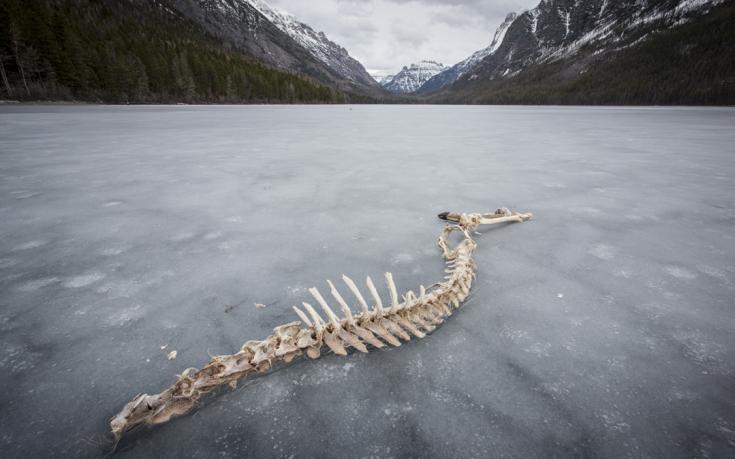
The NFNews posted a link to a long, fascinating article by Aaron Teasdale on the Sierra Club website about wolves and Kintla Lake in the winter in Glacier National Park.
Grizzlies keep pushing out onto high plains
Grizzlies continue to move down from the mountains and out into their old range on the high plans . . .
As the lone grizzly bear expert for the Montana Fish, Wildlife and Parks’ Region Four office, Mike Madel hasn’t had any problems keeping busy along the Rocky Mountain Front. “It was a heck of a year,” he said during a presentation to regional grizzly experts Wednesday near Kalispell. “We had bears expanding way out into the plains again, and further than we’ve ever had them.”…
The range of grizzly bears along Montana’s Northern Continental Divide has roughly doubled since they received federal protection under the Endangered Species Act in 1975, and much of that new territory has been east of the Rockies.
Grizzlies are increasingly present on the Blackfeet Indian Reservation, often following the winding, tree-lined drainages that extend east from the mountains. Even Great Falls might not be immune to the encroaching bears for long.
Also read: State, federal grizzly bear experts to meet in Missoula
Lawsuit over Badger-Two Medicine leases retreats behind closed doors
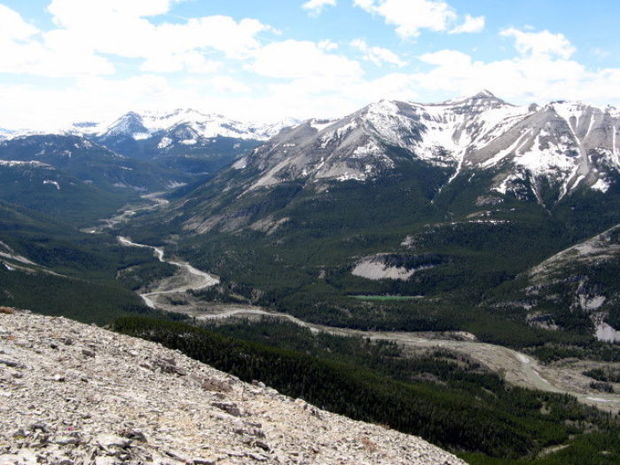
Here’s a non-surprise: After the Solonex lawsuit forced the federal government to take an official stance on the issue of energy leases in the Badger-Two Medicine region, attorneys on both sides want to move the discussion behind closed doors for a while . . .
The Interior Department and a Louisiana energy company are asking a federal judge to pause court proceedings in a dispute over a drilling lease near Glacier National Park.
Attorneys for the two sides said in a Wednesday court filing that they want more time to see if they can resolve the case outside of court.
They asked U.S. District Judge Richard Leon to put the case on hold until Jan. 8.
Montana FWP recommends purchase of Haskill Basin and Trumble Creek easements
Some good news: Montana FWP recommended purchasing conservation easements on better than 10,000 acres in the north end of the Flathead Valley . . .
Public comments are in, and two proposed major conservation easement purchases in the Flathead Valley – including one that would protect the primary source of Whitefish’s water supply – are moving forward.
Montana Fish, Wildlife and Parks on Monday recommended the FWP Commission immediately approve the purchase of a $16.7 million easement on more than 3,000 forested acres in Haskill Basin north of Whitefish.
The agency also recommended the commission approve the purchase of a $9.5 million easement on more than 7,000 acres northwest of Columbia Falls in the Trumble Creek area once the conservation easement and associated management plan are finalized, and other due diligence is completed.