Category Archives: Commentary

MWA: Zinke flip-flops on public lands transfer

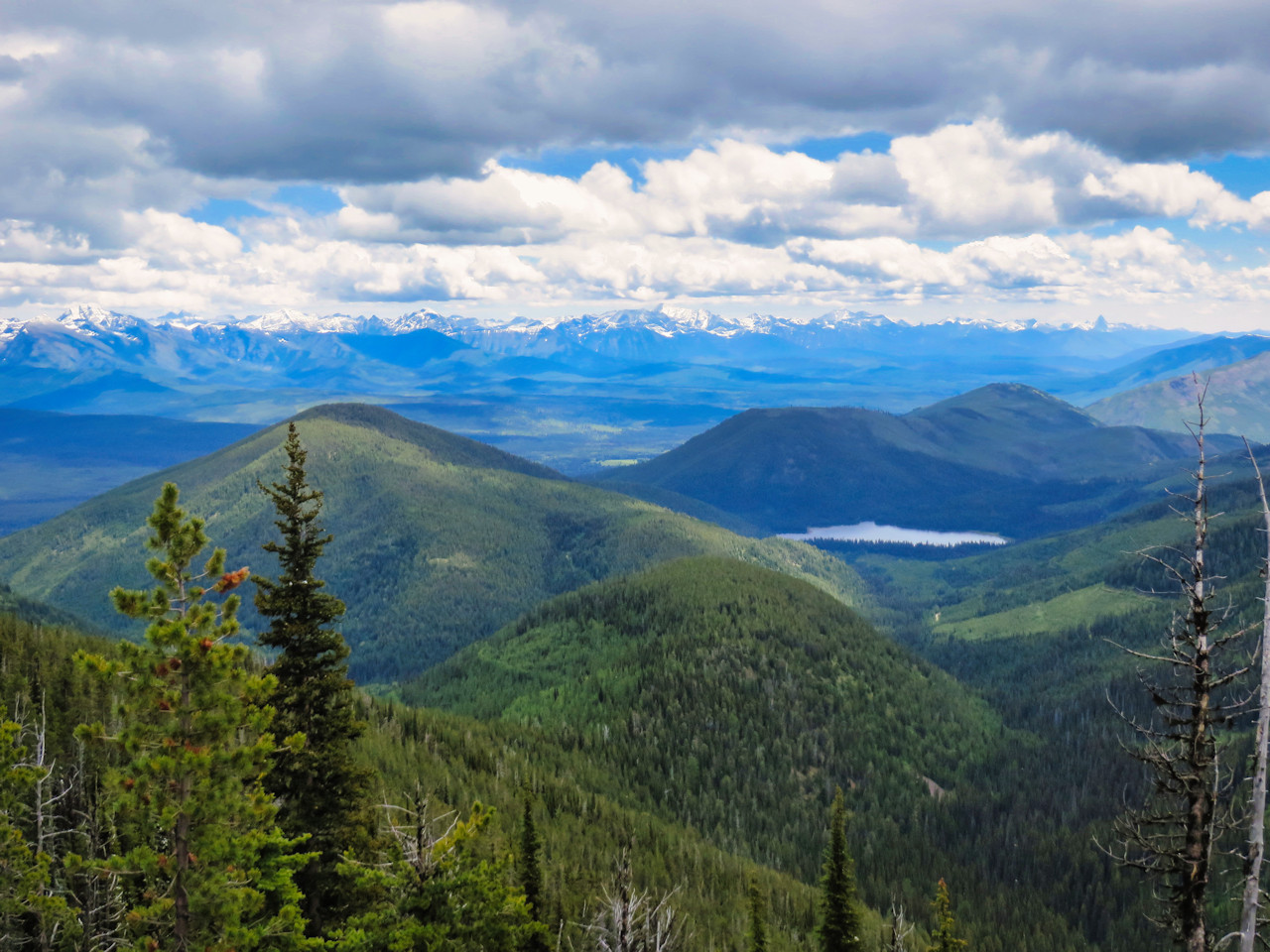
Three Types of Public Lands
Three types of public lands: Flathead National Forest is in the foreground, left and right; Montana’s Coal Creek State Forest, including Cyclone Lake, is in the middle distance; Glacier National Park stretches across the background.

Rep. Ryan Zinke Voted in favor of an ill-considered public lands-related bill and the MWA is pretty annoyed. Election year posturing is such a pain . . .

In a recent op-ed, Congressman Ryan Zinke called himself a “Teddy Roosevelt conservationist.” He based that self-characterization on a few votes he made against the transfer and sale of public lands and for the Land and Water Conservation Fund. But his vote today in the House Natural Resources Committee in favor of H.R 2316 (the Self-Sufficient Community Lands Act) is far from Rooseveltian. In fact, it’s a direct attack on the legacy Teddy left us – our National Forest lands.

Read more . . .

Larry Wilson: Welcome back to wolves, Diane

Larry Wilson had nice things to day about our own Diane Boyd, recently returned to local wolf research . . .

Long time North Forkers will remember the days when Diane Boyd and Mike Fairchild led the early wolf research on the North Fork. As I recall, they named that first wolf they captured, Kishanena. Probably they would be rich today if they had been paid by the mile for following wolf tracks on snowshoes, recording their observations. They documented locations and routes of wolves, where they made kills etc. and, of course, documented everything while living in the old Frank Clute homestead at Moose City.

Unfortunately, Mike died suddenly and way too young, leaving Diane to finish the project. I don’t remember how many years Diane worked on the North Fork, but it was a contentious time. Controversy surrounded the Wolf Recovery Project. Hunters were opposed to wolves, environmentalists were in favor. There was a big argument over whether the wolves were here naturally, dispersing from known populations in British Columbia, or had been planted by persons unknown—maybe even Fish and Game.

Folks never really understood that Diane and the entire Wolf Recovery Project were here to record the facts and report them so that management plans could be made.

Read more . . .

Frank Vitale: Bikes don’t belong in wilderness areas

NFPA member Frank Vitale’s op-ed in the Flathead Beacon has some pointed comments about mountain bikes in wilderness areas . . .

Mountain bikes should never be permitted in wilderness. Consider this potential scenario: A packstring is slowly making its way down through Gateway Gorge, coming off the bench from Sabido Cabin deep in the heart of the Bob Marshall Wilderness. The trail is steep, rocky and narrow and it’s a long way down to the creek bottom.

The wreck took place about half way through the gorge. Half the packstring went off the edge. Two mules went down in the bottom, floundering and flopping around with broken legs; packs and gear strewn all over; pack boxes smashed to bits. The packer luckily stayed on his mount and tried to keep the rest of the string together. It started almost instantly, with no time for the packer to even know what was happening as two mountain bikers came down from the top, hell-bent for leather, and came up from behind the packstring.

Could this really happen? You bet. This could have been a U.S. Forest Service packer, an outfitter, or a group of family and friends out on a week-long pack trip in the wilderness. Somebody could have been killed. Continue reading Frank Vitale: Bikes don’t belong in wilderness areas

116 conservation organizations, including NFPA, sign letter opposing bikes in wilderness

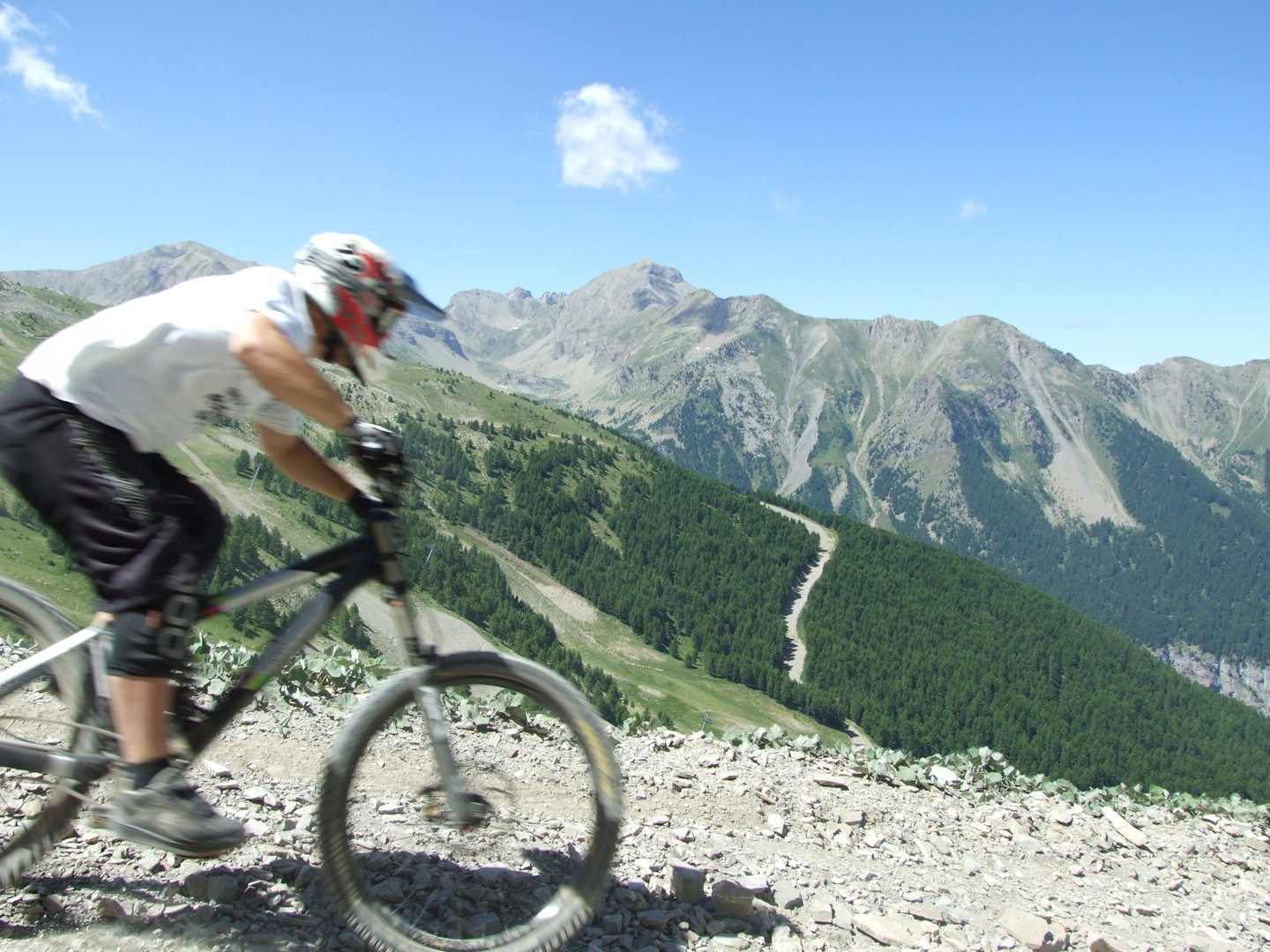
Mountain Biker by Mick Lissone

The NFPA joined a large group of other conservation organizations in signing on to a letter to congress opposing any change to the Wilderness Act that would permit bicycles in wilderness areas . . .

A legal change to allow bikes in federal wilderness hasn’t been introduced in Congress yet, but the issue already has advocates riled and rolling.

Last week, a coalition of conservation groups published a letter asking congressional delegations to “reject calls to amend the Wilderness Act to allow for the use of mountain bikes in designated Wilderness.” The coalition included Montana-based Wilderness Watch, Bitterroot Backcountry Horsemen of Montana and North Fork Preservation Association, among others.

They aimed their concern at proposed legislation drafted by a national mountain-biking group called Sustainable Trails Coalition, which also claims members in Montana. STC President Ted Stroll said the bill would move the decision about allowing bicycles in wilderness or proposed wilderness areas to the local forest supervisor level, instead of the national agency headquarters. It would also allow federal land managers to use mechanized and wheeled tools to maintain trails in federal wilderness.

Read more . . .

Letter: Keep bikes out of wilderness (PDF, 102KB)

Daniel Duane: The unnatural kingdom

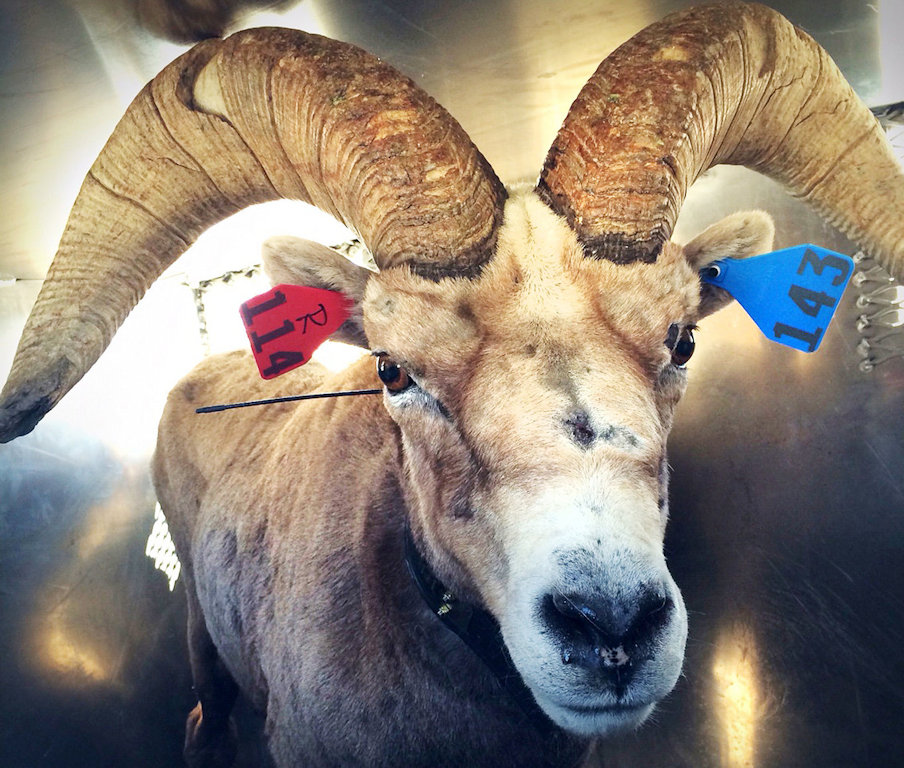
A bighorn relocated to the Cathedral Range of Yosemite National Park’s backcountry in March 2015 - Steve Bumgardner, Yosemite Conservancy – National Park Service
A bighorn relocated to the Cathedral Range of Yosemite National Park’s backcountry in March 2015 – Steve Bumgardner, Yosemite Conservancy – National Park Service

Here’s a long, fascinating op-ed from the New York Times describing the increasingly hi-tech techniques used to establish, maintain and monitor wildlife populations. Kudos to Walter Roberts for spotting this one . . .

If you ever have the good fortune to see a Sierra Nevada bighorn sheep, the experience might go like this: On a sunny morning in Yosemite National Park, you walk through alpine meadows and then up a ridge to the summit of Mount Gibbs at 12,764 feet above sea level. You unwrap a chocolate bar amid breathtaking views of mountain and desert and then you notice movement below.

Binoculars reveal three sturdy ewes perched on a wall of rock, accompanied by two lambs and a muscular ram. The sight fills you with awe and also with gratitude for the national parks, forests and, yes, environmental regulations that keep the American dream of wilderness alive.

Unless your binoculars are unusually powerful, you are unlikely to notice that many of those sheep wear collars manufactured by Lotek Wireless of Newmarket, Ontario. You will, therefore, remain unaware that GPS and satellite communications hardware affixed to those collars allows wildlife managers in distant air-conditioned rooms to track every move made by those sheep. Like similar equipment attached to California condors, pronghorn antelope, pythons, fruit bats, African wildebeest, white-tailed eagles, growling grass frogs, feral camels and countless other creatures, those collars are the only visible elements of the backlot infrastructure that now puts and keeps so many animals in the wild.

Read more . . .

Tim Lydon: Stop trying to make biking in wilderness happen. It’s not going to happen.

Mountain Biker by Mick Lissone

A pointed, well-written op-ed from the High Country News. Recommended reading . . .

I shouldn’t be writing this, and you shouldn’t be reading it. Far more pressing issues face our public lands. But a vocal minority is drudging up the long-resolved question of mountain biking in wilderness. They have even drafted a bill for somebody to introduce in Congress — the Human-Powered Wildlands Travel Management Act — that would open wilderness to biking. That means we have to pause and rehash the facts.

First, no legal argument supports biking in wilderness. Unambiguously, the 1964 Wilderness Act states there shall be no “form of mechanical transport” in wilderness areas. The discussion should end there, but a few claim that “mechanical transport” somehow does not include bicycles. They allege that the law unintentionally excluded an activity that emerged after it was enacted. Or they tout an early Forest Service misinterpretation of the law, which initially allowed bicycles in wilderness but was corrected over 30 years ago.

The arguments have no legal merit. Worse, they ignore the historical context and foresight of the Wilderness Act, one of our foundational environmental laws. In doing so, they distract people from truly understanding our public lands. That’s not good for people or the land.

Read more . . .

Brian Sybert: The antidote to anti-public lands extremism: Finding common ground and working together

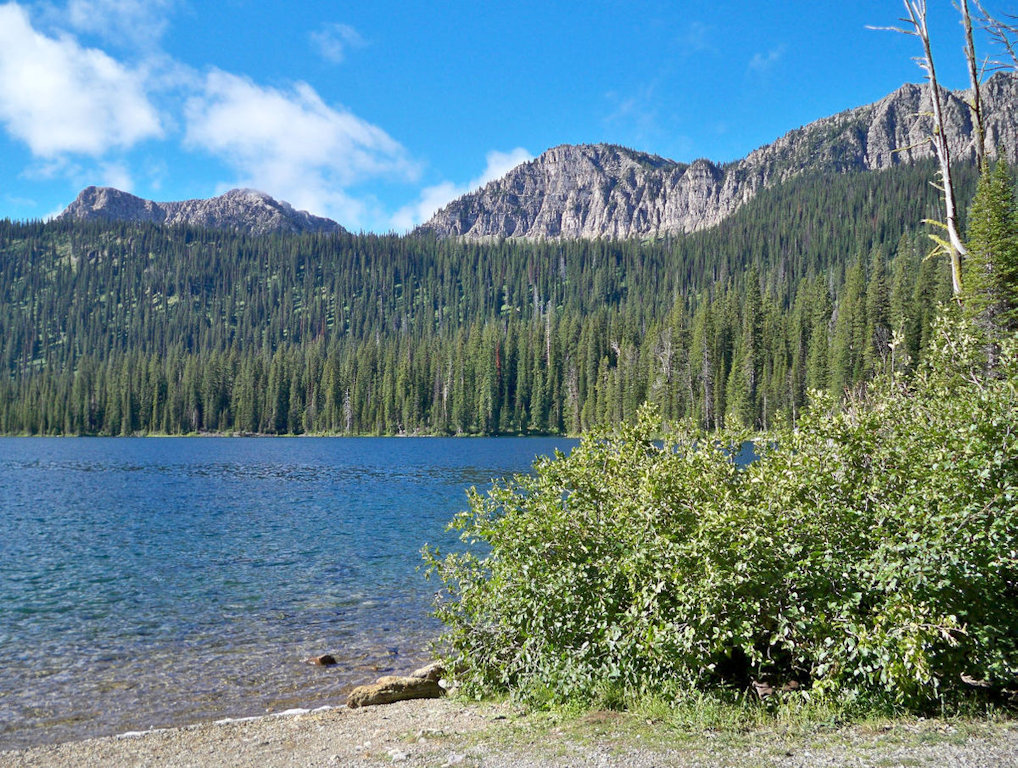
Big Therriault Lake - Kootenai National Forest
Big Therriault Lake – Kootenai National Forest

Here’s a pretty straightforward op-ed from the MWA’s Brian Sybert on public lands issues and the importance of working together to address them . . .

It’s been near impossible to miss the headlines about armed extremists and radical politicians trying to destroy our national public lands legacy. From Washington, D.C., to the Malheur National Wildlife Refuge, selfishness and delusional interpretations of the U.S Constitution have come together in support of a disastrous agenda aimed squarely at one thing: taking national public lands away from the American people.

But neither the armed militants at Malheur nor the suit-clad lands transfer zealots in Utah and D.C. have anticipated how much the American people, Westerners in particular, value public lands. In January, Colorado College released its sixth-annual bipartisan Conservation in the West Poll, showing that Western voters, including Montanans, see American public lands as integral to our economy and way of life and overwhelmingly oppose efforts to weaken and seize those lands.

The poll also revealed that Westerners strongly support people working together to find common-ground solutions to public land challenges, and herein lies the antidote to the toxic anti-public lands agenda represented by the likes of the Bundy gang and the American Lands Council. Community-driven collaboratives not only result in the protection of wild places, the creation of new jobs and the advancement of our public lands legacy, they also nourish our nation’s democracy.

Read more . . .

News bites from here and there

Debo Powers passed along these interesting items from our corner of the country . . .

Here is a blog from Sally Cathey, MWA field director for southwest Montana, calling for public comments on the Beaverhead-Deerlodge Forest Plan.

Keep the Quiet

And here is an article about a nonviolent protest that really worked! It reminds me of how John Frederick bought stock in a Canadian mine in the North Fork and went to the stockholder’s meeting to speak against the mine. This is creativity in action!

Auction of Utah oil & gas leases spurs author Terry Tempest Williams to (legally) buy lease

Molly Absalon: What is sacred to some is just fun for others

Hiking in GNP

Debo Powers passed along the following op-ed saying, “This is a beautiful article about wilderness written by a mountain biker who has realized that some places need to remain wild.”

Excellent essay. Recommended reading . . .

I grew up in the era of nature writers. In college I took a class called “Wilderness and the American Mind.” Most of my early exposure to wild lands took place on long, grueling backpacking trips during which we trudged for hours under heavy loads to reach magical places far from the madding crowd.

Wilderness served as my church. I found solace and inspiration sitting by an alpine lake, listening to the gentle lap of water on the rocks, watching the sky shift from cornflower blue to pink to purple as the sun sank behind the peaks.

But my relationship with wilderness shifted as my life changed. I found it harder to make the extended trips necessary to reach truly wild places. I grew weary of carrying heavy packs and opted instead for light, fast trips. My mountain bike became my preferred mode of transportation. That or a packraft. Somehow, without me noticing it, I began to view wild places as a place for recreation, a playground rather than a church.

Read more . . .

Partnerships working for the Kootenai

Big Therriault Lake - Kootenai National Forest
Big Therriault Lake – Kootenai National Forest

Our neighbors in the Kootenai Forest Stakeholders Coalition have an interesting guest column in this week’s Flathead Beacon talking about their cooperative efforts to work for the benefit of the Kootenai National Forest . . .

Open the newspaper or start a conversation about the Kootenai National Forest and one topic is sure to come up: Lawsuits.

Frankly, this theme can be heard wherever there is a national forest. People often feel frustrated that lawyers and judges trump local professional land managers.

In the Kootenai Forest Stakeholders Coalition, we are waist-deep in forward-thinking efforts to restore our national forest lands, supporting our communities economically while protecting diverse recreation, wildlife and wilderness values. We share public frustration, but aren’t content to sit on our hands and complain.

Read more . . .