Category Archives: Environmental Issues

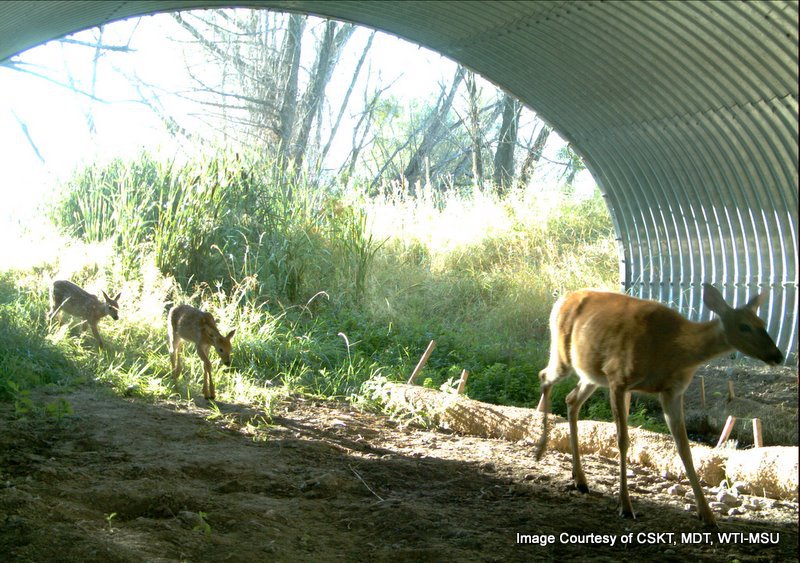
How does the wildlife cross the road?

Wildlife underpass, US-93 in Montana

Kudos to Roger Sullivan for spotting this one. It is the first of a three-part series . . .

During a Nov. 17 hearing, Martha Williams answered dozens of questions you’d expect an incoming director of the U.S. Fish and Wildlife Service to field from the Congressional committee considering her nomination. After she spoke about a life “steeped in conservation,” the Maryland farm she grew up on and lessons she learned at the helm of Montana’s Fish, Wildlife and Parks Department, members of the Senate Environment and Public Works Committee grilled Williams about climate change, hunting on wildlife refuges and the USFWS-administered Endangered Species Act.

Then committee chair Tom Carper, D-Delaware, presented her with an unexpected question: How had Williams’ experience with wildlife crossings in Montana prepared her to help implement a $350 million federal pilot program that aims to reduce wildlife-vehicle collisions and increase habitat connectivity?

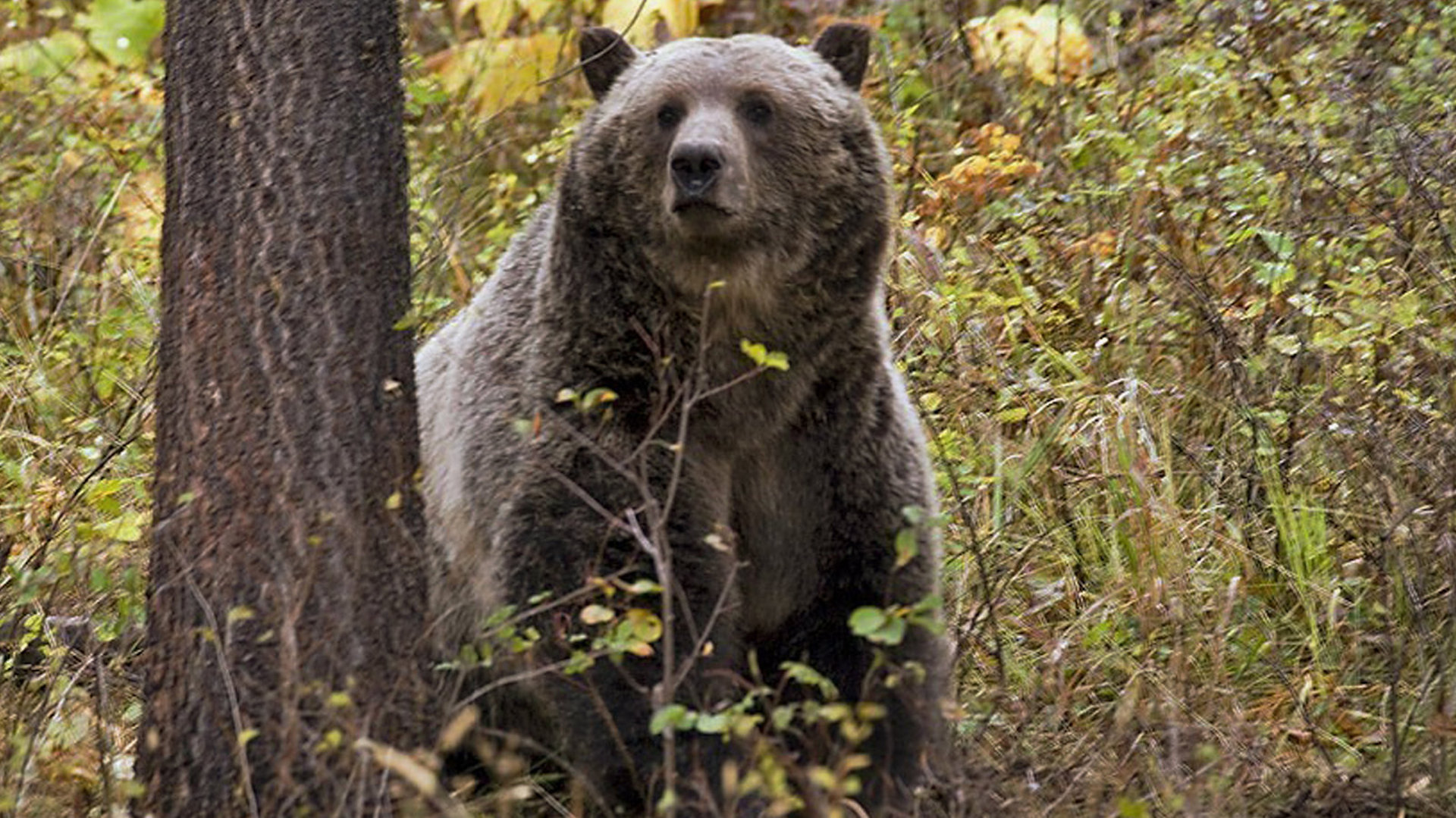
Williams described the program, which was included in the $1.2 trillion infrastructure package Congress passed Nov. 5, as “a big moment … a long time coming.” Adding some levity to the conversation, she described a video of a person sleeping in a wildlife underpass on the Flathead Reservation, oblivious to a grizzly bear sauntering by. Then she circled back to the intersection of transportation and wildlife conservation.

Continue reading . . .

Grizzly settles in south of I-90

Sow grizzly bear spotted near Camas in northwestern Montana. - Montana FWPHere’s another good story from the recent meeting of the Northern Continental Divide Ecosystem grizzly bear subcommittee. Of special note is that the bear managed, with considerable effort, to make it past Interstate 90, a substantial barrier to animal migration . . .

Slowly, but surely, grizzly bears continue to expand their range in Montana. Perhaps the most interesting find has been a male grizzly bear that moved south of Interstate 90 in the past year or so and now has a home range near Deer Lodge, outside of Butte.

The bear was radio-collared after getting into trouble with chickens, but has pretty much stayed out of trouble since, noted Montana Fish Wildlife and Parks biologist Cecily Costello at a meeting earlier this month of the Northern Continental Divide Ecosystem grizzly bear subcommittee. The bi-annual meeting brings bear managers and land management agencies to discuss all things grizzly.

According to radio-collared data, the grizzly made multiple attempts to cross Interstate 90. She said they believe the bear finally actually went under the highway, where a bridge goes over the Clark Fork River. That passage also allowed the grizzly to go under railroad tracks that parallel the highway as well.

Continue reading . . .

Solenex sues Interior over Badger-Two Medicine ruling

The sun sets over the Badger-Two Medicine area near Browning in March 2016 - AP
The sun sets over the Badger-Two Medicine area near Browning in March 2016 – AP

They’re baaack! . . .

Attorneys for a Louisiana oil and gas company have asked a federal judge to reinstate a drilling lease it held on land considered sacred to Native American tribes in the U.S. and Canada.

The long-disputed energy lease in the Badger-Two Medicine area of northwestern Montana near the Blackfeet Reservation was cancelled in 2016 under then-U.S. Interior Secretary Sally Jewell. That decision was upheld by a federal appeals court last year.

Now Solenex LLC — the company that held the lease — is making another run at getting a court to restore its drilling rights. In court documents filed Thursday in a lawsuit against the Interior Department, its attorneys argued that Jewell exceeded her authority and the lease should be reinstated.

Continue reading . . .

Griz caught in coyote trap & other tales

Grizzly Bear - Montana FWPMontana grizzly bear managers had a lot to discuss and many stories to tell . . .

Bear managers across the state relayed plenty of grizzly bear stories during the Northern Continental Divide Grizzly Bear Ecosystem Subcommittee meeting earlier this month.

Region 2 bear specialist Jamie Jonkel spoke briefly about the fatality this summer of a bicyclist who was camping in Ovando and was killed by a grizzly bear that came into town.

Leah Davis Lokan, 65, of Chico, California, was killed when a bear attacked her in her tent . . .

Continue reading . . .

52 known grizzly deaths noted in northern Montana

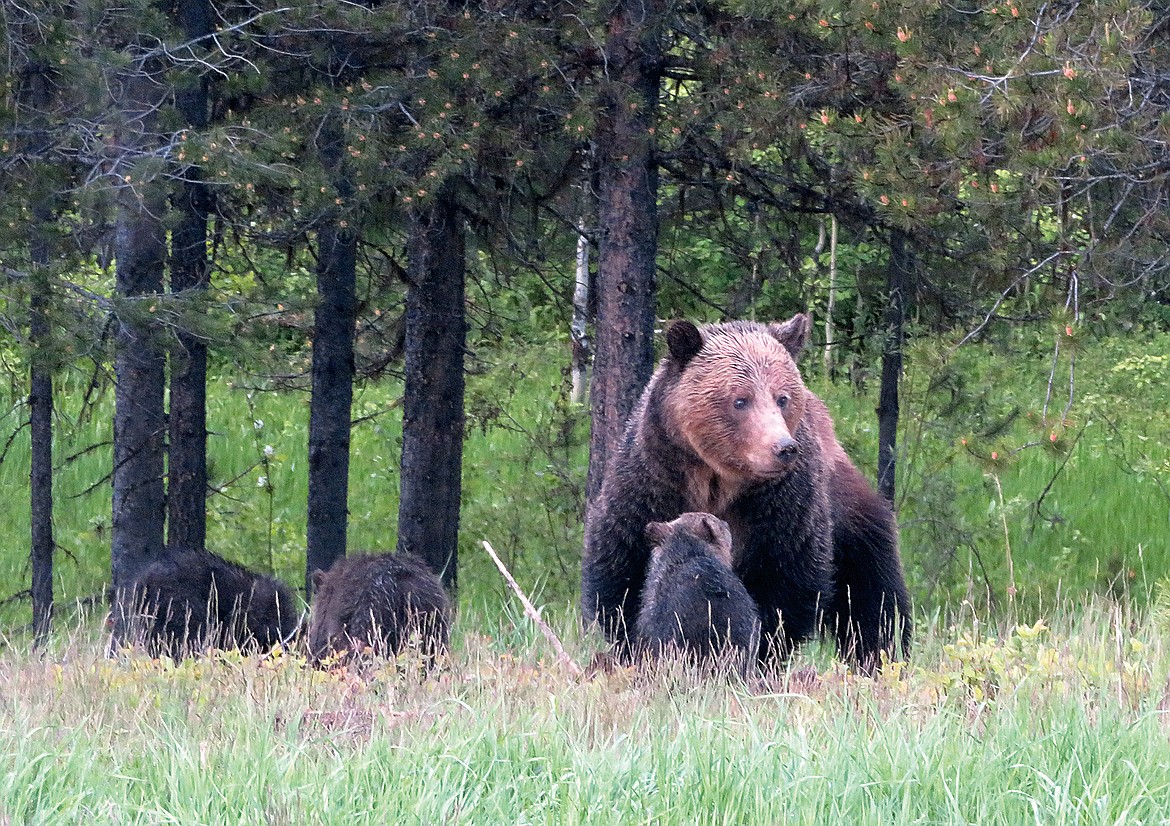
Monica with three cubs, June 8, 2020 – W. K. Walker

This year’s grizzly death toll includes Monica and her cubs but, surprisingly, no railroad fatalities . . .

The region saw 42 known grizzly bears deaths in the Northern Continental Divide ecosystem, with an additional 10 deaths outside of what’s known as the demographic monitoring area, Cecily Costello, research wildlife biologist with Montana, Fish Wildlife and Parks reported recently.

The numbers are preliminary and could go up.

Costello said the bear mortalities are still well below thresholds of sustainability for the demographic area.

Continue reading  . . .

Rare Rocky Mountain stoneflies will need snowfields to survive

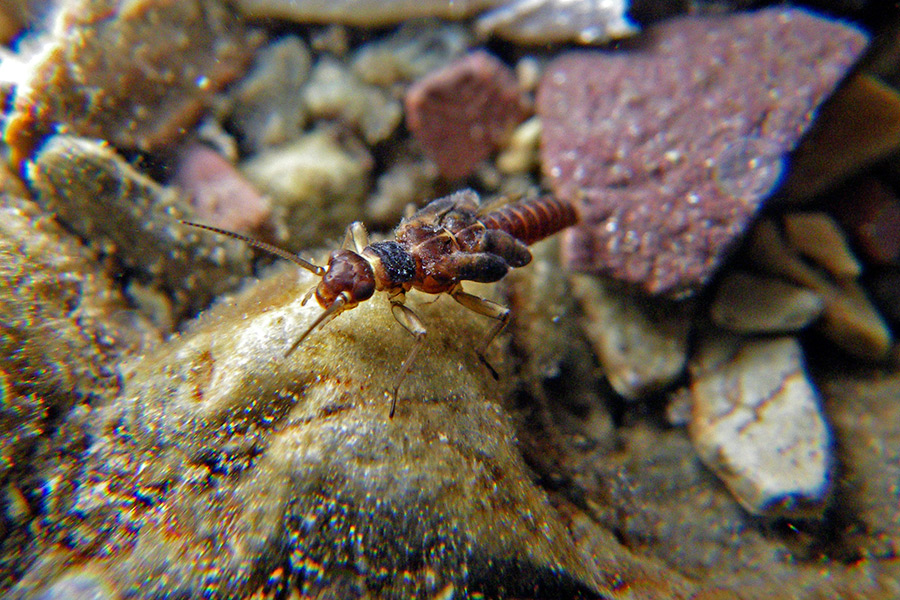
Meltwater Lednian Stonefly larva - USGS
Meltwater Lednian Stonefly larva – USGS

There have also been stonefly studies here on the North Fork . . .

Federal wildlife officials say two species of winged insects in the Rocky Mountains will need several thousand acres of glaciers and snowfields if they are to survive a warming world that’s threatening them with extinction.

The western glacier stonefly and the meltwater lednian stonefly live in streams that flow from melting glaciers and snowfields. Scientists say the insects are not doing well and face continued declines, including losing 80 percent of their habitat in Glacier National Park by 2030.

The stoneflies’ peril underscores the threat climate change poses to mountaintops worldwide that are “biodiversity hotspots” — home to a rich variety of plants, animals and insects that scientists are still learning about.

Continue reading . . .

Tim Manley, trailblazing grizzly conflict specialist, to retire

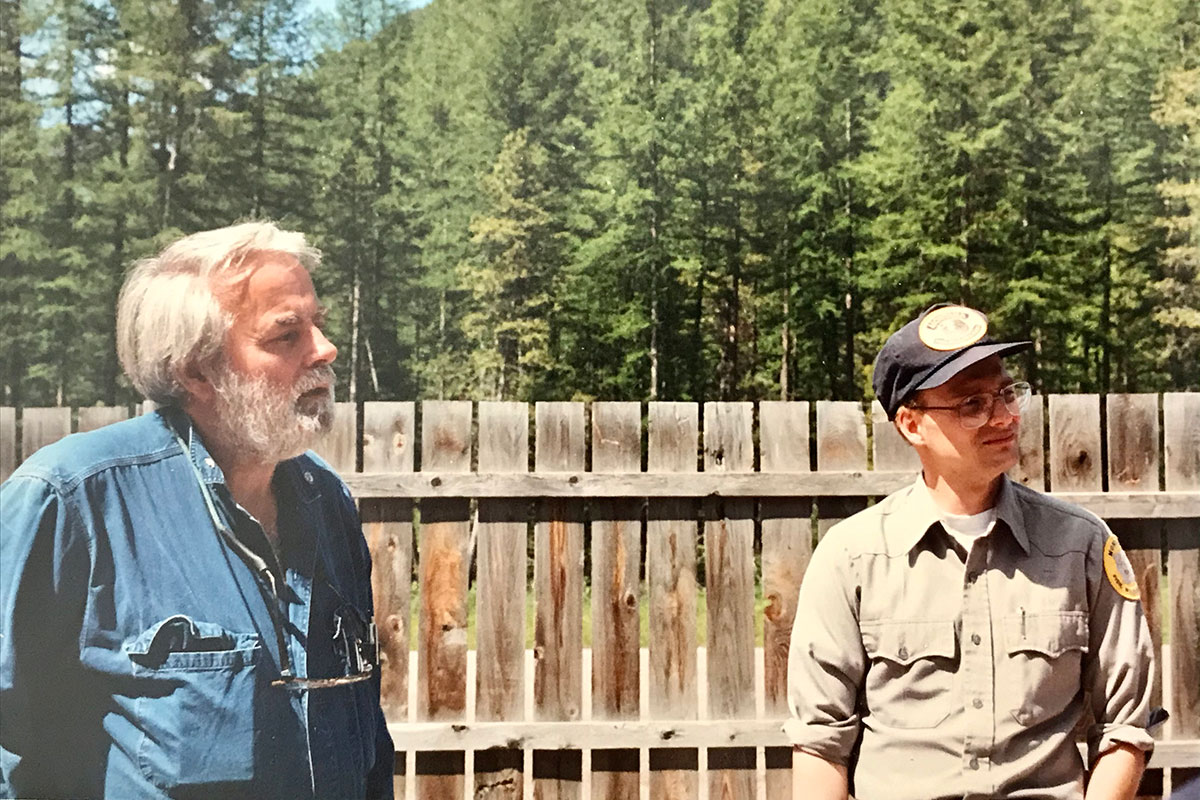
Pioneering bear biologist Chuck Jonkel, left, with Tim Manley in 1994 near Essex - Montana FWPHere’s an excellent article about Tim Manley. Unlike several others this week, this one, by Tristan Scott of the Flathead Beacon, is not hiding behind a paywall . . .

When renowned grizzly bear biologist Tim Manley began his role as Montana Fish, Wildlife and Parks’ (FWP) Grizzly Bear Management Specialist for Northwest Montana, a position he’s held since 1993, the work was funded by BNSF Railway, which faced legal mandates requiring the company to mitigate grizzly bear mortality due to its railroad operations in the region — grain spills, for example, were a lethal temptation for grizzlies browsing food sources along the Middle Fork Flathead River corridor.

Today, the human-wildlife interface is so expansive that points of conflict emerge much closer to home — quite literally in our backyards — but they’re more often the result of bird feeders, barbecue residue, chicken coops, garbage cans, and other unsecured attractants than industrial mishaps such as train derailments.

After a celebrated 37-year career with FWP, Manley recently announced his plan to retire, but it’s not for a lack of grizzly bear work to keep him busy. In fact, it’s quite the opposite, with more bears and people roaming the same landscape than ever before.

Continue reading . . .

Glacier Park lynx survey complete; data analysis begins

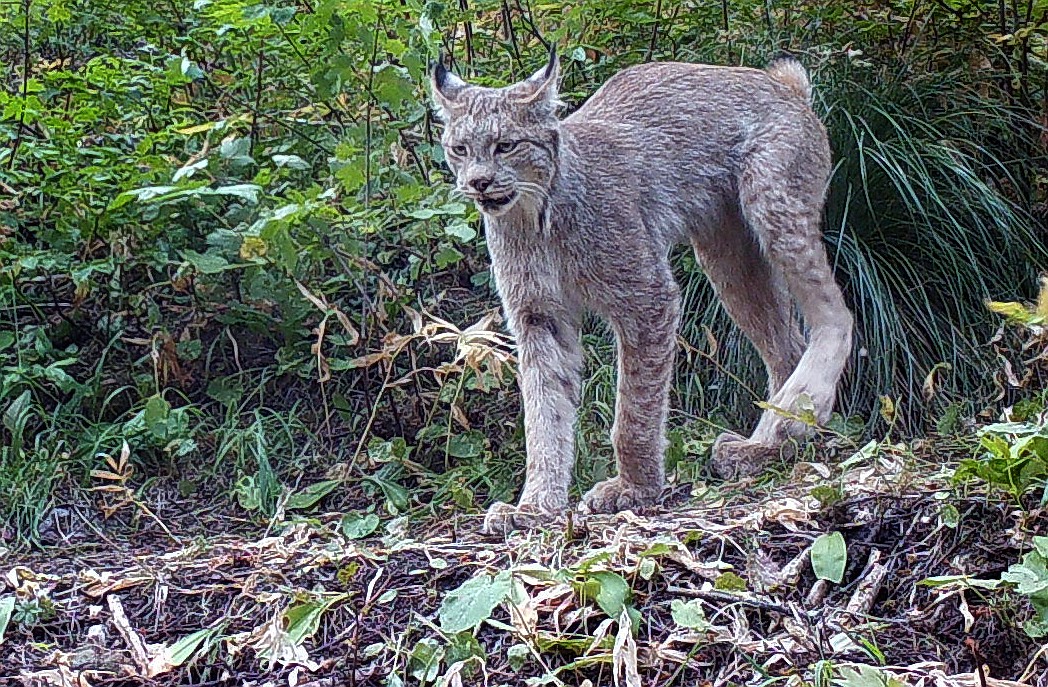
An image of a lynx captured by a trail camera during a three-year population survey recently completed by researches in Glacier National ParkA three-year Glacier Park lynx population survey just finished up and researchers are now looking at what the data tells them . . .

Like fur-covered ghosts they silently stalk the forests of Glacier National Park.

Little is known about the population of Canada Lynx — rarely glimpsed by visitors — that make the Crown of the Continent their home, but a recently completed three-year scientific study is hoping to change that.

The first-ever comprehensive lynx population survey in the park, funded by the Glacier National Park Conservancy and conducted in collaboration with Alissa Anderson, John Waller and Dr. Dan Thornton, hopes to finally shed light on mysterious feline’s population densities and preferred habitat inside Glacier National Park…

Continue reading . . .

Montana seeks grizzly delisting

Grizzly Bear - Montana FWP
Grizzly Bear – Montana FWP

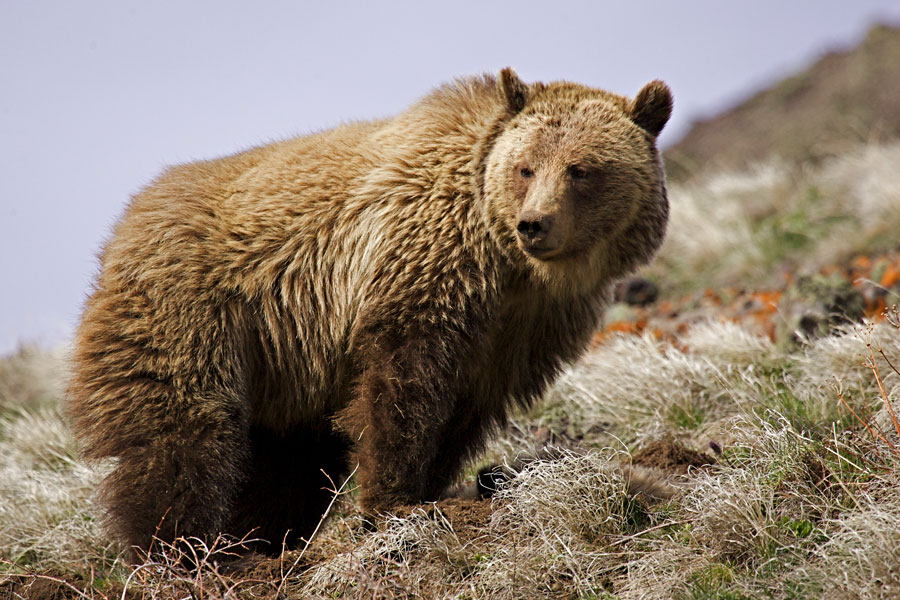
Oh, cripes. He we go again. Montana Governor Greg Gianforte wants the U.S. Fish and Wildlife Service to remove the region’s grizzly bears from the endangered species list. Three articles are linked here, leading with one from Montana Free Press that seems the most complete . . .

Gov. Greg Gianforte’s office announced today that the state is petitioning the U.S. Fish and Wildlife Service to remove Endangered Species Act protections for grizzly bears in the Northern Continental Divide Ecosystem, citing robust population counts and touting the state’s ability to independently manage Montana’s grizzly bears, which have been federally protected since 1975.

“We worked on grizzly bear recovery for decades. We were successful and switched to a focus on conflict management years ago,” FWP Director Hank Worsech said in a release about the petition, which seeks to remove federal protections for an estimated 1,100 grizzlies in western Montana. “We’ve shown the ability to manage bears, protect their habitat and population numbers. It’s time for us to have full authority for grizzly bears in Montana.”

Continue reading . . .

Also read:
    Montana Seeks to End Protections for Glacier-area Grizzlies
   Gianforte petitions for grizzly delisting

Glacier National Park: Mapping Threats to Wilderness Character

Mountain edge in foreground (Tinkham Mountain) with glacier in background (Pumpelly Glacier) - Glacier NP, Jacob W. Frank
Mountain edge in foreground (Tinkham Mountain) with glacier in background (Pumpelly Glacier) – Glacier NP, Jacob W. Frank

OK. this is pretty impressive. Below is the lead-in to an excellent story by the Missoulian’s inimitable Rob Chaney about a mapping study just completed by Brad Blickhan and Jillian McKenna concerning the wilderness character of Glacier National Park. If you can’t get past the newspaper’s paywall, just jump straight to the study’s immersive web page. You won’t regret it . . .

Two things about Glacier National Park might seem obvious but aren’t. First, for all its million wild acres of peaks and lakes, Glacier is not legally wilderness. And second, for all the satellites, traffic counters, lidar scanners and other gizmos monitoring activity in the park, we don’t have a good measuring stick showing how its wild qualities have changed over time…

Which brings us to that measuring stick and Brad Blickhan, Glacier’s wilderness and wild and scenic river corridor manager. Blickhan and colleague Jillian McKenna spent much of last year developing a “wilderness character” analysis of the park…

Read more . . .