Category Archives: Environmental Issues

Mountain lions fear humans, fleeing their voices

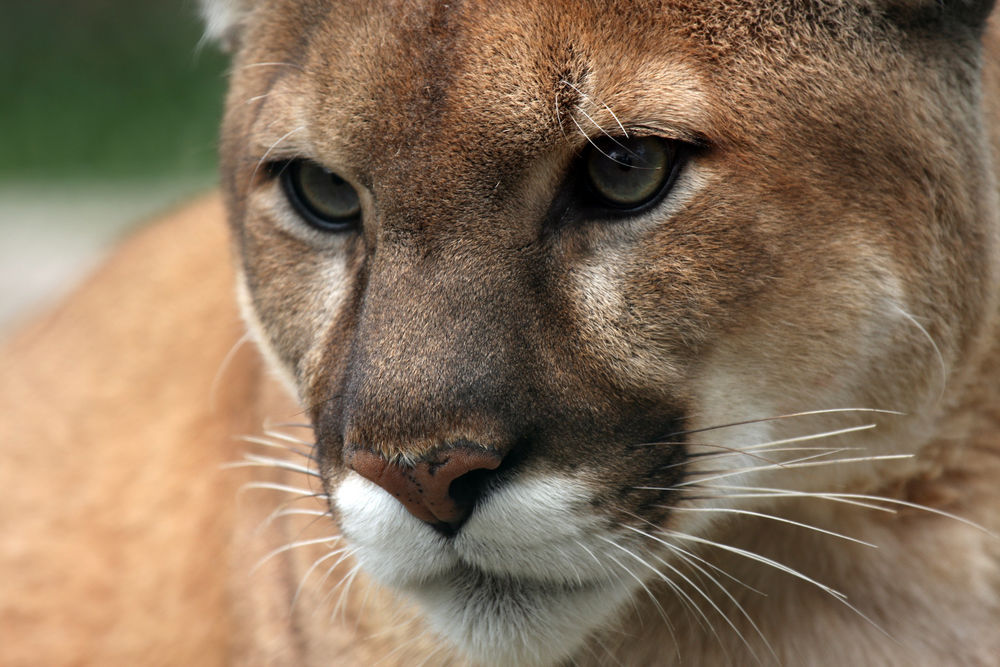
Mountain Lion (Cougar) - Montana FWP
Mountain Lion (Cougar) – Montana FWP

Here’s some interesting research on mountain lion-human interaction. Mountain lions, it seems, aren’t just elusive, they actively avoid contact with humans. It’s almost insulting . . .

“Fraidy cat” isn’t the way most people think of mountain lions, but when it comes to encounters with humans, perhaps they should.

New research into the behavior of these big cats indicates that they don’t like encountering humans any more than we like bumping into them on hiking trails. The findings are particularly valuable as human development encroaches on lion habitat and drives up the number of human-puma encounters.

“We exposed pumas in the Santa Cruz mountains to the sound of human voices to see if they would react with fear and flee, and the results were striking: They were definitely afraid of humans,” said Justine Smith, lead author of the paper “Fear of the human ‘super predator’ reduces feeding time in large carnivores,” published in the June 21 online edition of the Proceedings of the Royal Society B.
Read more . . .

Grizzlies’ presence a looming issue on Rocky Mountain Front

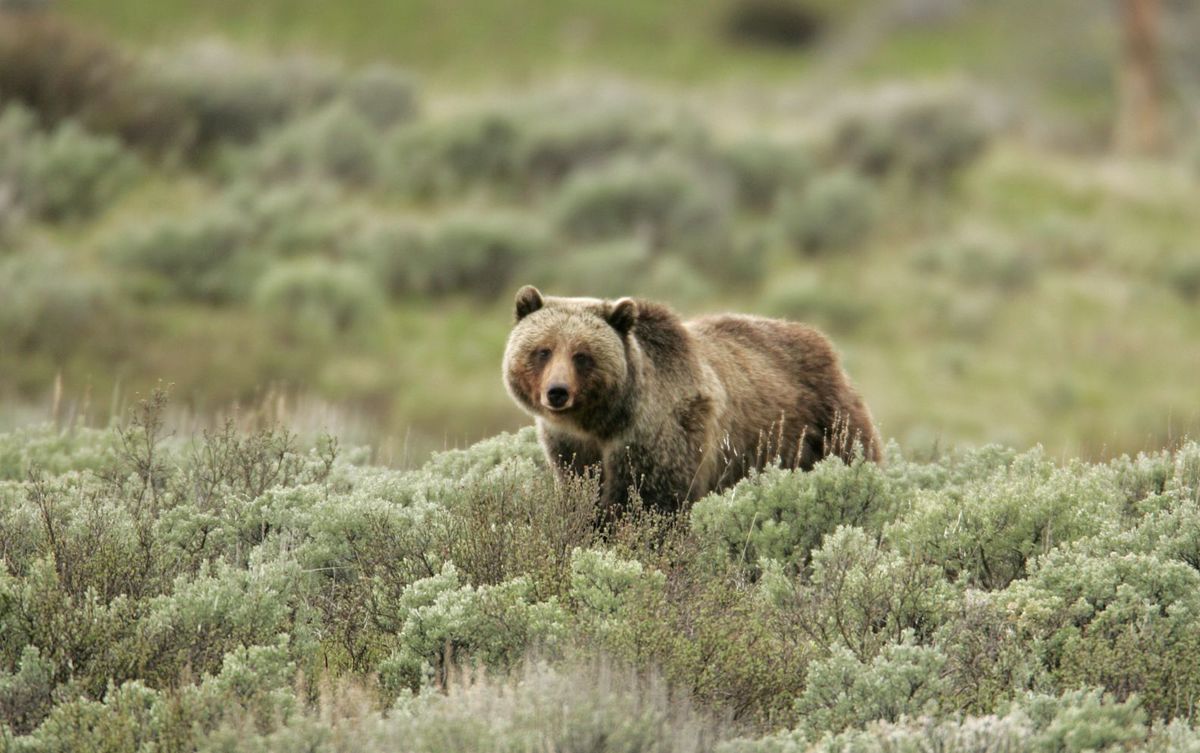
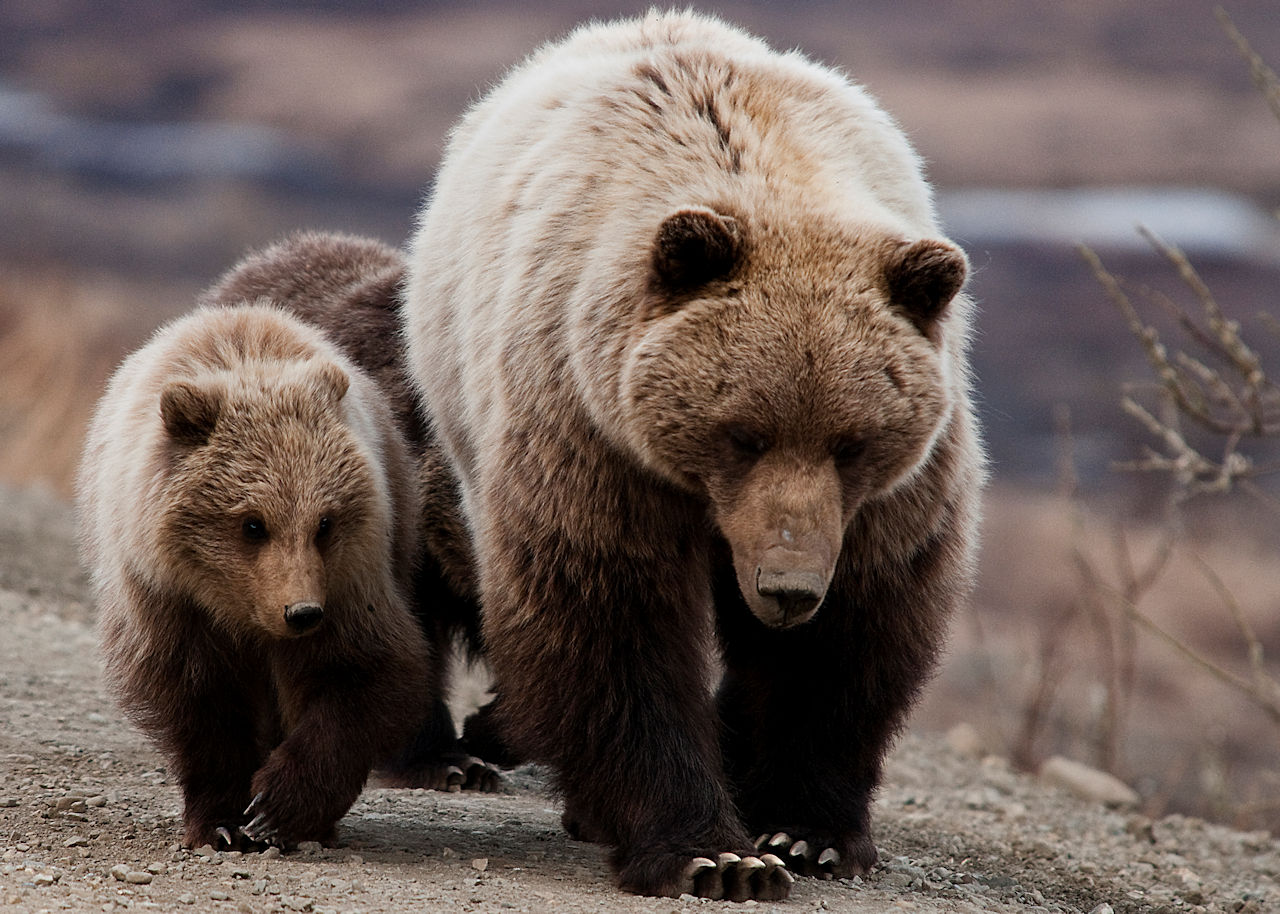
Grizzly Bear Sow and cubs - NPS photo, Tim Rains
Grizzly Bear Sow and cubs – NPS photo, Tim Rains

Issues arise as grizzly bears spread out into their historic range in the high plains . . .

If and when they lose federal protection, grizzly bears on the Rocky Mountain Front face an uncertain future.

The questions puzzling members at the Interagency Grizzly Bear Committee’s summer meeting went far beyond whether to have a hunting season. Although grizzlies in the Northern Continental Divide Ecosystem remain two or three years away from potential removal from Endangered Species Act oversight, residents in and around Choteau made it clear the bears’ presence was already an issue.

“We’re having more and more issues with grizzlies moving into territory they haven’t occupied for quite some time,” Valier rancher Gene Curry said during a panel discussion on future bear management. “I grew up west of Browning, and grizzly bears never entered anyone’s mind. I used to be on my hands and knees crawling through brush to get to fishing holes. Now when my grandchildren go out to catch their horses in the morning, they have to think about grizzly bears. I had five of them in the yard one morning.”

Read more . . .

Glacier’s headwaters: Water tower to our continent

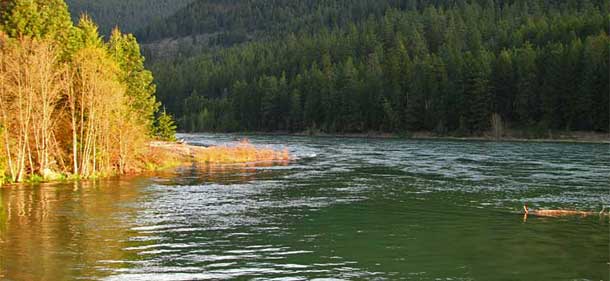
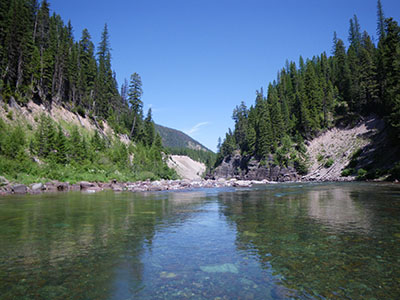
North Fork of the Flathead River - ©Mark LaRowe
North Fork of the Flathead River – ©Mark LaRowe

A few days ago, the National Parks Conservation Association released their Summer 2017 Field Report for the Northern Rockies. In it was an article by Michael Jamison, Crown of the Continent Program Manager, that is highly relevant to the North Fork, as well as any other region downstream of the Canadian Rockies. By permission of the author, it is reprinted here in its entirety . . .

People tend to think Glacier National Park is all about mountains.

And people are wrong.

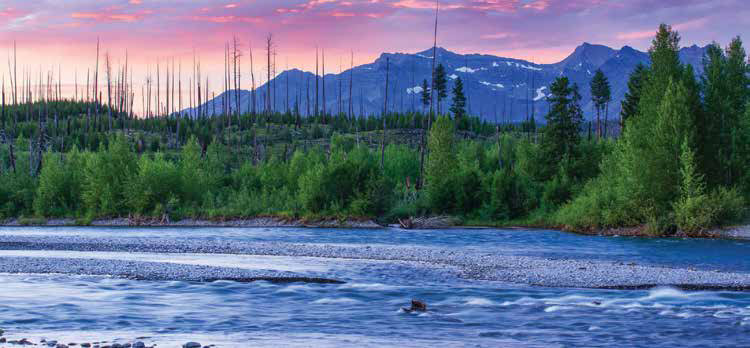
Glacier is also about water: icy cold water rushing clean and clear across gravel and stone; whitewater plunging over cliff-band falls; sky-blue water eddying into lakes set like sapphires into the deep green of wilderness.

From the summit of the park’s Triple Divide Peak, meltwater flows west to the Pacific, east to the Atlantic, north to the Arctic by way of Hudson Bay. Glacier is water tower to a continent, spiked by peaks sharpened on a grindstone of Pleistocene ice.

I recently flew north out of Glacier, over a long slice of Alaska—another place branded by its mountains. Chugach. Wrangell-St. Elias. The Aleutians and Brooks and Chilkats.

But Alaska, like Glacier, is not really about mountains.

What I saw unfolding below was, again, a wild country defined by water: an endless winding coastline; miles of muskeg pooling like quicksilver; rivers washing the feet of mountains, slicing tundra and stone, spilling sediment braids into an ocean the color of steel.

Montana and Alaska are alike in this way. They also share a common headwater: British Columbia.

Continue reading Glacier’s headwaters: Water tower to our continent →

Mine effluent water treatment failure in B.C. raises more downstream concerns

Kootenai River
Kootenai River

Yet another object lesson on why it is so important to protect the transboundary Flathead Watershed . . .

As British Columbia’s downstream neighbor, Montana has long been concerned about mining pollution spilling across the international border and into its world-class watersheds — fears that a growing body of research and evidence confirms are well founded.

Most recently, conservation groups and scientists on both sides of the border have renewed their calls for Teck Resources to halt new coal mines in the Elk River Valley, a step they say gained urgency when an experimental water treatment facility designed to stem the flow of a mining contaminant called selenium was taken offline because it was releasing an even more biologically toxic form of the heavy metal.

The trouble brewing in the Elk River is equally worrisome for Montana, where the upstream waterways of British Columbia flow into two shared bodies of water straddling the international boundary — Lake Koocanusa and the Kootenai River.

Read more . . .

Cliff swallows return to Polebridge; mosquitoes disappear

Cliff Swallow

The Missoulian posted a nice article about Polebridge’s burgeoning cliff swallow population . . .

A building boom has hit the North Fork of the Flathead, and for once, the neighbors are celebrating.

“They’re building a town right in our town,” Polebridge Merc owner Will Hammerquist said of the colony of cliff swallows that has claimed eminent domain on the eaves of his solar barn. “They arrived about two weeks ago. And do you see any bugs? Look at what they’ve done to the mosquitoes.”

Indeed, Polebridge feels remarkably bug-free compared to the forests of Glacier National Park just minutes to the west. The tiny birds feed on flying insects. What appear to be drunkenly random flight paths actually trace life-and-death pursuits of food on the wing.

Read more . . .

Grizzly committee works on outreach as bear sightings spread

Grizzly Bear - courtesy NPS
Grizzly Bear – courtesy NPS

As the grizzly bear population rises, the bears spread into more of their historic range . . .

A probable grizzly bear sighting just over the edge of the Missoula Valley highlights the theme of this week’s Interagency Grizzly Committee meeting in Choteau: People get ready.

“We’ve done such a good job with the recovery, the public needs to understand what’s happening and how they can be safe in where they live,” IGBC spokesman Gregg Losinski said on Friday. “There are challenges because we’re not doing recovery anymore — we’re doing management.”

Since getting federal protection under the Endangered Species Act in 1975, grizzly bears now number nearly 2,000 in the continental United States. Most of those are concentrated in the Greater Yellowstone Ecosystem around Yellowstone National Park (about 700 grizzlies) and the Northern Continental Divide Ecosystem between Missoula and Glacier National Park (about 1,000 grizzlies).

Read more . . .

Secretary Zinke suggests trimming Bears Ears National Monument

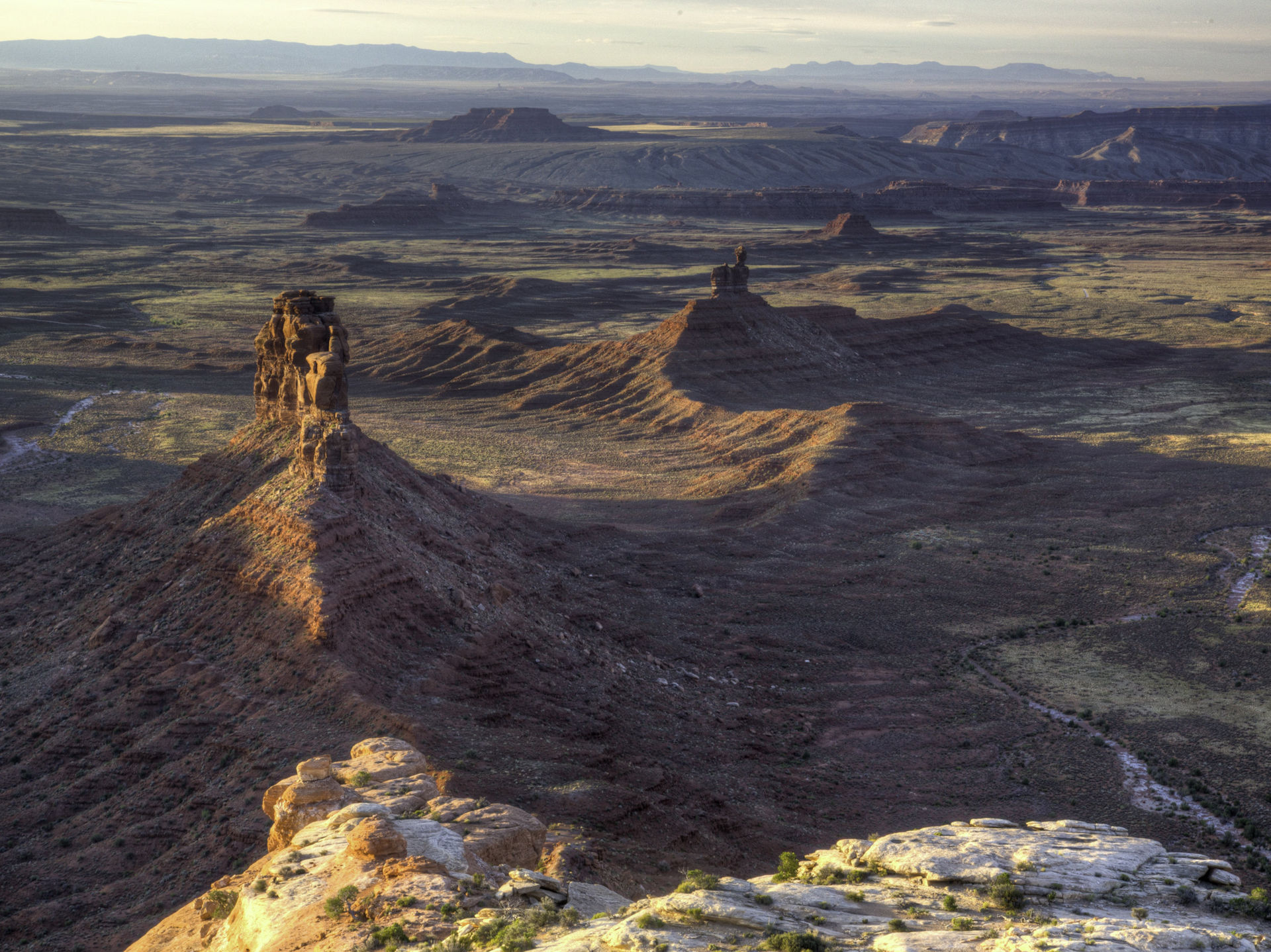
Bears Ears National Monument - Bob Wick, BLM-Flickr
Bears Ears National Monument – At 1.35 million acres, it is among the largest national monuments in the country – Bob Wick, BLM-Flickr

In case you’ve been hiding under a rock this week, here’s a pretty good write-up on the potential proposal to reduce the size of the Bears Ears National Monument . . .

Interior Secretary Ryan Zinke on Monday recommended that the new Bears Ears National Monument in Utah be reduced in size and said Congress should step in to designate how selected areas of the 1.3 million-acre site are managed.

Zinke made the recommendation as part of an interim report to President Donald Trump on the scenic swath of southern Utah with red rock plateaus, cliffs and canyons on land considered sacred to tribes.

Trump signed an executive order in April directing Zinke to review the designation of dozens of national monuments on federal lands, calling the protection efforts “a massive federal land grab” by previous administrations.

Read more . . .

Next step in forest plan revision delayed

Lake in Flathead National Forest

The Flathead National Forest’s schedule for their new forest management plan has slipped a bit . . .

The next step in the years-long effort to develop a revised management plan for the Flathead National Forest, originally expected this month, won’t be rolled out until late August at the earliest.

Joe Krueger is leading the team to develop the 2.4 million-acre forest’s first management plan overhaul in the last 30 years. He said Friday the expected June release of the final environmental impact statement has been pushed back two months due to a combination of factors, including the need to coordinate extensively with the U.S. Fish and Wildlife Service and the Washington, D.C. headquarters of the U.S. Forest Service.

“The time-frames take longer when you’re dealing with 33,000 comments, and we’re trying to keep it as accurate as possible,” Krueger said, adding that he’s also been diverted by several broad public-records requests submitted under the Freedom of Information Act.

Read more . . .

Montana to change how it counts wolves

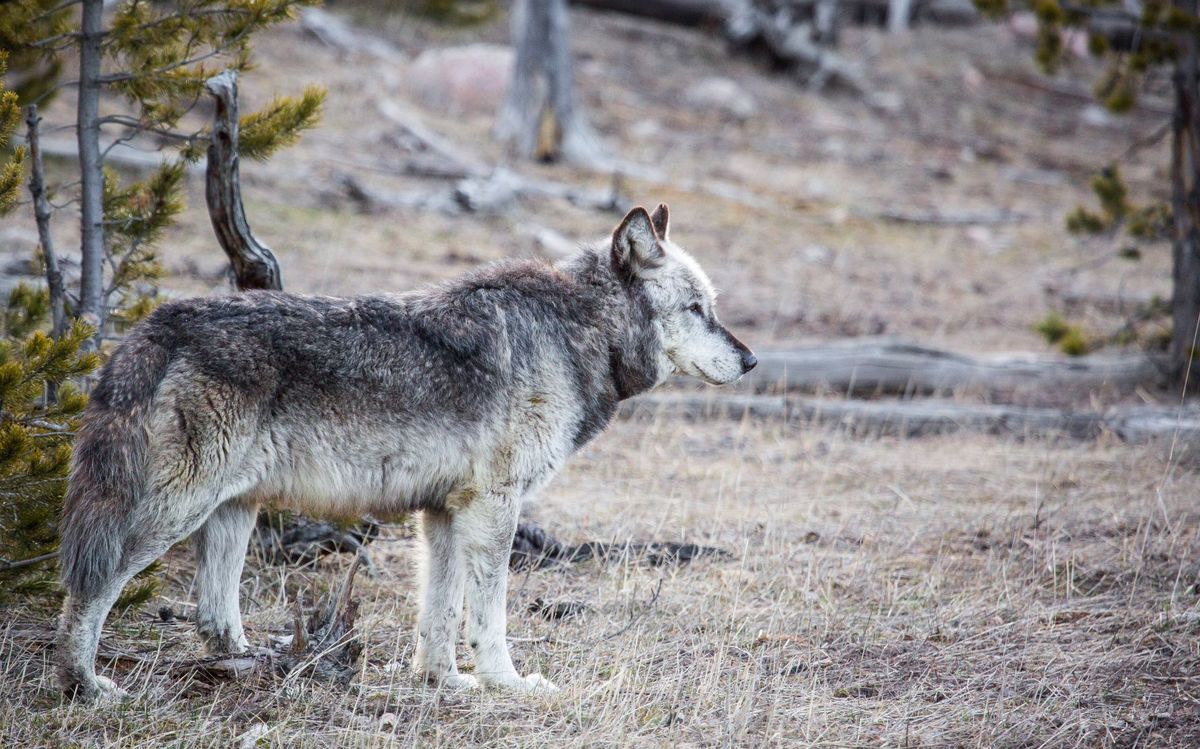
Wolf photo from 2016 of the then 11-year-old alpha male of the Yellowstone NP Canyon pack - Neal Herbert-NPS
Wolf photo from 2016 of the then 11-year-old alpha male of the Yellowstone NP Canyon pack – Neal Herbert-NPS

Montana plans to change the way they count wolves. The Missoulian has the story. We’ve also included a link to the official Montana FWP press release discussing the subject . . .

Montana wildlife officials say the way they count wolves is too expensive and falls far short of an actual population estimate, so they plan to switch to a model that uses information gathered from hunters.

However, wildlife advocates say wolf numbers are declining and the switch could threaten the species’ survival. They worry the data is too unreliable to be used to manage the population.

The change, expected within the next three years after improvements to the model, will be cheaper than the annual wolf counts conducted now and provide a more accurate estimate of the total population, Montana Fish, Wildlife and Parks officials said.

Read more . . .

Also read: Montana’s wolf population still strong, report shows (official Montana Fish, Wildlife and Parks press release)