Category Archives: Environmental Issues

Approvals for mine near Cabinet Wilderness overturned

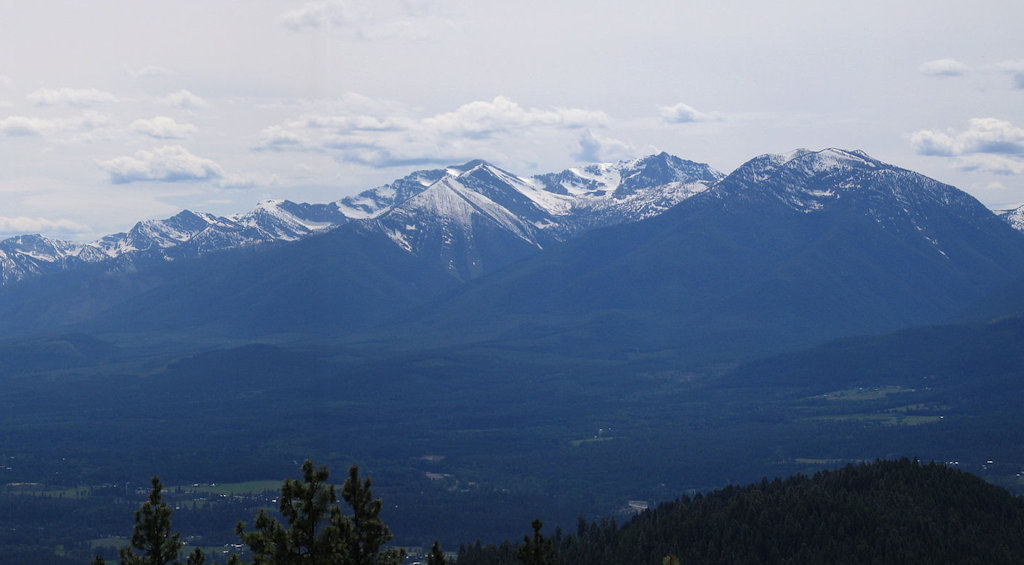
Southern Cabinet Mountains, as seen from Swede Mountain, near Libby

The U.S. Fish and Wildlife Service and the U.S. Forest Service had a bad day in court when federal judge Donald Malloy overturned their approvals for construction of the Montanore mine at the edge of the Cabinet Mountains Wilderness . . .

In two decisions issued at the end of May, U.S. District Judge Donald Molloy ruled that the U.S. Fish and Wildlife Service and U.S. Forest Service violated the Endangered Species Act, the Clean Water Act, the National Forest Management Act, and the National Environmental Policy Act when they approved a massive mining operation beneath the Cabinet Mountains Wilderness.

Hecla Mining Company is looking to build the Montanore copper and silver mine on the edge of the wilderness, about 18 miles south of Libby. The mine’s presence would require about 13 miles of paved or expanded roads, 14 miles of electric transmission line, wastewater treatment and holding, and tailings and seepage storage. If constructed, it would process tens of thousands of tons of ore every day.

The mine’s surface operations would be in known grizzly bear and bull trout habitat, and its underground activity would extend beneath the wilderness area, potentially draining millions of gallons of water from the local creeks.

Read more . . .

Also read: Federal judge overturns approvals for proposed Montana mine (Daily Inter Lake)

Waterton-Glacier mushroom ‘bioblitz’ announced

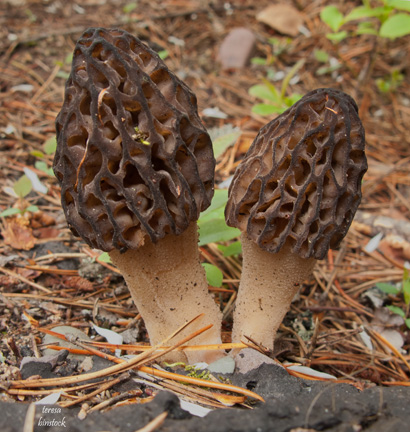
Morel mushrooms near West Glacier, Montana - Cathy McCoy
Morel mushrooms near West Glacier, Montana – Cathy McCoy

From the official press release . . .

The Crown of the Continent Research Learning Center is pleased to announce its inaugural Waterton-Glacier Mushroom BioBlitz June 9 and 11 at Glacier and Waterton Lakes National Parks. Visitors will work alongside taxonomic experts to document fungal diversity, and learn more about mushrooms and other fungi in the Crown of the Continent. Participants will use the iNaturalist app to record field observations, and are encouraged to download the app prior to the event.

Glacier National Park’s Mushroom BioBlitz is June 9 from 9:00 a.m. to 5:00 p.m. at Apgar, St. Mary, and North Fork locations. Participants are not required to stay until 5 pm. The event is free and open to people of all ages and skill levels. Registration is required. Visit https://www.nps.gov/rlc/crown/bioblitz.htm to register. Contact CCRLC at (406)-888-7944 or email Evan Portier at evan_portier@nps.gov for more information.

Waterton Lakes National Park’s Mushroom BioBlitz is June 11 from 9:00 a.m. to 5:00 p.m. Contact william.greene@pc.gc.ca for more information. Remember to bring a valid passport if traveling across the border.

Funding and support for the Wateron-Glacier Mushroom BioBlitz is provided by the Glacier National Park Conservancy, Montana Geographic Alliance, Western Montana Mycological Association, and the Alberta Mycological Society.

Even remote areas subject to noise pollution

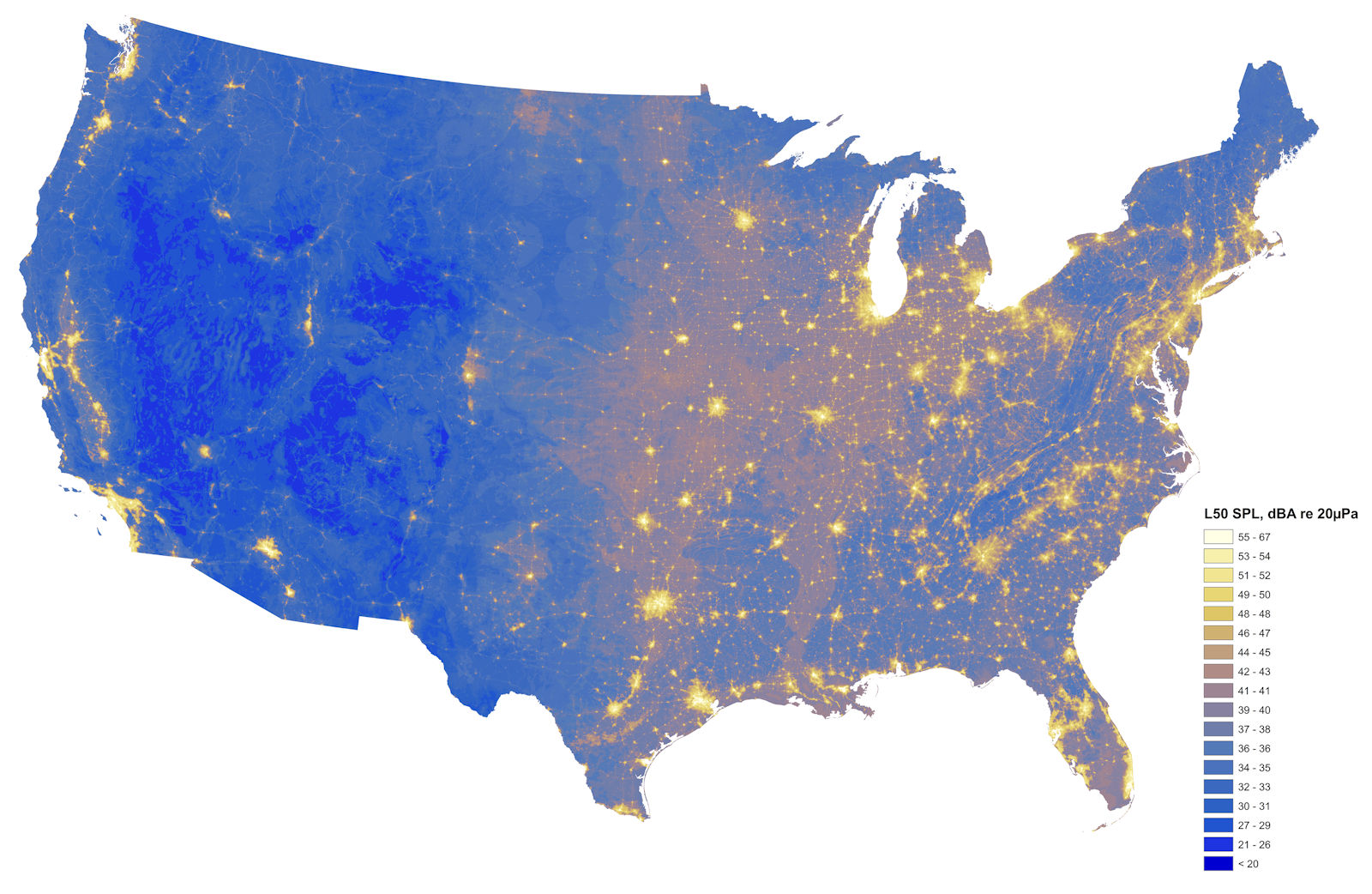
Sound level map of continental US
Sound level map of continental US – In general, the brighter the spot, the greater the sound intensity – National Park Service

This article from NPR really puts efforts like the Glacier Park “quiet skies” initiative in context . . .

There are thousands of parks, refuges and wilderness areas in the U.S. that are kept in something close to their natural state. But one form of pollution isn’t respecting those boundaries: man-made noise. New research based on recordings from 492 protected natural areas reveals that they’re awash in noise pollution.

Researchers from Colorado State University spent years making the recordings by setting out microphones in natural areas across the country. They caught all sorts of wildlife sounds, such as rutting elk and howling wolves. But they were also after “background” sound — wind, rain, birdsong, flowing streams and rivers, even bubbling mudpots in Yellowstone National Park.

They compared the decibel level of this natural background with the intrusive noisiness from human activity. And they have discovered that in two-thirds of the places they studied, the median decibel level of man-made sound was double the normal background sound. These were sounds that came from within the area, such as road traffic, as well from as outside, such as passing jets or mining and logging equipment.

Read more . . .

Grizzly research continues in the NCDE

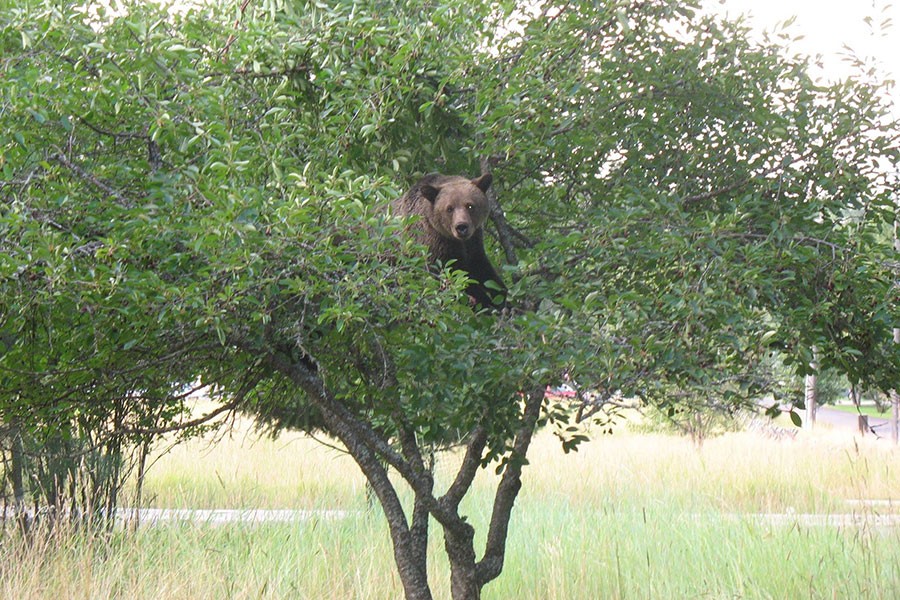
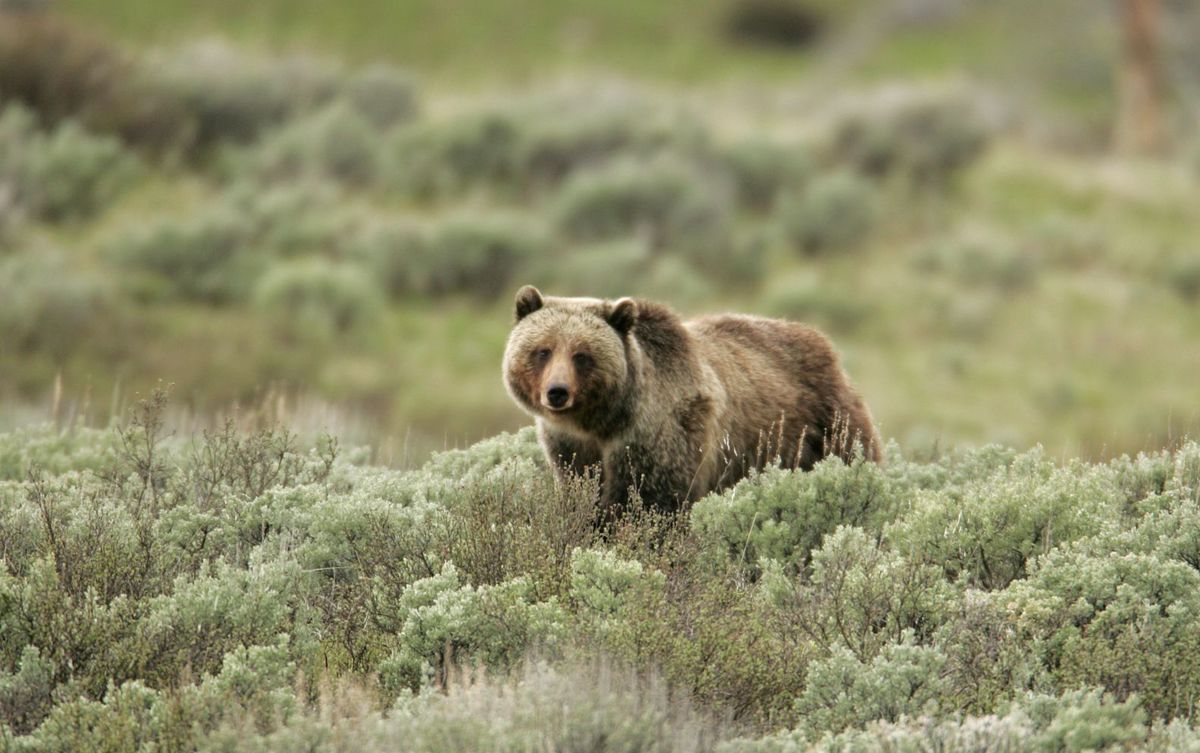
Grizzly Bear - courtesy NPS
Grizzly Bear – courtesy NPS

The Hungry Horse News has pretty good coverage of last week’s meeting of Northern Continental Divide Ecosystem grizzly bear managers . . .

At the Northern Continental Divide Ecosystem meeting last week, agencies gathered to provide updates on their fall projects of the predominantly bear-ish kind.

The NCDE is a subcommittee of the Interagency Grizzly Bear Committee, which promotes grizzly bear population recovery across habitats and national borders.

U.S. Geological Survey scientist Tabitha Graves from the Northern Rocky Mountain Science Center talked about the bear population trend project she’s been working on.

Read more . . .

Also see:
Blackfeet protest grizzly hunting at bear manager meeting

Ruling: No immediate endangered species protection for whitebark pine

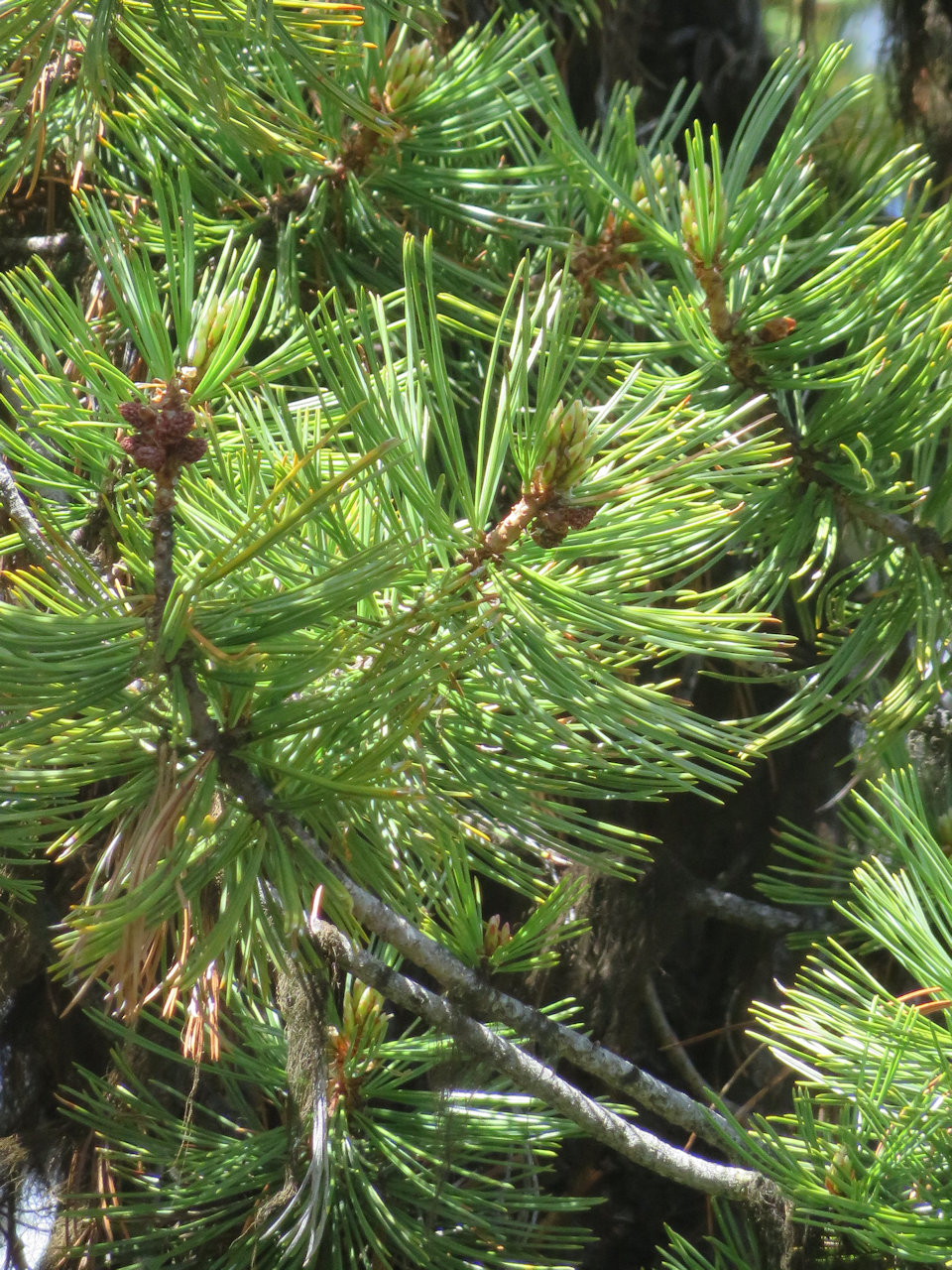
Whitebark Pine Closeup, 2016 - W. K. Walker
Whitebark Pine Closeup, 2016 – W. K. Walker

Short version: There’s no money right now to pay for Endangered Species Act protection for whitebark pine . . .

An appeals court has ruled that U.S. government officials don’t have to take immediate action to protect a pine tree that is a source of food for threatened grizzly bears.

The 9th U.S. Circuit Court of Appeals wrote in its order Friday that the U.S. Fish and Wildlife Service’s ability to protect species through the federal Endangered Species Act is limited by “practical realities,” such as scarce funds and limited staff.

The whitebark pine is in decline amid threats of disease, the mountain pine beetle, wildfire and climate change.

Read more . . .

Waterton-Glacier becomes first ‘International Dark Sky Park’

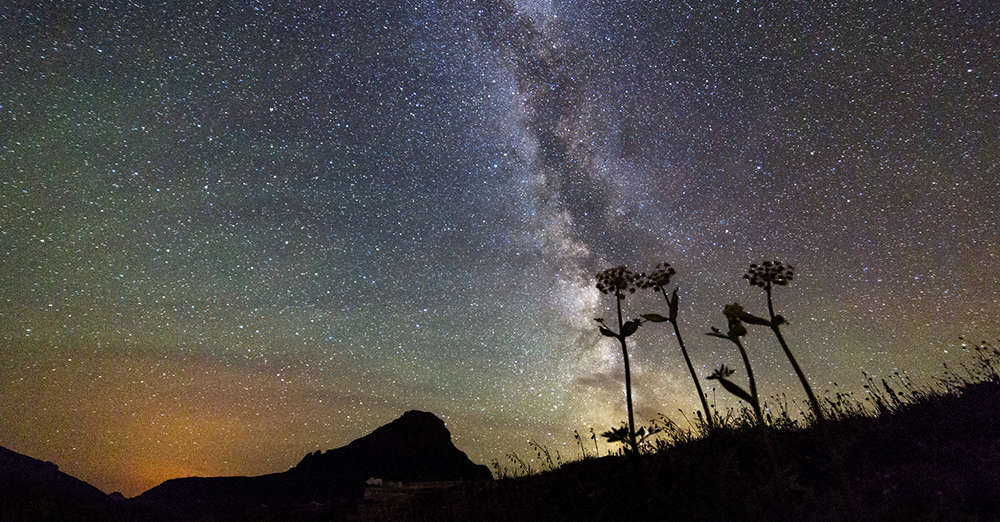
Milky Way over Logan Pass in Glacier National Park - NPS, Jacob W. Frank
Milky Way over Logan Pass in Glacier National Park – NPS, Jacob W. Frank

Waterton-Glacier International Peace Park was just named the first trans-boundary International Dark Sky Park. Below is the lead-in from the Flathead Beacon’s article on the subject, but also check out the links following it for some spectacular photos . . .

Eighty percent of the United States’ population lives in an area where they can’t see a true dark sky. Around the globe, thanks to light pollution, only one-third of humanity can look up at the sky at night and clearly see the Milky Way.

For Glacier National Park interpretive ranger Lee Rademaker, that means every time the park prepares to host a night sky viewing, “we’re about to blow two-thirds of these people’s minds.”

For years, Glacier and nearby Waterton Lake National Park have been touting their dark night sky as another critical natural resource, just as important as glaciers or goats. On April 28, officials from the United States and Canada gathered at West Glacier to celebrate Waterton-Glacier International Peace Park being named the first trans-boundary International Dark Sky Park.

Read more . . .

Also see . . .
Glacier Park’s “Night Sky” page
In Search of America’s Darkest Skies (24 Photos)

Photos: The sweeping landscapes under review by Trump

Canyons of the Ancients National Monument - Bob Wick, BLM
Canyons of the Ancients National Monument – Bob Wick, BLM

NPR has an impressive photo spread of the national monuments under review by the Trump administration . . .

President Trump has ordered the Department of the Interior to review all designations of national monuments greater than 100,000 acres created since 1996.

That executive order, which he signed Wednesday [April 26], places at least 20 — and as many as 40 — monuments in the government’s sights. The areas now under review span a vast range of landscapes — from arid deserts to frozen mountain peaks, from striking craggy vistas to teeming underwater playgrounds.

And, though these monuments were all established roughly in the past two decades, they all have a history more than a century long. That’s because all of them owe their existence to the 1906 Antiquities Act, a law signed by President Theodore Roosevelt that makes it a federal crime to destroy or alter ancient artifacts and ruins on federal land.

Read more . . .

Flathead Forest edging toward new river plan

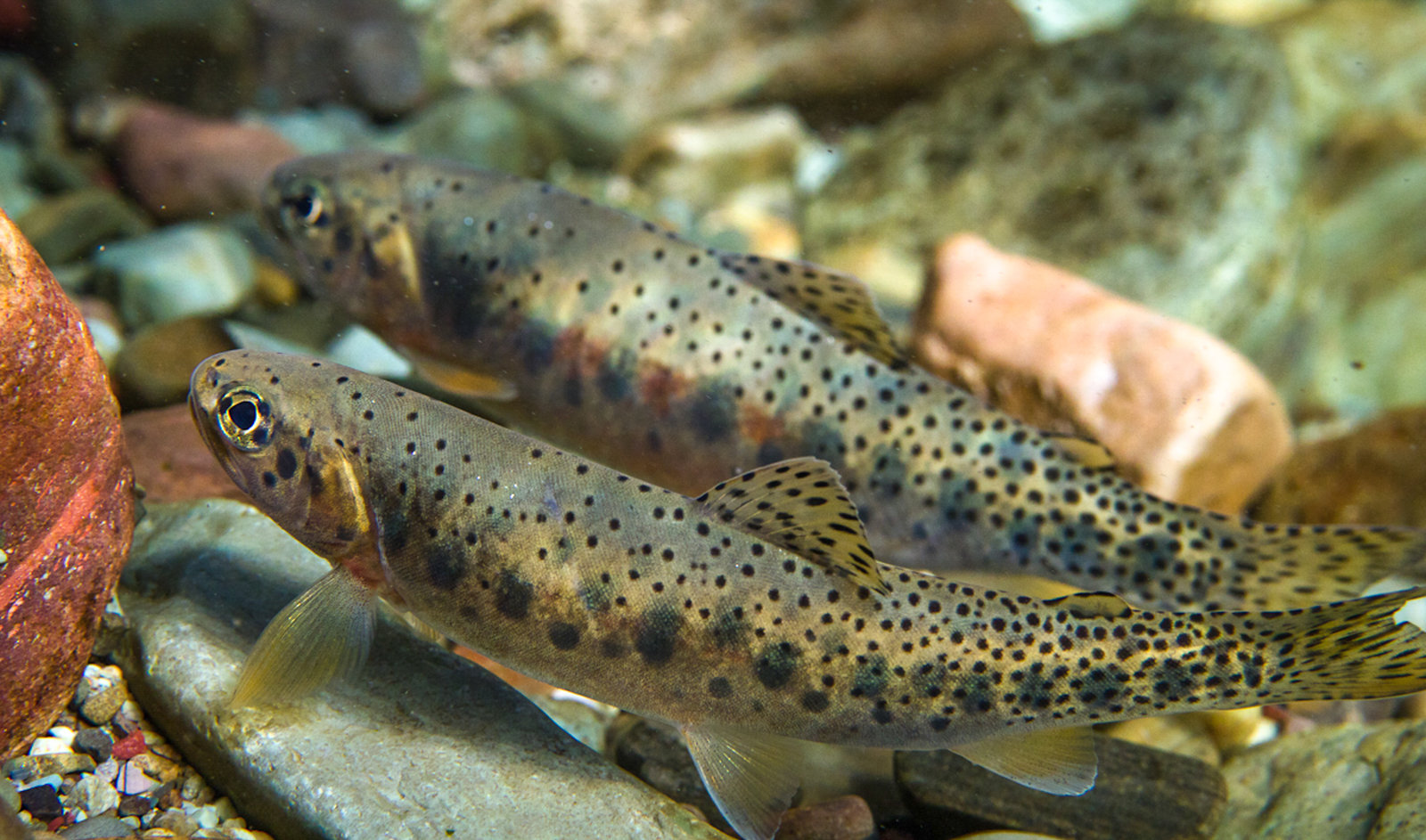
Westslope cutthroat trout in the North Fork of the Flathead River in northwestern Montana - Jonny Armstrong-USGS
Westslope cutthroat trout in the North Fork of the Flathead River in northwestern Montana – Jonny Armstrong-USGS

Lily Cullen, writing for the Hungry Horse News, posted a good summary of last week’s ‘river meeting’ at Flathead Forest headquarters. Several North Forkers were in attendance, as increasingly heavy river usage is becoming a significant issue locally (see, for example, older posts here and here) . . .

The Flathead National Forest has plans for a new Flathead River Wild and Scenic River plan, but it will probably take years to finalize new management policies for the three forks of the river, Hungry Horse/Glacier View district ranger Rob Davies said last week.

The plan will include updated standards for maximum river capacities and will designate launch points for half-day floats along the recreational stretches of the North, South, and Middle Forks of the Flathead River, Davies noted during a meeting of river stakeholders in Kalispell.

Crowds are a big issue for the Forest Service and Glacier National Park staff who manage the river. The standards for the ideal number of encounters on a river float — usually two to 10 per half-day float — haven’t changed since 1986. Rangers and volunteers monitor the North, Middle, and South forks during peak times in prime float season, and count the number of encounters on the water and on the shore. They also keep track of launch wait time. However, there’s no consequence or management plan for when the number of user encounters exceeds the standards, which are designed to measure the overall recreational experience.

Read more . . .

Tester bill wants ban on mining near Yellowstone

Yellowstone National Park sign at the North Entrance - Jim Peaco, NPS, October 1992
Yellowstone National Park sign at the North Entrance

Sen. Jon Tester wants to firm up the ban on mining leases on public lands near Yellowstone National Park . . .

U.S. Sen. Jon Tester has introduced legislation to permanently ban new mining in an area of Montana just outside Yellowstone National Park.

The Montana Democrat says responsible natural resource development is an important part of Montana’s economy but the doorstep of Yellowstone is one place that should be protected.

Tester’s proposal would withdraw federal mineral rights on some 30,000 acres of public land in the Custer Gallatin National Forest just north of Yellowstone.

Read more . . .

Commentary: Working together for solutions on public lands

The Whitefish Range by Steve Gnam

This significant op-ed on the importance of the collaborative process for developing public lands policy was written by Noah Bodman, a board member of the Flathead Area Mountain Bikers and Amy Robinson, a regional field director for the Montana Wilderness Association. It was posted to the Daily Inter Lake on April 23.

Highly relevant to this is our previous post on the Blackfoot-Clearwater Stewardship Project . . .

Working together locally counteracts the divisiveness that is splintering our nation and communities. Too many Americans are allowing pride, principles and politics to distract from the reality that we actually have a lot of common ground together. Reaching out to someone who does not agree with us takes courage and curiosity. Like many Montanans before us, we choose to respectfully sit down together and do the tough work to discover a path forward.

If a wilderness advocate and a mountain biker can overcome the division, then anyone can.

About four years ago, we entered into a collaborative group known as the Whitefish Range Partnership. The partnership consisted of about 30 individuals from across the Flathead Valley area that cared about how the public lands of the Whitefish Range would be managed. Everyone was aware that the Flathead National Forest would revise their forest plan, which would lay out a management blueprint for the next 20 or more years. Instead of reverting to old, ineffective fighting tactics of the past, people agreed that it was worth trying something new. Working together.

So, private landowners, businesses, timber mills, horsemen, motorized users, mountain bikers, and wilderness lovers worked together. After two years, the entire group reached an agreement that supported extraordinarily diverse values. We then presented the agreement to the Flathead National Forest to consider in their forest planning process. We won’t lie, the process of working together was not easy and we oftentimes wondered where it would lead, but we pressed on.

Continue reading Commentary: Working together for solutions on public lands