Category Archives: News

Sage grouse protection will rely on land-use plans

With endangered species protection off the table, greater sage grouse protection now relies on federal and state land-use planning . . .

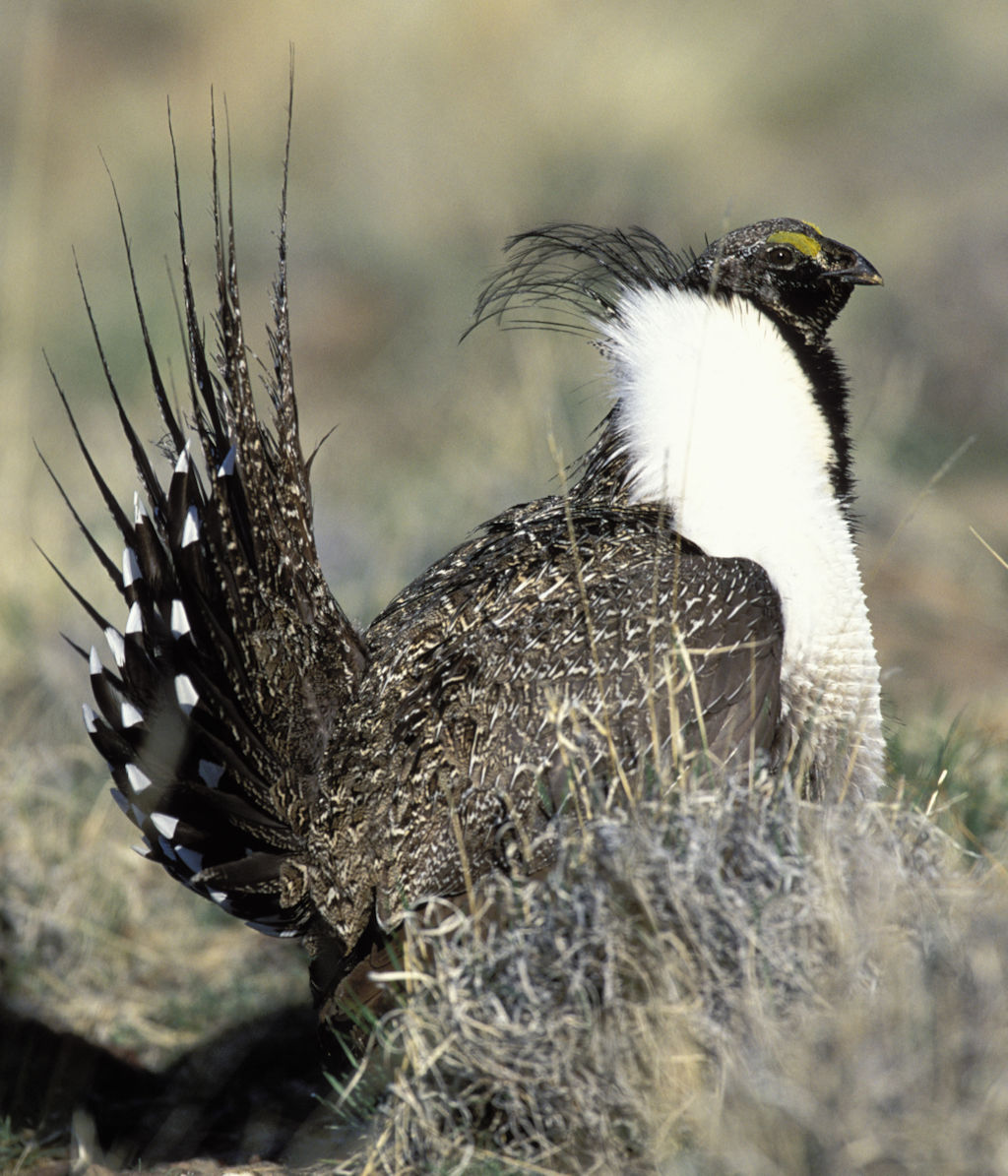
Before the applause faded from the U.S. government’s announcement that there would be no endangered species protections for the greater sage grouse, the criticism began over wide-reaching federal conservation plans meant to protect the bird’s habitat across 11 Western states.

The land-use plans were released Tuesday after Interior Secretary Sally Jewell said additional federal protections weren’t needed for the ground-dwelling bird that’s seen its habitat shrink due to oil and gas drilling, grazing and other human activity.

The U.S. Bureau of Land Management plans outline measures to help sage grouse across 67 million acres of public lands throughout the West, including 12 million acres of prime habitat where strict limits on oil and gas limits will be enforced.

Read more . . .

Feds reject Endangered Species Act protection for greater sage grouse

Sage Grouse

The Interior Department decided not to give sage grouse Endangered Species Act protection . . .

The Interior Department said Tuesday that the greater sage grouse, a ground-dwelling bird whose vast range spans 11 Western states, does not need federal protections following a costly effort to reverse the species’ decline without reshaping the region’s economy.

The fight over whether to list the bird as endangered or threatened recalled the battle over the spotted owl 25 years ago, where federal protection greatly impeded the logging economy. The Obama administration and affected states have committed hundreds of millions of dollars to saving the species without Endangered Species Act protections that many argued would threaten the oil and gas industry and agriculture.

Tuesday’s announcement signaled that the Obama administration believes it has struck a delicate balance to save the birds from extinction without crippling the West’s economy. It also could help defuse a potential political liability for Democrats heading into the 2016 election; federal protections could have brought much more sweeping restrictions on oil and gas drilling, grazing and other human activities from California to the Dakotas.

Read more . . .

Also read: Shift in US firefighting prioritizes sage grouse in West (Missoulian)

Federal panel says Badger-Two Medicine too special to drill

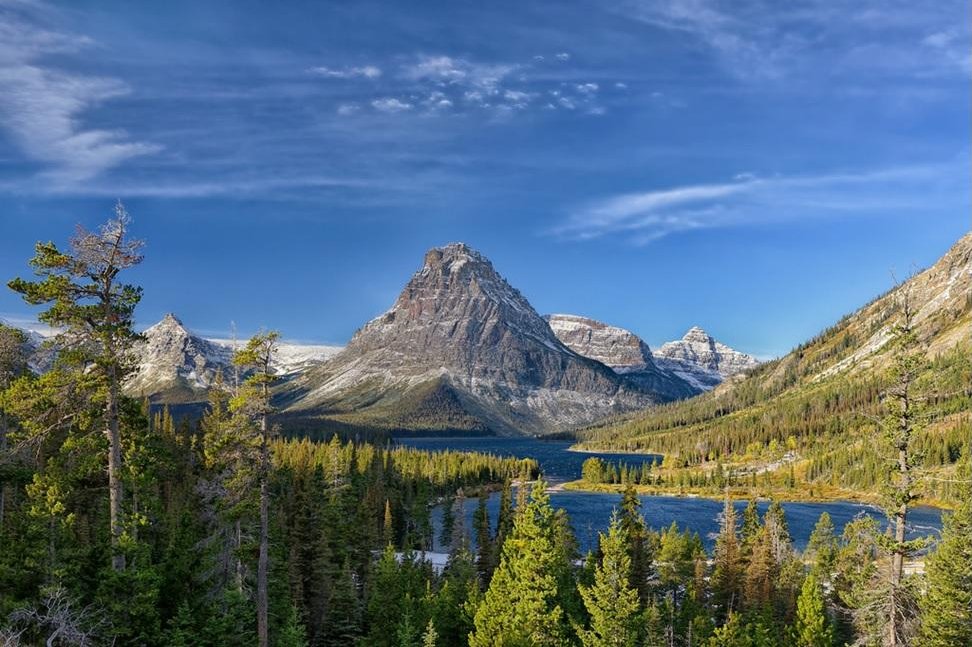
Two Medicine Lake

Here’s some good news: Following up on their hearings about three weeks ago, the federal Advisory Council on Historic Preservation issued a report stating that the Badger-Two Medicine region is inappropriate for energy development . . .

The Badger-Two Medicine area south of the Blackfeet Indian Reservation can’t be drilled for oil and gas development without ruining its cultural and traditional values, according to a report by the Advisory Council on Historic Preservation.

“They recommended cancellation of all the leases in the Badger-Two Medicine,” Blackfeet Tribal Historic Preservation Officer John Murray said Monday afternoon. “We’re grateful there’s hope in this world for people who’ve been marginalized, racially and economically. There’s a lot of hope from what’s in the report.”

The council’s analysis stated drilling plans by Louisiana-based Solenex LLC “would be so damaging to the (Traditional Cultural District) that the Blackfeet Tribe’s ability to practice their religious and cultural traditions in this area as a living part of their community life and development would be lost.”

Read more . . .

Also read: Panel recommends canceling drilling lease near Glacier (Missoulian)

Montana FWP: Grizzly bear management update for Northwest Montana

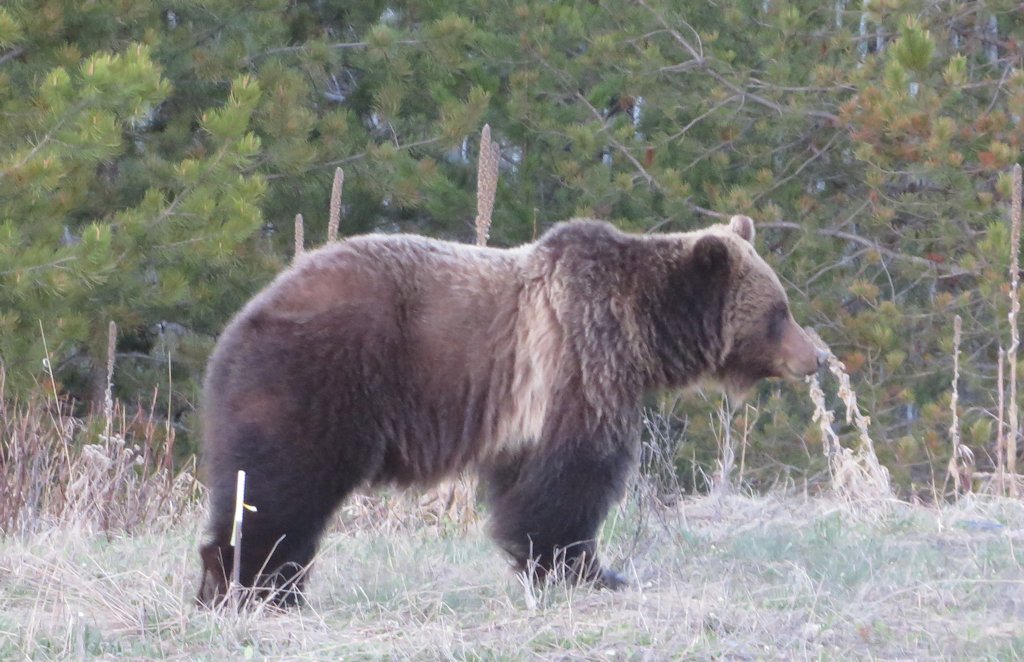
Cinca, May 5, 2015 by W K Walker

Here’s a news release by Tim Manley of Montana Fish, Wildlife and Parks, Region 1, summarizing recent grizzly bear activity. There’s some good stuff here . . .

Grizzly Bear Management Specialist Tim Manley has prepared the following summary in response to questions on grizzly bear activities in FWP Region 1:

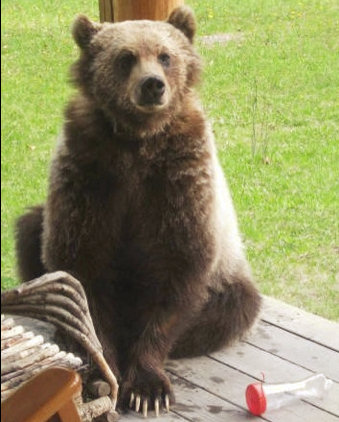
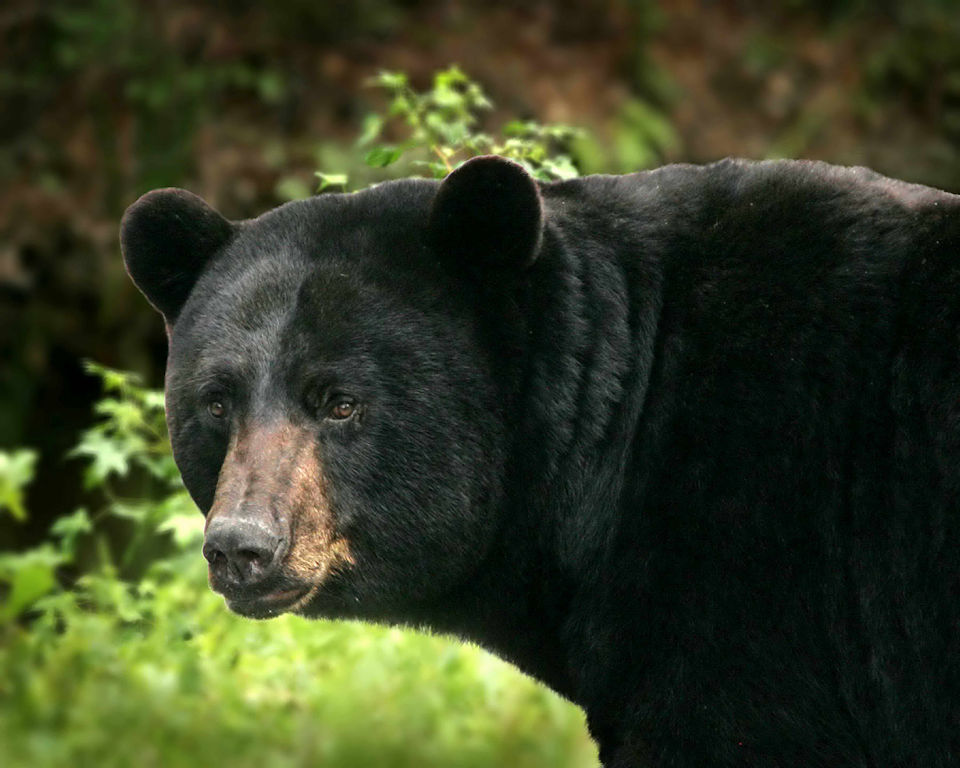
Montana Fish, Wildlife & Parks grizzly bear management biologists and wardens have seen an increase in grizzly bear activity and conflicts during the month of September. Both black and grizzly bears are looking for food that will provide them with the layer of fat they need in order to survive the winter in their dens. Female grizzly bears with young are especially in need of additional food because they have been nursing their cubs and need the extra calories.

The following is an overview of the grizzly bear management activities that MT FWP has been involved with in the Tobacco, Flathead, and Swan Valley areas during the month of September.

Near Eureka, at least one young grizzly bear has been observed feeding on apples and walking through yards. Traps were set for that bear, but it hasn’t been captured yet.

West of Fortine, landowners buried a dead horse and noticed something had dug it up. They put up a trail camera and 3 different grizzly bears were photographed. One of the grizzly bears was wearing a radio collar that isn’t functioning properly. In an attempt to capture that bear and change the collar, two culvert traps were set. The horse was reburied and an electric fence was installed around the site along with remote cameras. On September 6th, an unmarked, young adult male grizzly bear visited the site and was captured. This male was radio-collared and translocated into the Whitefish Range. The radio-collared grizzly we were attempting to capture did not return to the trap site and the traps were pulled.

During that same week, a grizzly bear was breaking branches on fruit trees west of Lake Blaine. A temporary electric fence was installed and a culvert trap was set. The male grizzly bear returned, but was not captured. The electric fence was effective in preventing any additional damage to the trees and the trap was removed.

Right after Labor Day, an adult male grizzly bear was captured near Coram after killing chickens and eating apples. The 473 pound, 12 to 14 year old adult male grizzly had never been captured before. He was radio-collared and translocated to the Puzzle Creek drainage south of Marias Pass. The electric fence on that chicken coop has been upgraded to be more effective in deterring bears.

On the 9th of September, a large male grizzly broke into a chicken coop near Ferndale. Electric fencing was put up to protect the remaining chickens. A culvert trap was set. The male grizzly returned, it did not kill any more chickens, but it didn’t enter the culvert trap. Two days later, an unmarked, adult female grizzly with a cub of the year was captured. The cub was captured the next night and both bears were translocated to the Sullivan Creek drainage.

The trap was reset for the adult male, and the next night, a radio-collared female grizzly that has two cubs of the year was captured at the site. An attempt was made to capture both of the cubs, but was unsuccessful. To avoid separating the female and cubs, with the permission of the residents, the adult female was released onsite during the night of September 17th.

On September 16th, a photo was taken by a landowner of a female grizzly bear with 3 cubs of the year south of Ferndale. On the 17th, FWP bear managers contacted residents south of Ferndale about the family group. They have not caused any conflicts, but residents with fruit trees and poultry were advised to pick their fruit and make sure the electric fencing around their poultry was functioning properly.

In the North Fork of the Flathead, north of Polebridge, a female grizzly bear with a yearling killed some chickens and has gotten access to chicken feed and grain. Bear managers are working with local residents to secure attractants have installed electric fencing.

In the Swan Valley, a subadult female grizzly bear was hit and killed by a vehicle along the Swan Highway on September 12th, near the Condon Work Center. There had been reports of a grizzly bear feeding on road-killed deer just south of that area in previous weeks.

From mid-September until the grizzly bears den during November is typically a busy time for bear conflict specialists. Most of the berries have fallen off and the bears switch to other foods which sometimes brings them into areas with an abundance of fruit trees and other attractants.

While it seems like a lot of bears are causing conflicts, out of the estimated population of 1000 grizzly bears in northwest Montana, it is only 20 to 30 grizzly bears that are involved with conflicts throughout the whole area.

The best way to avoid conflicts with bears is through prevention. Take down your birdfeeders until bears have denned, don’t leave garbage, pet food, or grain outside. Use electric fencing to protect your poultry, beehives, and fruit trees. Pick your fruit as soon as it is ripe. Contact Montana Fish, Wildlife & Parks if you have a bear conflict or need information or assistance on securing attractants. You can get more information at http://fwp.mt.gov/fishAndWildlife/livingWithWildlife/beBearAware/.

Grizzly activity spikes in Northwest Montana

It’s that time of year again when bears are packing in the calories in preparation of hibernation . . .

Wildlife managers are reporting an increase in grizzly bear activity and conflicts across Northwest Montana as the winter denning season approaches.

Between 20 and 30 grizzlies were involved in conflicts throughout the region in recent weeks, according to Montana Fish, Wildlife and Parks. Northwest Montana has the largest population of grizzlies in the continental U.S. with over 1,000.

Montana Fish, Wildlife and Parks spokesperson John Fraley said activity tends to pick up in autumn as both black and grizzly bears search for larger amounts of food in order to survive the winter in their dens. Female grizzly bears with young are especially in need of additional food as they nurse their cubs and need the extra calories.

Read more . . .

Also read: Food-Conditioned Black Bear Removed From the Population To Ensure Public Safety (Glacier National Park)

Fed sage grouse decision could come next week

Sage Grouse

Lots of folks on both sides of the issue are waiting with bated breath for the U.S. Fish and Wildlife Service decision on the status of the sage grouse . . .

A decision by the U.S. government on whether to propose protections for the greater sage grouse in 11 Western states could come next week, the chairman of a committee overseeing Montana’s conservation plan said Friday.

The U.S. Fish and Wildlife Service has until the end of the month to decide whether to propose designating the ground-dwelling bird as a threatened or endangered species. Congress has prohibited the agency from acting on that decision through at least September 2016.

The agency could decide that federal protections aren’t warranted, or that the measures are warranted but precluded by higher priorities.

Read more . . .

See also: Sage grouse is at center of national, state debates (Missoulian)

Crown of the Continent conference celebrates cross-border cooperation

As usual, the North Fork Preservation Association has a contingent attending the Roundtable on the Crown of the Continent Conference. This year, it’s in Missoula and actually getting some press coverage . . .

With one wildfire menacing Going-to-the-Sun Road and another threatening to hop the Continental Divide into the Two Medicine basin, the last thing Jeff Mow needed last August was a new burn starting next to the isolated Goat Haunt Ranger Station along Waterton Lake.

“It may have broken all kinds of rules, but we delegated management of that fire to Parks Canada,” the Glacier National Park superintendent told the Crown of the Continent Roundtable audience Wednesday. “It was the right thing to do. And it speaks to the shared values at risk and the comfort we had working with each other. They had put the town of Waterton Lake on evacuation notice during that event. And we signed away delegation of authority to Canada in that case.”

Fortunately, the little fire only burned a couple of dozen acres before Canadian helicopters and ground crews controlled it – on the American end of Waterton Lake’s transboundary waters. But for Mow and many others at the international conference on the University of Montana campus this week, it was evidence of how political boundaries can become permeable when the needs of large landscapes take prominence.

While that kind of cross-border cooperation is fairly new, Mow said it built on an idea that’s decades old…

Read more . . .

Alberta to protect Castle wilderness area north of Waterton-Glacier Park

A couple of weeks ago, Alberta announced plans to protect the Castle wilderness region. Since then, the general press has picked up on the story, including the below AP piece.

Note that this is not the proposed westward extension of Waterton Park into the Canadian Flathead drainage that has seen so much discussion lately . . .

The announcement of two new parks in Alberta has delighted environmental groups that have been fighting decades for their creation.

But the news that it will be shut out of more than 386 square miles of the Castle wilderness region in the province’s southwest corner has angered the forestry industry. “It feels to us a bit like we’re being vilified,” Brock Mulligan of the Alberta Forest Products Association said.

The parks created by the NDP government are almost twice as big as those proposed by the previous Conservative government for the same region. They will also cover valleys and wetlands, while the previous proposal focused on high alpine areas. “It’s almost night and day,” said Sean Nichols of the Alberta Wilderness Association. “This one goes so much further.”

Read more . . .

Castle Wildland and Park - Final
Castle Wildland and Park – Final

Download the full map (PDF – 1.24MB)

Feds say wildfire big threat to sage grouse

Sage Grouse

Yet another factor to consider in sage grouse preservation efforts . . .

If increasingly destructive wildfires in the Great Basin can’t be stopped, the sage grouse population will be cut in half over the next three decades, scientists say.

A report released Thursday by the U.S. Geological Survey comes just ahead of a court-ordered Sept. 30 deadline faced by the U.S. Fish and Wildlife Service to decide whether sage grouse need protection under the Endangered Species Act. Experts say such a listing could damage Western states’ economies.

“The sagebrush steppe and sagebrush ecosystem are in trouble,” said Matt Brooks, a fire ecologist with the USGS and one of the report’s authors.

Read more . . .

Feds to rule on western glacier stonefly endangerment within a year

Western Glacier Stonefly  (Zapada glacier) - Joe Giersch, USGS
Western Glacier Stonefly (Zapada glacier) – Joe Giersch, USGS

From today’s Flathead Beacon . . .

The U.S. Fish and Wildlife Service has agreed to decide whether a rare aquatic insect that’s found only in Glacier National Park should be protected under the Endangered Species Act within the year.

The Missoulian reports that in a settlement with the Center for Biological Diversity, the federal agency agreed to make a decision by Sept. 30, 2016. The western glacier stonefly is one of 10 species of birds, fish and invertebrates the agency has agreed to rule on.

The stoneflies live in streams fed by cold water from glaciers in northwest Montana. Those glaciers are predicted to disappear by 2030, in part due to climate change. Researchers say the stoneflies also could disappear.

Read more . . .