Category Archives: News

Yaak-to-Cabinet migration good news for grizzly recovery

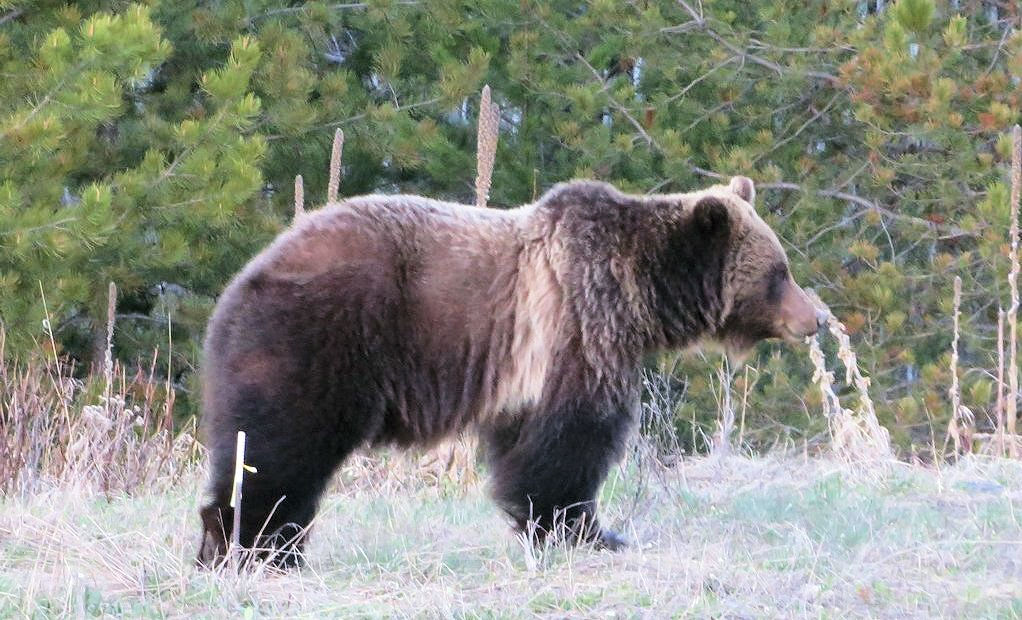
Bear Checkup near Libby - courtesy Montana FWP

A big, mature grizzly migrated from the Yaak Mountains to the Cabinet Range, a major cause for celebration among the bear recovery folks . . .

Finally, there’s some good news out of bear country. Following a spate of bear-human conflicts in Northwest Montana… one recent grizzly encounter has prompted some cause for celebration.

On Oct. 5, a 500-pound male bruin was captured south of Libby after it cleared a non-functioning electric fence that was fortifying a beekeeper’s honey supply.

And while being caught with its paw in the honey jar is classic bad bear behavior, this 6.5-year-old grizzly’s journey to get to the Cabinet Mountains makes him special. It makes him the first documented bear to cross from the Yaak Mountains to the Cabinets in history, which is a boon for bolstering the isolated and relatively scant Cabinet Mountain grizzly population and promoting better genetic diversity there.

Read more . . .

Former Glacier Park supers want drilling leases cancelled

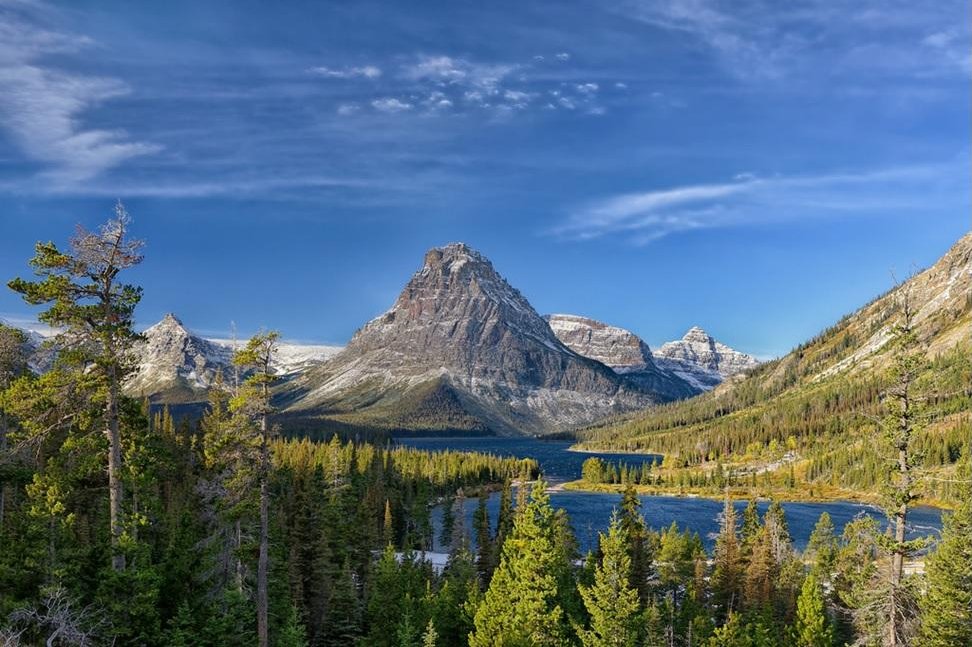
Badger-Two Medicine Region

A group of former Glacier Park superintendents want the Badger-Two Medicine drilling leases canceled . . .

If one were to hike in the Badger-Two Medicine region of the Lewis and Clark National Forest right now, they’d likely come upon a sign warning of a grizzly bear prowling in the Sawmill Flats area. The sign is not unusual. The 160,000 acre region on the Lewis and Clark National Forest is not wilderness and isn’t Park Service land, but it is no less wild.

Six retired Glacier Park superintendents want the Department of Interior to keep it that way. In a letter to the Hungry Horse News and other newspapers across the state, they’re asking the Department of Interior to cancel oil and gas leases in the Badger Two Medicine as an energy company pursues legal action to drill exploratory wells on a 3,000-plus acre tract in Hall Creek.

“Industrial energy development of this world-class resource would represent an intolerable assault to the ecological and cultural values of Glacier National Park, as well as to the Blackfeet people,” the superintendents argue. “On behalf of the millions of visitors who cherish the Crown of the Continent, and on behalf of our colleagues whose careers were spent working for the best interests of Glacier National Park, we ask the Department of Interior to exercise its authority to cancel the Badger-Two Medicine leases.”

Read more . . .

Also read: Letter to the editor from regarding drilling in Badger-Two Medicine region

Judge wants Badger-Two Medicine drilling decision by Thanksgiving

Two Medicine Lake

Federal officials were told to make a decision on canceling drilling leases in the Badger-Two Medicine before they sit down for their Thanksgiving dinners . . .

A federal judge wants the government to speed up its consideration of a long-stalled drilling proposal near Glacier National Park that’s on land sacred to American Indians in the U.S. and Canada.

U.S. District Judge Richard Leon ordered the Interior Department to decide by Nov. 23 whether to start the process of canceling the energy lease at issue, or move to lift a suspension on drilling.

Louisiana-based Solenex LLC sued the government in 2013, challenging the three-decade suspension.

Read more . . .

Notice to sue filed over bull trout recovery plan

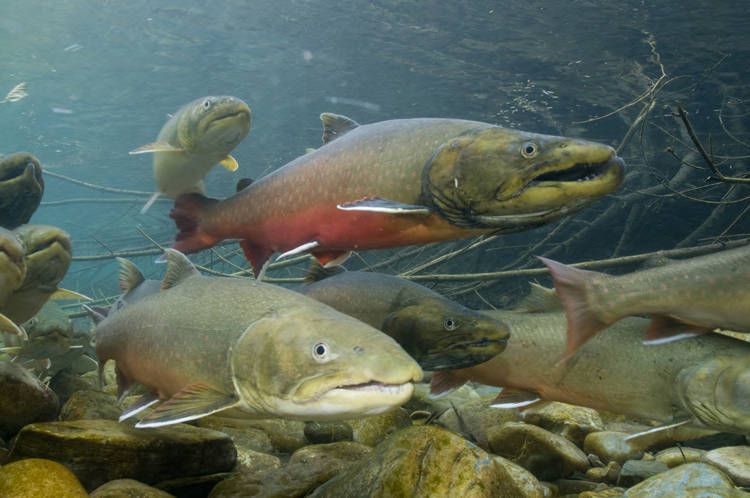
Bull Trout

As mentioned last week, the recent federal bull trout recovery plan is not universally admired, making a lawsuit almost inevitable . . .

A pair of environmental groups announced Wednesday they will sue the federal government unless a recovery plan for threatened bull trout is amended to address violations of the Endangered Species Act.

The groups, Alliance for the Wild Rockies and Friends of the Wild Swan, filed the 60-day notice to sue a little more than a week after the U.S. Fish and Wildlife released its final Bull Trout Recovery Plan on Sept. 28.

A 60-day notice to sue under the ESA is required in order to provide enough information to the FWS so that it has the opportunity to identify and address alleged violations in order to make the plan sufficient.

Read more . . .

Lots of bear activity down-valley right now

Patti Bear

A lot of bears are foraging at lower elevations right now, getting ready for winter . . .

Grizzly and black bears are roaming the Flathead Valley in greater abundance as they prepare to den up for the winter, scouring the valley floor for lower-elevation food sources after exhausting this year’s scant supply of berries.

The bears’ seasonal sate is known as “hyperphagia,” but this year’s drought has led to a dearth of natural foods. Meanwhile, as the ever-expanding human-wildlife interface continues to overlap, the bears are increasingly running into conflict with people, exasperating wildlife officials who urge residents in bear country to reduce conflicts by taking simple steps, like picking their fruit trees, locking up trash and storing pet and livestock feed indoors.

“This has been an extremely busy year,” Erik Wenum, bear and lion specialist with the Montana Fish, Wildlife and Parks, said. “We are receiving an average of 35 to 45 calls per day. They’re everywhere – downtown Whitefish, Kalispell, Columbia Falls. All the bears are at low elevations now and they’re looking far and wide for trash, birdseed and of course the ever-present fruit trees.”

Read more . . .

Montana FWP: Grizzly bear management update for Northwest Montana

Cinca - 5 May 2015

Here’s the latest report from Montana Fish, Wildlife and Parks on the status of grizzly bear management in this corner of the state . . .

Montana Fish, Wildlife & Parks grizzly bear management biologists and wardens have seen an increase in grizzly bear activity and conflicts during the month of September. Both black and grizzly bears are looking for food that will provide them with the layer of fat they need in order to survive the winter in their dens. Female grizzly bears with young are especially in need of additional food because they have been nursing their cubs and need the extra calories.

The following is an overview of the grizzly bear management activities that MT FWP has been involved with in the Tobacco, Flathead, and Swan Valley areas during the month of September.

Near Eureka, at least one young grizzly bear has been observed feeding on apples and walking through yards. Traps were set for that bear, but it hasn’t been captured yet.
West of Fortine, landowners buried a dead horse and noticed something had dug it up. They put up a trail camera and 3 different grizzly bears were photographed. One of the grizzly bears was wearing a radio collar that isn’t functioning properly. In an attempt to capture that bear and change the collar, two culvert traps were set. The horse was reburied and an electric fence was installed around the site along with remote cameras. On September 6th, an unmarked, young adult male grizzly bear visited the site and was captured. This male was radio-collared and translocated into the Whitefish Range. The radio-collared grizzly we were attempting to capture did not return to the trap site and the traps were pulled.

During that same week, a grizzly bear was breaking branches on fruit trees west of Lake Blaine. A temporary electric fence was installed and a culvert trap was set. The male grizzly bear returned, but was not captured. The electric fence was effective in preventing any additional damage to the trees and the trap was removed.

Right after Labor Day, an adult male grizzly bear was captured near Coram after killing chickens and eating apples. The 473 pound, 12 to 14 year old adult male grizzly had never been captured before. He was radio-collared and translocated to the Puzzle Creek drainage south of Marias Pass. The electric fence on that chicken coop has been upgraded to be more effective in deterring bears.

Continue reading Montana FWP: Grizzly bear management update for Northwest Montana

Montana FWP: Update on efforts to trap black bear Involved in attack on a woman west of Kalispell

Black Bear

This tragedy is proving to be a real object lesson on why people should not feed bears.

From the official press release . . .

According to FWP Investigator Brian Sommers, the investigation into the black bear attack on the elderly woman in her residence between Batavia and Ashley Lake is continuing. The investigation to date shows that the woman was attacked inside her residence, that she was actively feeding bears, and that numerous bears have been frequenting the property.

FWP set traps to capture the bear involved in the attack and to address the hazard of food-conditioned bears roaming in a residential area. Over the past two days, two food-conditioned black bears were captured and euthanized at the residence. The two bears were anesthetized and then euthanized. Necropsy performed on the bears revealed extensive artificial feeding of sunflower seeds and millet. One young female black bear weighed 99 pounds, and an adult female weighed 162 pounds. Investigators believe that neither of these bears were the one involved in the attack.

According to Bear and Lion Specialist Erik Wenum, who performed necropsies on the bears, the evidence is clear that someone in the area is still feeding bears. “Someone is hampering our investigation by continuing to extensively feed bears, making our efforts to attract and trap the offending bear that much more difficult.” He noted that large amounts of millet and sunflower seeds were found in the digestive tracts of both bears.

Sommers note that people feeding bears can be cited for obstruction of an investigation. He pointed out Montana Law prohibits feeding of bears. Sommers further states that bears that are fed become habituated and food conditioned which can lead to aggressive behavior and the inability or desire to fend for themselves once the supplemental feed is removed. This in turn can lead to bears breaking into buildings, trailers and vehicles in search of food producing a large public safety issue. The act of breaking into structures or vehicles and endangering humans, pet, or livestock is grounds for removing the bears from the system.

Continue reading Montana FWP: Update on efforts to trap black bear Involved in attack on a woman west of Kalispell

Bull trout recovery plan gets mixed reception

Bull Trout

The long-delayed federal bull trout recovery plan was released this week . . .

More than 15 years in the making, the final recovery plan for bull trout was released Monday by the U.S. Fish and Wildlife Service, although some environmentalists and biologists in Montana say it still falls short of providing an avenue to recover the threatened species.

Listed under the Endangered Species Act in 1999, bull trout populations in the continental U.S. have struggled throughout the past century, under pressure from invasive species, habitat degradation and warmer waters.

The warming effects from climate change are also expected to create further problems for the fish, which require clean, cold water to survive. Steve Duke, a senior biologist with the U.S. Fish and Wildlife Service, said some current bull trout habitats will no longer be habitable if water temperatures continue to rise as projected. That’s one reason the plan language that allows up to 25 percent of the individual populations to disappear within four of the six geographically defined recovery units.

Read more . . .

Open burning season begins, but you might wish to wait a while

A note from the Fire Chief, October 1, 2015 . . .

According to the USFS report in the Daily Interlake dated October 1, 2015, fires will continue to burn until significant RAIN and or SNOW. At this time the fires in Lincoln County continue to burn but pose NO immediate threat to Private Property.

The Marston Fire is now over 7000 acres.

Tje Goat Rock Fire is over 22000 Acres.

The fire season is being lifted and Flathead County has moved to allowing open burning. However the following information should be followed.

  1. Check the weather forecast and air quality for rain and/or wind events.
  2. Establish a fire line and clear the perimeter around your fire, down to bare soil.
  3. Have an adequate WATER supply and EXTRA persons to help control any fire that might escape your control.
  4. NEVER leave any fire unattended!
  5. Start debris fires small and add in small amounts to insure you can keep your fire contained.
  6. Always REMEMBER that you can be held financially responsible for suppression costs, should your fire escape!

Lynn P. Ogle

Fire Chief, Trail Creek Irregulars

Judge rejects challenge to new trapping rules

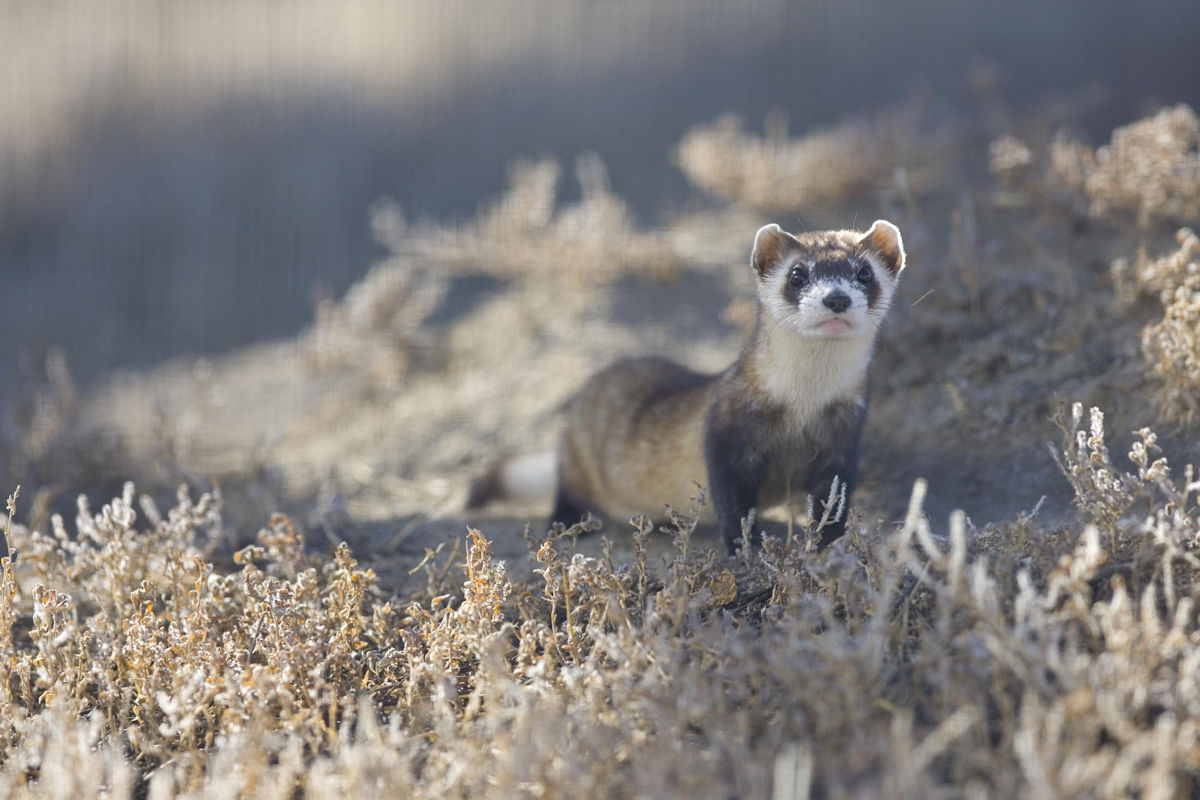
New trapping rules designed to better protect lynx and wolverine will take effect as scheduled . . .

Trapping advocates’ objections to new state rules on lynx and wolverine trapping aren’t enough to block a settlement requiring tougher protections for those animals, according to a federal judge in Missoula.

“The fact that, as a result of the regulatory changes … trappers may be left with obsolete traps, will have to check their traps more frequently, and may ultimately trap fewer animals does not constitute formal legal prejudice sufficient to torpedo the parties’ compromise,” U.S. District Judge Dana Christensen wrote in his order to dismiss Tuesday. “Their apparent displeasure with the final product is insufficient to reject the parties’ settlement.”

The original case pitted the Friends of the Wild Swan, WildEarth Guardians and Alliance for the Wild Rockies against the Montana Department of Fish, Wildlife and Parks and its board of commissioners.

Read more . . .