All posts by nfpa

Study: There have been no ‘pristine’ landscapes anywhere for thousands of years

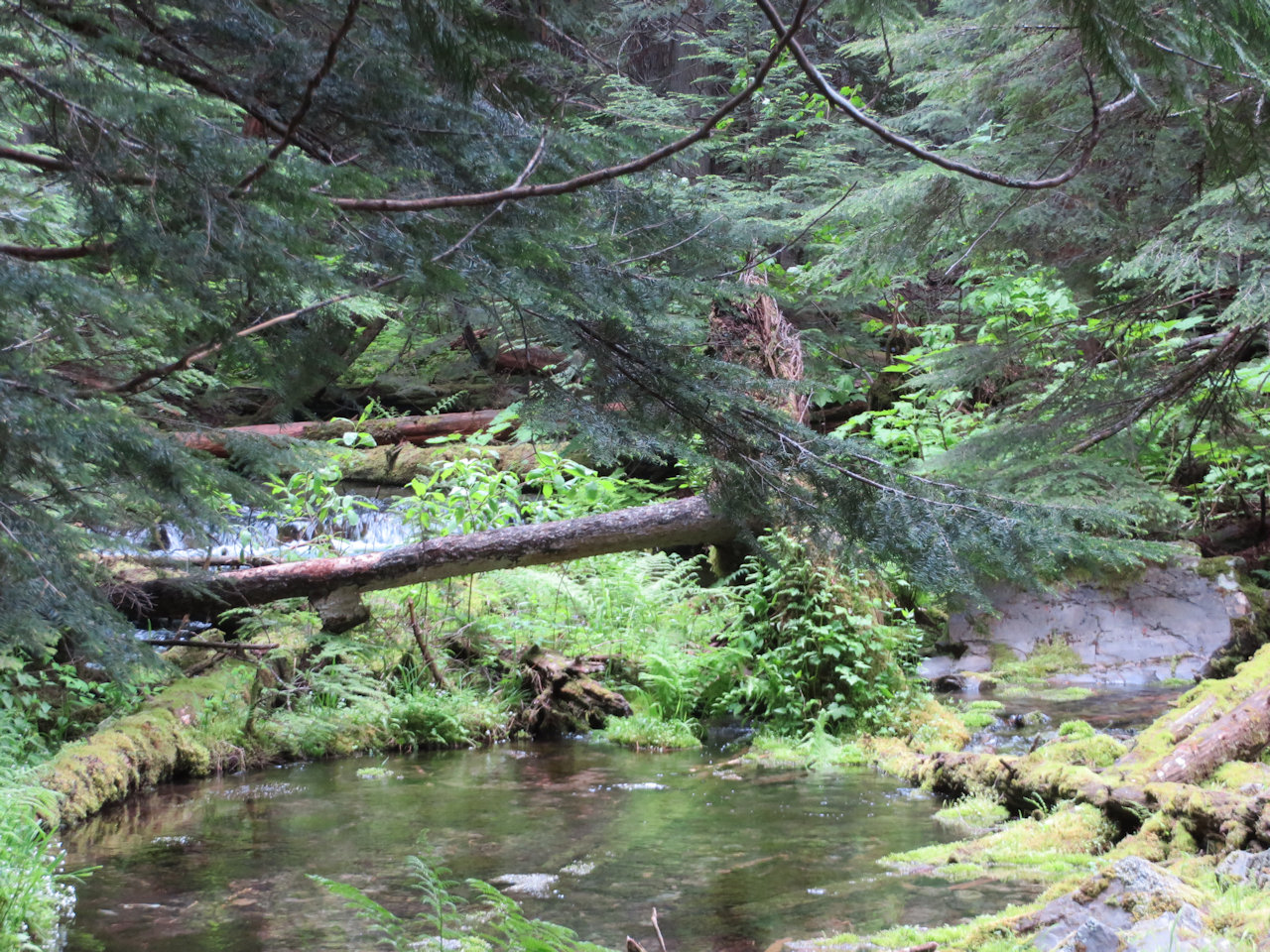
Ross Creek Cedars Area, Kootenai NF - W. K. Walker
Ross Creek Cedars Area, Kootenai NF – W. K. Walker

Here’s a mid-week thought piece. I don’t know if it will hold up over the long term, but a study was recently released by a group associated with the University of Oxford claiming that “‘Pristine’ landscapes simply do not exist anywhere in the world today and, in most cases, have not existed for at least several thousand years.” This was based on a study of archeological evidence. Late last year, a research team reached similar conclusions for North America based on species distribution studies.

Personally, the word “study” in this context gives me the itch, but there are some interesting ideas here.

Anyway, here’s the lead-in. Check it out if you wish . . .

‘Pristine’ landscapes simply do not exist anywhere in the world today and, in most cases, have not existed for at least several thousand years, says a new study in the journal, Proceedings of the National Academy of Sciences (PNAS). An exhaustive review of archaeological data from the last 30 years provides details of how the world’s landscapes have been shaped by repeated human activity over many thousands of years. It reveals a pattern of significant, long-term, human influence on the distribution of species across all of the earth’s major occupied continents and islands.

The paper by lead author Dr Nicole Boivin from the University of Oxford and Max Planck Institute for the Science of Human History, with researchers from the UK, US, and Australia, suggests that archaeological evidence has been missing from current debates about conservation priorities. To say that societies before the Industrial Revolution had little effect on the environment or diversity of species is mistaken, argues the paper. It draws on new datasets using ancient DNA, stable isotopes, and microfossils, as well as the application of new statistical and computational methods. It shows that many living species of plants, trees and animals that thrive today are those that were favoured by our ancestors; and that large-scale extinctions started thousands of years ago due to overhunting or change of land use by humans…

Read more . . .

Flathead Forest releases draft Forest Plan environmental impact statement

Lake in Flathead National Forest

Two things here: the official press release (including the humongous, unabbreviated title) and a link to an article in the Hungry Horse News providing an articulate summary . . .

Release of Draft Revised Plan for the Flathead National Forest, the Forest Plan Amendments for Helena and Lewis and Clark, Lolo, and Kootenai National Forests and Draft Environmental Impact Statement

The U.S. Department of Agriculture Forest Service today released the draft revised land and resource management plan (draft forest plan) and draft environmental impact statement (DEIS) for the Flathead National Forest for public review and comment. In addition to the effects of the draft forest plan, the DEIS includes the environmental consequences of the proposed forest plan amendments to incorporate habitat management direction for grizzly bears for the Helena-Lewis & Clark, Lolo, and Kootenai National Forests. Written and electronic comments will be accepted for 120 days.

Today’s publication of a Notice of Availability of the draft documents in the Federal Register begins the public comment period on both the draft forest plan, amendments and DEIS. A total of two open houses are scheduled in Kalispell and Missoula during the 120-day comment period. These open houses are intended as an opportunity to visit with individual planning team members and review maps of management area allocations by alternatives. The location and schedule of these open houses will be publicized in local newspapers and can be found on the Flathead National Forest website at: www.fs.usda.gov/goto/flathead/fpr. The draft documents are available for review and comment online.

Comments may be submitted via email to flatheadplanrevision@fs.fed.us, via facsimile to (406) 758- 5379 or in writing to: Flathead National Forest Supervisor’s Office, Attn: Forest Plan Revision, 650 Wolfpack Way, Kalispell, MT., 59901 The Forest Service will carefully review the comments on the draft Forest Plan, Amendments and DEIS. There will also be an objection process for any unresolved concerns prior to the final decision.

For additional information, please contact Joe Krueger, Project Manager, at (406)-758-5243, or jkrueger@fs.fed.us.


Also read: Flathead National Forest releases draft Forest Plan environmental impact statement (Hungry Horse News)

Poll: Growing number of Montanans believe public lands help jobs

It seems an increasing number of folks in Montana favor public lands . . .

Montanans across the political spectrum think federal public lands benefit the state’s economy and quality of life, according to a new poll released by the University of Montana.

“We found that support for national parks and conservation is about as popular and bipartisan an issue as you can find these days,” UM geography professor Rick Graetz said Wednesday. “There’s agreement in the state, on all sectors of politics.”

The poll of 500 registered voters throughout Montana took place on May 7, 9 and 11 by wireless and landline telephone interviews. It used the bipartisan team of Republican pollster Lori Weigel and Democratic pollster Dave Metz, who have cooperated on numerous other opinion surveys in the Rocky Mountain West. The poll had a margin of error of 4.38 percent.

Read more . . .

Montanore Mine’s new owner vows to continue development

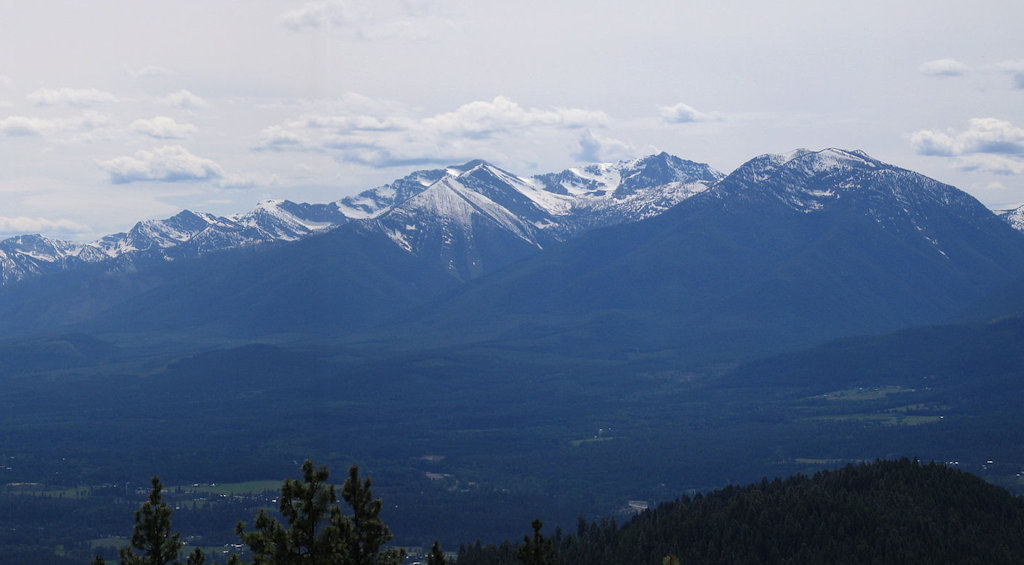
Southern Cabinet Mountains, as seen from Swede Mountain, near Libby

The Montanore Mine near the Cabinet Mountains wilderness area has a new owner, but no change in plans to develop the mine . . .

The Coeur d’Alene, Idaho-based company that purchased its second major mine project in Northwest Montana within a year has vowed to continue exploration development of both the Rock Creek and Montanore mines.

Supporters of the proposed copper and silver mines say the development of either would be a boon to the struggling local economy, which has one of the highest jobless rates in the state. But environmental groups worry about the impacts the mines will have on the wilderness above, saying the projects could dewater mountain streams for centuries.

On May 24, Hecla Mining Company announced it was acquiring Spokane-based Mines Management, which has been trying to permit the Montanore Mine south of Libby for more than a decade. In the proposed deal, Mines Management shareholders will be paid in Hecla stock.

Read more . . .

Flathead Forest posts forest plan update

Lake in Flathead National Forest

The Flathead National Forest has completed the next step in the process of arriving at a fully lawsuit-ready revised forest plan. They’ve prepared the traditional four alternatives (three really, since one of them is “do nothing”) and posted them for public comment.

Polish your glasses and find a comfy chair. it runs some 2000 pages . . .

Setting the stage for more than 2,000 pages of scientific research, new guidelines and contentious proposals, the cover of the modified management plan for the Flathead National Forest cites a symbolic quote.

“Where conflicting interests must be reconciled, the question shall always be answered from the standpoint of the greatest good of the greatest number in the long run.”

Indeed, the well-known saying by Gifford Pinchot, the first chief of the U.S. Forest Service, remains as relevant as the day it was written in 1905, and its merits are being put to the test as the agency unrolls the historic makeover of its sweeping management plan for the 2.4 million acre tract of federal land in Northwest Montana, where a rapidly growing population is placing increasing pressure on the wild interior.

After nearly three years of public meetings and analysis, the agency released the draft version of its revised forest plan on May 27, unveiling a proposed blueprint for everything within the Flathead National Forest, from recreational opportunities to designated wilderness, timber production, wildlife and habitat.

Read more . . .

Further reading:

Flathead Forest prepares for draft plan release (Missoulian)

Official forest plan website

Grizzlies appearing on high plains north of Great Falls

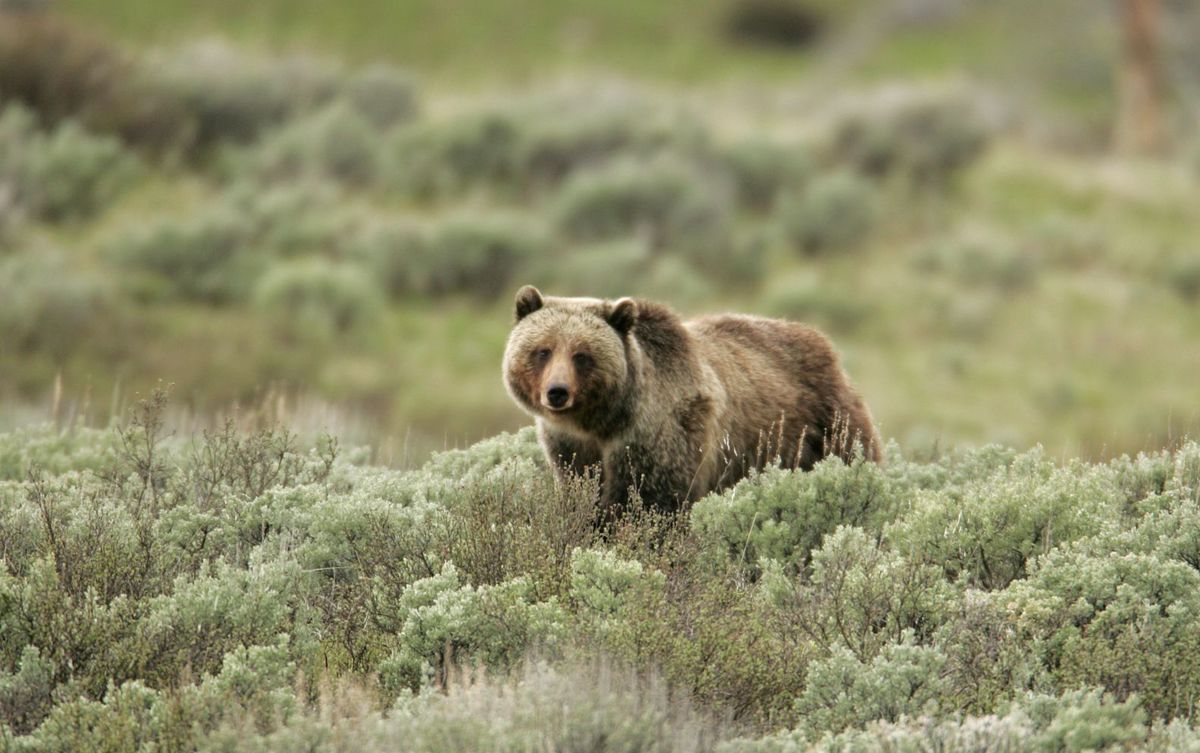
Grizzly Bear - courtesy NPS
Grizzly Bear – courtesy NPS

Nice to see grizzlies recovering more of their old range . . .

State game wardens have been busy monitoring and hazing grizzly bears as they show up on the prairies east of the Rocky Mountain Front. A trap was set for one after some chickens were killed.

Fish, Wildlife and Parks warden Mike Krings tells the Great Falls Tribune that he used cracker shells to haze a bear away from the outskirts of Conrad on Tuesday evening, while a grizzly bear making its way toward a small farmstead on Monday was spooked when Krings drove up.

Bear managers have set a trap for a grizzly bear north of Bynum after it pushed open the door of a chicken coop Monday and killed 20 chickens.

Grizzly bear manager Mike Madel says FWP has received reports of grizzlies in the Valier area, as well.

Read more . . .

Park Service wants grizzly hunting ban in corridor between Yellowstone, Grand Teton

John D. Rockefeller Jr. Memorial Parkway location

This seems quite sensible, but will no doubt trigger considerable head-butting. (Kudos to Bill Fordyce for spotting this.) . . .

The National Park Service said Tuesday there should be no hunting of grizzly bears in the 24,000-acre John D. Rockefeller Jr. Memorial Parkway between Yellowstone and Grand Teton national parks.

The parkway should be “identified” as a national park unit where grizzly hunting is prohibited, Park Service regional director Sue Masica said in a memo to the U.S. Fish and Wildlife Service. The parkway is owned and managed by the Park Service, but hunting is allowed. Additionally, any hunting program in the ecosystem should limit the likelihood that “well-known or transboundary bears will be harvested,” Masica wrote.

Her comments were in response to a proposed Fish and Wildlife Service plan to remove federal protection from the Yellowstone grizzly. That delisting action is expected to be completed by the end of this year and would open the door for Wyoming, Idaho and Montana to institute hunts. The deadline for submitting comments on the delisting plan was Tuesday.

Read more . . .