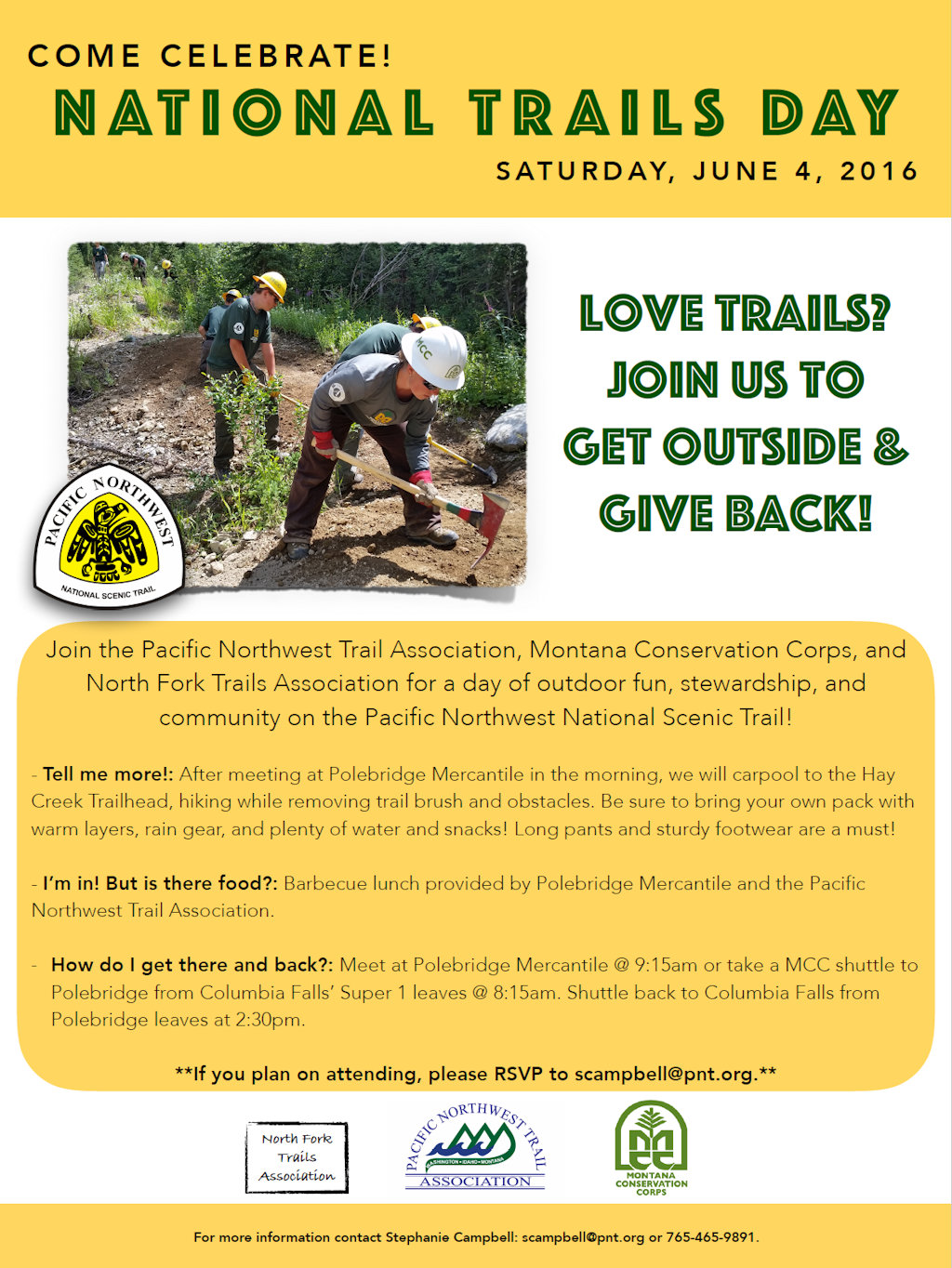
National Trails Day in the North Fork! – Sat., June 4
The Flathead National Forest has completed the next step in the process of arriving at a fully lawsuit-ready revised forest plan. They’ve prepared the traditional four alternatives (three really, since one of them is “do nothing”) and posted them for public comment.
Polish your glasses and find a comfy chair. it runs some 2000 pages . . .
Setting the stage for more than 2,000 pages of scientific research, new guidelines and contentious proposals, the cover of the modified management plan for the Flathead National Forest cites a symbolic quote.
“Where conflicting interests must be reconciled, the question shall always be answered from the standpoint of the greatest good of the greatest number in the long run.”
Indeed, the well-known saying by Gifford Pinchot, the first chief of the U.S. Forest Service, remains as relevant as the day it was written in 1905, and its merits are being put to the test as the agency unrolls the historic makeover of its sweeping management plan for the 2.4 million acre tract of federal land in Northwest Montana, where a rapidly growing population is placing increasing pressure on the wild interior.
After nearly three years of public meetings and analysis, the agency released the draft version of its revised forest plan on May 27, unveiling a proposed blueprint for everything within the Flathead National Forest, from recreational opportunities to designated wilderness, timber production, wildlife and habitat.
Further reading:
Flathead Forest prepares for draft plan release (Missoulian)

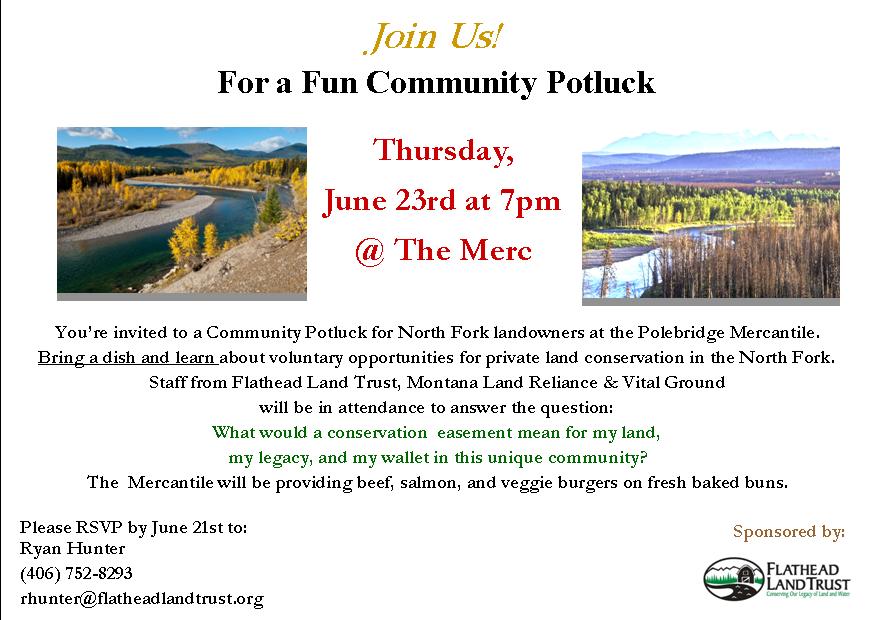
The registration deadline for the North Fork landowner’s community potluck has been extended to June 21 . . .
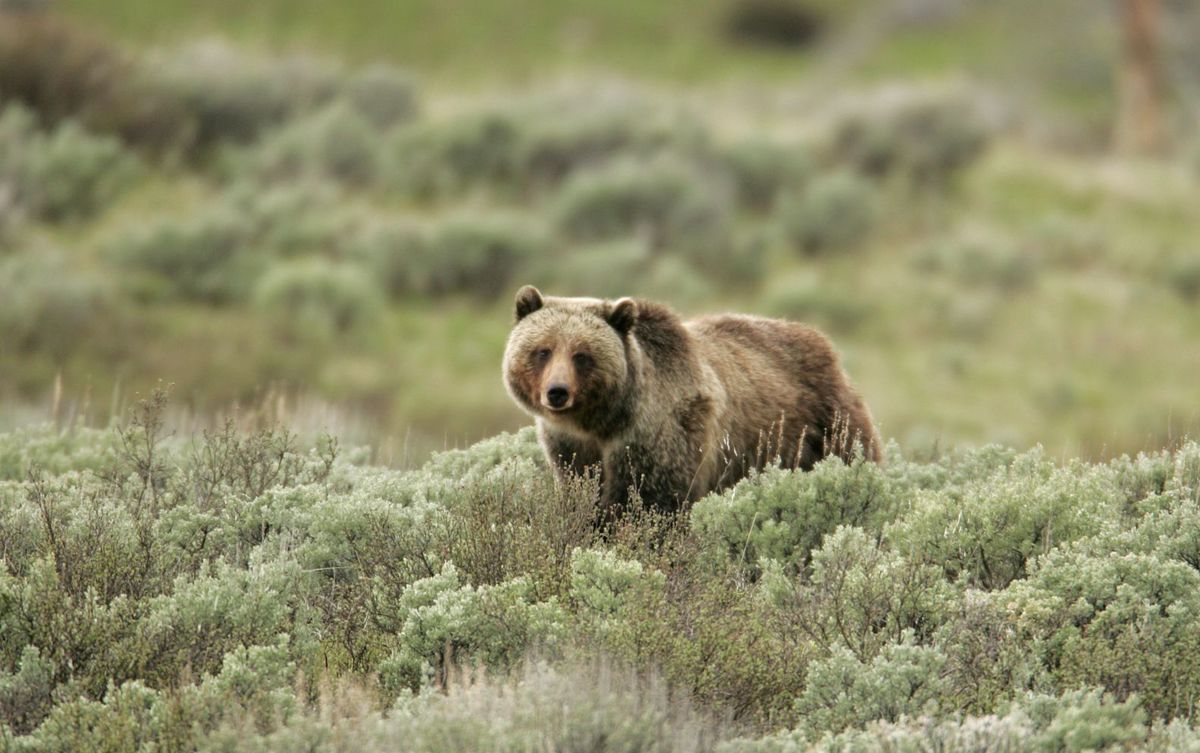
Nice to see grizzlies recovering more of their old range . . .
State game wardens have been busy monitoring and hazing grizzly bears as they show up on the prairies east of the Rocky Mountain Front. A trap was set for one after some chickens were killed.
Fish, Wildlife and Parks warden Mike Krings tells the Great Falls Tribune that he used cracker shells to haze a bear away from the outskirts of Conrad on Tuesday evening, while a grizzly bear making its way toward a small farmstead on Monday was spooked when Krings drove up.
Bear managers have set a trap for a grizzly bear north of Bynum after it pushed open the door of a chicken coop Monday and killed 20 chickens.
Grizzly bear manager Mike Madel says FWP has received reports of grizzlies in the Valier area, as well.
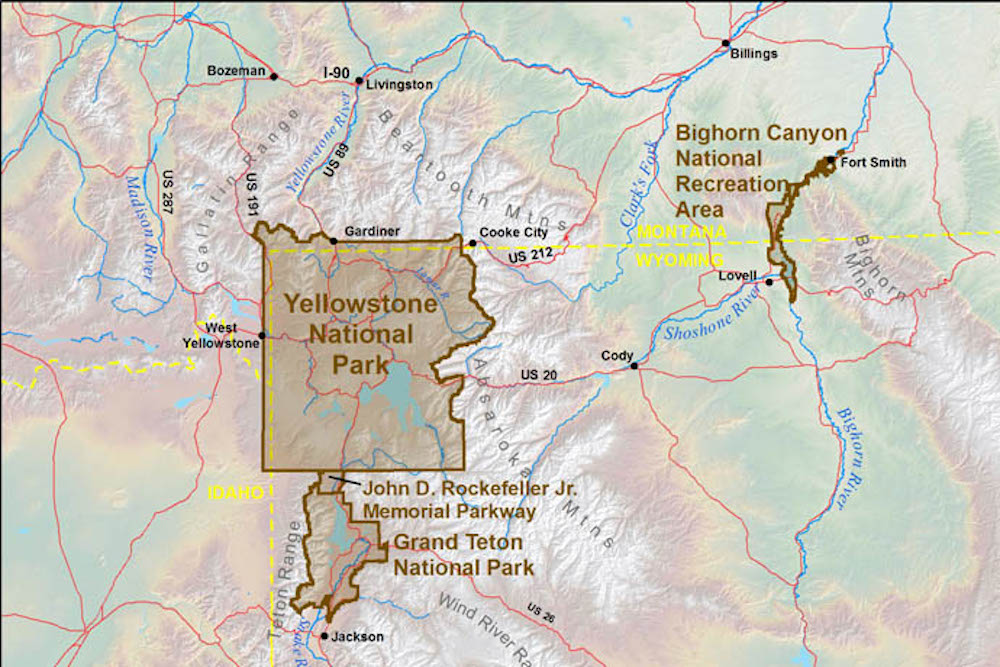
This seems quite sensible, but will no doubt trigger considerable head-butting. (Kudos to Bill Fordyce for spotting this.) . . .
The National Park Service said Tuesday there should be no hunting of grizzly bears in the 24,000-acre John D. Rockefeller Jr. Memorial Parkway between Yellowstone and Grand Teton national parks.
The parkway should be “identified” as a national park unit where grizzly hunting is prohibited, Park Service regional director Sue Masica said in a memo to the U.S. Fish and Wildlife Service. The parkway is owned and managed by the Park Service, but hunting is allowed. Additionally, any hunting program in the ecosystem should limit the likelihood that “well-known or transboundary bears will be harvested,” Masica wrote.
Her comments were in response to a proposed Fish and Wildlife Service plan to remove federal protection from the Yellowstone grizzly. That delisting action is expected to be completed by the end of this year and would open the door for Wyoming, Idaho and Montana to institute hunts. The deadline for submitting comments on the delisting plan was Tuesday.
This is a pretty good summary of the Bitterroot Forest’s recently released travel plan . . .
For the first time in 40 years, the Bitterroot National Forest officially has a new updated travel management plan.
The effort follows nine years of public involvement, a record 13,400 comments and court decisions that altered the process midstream before the final document could be released to the public.
Forest Supervisor Julie King signed off on the Bitterroot Forest’s Travel Management Plan Environmental Impact Statement and Record of Decision [on May 11].
The plan dictates how both summer and winter motorized use is managed on the 1.6 million acre national forest.
This recent National Park Service press release looks pretty interesting . . .
The Crown of the Continent Research Learning Center announces a summer long National Park Service Centennial BioBlitz at Glacier National Park (GNP). Visitors to the park are invited to become citizen scientists by documenting wildlife sightings within GNP on the free iNaturalist app. The public may also sign up for a free account from their computer at http://www.inaturalist.org.
The BioBlitz iNaturalist project “Glacier Wildlife Observations” takes place from May 1 through September 30, 2016. Observation data recorded between Friday May 20 and Sunday May 22 will be displayed in real time on a “jumbotron” at the Biodiversity Festival on the National Mall in Washington, DC.
“All interested visitors to Glacier National Park are encouraged to document wildlife sightings within the park during the NPS Centennial summer,” said Crown of the Continent Research Learning Center Director Tara Carolin. “No animal is too large or insect too small. We are interested in every kind of fauna visitors may encounter during their summer visits to Glacier. Once you #FindYourPark, we invite you to #FindOurFauna.” Continue reading NPS Centennial BioBlitz opportunity announced
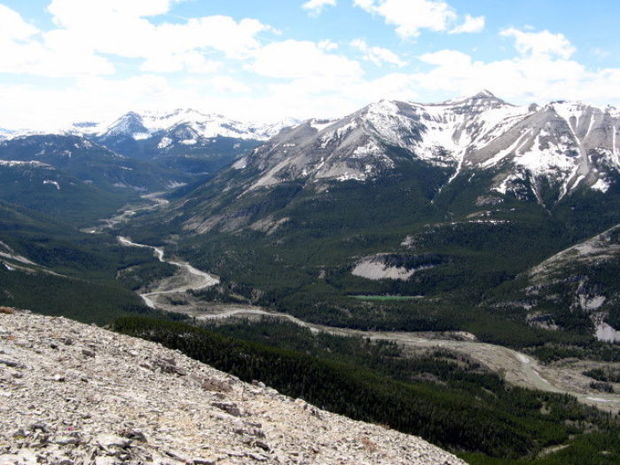
The Blackfeet are keeping up the pressure in the fight over drilling leases in the Badger-Two Medicine region . . .
While a decades-long legal struggle over energy exploration in the Badger-Two Medicine revolves around its sacred nature to the Blackfeet Indians, it wasn’t until this week that the tribe officially asked to join the fight.
Blackfeet tribal leaders joined several conservation groups in requesting intervener status in the case between Solenex LLC and the U.S. Department of the Interior before U.S. District Court Judge Richard Leon in Washington, D.C. Two months ago, Interior Secretary Sally Jewell accepted a recommendation from the U.S. Forest Service to cancel Solenex’s drilling leases on 6,200 acres of public land just south of the Blackfeet Indian Reservation. Solenex asked Leon to overrule the decision and reinstate the leases.
“Those representing traditional Blackfeet culture did not have a seat at the table 30 years ago when the federal government leased our sacred lands for a dollar an acre,” said John Murray of the Pikuni Traditionalist Association. “This intervention is important to ensure that those representing traditional Blackfeet culture have a seat at the table now as the court considers the validity of the government’s effort to correct that 30-year-old mistake.”
From the official press release . . .
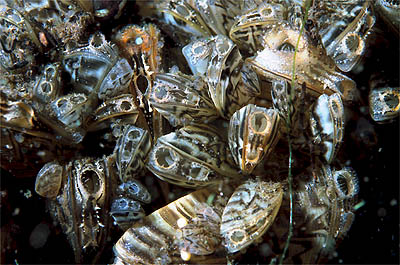
Glacier National Park continues its boat inspections and permit process for this summer as part of an ongoing aquatic invasive species (AIS) prevention program. Westward expansion of zebra and quagga mussels, and other aquatic invasive species transported mainly on recreational watercraft, is driving regional water resource managers to ramp up existing AIS prevention strategies. Mussel infestations are increasing across the country, and present greater threats to park waters as more boats testing positive for mussels are intercepted in the northwest each year.
Invasive mussels are found on boats within Montana or passing through Montana on a regular basis. Eurasian watermilfoil and other invasive aquatic plants are also present in western Montana waterways, necessitating a high degree of vigilance to prevent spread.
A National Park Service inspection is required for all motorized and trailered watercraft. A self-certification permit is required for all non-trailered, hand-propelled watercraft. Park managers encourage all boaters to thoroughly clean, drain, and dry their watercraft and/or fishing equipment before coming to the park to prevent the spread of aquatic invasive species.
“We realize that recreational boaters will face added time and inconvenience while recreating in Glacier National Park,” said Brian McKeon, supervisor for the AIS Inspection Program. “The consequences of Aquatic Invasive Species becoming established in park waters at the headwaters for the Columbia, Missouri and Hudson Bay watersheds are dire for aquatic ecosystems, recreational opportunities, and economic concerns downstream.” Continue reading Glacier Park’s aquatic invasive species prevention program continues