Cliff swallows return to Polebridge; mosquitoes disappear

Cliff Swallow

The Missoulian posted a nice article about Polebridge’s burgeoning cliff swallow population . . .

A building boom has hit the North Fork of the Flathead, and for once, the neighbors are celebrating.

“They’re building a town right in our town,” Polebridge Merc owner Will Hammerquist said of the colony of cliff swallows that has claimed eminent domain on the eaves of his solar barn. “They arrived about two weeks ago. And do you see any bugs? Look at what they’ve done to the mosquitoes.”

Indeed, Polebridge feels remarkably bug-free compared to the forests of Glacier National Park just minutes to the west. The tiny birds feed on flying insects. What appear to be drunkenly random flight paths actually trace life-and-death pursuits of food on the wing.
Read more . . .

Grizzly committee works on outreach as bear sightings spread

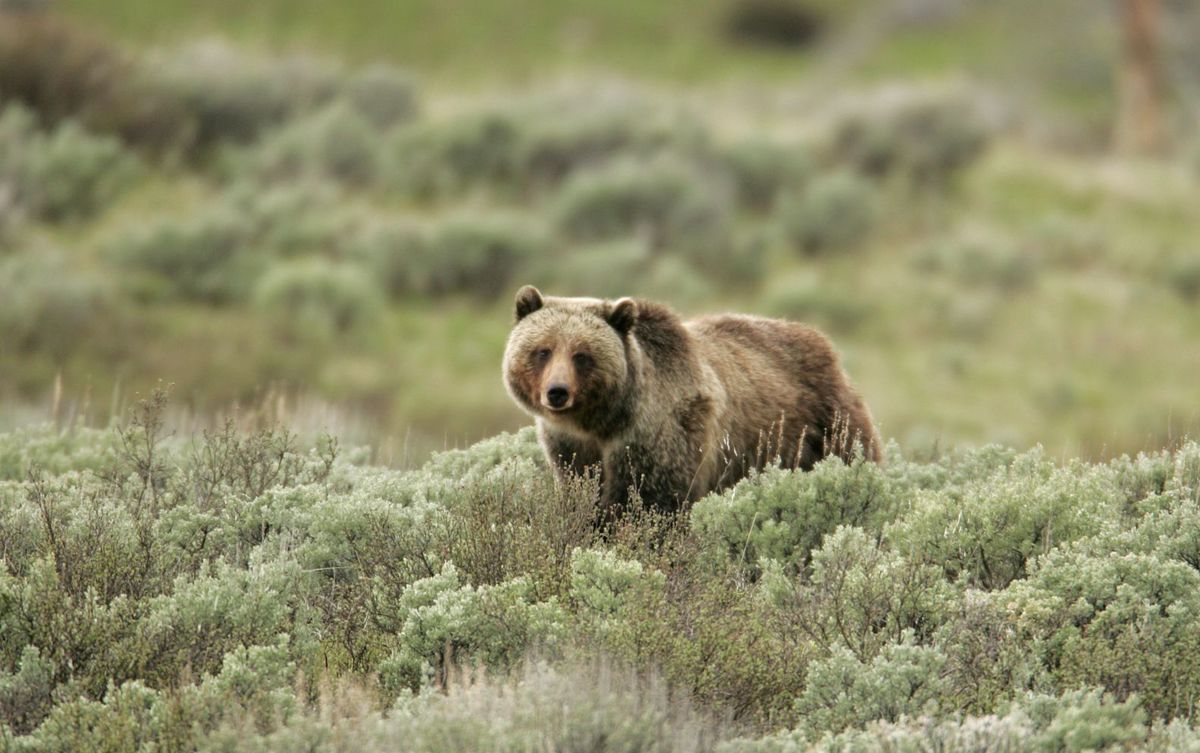
Grizzly Bear - courtesy NPS
Grizzly Bear – courtesy NPS

As the grizzly bear population rises, the bears spread into more of their historic range . . .

A probable grizzly bear sighting just over the edge of the Missoula Valley highlights the theme of this week’s Interagency Grizzly Committee meeting in Choteau: People get ready.

“We’ve done such a good job with the recovery, the public needs to understand what’s happening and how they can be safe in where they live,” IGBC spokesman Gregg Losinski said on Friday. “There are challenges because we’re not doing recovery anymore — we’re doing management.”

Since getting federal protection under the Endangered Species Act in 1975, grizzly bears now number nearly 2,000 in the continental United States. Most of those are concentrated in the Greater Yellowstone Ecosystem around Yellowstone National Park (about 700 grizzlies) and the Northern Continental Divide Ecosystem between Missoula and Glacier National Park (about 1,000 grizzlies).

Read more . . .

Secretary Zinke suggests trimming Bears Ears National Monument

Bears Ears National Monument - Bob Wick, BLM-Flickr
Bears Ears National Monument – At 1.35 million acres, it is among the largest national monuments in the country – Bob Wick, BLM-Flickr

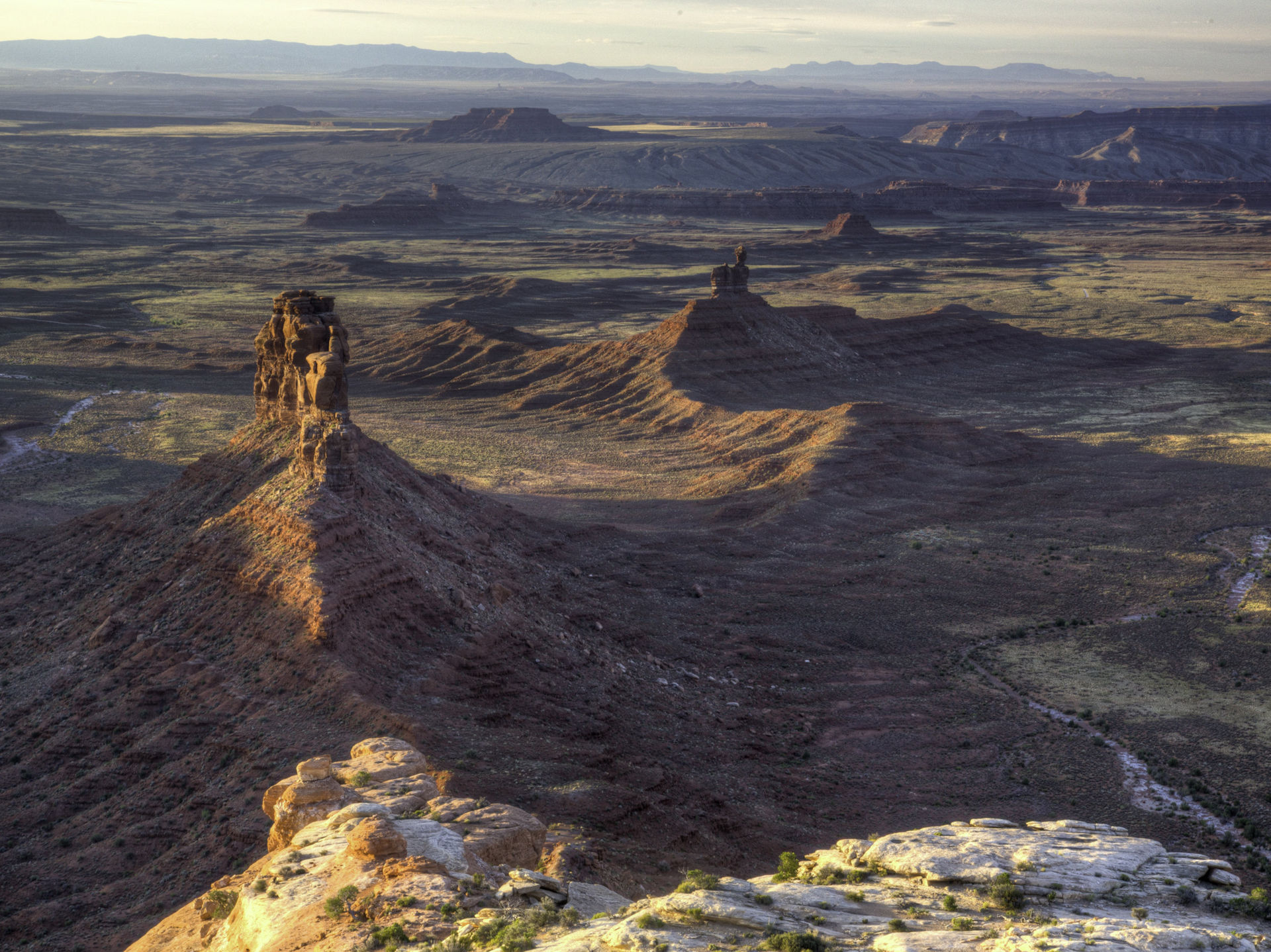
In case you’ve been hiding under a rock this week, here’s a pretty good write-up on the potential proposal to reduce the size of the Bears Ears National Monument . . .

Interior Secretary Ryan Zinke on Monday recommended that the new Bears Ears National Monument in Utah be reduced in size and said Congress should step in to designate how selected areas of the 1.3 million-acre site are managed.

Zinke made the recommendation as part of an interim report to President Donald Trump on the scenic swath of southern Utah with red rock plateaus, cliffs and canyons on land considered sacred to tribes.

Trump signed an executive order in April directing Zinke to review the designation of dozens of national monuments on federal lands, calling the protection efforts “a massive federal land grab” by previous administrations.

Read more . . .

Next step in forest plan revision delayed

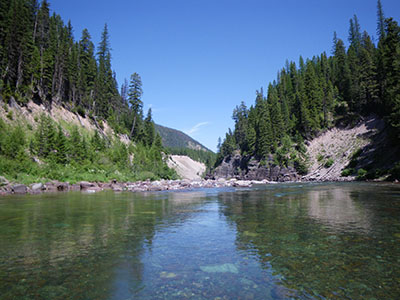
Lake in Flathead National Forest

The Flathead National Forest’s schedule for their new forest management plan has slipped a bit . . .

The next step in the years-long effort to develop a revised management plan for the Flathead National Forest, originally expected this month, won’t be rolled out until late August at the earliest.

Joe Krueger is leading the team to develop the 2.4 million-acre forest’s first management plan overhaul in the last 30 years. He said Friday the expected June release of the final environmental impact statement has been pushed back two months due to a combination of factors, including the need to coordinate extensively with the U.S. Fish and Wildlife Service and the Washington, D.C. headquarters of the U.S. Forest Service.

“The time-frames take longer when you’re dealing with 33,000 comments, and we’re trying to keep it as accurate as possible,” Krueger said, adding that he’s also been diverted by several broad public-records requests submitted under the Freedom of Information Act.

Read more . . .

Nature as classroom

Photo by W. K. Walker

Former North Forker and NFPA stalwart Ellen Horowitz got a nice write-up in the Flathead Beacon this week as part of their article about adult nature classes given by the Glacier Institute . . .

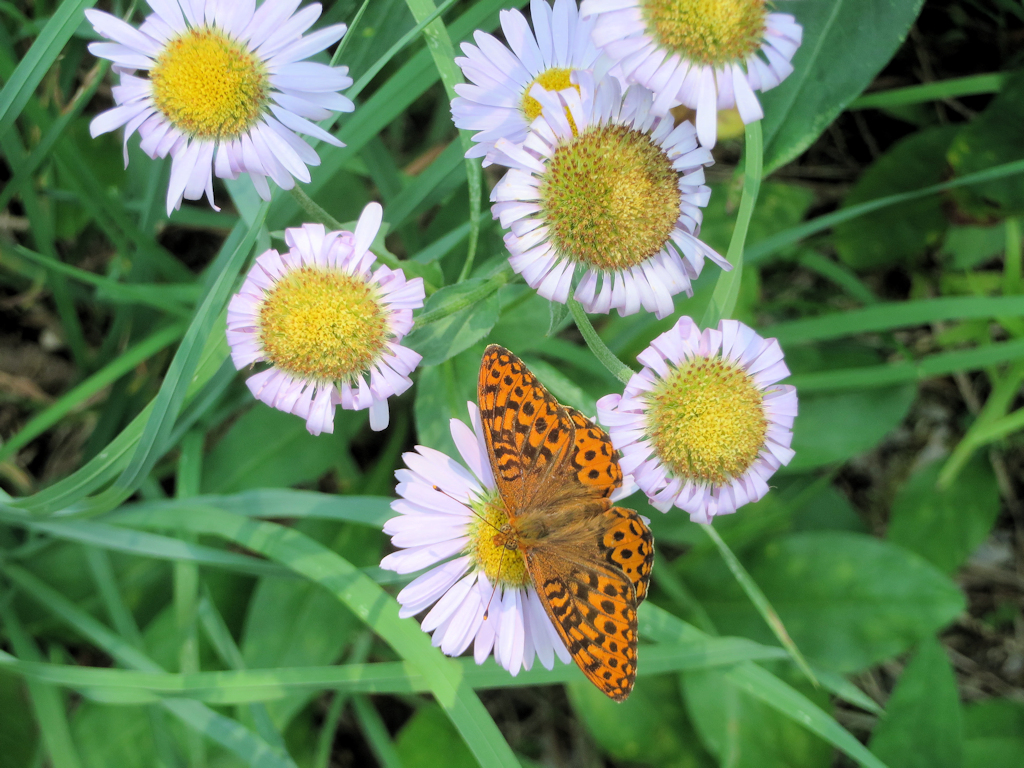
The trail leading to Firebrand Pass was lit by intermittent sun, giving the already-expressive mountains flanking the park’s eastern border an extra sense of drama as the light shifted and moved with the wind.

But even that high-altitude spectacle couldn’t pull the eyes of a small group of people from the ground, where they studied leaves and petals in various greens and pinks and purples, the summertime color explosion of plants awakening for their time, however short, to shine.

This is how botanist and instructor Ellen Horowitz sees the park, not in the macro of the craggy peaks and pristine lakes, though she also enjoys those, but rather in the micro details.

Read more . . .

Montana to change how it counts wolves

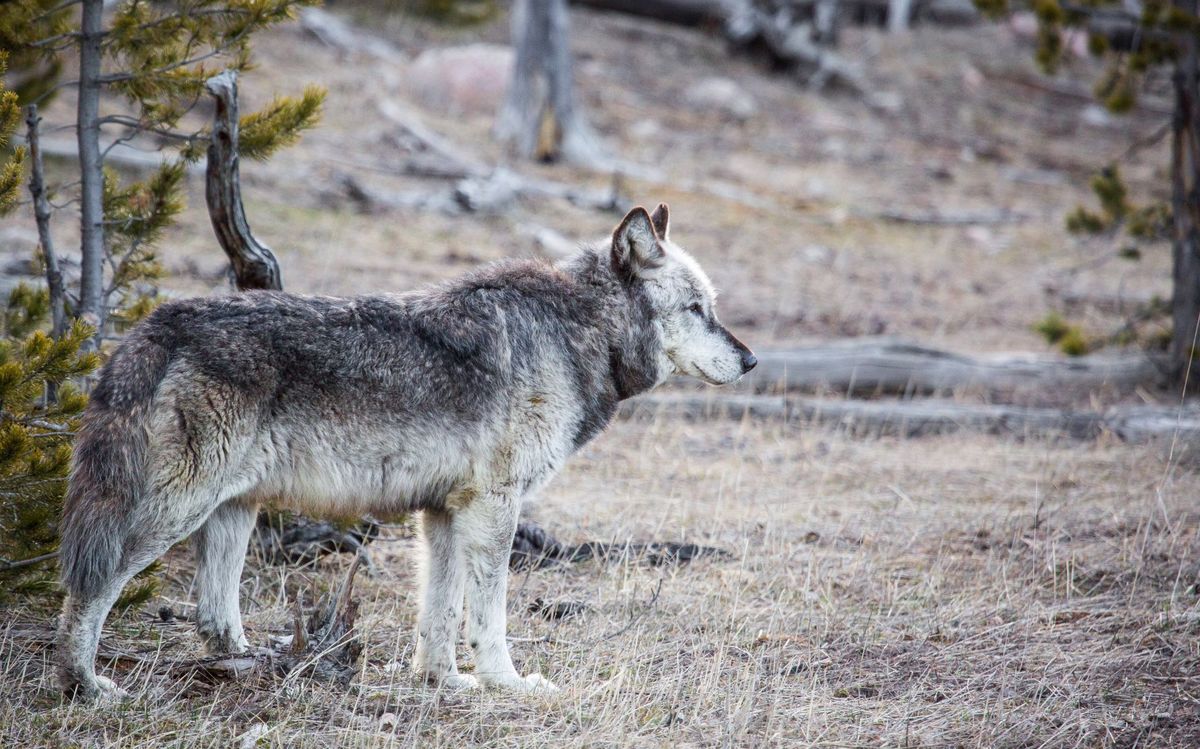
Wolf photo from 2016 of the then 11-year-old alpha male of the Yellowstone NP Canyon pack - Neal Herbert-NPS
Wolf photo from 2016 of the then 11-year-old alpha male of the Yellowstone NP Canyon pack – Neal Herbert-NPS

Montana plans to change the way they count wolves. The Missoulian has the story. We’ve also included a link to the official Montana FWP press release discussing the subject . . .

Montana wildlife officials say the way they count wolves is too expensive and falls far short of an actual population estimate, so they plan to switch to a model that uses information gathered from hunters.

However, wildlife advocates say wolf numbers are declining and the switch could threaten the species’ survival. They worry the data is too unreliable to be used to manage the population.

The change, expected within the next three years after improvements to the model, will be cheaper than the annual wolf counts conducted now and provide a more accurate estimate of the total population, Montana Fish, Wildlife and Parks officials said.

Read more . . .

Also read: Montana’s wolf population still strong, report shows (official Montana Fish, Wildlife and Parks press release)

Interior Secretary Zinke to review sage grouse protections

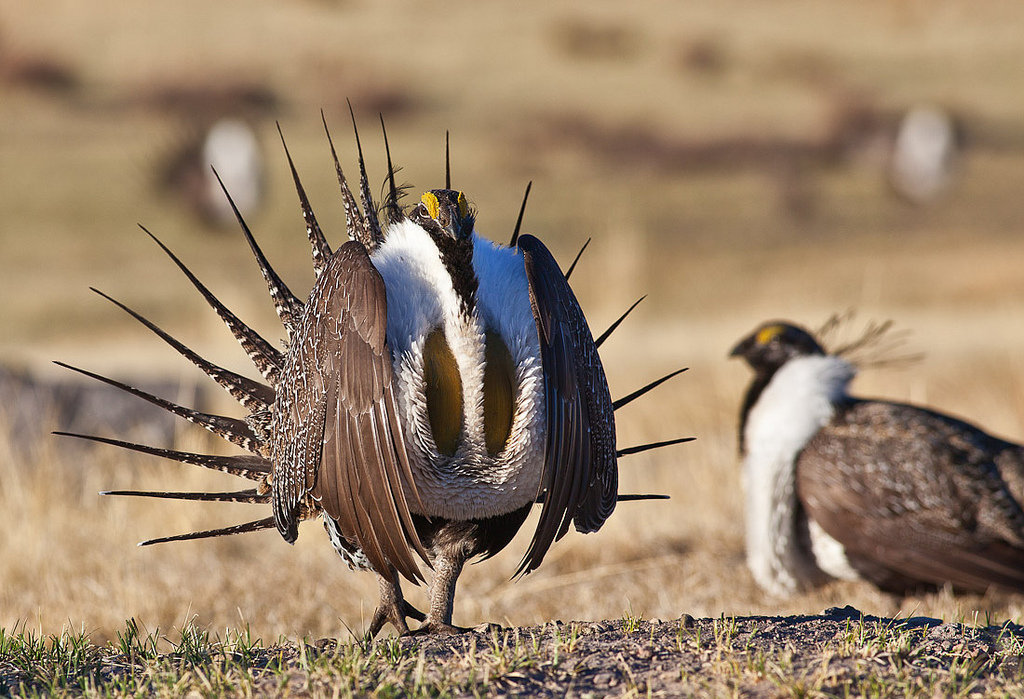
Sage Grouse - BLM photo
Sage Grouse – BLM photo

This is the NPR version of this story, including a pretty neat sage grouse video . . .

Interior Secretary Ryan Zinke has announced that regulations protecting the sage grouse – rules which have been subject to years of negotiation and controversy in Western states – are once again under review.

This puts the Greater Sage Grouse Conservation plan, finalized in 2015, in a state of flux.

Zinke stressed that the Trump administration wants to see improvement in the bird’s conservation, but also wants to make sure that state agencies are “heard on this issue.” He said that possible modifications would take into account “local economic growth and job creation.”

It’s safe to say that the sage grouse, found only in North America, is a singular, strange bird that elicits strong feelings…

Read more . . .

Also read: Interior Chief to Review Sage-Grouse Conservation Plan (Flathead Beacon)

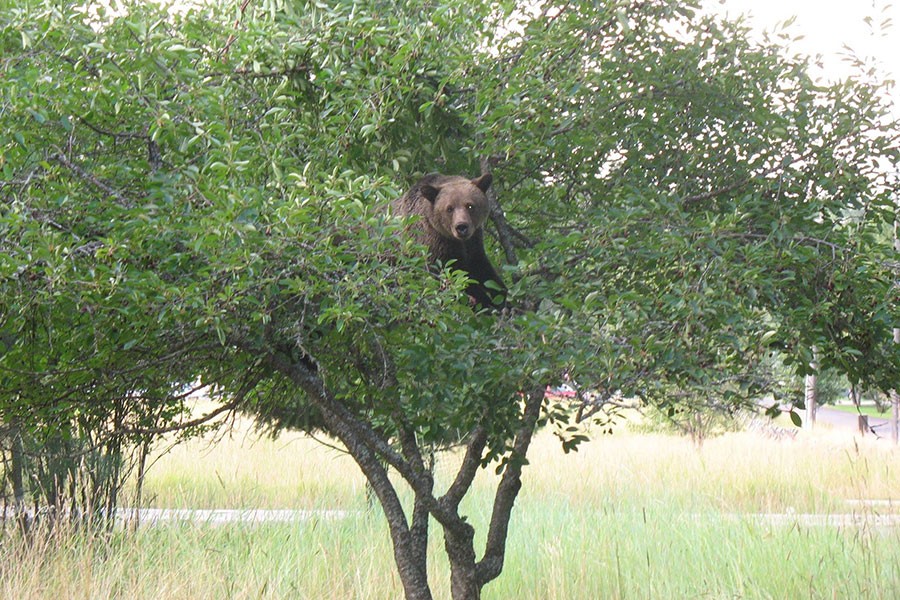
Cherry-loving grizzly in trouble again this year

A young grizzly bear browses a cherry tree on Dakota Avenue in Whitefish, Aug 2016 - by Jan Metzmaker
A young grizzly bear browses a cherry tree on Dakota Avenue in Whitefish, Aug 2016 – by Jan Metzmaker

Remember the grizzly photographed sitting in a cherry tree in Whitefish last year? This spring, still a nuisance, it was captured again and relocated to the Spotted Bear River drainage . . .

A 3-year-old male grizzly bear that had been spotted feeding in yards and pastures near Fortine has been captured and released in the Spotted Bear River drainage.

The bear was captured on May 23 in the Deep Creek drainage and released the next day, according to Montana Fish, Wildlife and Parks officials.

The bear was “very habituated to human activity and being around homes,” according to a press release, and landowners were concerned about how much time the bear was spending around homes. FWP made the decision to capture the bear and relocate it to a more remote location.

Read more . . .

Approvals for mine near Cabinet Wilderness overturned

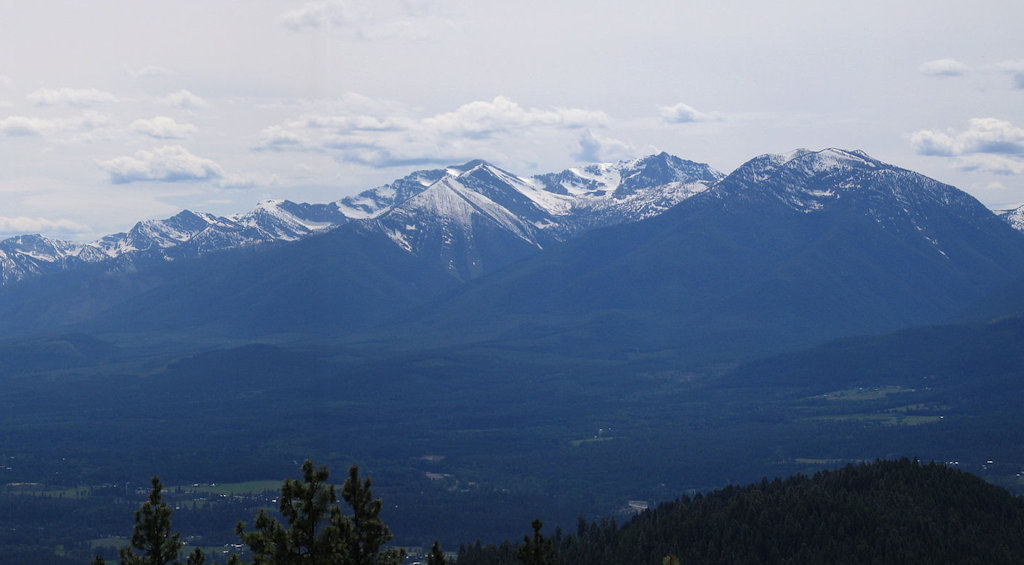
Southern Cabinet Mountains, as seen from Swede Mountain, near Libby

The U.S. Fish and Wildlife Service and the U.S. Forest Service had a bad day in court when federal judge Donald Malloy overturned their approvals for construction of the Montanore mine at the edge of the Cabinet Mountains Wilderness . . .

In two decisions issued at the end of May, U.S. District Judge Donald Molloy ruled that the U.S. Fish and Wildlife Service and U.S. Forest Service violated the Endangered Species Act, the Clean Water Act, the National Forest Management Act, and the National Environmental Policy Act when they approved a massive mining operation beneath the Cabinet Mountains Wilderness.

Hecla Mining Company is looking to build the Montanore copper and silver mine on the edge of the wilderness, about 18 miles south of Libby. The mine’s presence would require about 13 miles of paved or expanded roads, 14 miles of electric transmission line, wastewater treatment and holding, and tailings and seepage storage. If constructed, it would process tens of thousands of tons of ore every day.

The mine’s surface operations would be in known grizzly bear and bull trout habitat, and its underground activity would extend beneath the wilderness area, potentially draining millions of gallons of water from the local creeks.

Read more . . .

Also read: Federal judge overturns approvals for proposed Montana mine (Daily Inter Lake)

Waterton-Glacier mushroom ‘bioblitz’ announced

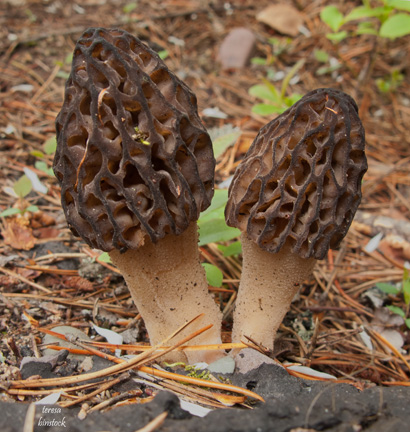
Morel mushrooms near West Glacier, Montana - Cathy McCoy
Morel mushrooms near West Glacier, Montana – Cathy McCoy

From the official press release . . .

The Crown of the Continent Research Learning Center is pleased to announce its inaugural Waterton-Glacier Mushroom BioBlitz June 9 and 11 at Glacier and Waterton Lakes National Parks. Visitors will work alongside taxonomic experts to document fungal diversity, and learn more about mushrooms and other fungi in the Crown of the Continent. Participants will use the iNaturalist app to record field observations, and are encouraged to download the app prior to the event.

Glacier National Park’s Mushroom BioBlitz is June 9 from 9:00 a.m. to 5:00 p.m. at Apgar, St. Mary, and North Fork locations. Participants are not required to stay until 5 pm. The event is free and open to people of all ages and skill levels. Registration is required. Visit https://www.nps.gov/rlc/crown/bioblitz.htm to register. Contact CCRLC at (406)-888-7944 or email Evan Portier at evan_portier@nps.gov for more information.

Waterton Lakes National Park’s Mushroom BioBlitz is June 11 from 9:00 a.m. to 5:00 p.m. Contact william.greene@pc.gc.ca for more information. Remember to bring a valid passport if traveling across the border.

Funding and support for the Wateron-Glacier Mushroom BioBlitz is provided by the Glacier National Park Conservancy, Montana Geographic Alliance, Western Montana Mycological Association, and the Alberta Mycological Society.