Category Archives: News

Conservation groups want USFWS to continue wolf monitoring

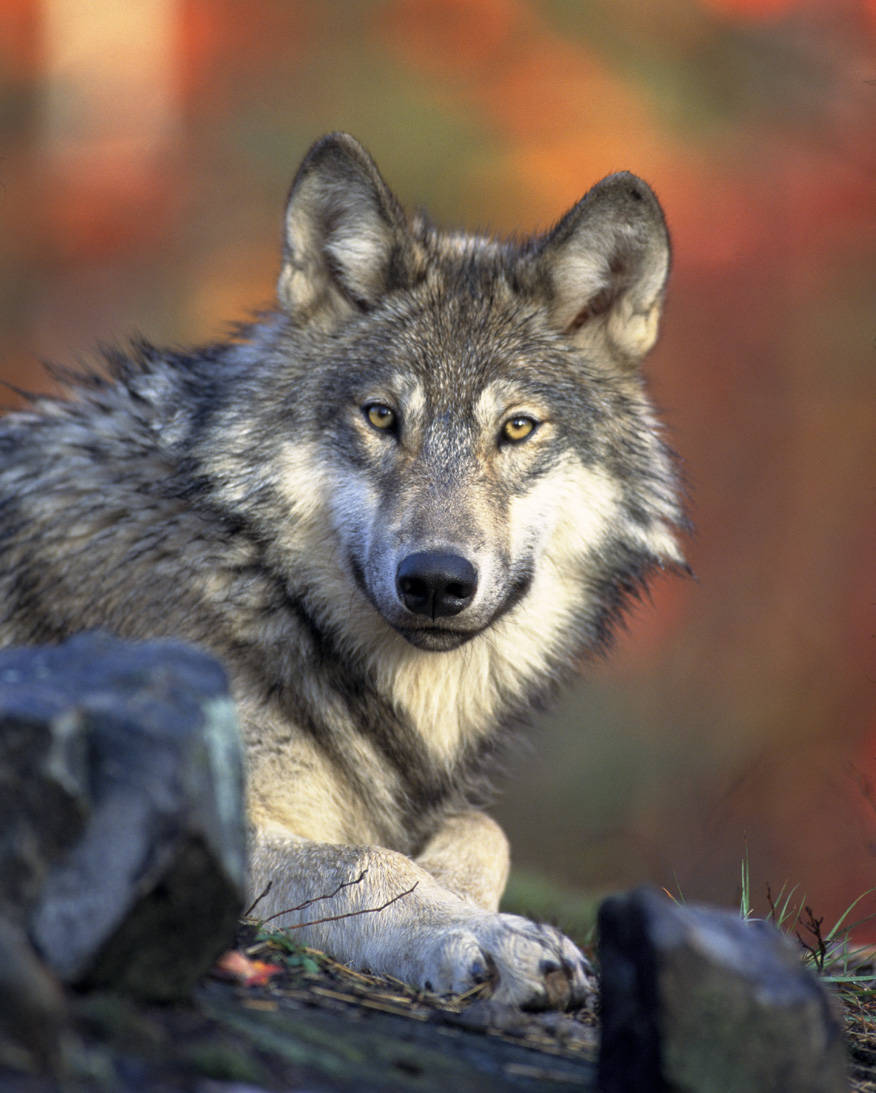
Gray Wolf

Several conservation groups want the U.S. Fish and Wildlife Service to continue keeping an eye on things in areas where the gray wolf has been delisted . . .

Five conservation groups on Tuesday asked the U.S. Fish and Wildlife Service to extend its oversight of wolves in Montana and Idaho that is set to expire in May.

The agency removed the two states’ gray wolf populations from the Endangered Species List in 2011 after finding they were sufficiently recovered. The delisting order required the Fish and Wildlife Service to continue monitoring the population for five years as the states’ wildlife agencies assume management of the species.

Read more . . .

States divvy up potential Yellowstone region grizzly hunt

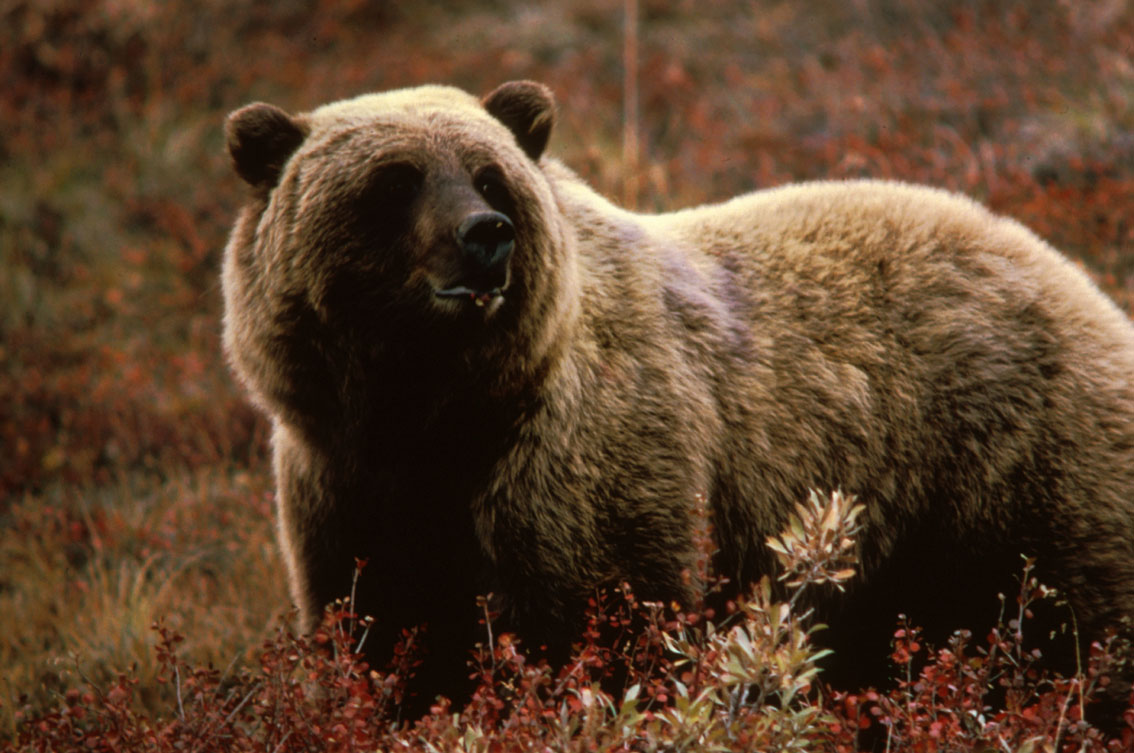
Brown Grizzly Bear - Wikipedia User Mousse

You know grizzly bear delisting is getting serious when they start discussing who gets to shoot how many . . .

Wildlife officials have divvied up how many grizzly bears could be killed by hunters in the Yellowstone region of Wyoming, Montana and Idaho as the states seek control of a species shielded from hunting for the past 40 years, according to documents obtained by the Associated Press.

The region’s grizzlies currently are under federal protection, but that could change in coming months, turning control over to the states. A draft agreement detailing the states’ plans for the animals was obtained by The Associated Press.

The agreement puts no limits on grizzly bear hunting outside a 19,300-square mile management zone centered on Yellowstone National Park. Inside the zone, which includes wilderness and forest lands adjacent to the park, hunters in Wyoming would get a 58 percent share of the harvest, a reflection that it’s home to the bulk of the region’s bears. Montana would get 34 percent and Idaho 8 percent.

Read more . . .

Moose population study continues

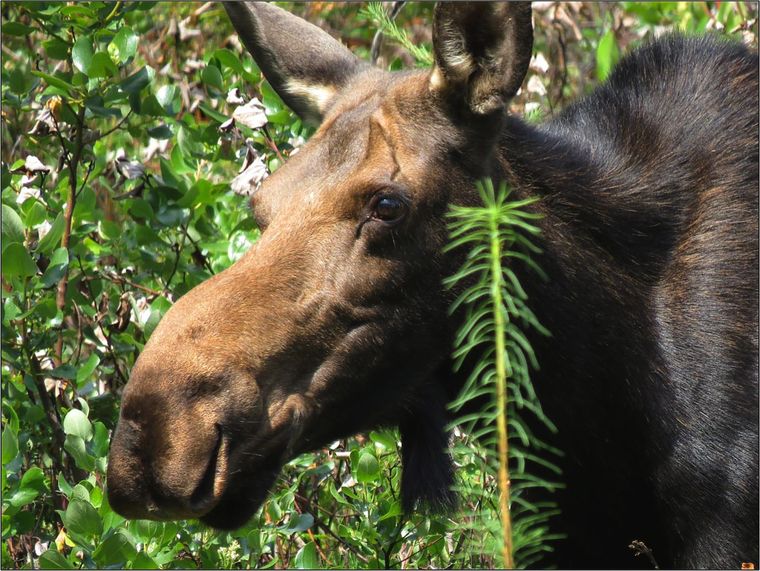
Moose - Montana Fish, Wildlife and Parks

As mentioned in previous posts here, here and here, Montana’s Moose population is declining and no one is quite sure why . . .

If you went hunting last year, the people at the check station who asked if you had seen any moose weren’t just making conversation.

Those drive-by surveys are part of an ongoing study by Montana Fish, Wildlife and Parks to find out why the massive ungulates have been disappearing from the landscape over the past few decades.

Jesse Newby, a wildlife research technician for Montana Fish, Wildlife and Parks, said the statewide study launched in 2013. He and wildlife biologist Nick DeCesare use aerial flights and radio tracking as their primary tools to monitor moose populations in the Cabinet Mountains, the Big Hole Valley and the Rocky Mountain Front.

Read more . . .

Glacier Institute rolls out 2016 winter courses

The Glacier Institute’s tracking course will be in the North Fork again this winter . . .

The Glacier Institute, a public educational leader in the Crown of the Continent, will kick off 2015 with a course Jan. 9 in animal tracking and sign interpretation. A longtime favorite, the course will return to the North Fork region for the second year after some 20 seasons of exploring in West Glacier.

“There’s awesome tracking along the North Fork—aquatic, riparian, and terrestrial species,” said Director of Education Justin Barth. “There’s a lot of action. If they’re really lucky, they could see rare carnivore tracks, maybe wolves or wolverines. Or [tracks from] a grizzly bear out taking a break from his nap.”

Brian Baxter, a wildlife researcher with years of experience tracking and trapping, will lead the field course, as he has for many years. He’ll lead participants along four or so miles of eastern shore of the North Fork, teaching them to observe the evidence of nature.

Read more . . .

‘Twenty-five grizzly bears a year die in Yellowstone Park, but this one had a name’

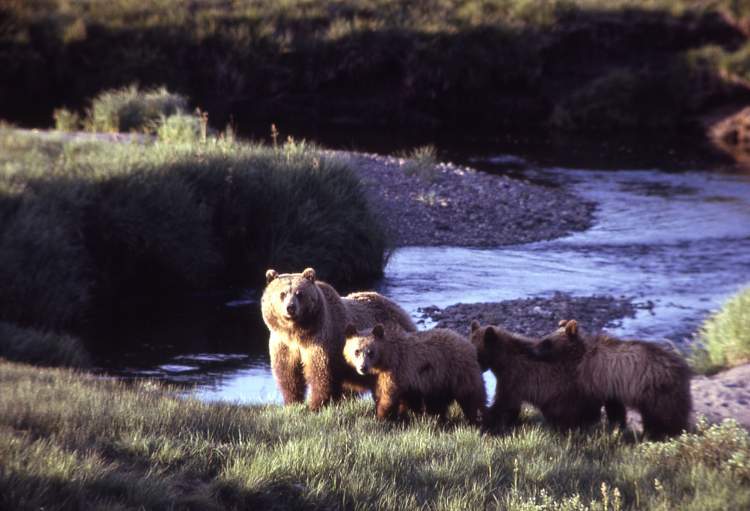
Grizzly bear sow with three cubs

Here’s an interesting article that picks up social media’s impact on bear management and runs with it . . .

When a grizzly bear killed a hiker in Yellowstone National Park last year, millions of people took it personally.

“The public response was 100 percent different than two years ago,” said Kerry Gunther, Yellowstone’s bear manager. “Twenty-five grizzly bears a year die in Yellowstone Park, but this one had a name.”

Her name was Blaze, according to the outpouring of outrage on Facebook, Twitter and other social media outlets that appeared within a day of the Aug. 11 incident. Gunther and other park officials still aren’t sure it was that particular, often-photographed sow with two cubs (there were four such females with two cubs in the area). But they are sure their decisions, and all future debate about managing grizzly bears in the Rocky Mountain West, are under a new level of scrutiny.

Read more . . .

Cameras, video give new insights into bear behavior

Grizzly bear sow with three cubs

Bear bathtubs? Who knew? . . .

It takes a hike over high ridges and numerous toppled lodgepole pine trees to find the small pool of fresh water in Yellowstone National Park.

This is not some out-of-the-way hot springs that adventurous tourists seek out to soak in. Instead, the well-worn trails marked by tracks leading to the site attest to its use as a “bear bathtub.”

The first of these pools was discovered more than a decade ago by Yellowstone bear researchers as they searched for a tracking collar that had fallen off one of the bears they were studying, according to an article in the recently released issue of the journal Yellowstone Science. The signal sent by the collar led them to the small pond at the end of a narrow gully surrounded by forested hills, according to the article’s lead author, Kerry Gunther, Yellowstone’s bear manager.

Read more . . .

‘Wild and Free: Photographs of North American Wildlife’ until Jan 21

Hockaday Museum of Art in Winter

The Hockaday has a wildlife photography exhibit worth a visit . . .

One of Montana’s most prolific and published photographers will head up an entire day of discussions and stories about his work at the Hockaday Museum of Art in Kalispell.

Donald M. Jones, who lives in Troy, is known nationally and internationally primarily for his work shooting photographs of wildlife, particularly the creatures inhabiting North America. Jones has tallied more than 600 magazine covers as part of his legacy, along with clients like Field and Stream magazine, Time, Outdoor Life, Newsweek, Sports Illustrated, Columbia Sportswear, L.L. Bean, and more.

And now, his photographs have a new life at the Hockaday Museum of Art, where 27 of them are on display in the exhibit, “Wild and Free: Photographs of North American Wildlife,” until Jan. 21.

Read more . . .

Portraits of Great Landscapes presentation by Rick Graetz, Jan. 18

Here’s a heads-up from NFLA President Randy Kenyon . . .

Grab your calendars!  Author, professor, traveler, photographer and raconteur Rick Graetz will be returning again this winter to the North Fork with his University of Montana class.  The highlight of this year’s visit will be his presentation at Sondreson Hall Monday January 18th at 6:30pm.  Rick’s topic will be portraits of Great Landscapes, including the Himalaya, deserts of the American West, Yellowstone, prairie lands of Montana east of the mountains and a few other selected areas.  If you haven’t ever had the privilege to partake of this experience, be sure you make this one.  His appearances are always highly informative and entertaining. Rick will be bringing a celebration cake and, if you are so inclined, bring along a treat of your own!

Montana, other states urged to set clear goals for wolves

Collared Wolf - courtesy USFWS

A group of scientists feels that Montana, as well as other states with wolf populations, are more or less just playing things by ear . . .

A group of 14 scientists with backgrounds in large carnivore research have called on state wildlife management agencies to set “clearly defined, quantitative policy goals” for wolf management.

“One of the big issues in science-based management is to have clear goals,” said Scott Creel, a professor in the Department of Ecology at Montana State University in Bozeman and the lead author of the paper published in the December issue of Science magazine. “Avoiding being listed under the Endangered Species Act is one of the goals, but it’s not clear if that’s the only goal.”

Creel said the conservation policy paper is an “attempt to redefine what is a sustainable level” of wolf removal through hunting, trapping and those killed by stockmen.

Read more . . .

As Yellowstone grizzly population rises, so does death toll

Cinca - 5 May 2015

More grizzlies got into trouble in the Yellowstone area this year, but that is sort of a good thing . . .

The number of grizzly bear deaths or removals in the Yellowstone region climbed to an all-time high in 2015, but biologists say they’re not worried about the animal’s long-term survival in the area.

The known or suspected deaths of 55 bears shouldn’t interfere with plans to remove the region’s grizzlies from protection under the Endangered Species Act, Frank van Manen, leader of the Interagency Grizzly Bear Study Team, said Wednesday.

“This year should be considered within the context of what we’ve seen in terms of the long-term trend,” van Manen said.

Read more . . .